
Human Stories
My Family Forged My Signature to Save My Brother
A woman discovers her family forged her signature and tried to sell part of the family home to cover her brother’s debt, triggering a fraud investigation and a painful reckoning. In the aftermath, she chooses to stop rescuing her family and reclaim her own life.

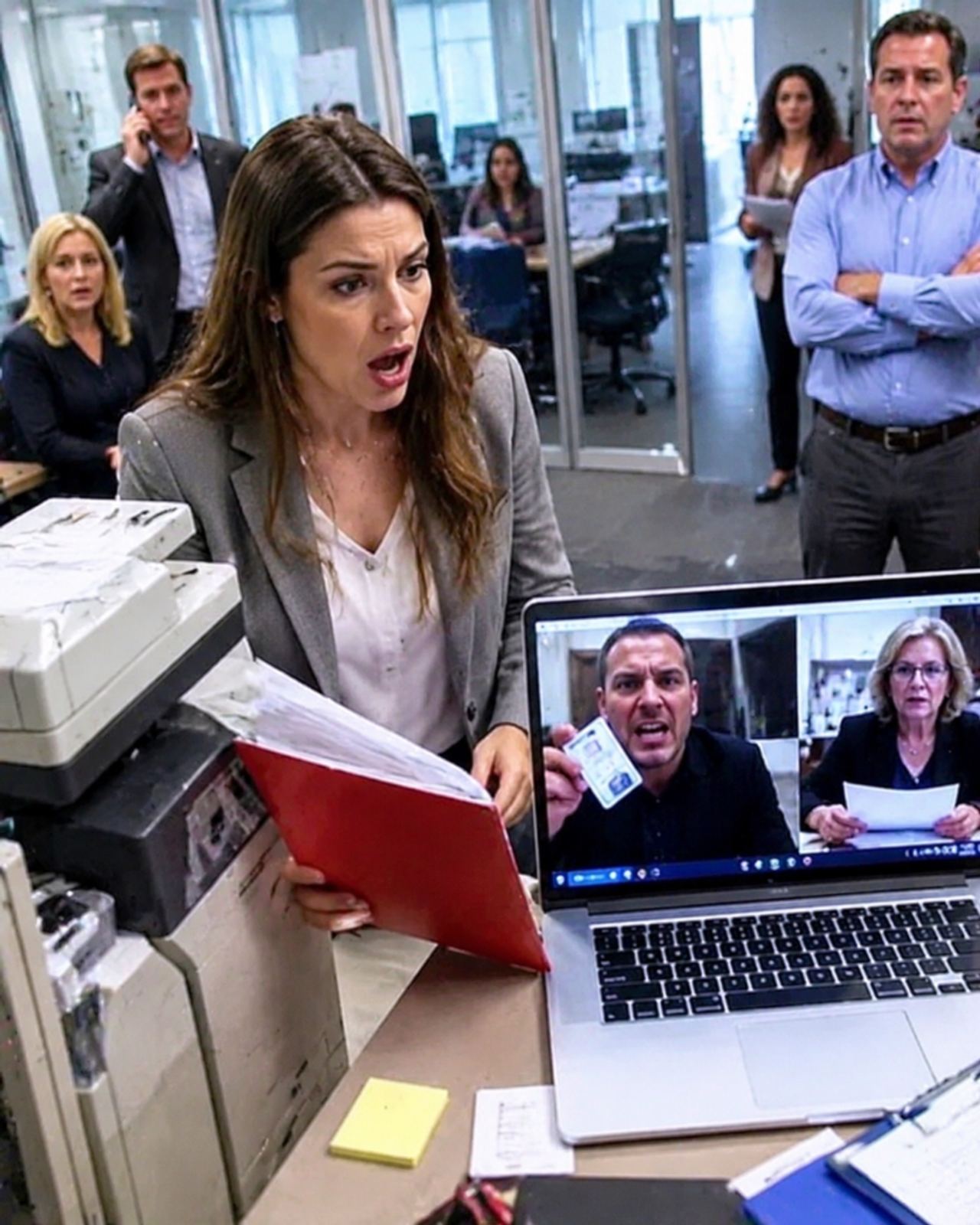
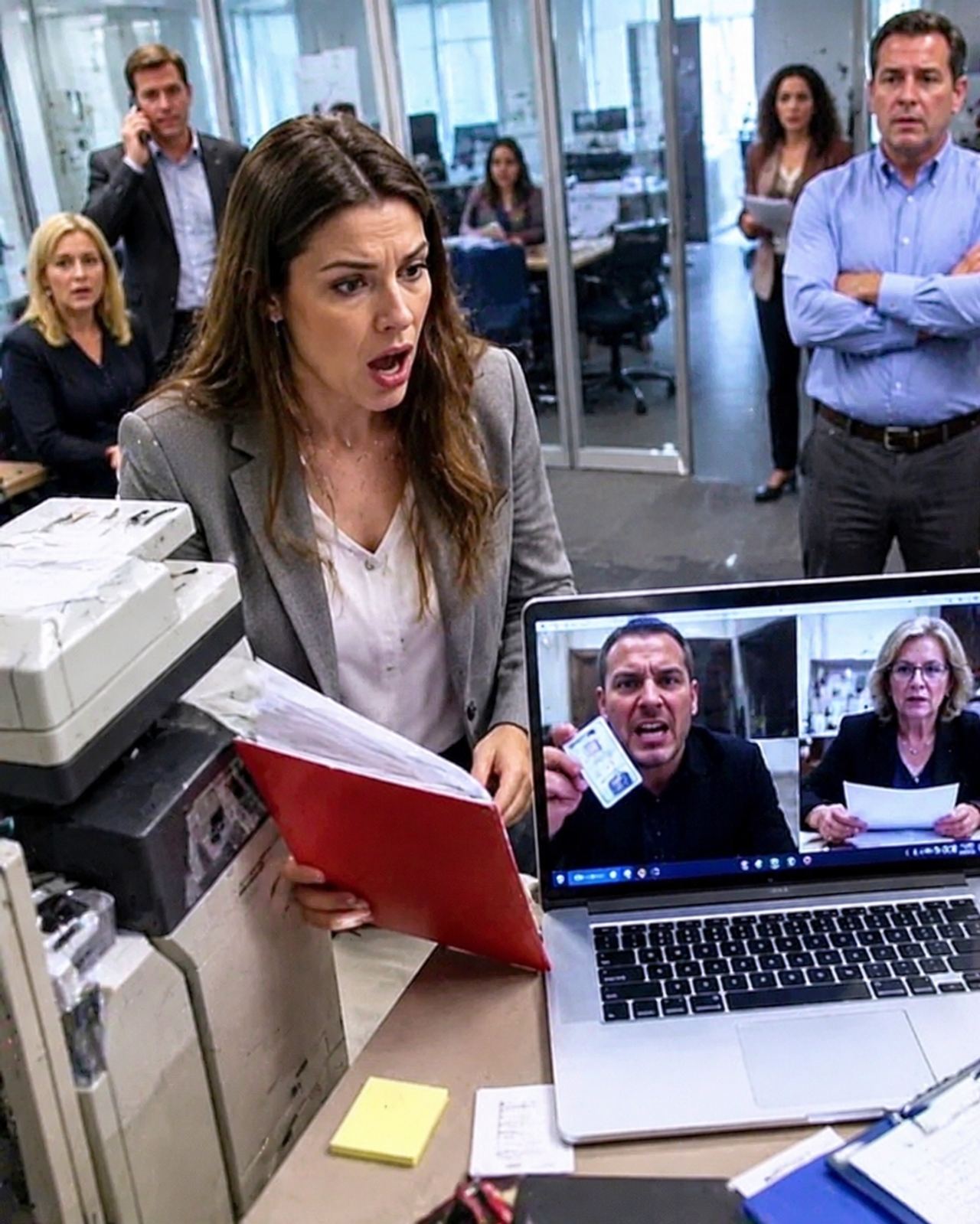
Elena Ruiz pressed play, and my brother’s voice came through the speakers.
“She knows about it,” Jake said in the recording.
“She just doesn’t want to deal with the paperwork.”
I sat motionless at my desk while my father’s attorney, Martin Hale, watched from another square on the secure video call.
Elena’s legal director had joined without introducing himself.
Behind me, the office had returned to its usual noise, but every sound felt far away.
On the recording, Jake stood in my mother’s kitchen holding a copy of my passport.
Marissa Cole, his girlfriend and the notary handling the supposed power of attorney, sat at the table with her stamp beside an open laptop.
She leaned toward the camera.
“The woman signing doesn’t look like the photograph,” she said.
My mother stepped into view.
“She’s recovering from surgery,” Mom replied.
“Her face is swollen.
Just finish it.”
Then a woman wearing my old college sweatshirt lowered herself into the chair.
She kept her face angled away from the camera.
Her hair covered one cheek, and a pair of glasses concealed much of the other.
But when she reached for the electronic signature pad, her sleeve pulled back.
A black rose was tattooed on her wrist.
I had seen that tattoo before.
“That’s Marissa’s sister,” I said.
Martin looked toward me.
“You’re certain?”
“Her name is Tessa.
She was at Jake’s birthday dinner in March.”
Elena froze the image and enlarged the woman’s wrist.
“We’ll preserve the recording,” she said.
“No one should contact these individuals about what we have.”
A notification appeared on her screen before she could continue.
She frowned.
“Someone has just submitted revised wire instructions.”
The legal director leaned forward.
“To which account?”
Elena opened the request.
“An overseas account held by a company called Northstar Resolution Partners.
The request came from the email address used for Ms.
Whitaker’s forged authorization.”
Martin’s expression hardened.
“Freeze everything.”
“Already done,” Elena said.
My phone vibrated.
Jake had sent a message.
Withdraw the complaint, or Mom loses everything.
I read it twice.
The threat was almost impressive in its selfishness.
He had forged my name, tried to take my share of our father’s house, and was still presenting himself as the person with leverage.
I took a screenshot and forwarded it to Elena and Martin.
“Do not answer him,” Martin said.
“I wasn’t going to.”
That was new for me.
For years, every crisis Jake created had arrived wrapped in urgency.
A landlord was changing the locks.
A lender was threatening court.
His truck would be repossessed by morning.
He needed money before noon, before five, before someone came to the door.
The deadline was always designed to stop me from thinking.
Now the money was frozen, the recording was preserved, and I had no reason to hurry.
Elena explained what would happen next.
The title company would place an immediate hold on the proceeds and notify its insurer.
The county recorder would receive a fraud notice before the deed could be finalized.
The buyers would be informed that the transaction contained a disputed seller authorization.
Because the closing package included a forged power of attorney and false notarization, the matter would also be referred to law enforcement.
“Will the buyers lose their money?” I asked.
“Their funds are protected
in escrow,” Elena said.
“They may be inconvenienced, but they will not be left without recourse.”
That mattered to me.
Whoever had agreed to buy the house had probably packed boxes and hired movers.
They had been dragged into my family’s chaos without knowing it.
Martin asked Elena to send him copies of every document, audit log, email header, and identification file connected to the transaction.
Then he turned to me.
“Do you still have the original probate deed?”
I lifted the red folder into view.
“Dad told me never to lose it.”
“Your father was a careful man.”
The sentence hurt more than I expected.
Dad had spent the last year of his life trying to protect Mom from Jake without admitting that was what he was doing.
He had paid off the house, transferred half of it to me through his estate plan, and written clear restrictions against either owner selling the whole property alone.
At the time, Mom had called the arrangement humiliating.
“Your father thinks I’m incompetent,” she had said.
I had defended her.
Now I understood that Dad had not been protecting the house from Mom.
He had been protecting her from the decisions she made whenever Jake was frightened.
My phone began ringing again.
Mom.
I let it go to voicemail.
She called a second time, then a third.
Finally, a message appeared.
Please answer.
I didn’t know they used your name.
I showed Martin.
“Do you believe her?” he asked.
I looked at the frozen video on Elena’s screen.
Mom was standing directly behind the woman pretending to be me.
“No.”
It was the first time I had answered that question without trying to soften it.
Martin advised me to leave work early, secure my remaining documents, and avoid my condo until we knew whether Jake had access.
Although I had already sold it, I still had possession until the following morning.
My packed suitcases and passport were there.
Denise from accounting drove me.
She did not ask for details.
She simply locked the office files in my desk, picked up her car keys, and said, “You’re not walking into that building alone.”
When we reached my condo complex, Jake’s truck was parked beside the entrance.
My mother sat in the passenger seat.
Three suitcases were piled in the truck bed.
Denise slowed but did not turn in.
“Keep driving,” I said.
We circled the block and called the non-emergency police number.
Two officers met us near the leasing office.
I showed them the threatening message, the forged documents, and the email confirming the funds had been frozen.
One officer accompanied me upstairs while the other approached Jake’s truck.
Jake climbed out immediately.
Even from the hallway window, I could see his arms moving as he argued.
Mom stayed in the passenger seat, staring straight ahead.
My condo door showed no sign of forced entry, but Jake had a key.
It was lying on my kitchen counter beside an open bottle of water.
He had already been inside.
The guest room closet stood open.
Two of Mom’s dresses hung beside my packed winter coat.
Jake’s duffel bag rested on the bed.
They had not waited until tomorrow.
On my dining table was a manila envelope stamped with the logo of Northstar Resolution Partners.
Inside, I found a debt agreement bearing Jake’s signature.
He owed more than two hundred thousand dollars.
The original loans had been far smaller.
Fees, penalties, and refinancing had multiplied them.
The agreement pledged the expected proceeds from the sale of the Briar Lane house and listed my entire ownership share as collateral.
A handwritten note was clipped to the front.
Funds due by 4:00 p.m.
Failure to complete will trigger enforcement against all guarantors.
Mom’s name appeared as a guarantor.
Mine did too.
The officer photographed everything.
“Did you sign this?” he asked.
“No.”
He nodded as if he had expected that answer.
We carried my suitcases downstairs.
Jake was standing beside his truck while the second officer spoke to him.
When he saw me, he tried to step forward.
“Tell them this is a family misunderstanding,” he demanded.
The officer raised a hand and stopped him.
Mom finally climbed out of the truck.
Her face looked smaller than it had that morning.
“You froze the money,” she said.
“The title company froze it.”
“Jake could be hurt.”
“You forged my name.”
Her eyes moved toward the officers, the leasing manager, and Denise.
Public attention had always frightened Mom more than private cruelty.
“Lower your voice,” she whispered.
I almost laughed.
For years, I had lowered my voice so no one would hear what our family was doing to me.
“You stood behind someone pretending to be me,” I said.
“It’s recorded.”
The color drained from her face.
Jake stopped arguing with the officer.
“That recording is illegal,” he said.
“Remote notarizations are recorded by design,” I replied.
He looked at Mom.
That one glance told me everything.
He had promised her the process was safe.
He had probably told her no one reviewed the videos unless there was a complaint.
He had counted on me never learning about the sale until the money was gone.
Mom gripped the side of the truck.
“We only borrowed your portion,” she said.
“Jake was going to pay it back.”
There it was.
Not denial.
Justification.
“You sold Dad’s house and stole my name.”
“It was my home.”
“Half of it was mine.”
“Because your father wanted to control me from the grave.”
Martin’s earlier words came back to me.
Your father was a careful man.
“No,” I said.
“He wanted to stop exactly this.”
Jake’s phone rang.
He looked at the screen and rejected the call.
It rang again immediately.
The officer noticed.
“Who is contacting you?”
“Nobody.”
“Then you won’t mind showing me.”
Jake shoved the phone into his pocket.
The officer did not reach for it.
He simply told Jake that investigators would contact him regarding the reported fraud and that destroying evidence could create additional problems.
For the first time that day, my brother looked afraid instead of angry.
Mom began to cry.
In the past, that sound would have pulled me toward her automatically.
I would have taken her elbow, guided her inside, and started solving whatever she had helped create.
I stood beside Denise and held my suitcase handle.
“Where are we supposed to go?” Mom asked.
“You still own half a house whose sale has been stopped.”
“We can’t go back.
The buyers have possession tomorrow.”
“The buyers don’t have legal possession.
The closing is
disputed.”
She looked at me as though my knowledge were another betrayal.
Jake pointed toward my suitcase.
“You planned this.”
“I planned to move.
I did not plan for you to commit fraud.”
“You knew we needed you.”
“You needed my property.
You never asked for me.”
That silenced him.
The officers instructed Jake to remove his belongings from my condo and return the key.
Mom’s dresses, his duffel bag, and two grocery sacks were carried back outside.
As he passed me in the hallway, he spoke quietly enough that only I could hear.
“Northstar won’t let this go.”
I looked at him.
“Neither will I.”
Denise drove me to a hotel near the airport.
From the passenger seat, I watched the mountains darken against the evening sky.
My flight was still scheduled for 6:40.
For a moment, I considered canceling it.
The old reflex told me I needed to stay close, manage Mom, answer investigators, and make sure Jake did not do anything worse.
Martin called before I could decide.
“Get on your plane,” he said.
“You can cooperate from Portland.
Your presence here will not improve their decisions.”
“What happens to the house?”
“The deed will not record.
The transaction will likely be rescinded unless the buyers choose to renegotiate with both lawful owners.
The debt company may pursue your mother and brother, but your forged guarantee is not enforceable once we establish the fraud.”
“And Marissa?”
“The state notary commission will receive the recording.
At minimum, she will lose her commission.
Criminal consequences depend on the investigation.”
I stared through the hotel window at planes lifting into the pale sky.
“Mom says she didn’t understand.”
Martin was quiet for a moment.
“Understanding every legal consequence is not required to understand that another person’s name is not yours to use.”
At the airport, I passed through security with my red folder inside my carry-on.
The blue closing pen from my condo sale remained in my purse.
Mom sent seven messages before boarding.
The first blamed Jake.
The second blamed Marissa.
The third blamed the title company for making the process confusing.
The fourth blamed Dad for dividing the property.
The fifth asked me to tell police she had been pressured.
The sixth said she had sacrificed her whole life for us.
The seventh was only four words.
Please don’t leave me.
I read it while sitting at the gate.
Then I typed a response.
I am not leaving you.
I am refusing to be stolen from.
I did not add anything else.
Three days after I arrived in Portland, the county formally rejected the deed.
The buyers received their escrow funds back and later submitted a new offer through their attorney.
They still wanted the house, but only if the ownership dispute could be resolved legally.
Martin advised Mom and me to sell our shares together at the fair market price.
My half would come directly to me.
Mom’s half would remain subject to her legitimate mortgage and any lawful claims against her.
Jake wanted her to refuse.
He insisted the house was worth more if they waited, even though Northstar had already filed suit against him and named Mom as guarantor on debts she had actually signed.
This time, Mom did not have the luxury of pretending
the problem would disappear if I paid for it.
She agreed to the legal sale.
The buyers closed six weeks later.
I signed my documents from a licensed title office in Portland.
The notary checked my identification twice and asked me to confirm every page.
When I placed the pen down, I felt no triumph.
Only relief.
My share of the proceeds arrived in an account Jake had never seen and Mom could not access.
Mom’s share paid the remaining mortgage and a negotiated portion of the debts she had guaranteed.
It did not save Jake from everything.
It did, however, leave her enough to rent a modest apartment on her own.
She complained that the apartment was small.
I reminded her it was hers.
The investigation moved more slowly than the sale.
Marissa surrendered her notary commission after the state received the recording.
Her sister admitted she had been paid to sit in front of the camera and claimed Jake told her the documents were part of an insurance transaction.
The title company’s audit logs showed that Jake had created the false email address, uploaded my passport copy, and submitted the revised offshore wire instructions from his own laptop.
Mom eventually gave a statement acknowledging that she knew I had not approved the sale.
She claimed Jake had promised the power of attorney was only a temporary formality.
Prosecutors treated her cooperation and her lack of prior record as mitigating factors.
She received probation, restitution obligations, and mandatory financial counseling.
Jake faced more serious charges related to identity theft, attempted wire fraud, forgery, and the false debt guarantee.
Northstar’s records also revealed that he had borrowed money using fabricated business contracts.
He accepted a plea agreement rather than risk trial.
The last time I saw him before sentencing was through a courthouse video feed.
He looked directly at the camera and said I had ruined his life over a house.
The judge corrected him.
“Your sister reported a crime,” she said.
“You ruined your life when you decided her identity was another asset you could spend.”
Jake looked away.
For years, I had imagined that justice would feel loud.
I thought there would be satisfaction in watching someone finally tell him what I had never managed to make him hear.
Instead, the moment felt quiet.
The truth had not destroyed him.
It had simply stopped protecting him from himself.
Mom and I did not speak for several months after the sentencing.
Then a letter arrived at my Portland apartment.
It was written by hand, not sent as a frantic text.
She did not ask for money.
She did not tell me Jake needed help.
She did not use the word family as a weapon.
She wrote that she had spent years confusing rescue with love.
Every time she shielded Jake from a consequence, she had handed the consequence to me instead.
She said she understood that an apology did not restore trust.
At the bottom, she had written one final sentence.
I am learning to live in a home that belongs only to me.
I folded the letter and placed it in the red folder beside Dad’s deed.
Outside my window, rain moved over the city in silver lines.
Beyond the buildings, the road west led toward the coast.
I had a smaller apartment than the condo I sold.
I owned fewer things.
No guest room waited for an uninvited crisis.
On my desk sat the ceramic fox Denise had packed into my suitcase before driving me to the airport.
Quiet but tricky.
I used to think survival meant anticipating every disaster my family might create.
Now I understood something simpler.
Sometimes survival was letting the phone ring.
Sometimes it was opening the folder.
And sometimes it was signing your own name, buying a one-way ticket, and refusing to let anyone else decide where you belonged.
Read more stories
- My Brother Saw My CT Scan, Then Exposed the Crime My Husband Had Hidden for Years
- My family laughed when I sat alone at my brother’s Trident ceremony—until the SEAL commander
- She Woke From A Coma To The Lie Her Parents Tried To Keep Buried
- HE TRADED A SECURE FUTURE IN MEDICINE FOR A $30 UPRIGHT PIANO — AND BET EVERYTHING ON A VOICE NOBODY WANTED TO HEAR.