
Human Stories
By the time she was 35, Avie Lee Parton had given birth to twelve children in a Smoky Mountain cabin without electricity or running water. She married at 15 and spent decades managing extreme poverty in Sevierville, Tennessee. Her health declined under the physical toll of continuous childbirth and limited medical care. Despite the physical exhaustion, she anchored the local church. It was there she guided a six-year-old Dolly to the front of the congregation to sing for the first time. There was no money for real instruments. Avie Lee built them from household items and filled the one-room cabin with ancient Appalachian folklore. When her children were sick, crying, or hungry, she used folk melodies to quiet the room. Dolly later remembered her mother’s singing as a sound holding both sorrow and endurance, drifting through the gaps in the wooden walls to shield them from the cold reality of their lives. Her most famous act of protection was made of scraps. Taking a box of donated rags, she sewed a winter coat so her daughter could survive the freezing walk to school. As she stitched, she told the biblical story of Joseph, making sure the little girl could walk into the classroom with her head held high. Avie Lee gave her daughter the ability to find dignity in the hardest places. That handmade jacket eventually became one of the most recognized stories in American music, while the specific Appalachian ballads the mother passed down to her children remain the quiet foundation of a globally recognized songwriting empire.
Avie Lee Parton raised twelve children in deep poverty in a Smoky Mountain cabin, using church music, folk ballads, and ingenuity to shape Dolly Parton’s early life. Her handmade coat of rags and her Appalachian songs became lasting symbols of dignity, resilience, and the roots of Dolly’s songwriting legacy.

A MOTHER RAISED TWELVE CHILDREN IN A CABIN WITHOUT ELECTRICITY — BUT THE SCRAPS SHE SEWED TOGETHER BUILT THE FOUNDATION OF A GLOBAL SONGWRITING EMPIRE.
By the time Avie Lee Parton turned thirty-five, she had given birth to twelve children in the heart of the Great Smoky Mountains. She had married Robert Lee Parton at just fifteen years old, stepping into a life defined by extreme rural poverty in Sevierville, Tennessee.
Their home on Locust Ridge was a small wooden cabin with no running water and no electricity. The physical toll of continuous childbirth, combined with the grueling labor of maintaining a household with almost no resources, severely impacted her health. Yet, amid the relentless demands of mountain survival, she became the unwavering anchor of her family.
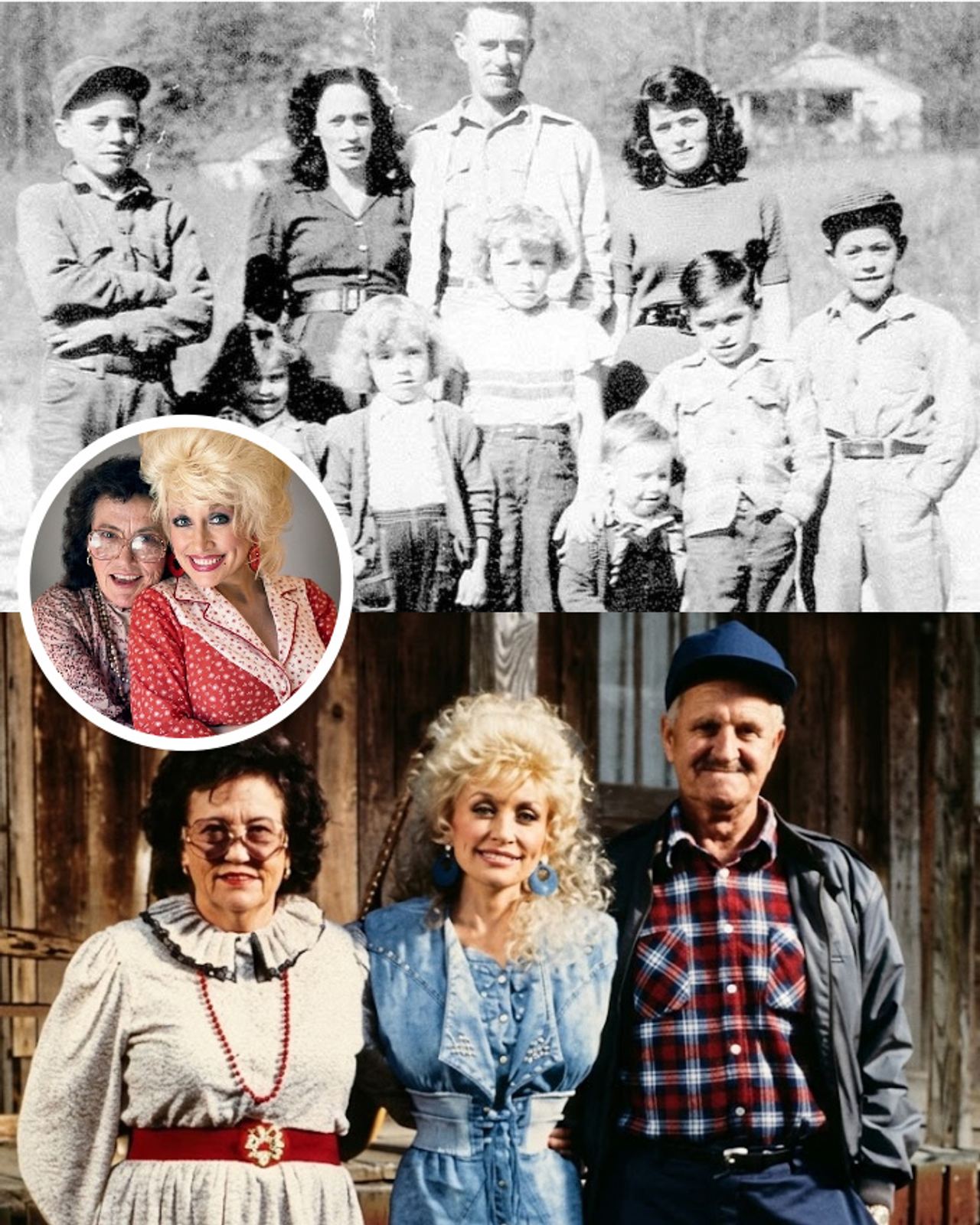
Avie Lee found her strength in the local church, where music was the primary language of community and faith. It was within those wooden pews that she first guided her six-year-old daughter, Dolly, to the front of the congregation to sing for a crowd.
Back in the cabin, there was no money for real instruments. Instead, Avie Lee built makeshift rhythm instruments from household items and filled the tight living space with the sounds of her ancestors. When her children were sick, crying, or hungry, she did not have medicine or extra food to offer. She used melodies to quiet the room.
The music she passed down was not just casual entertainment. Avie Lee carried a deep repertoire of ancient Appalachian folklore, frequently singing generations-old English and Scottish ballads like “Barbara Allen” and “Mary of the Wild Moor.” These tragic, story-driven folk songs—often dealing with heartbreak, loss, and resilience—taught a young Dolly how to weave a complex narrative from start to finish. Those specific mountain ballads became the quiet blueprint for her daughter’s future, laying the groundwork for what would eventually become a globally recognized songwriting empire.
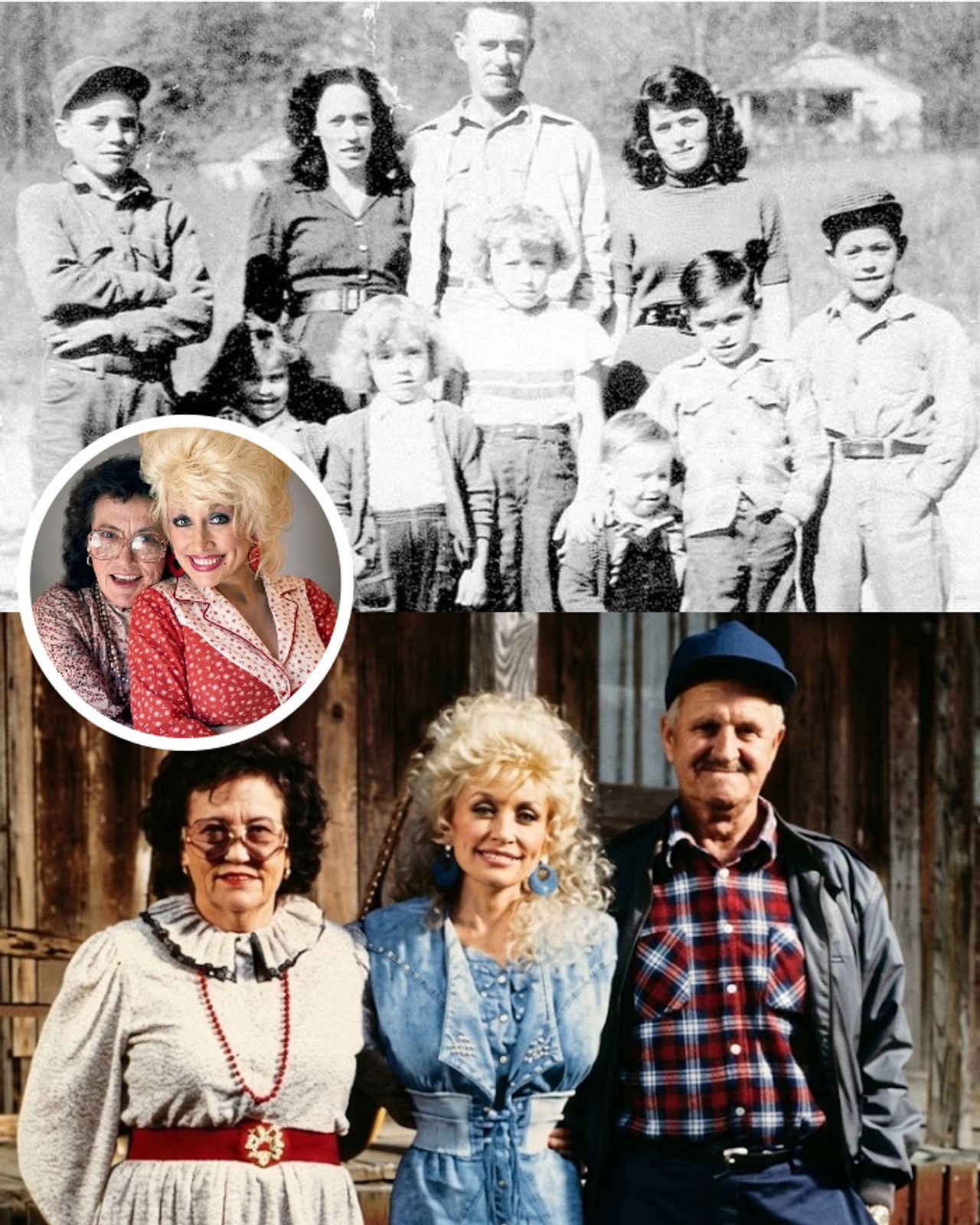
Her voice held both sorrow and endurance, drifting through the gaps in the cabin’s wooden walls to shield her children from the harsh realities of their environment. But her most famous act of protection was made entirely of scraps.
One winter, as the mountain temperatures dropped, Avie Lee was given a box of donated rags. Knowing her daughter needed something warm to survive the freezing walk to school, she sat down and began to piece the mismatched fabrics together into a jacket.
As she stitched the scraps, she refused to let her daughter feel ashamed of their poverty. She told the biblical story of Joseph and his garment, spinning a narrative of pride and purpose into every seam. She made sure the little girl could walk into the classroom with her head held high, armed with the belief that wealth was a matter of perspective rather than a bank account.
Dolly carried that handmade armor into the schoolyard, facing the cruel laughter of her classmates with the dignity her mother had deliberately sewn into the fabric. Years later, that exact memory would inspire “Coat of Many Colors,” a track that remains one of the most beloved and culturally significant songs in the history of country music.
Avie Lee Parton did not have financial wealth to leave behind. She spent her life managing empty cupboards and worn-out shoes. But with a box of rags and a voice full of mountain ballads, she gave her daughter the tools to conquer the world.
Read more stories
- Why Dolly Parton Spoke So Forcefully for Charley Pride
- How Vince Gill Turned Two Deaths Into a Country Hymn of Grief and Peace
- How Kris Kristofferson Turned “Me and Bobby McGee” Into an American Road Song Standard
- The Bee Gees Nearly Let “How Deep Is Your Love” Go — Until a Film Executive Heard What They Had

