
Celebrities & Music
Long before William Lee Golden performed at the Grand Ole Opry, he was an Alabama farm boy tuning in to Nashville on a battery-powered radio.
William Lee Golden’s path to the Grand Ole Opry began on an Alabama farm, where he first heard Nashville through a battery-powered radio and learned harmony in church, on local radio, and at home. Decades later, after helping build The Oak Ridge Boys into country stars, he stood inside the very broadcast that had inspired him as a boy.

Born on January 12, 1939, in Escambia County near the Florida panhandle border, Golden was raised on a working family farm through the hard years that came after the Great Depression. Daily life centered on physical labor. Before school and again after classes, he worked the soil alongside his parents, picking peanuts and hauling heavy cotton sacks through long rows beneath the Alabama sun. In the brief moments when the work let up, he searched out quiet spots to draw the nearby fields and tree lines with short, worn pencil stubs.
Electric service had not yet made its way to their part of the county, so a battery-operated radio served as the family’s main connection to the wider world beyond the farm. Every Saturday night, the family lowered the kerosene lamps early and gathered inside the dark wooden house, saving the battery for WSM from Nashville as the sound of the Grand Ole Opry floated through the southern night.
Music was not only something the family picked up from Tennessee; it was part of life at home as well. His grandfather, a local fiddle player who hosted a weekly radio show in the Brewton area, took young William Lee and his sister, Lanette, into the studio to sing on the air.
In addition to those weekly broadcasts, Golden received his first vocal training in a small Baptist church and at local all-day singings. Surrounded by farming families who passed around four-part gospel harmonies by ear, he learned to merge his voice with another singer’s before he was even a teenager.
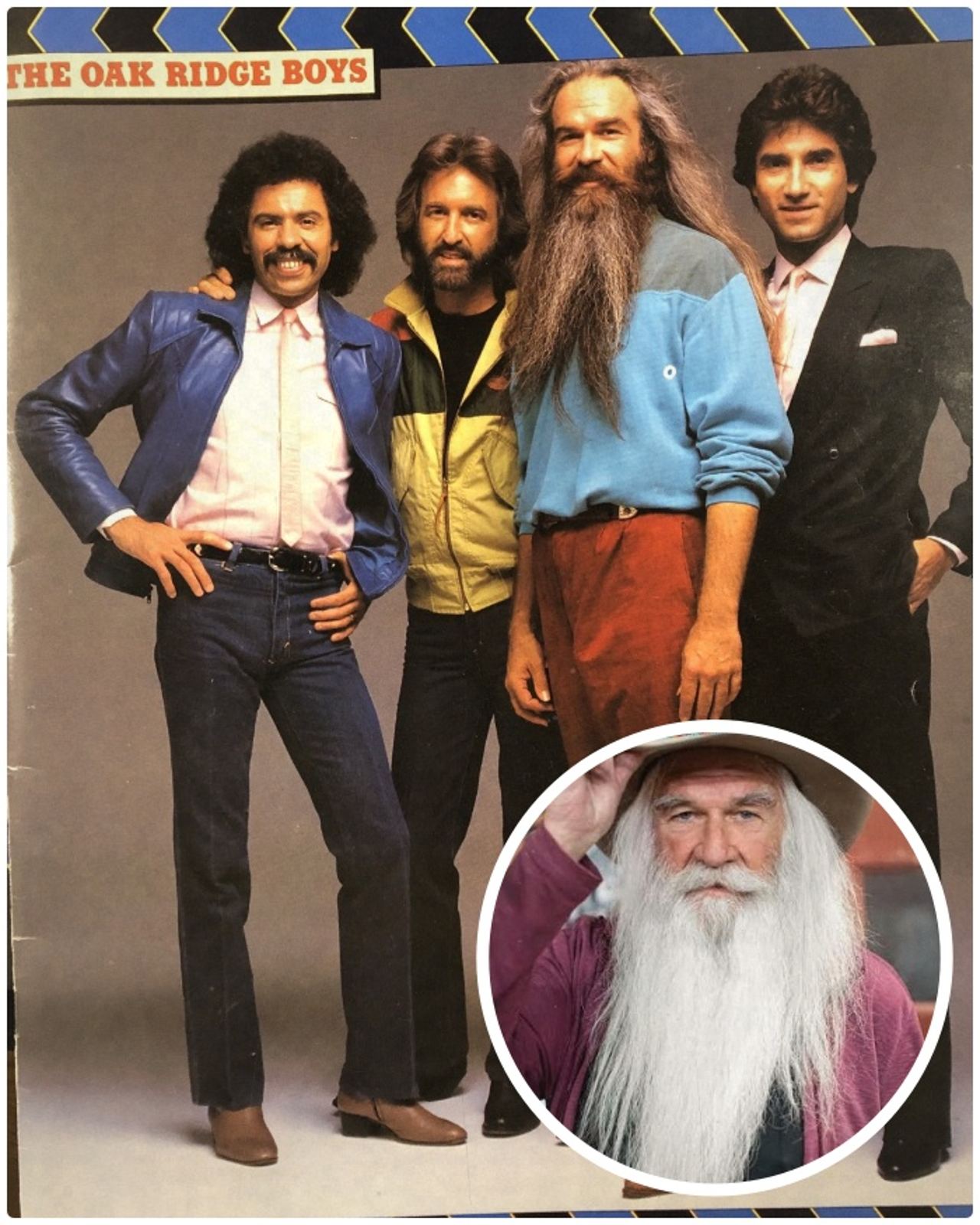
As a teenager attending Jay High School just over the state line in Florida, Golden put together his first quartet with classmates and studied recordings by country gospel groups, doo-wop performers, and pop harmony acts. By the time he married his high school sweetheart, Frogene Normand, in 1957 and began raising their sons—starting with their oldest, Rusty, born in Brewton in January 1959—Golden had made up his mind to earn his living in quartet music.
In those early years as a young father, he sang with regional gospel groups and made a point of watching his favorite professional act, The Oak Ridge Quartet, whenever they came through the South. Originally organized during World War II and known for frequent Grand Ole Opry appearances in the late 1940s, the group was led in the early 1960s by tenor Smitty Gatlin.
When baritone Gary McSpadden departed the group at the end of 1964, Golden was invited to audition and officially became a member of the newly renamed Oak Ridge Boys in January 1965. The following year, Golden suggested a young Texas singer with an operatic range named Duane Allen to fill the lead vocal role, helping lay the foundation for the group’s future.
In the early 1970s, after bass singer Richard Sterban and tenor Joe Bonsall completed the classic four-man lineup, the quartet moved beyond traditional gospel circuits and into country music. Conservative promoters objected to their modern rhythm section and long hair, especially as Golden grew his hair and full beard into the mountain-man image that would later become his trademark.
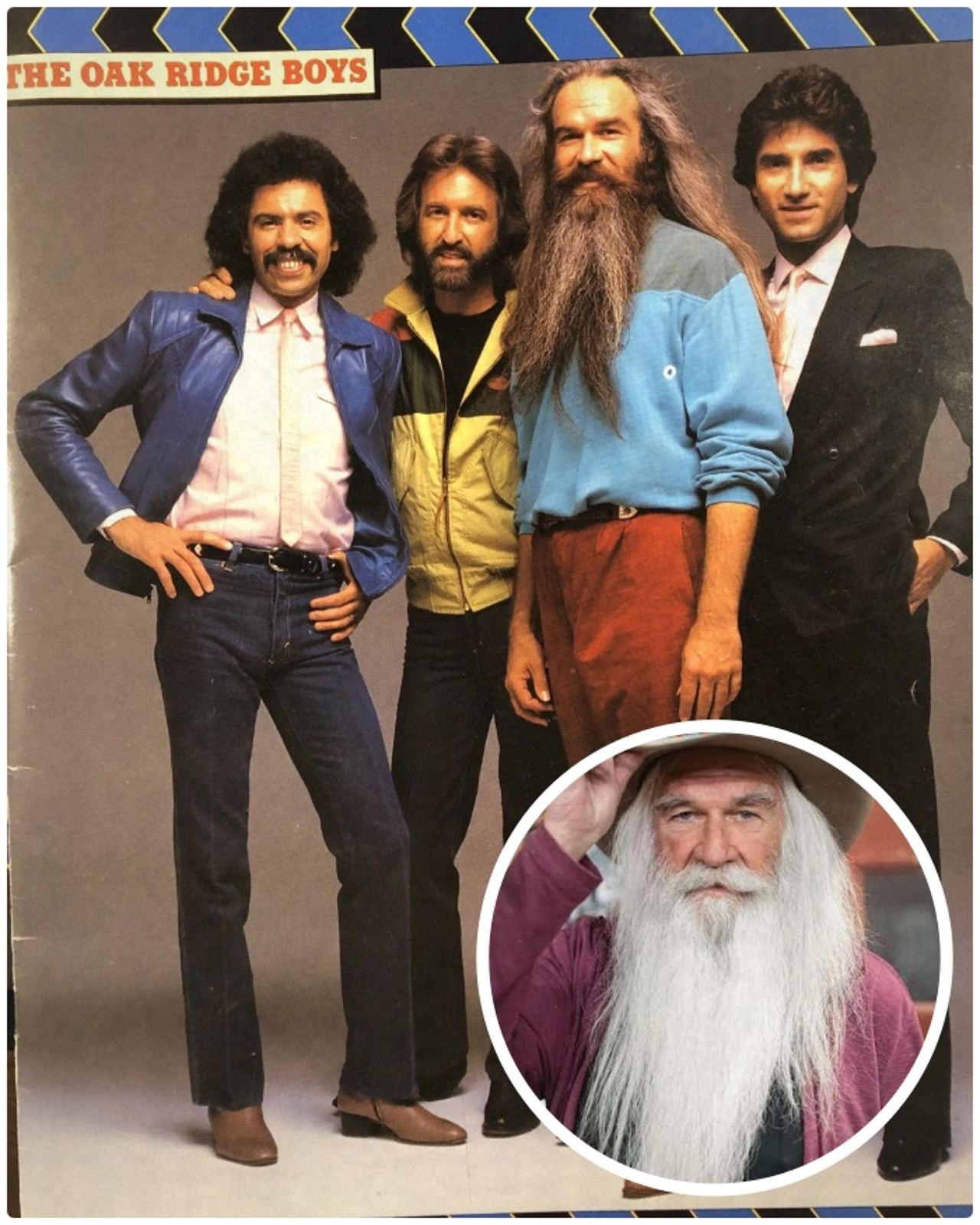
After “Y’all Come Back Saloon” broke through on country radio in 1977, that risk was rewarded with a run of crossover and country No. 1 hits, including “Elvira,” “Bobbie Sue,” and “Thank God for Kids,” along with five Grammy Awards and millions of albums sold.
Although the quartet spent decades as regulars on the Nashville stage, the journey back to the broadcast Golden had heard as a child came full circle in the summer of 2011. On July 8, 2011, The Oak Ridge Boys were asked to become official members of the Grand Ole Opry, and on August 6, Little Jimmy Dickens formally inducted them into the cast. Four years later, the group was inducted into the Country Music Hall of Fame.
Even through a late-1980s break from the group—before returning on New Year’s Eve in 1995—and the devastating loss of his son Rusty in July 2024, Golden remained grounded in the quiet routines of his youth, painting landscapes, photographing nature, and recording traditional songs with his sons and grandchildren in William Lee Golden and The Goldens.
Now in his eighties, each time Golden steps onto the circle of wood at the Grand Ole Opry House, the distance between Nashville and Escambia County seems to vanish. The boy who once leaned in toward a battery radio in a dark Alabama farmhouse is now standing inside the very broadcast itself.
Read more stories
- The Helicopter, the Demo Tape, and the Song That Changed Kris Kristofferson’s Life
- How One Step Toward the Microphone Turned “Elvira” Into a Country-Pop Juggernaut
- In 1980, when the childhood elementary school they attended in Staunton, Virginia went up
- In Little Time, William Lee Golden Faced the Loss of a Son and a Brother in Song