
News
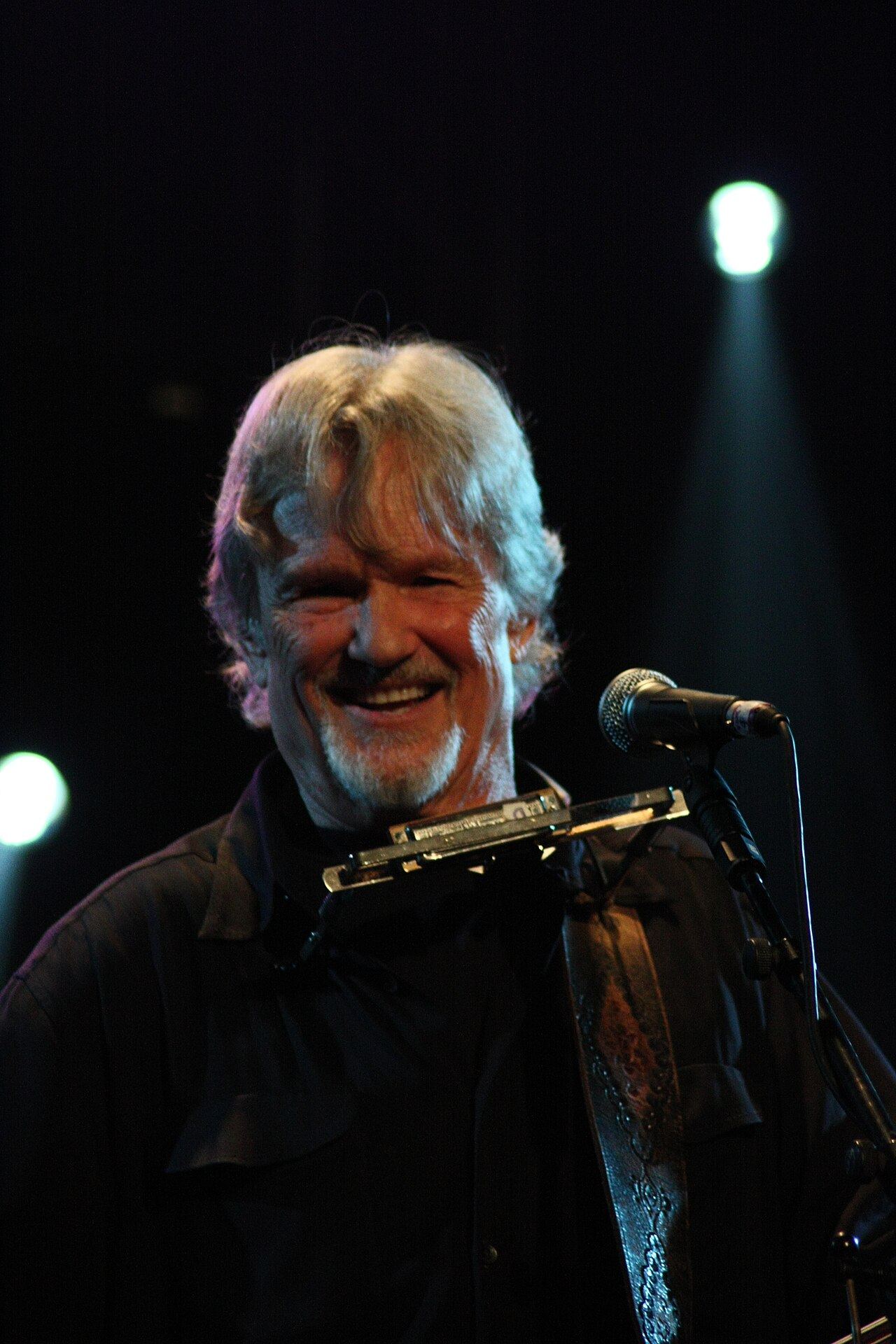
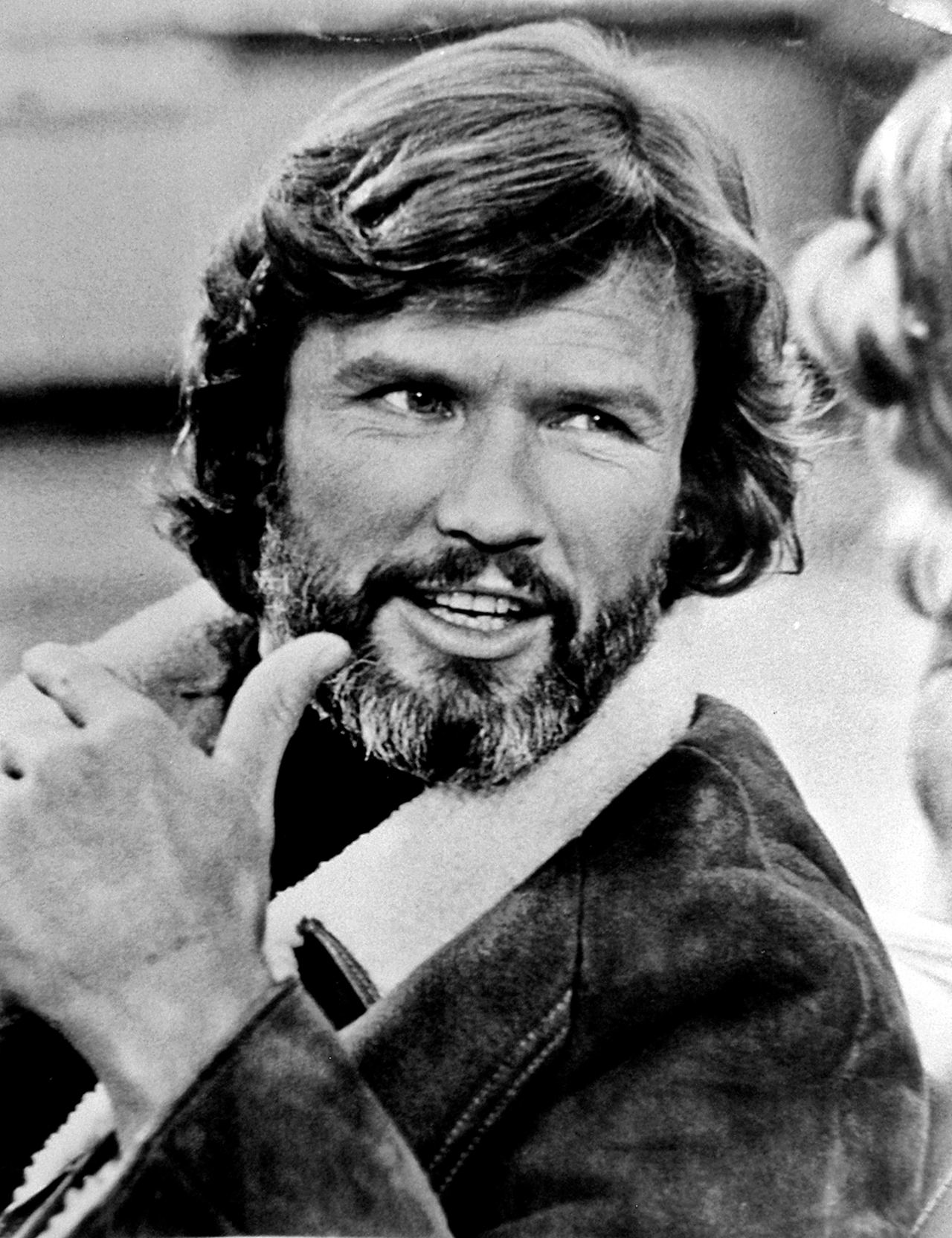
The Helicopter, the Demo Tape, and the Song That Changed Kris Kristofferson’s Life
Long before he became one of country music’s defining songwriter-poets, Kris Kristofferson was a struggling ex-Army captain who used a National Guard helicopter to put one unforgettable song in Johnny Cash’s hands.


A desperate writer in Music City
By the late 1960s, Kris Kristofferson had reached the point where ambition and desperation were living side by side. He had walked away from a promising military career after serving as a U.S. Army captain, choosing songwriting over security, and Nashville was not exactly welcoming him with open arms. Instead of a fast track into country music, he found himself taking humble work at Columbia Studios, sweeping floors, emptying ashtrays, and staying close to the rooms where stars recorded the kinds of songs he hoped one day to write.
For years, he kept trying to get heard. He passed along demo tapes whenever he could, including to June Carter when she came into the studio. But Nashville was full of dreamers, and Johnny Cash, one of the biggest stars in the business, was inundated with unsolicited reels. In the story that became country-music legend, Cash later said those piles of tapes often never made it to his ears at all.
Johnny Cash’s gatekeeping problem
The obstacle was simple and brutal: access. Cash was receiving hundreds of submissions, and the volume alone made careful listening nearly impossible. According to the oft-retold account, many of those demos were tossed straight into Old Hickory Lake near his home without ever being played. For an unknown writer like Kristofferson, talent was not enough. He needed a way to cut through the clutter.
That frustration helps explain why the helicopter stunt has endured in music folklore. It was not just a wild gesture from an ambitious songwriter; it was a solution to a practical problem. If a song could not fight its way through the pile, then perhaps the songwriter would have to bypass the pile entirely.
For Kristofferson, the problem was never just writing the song. It was getting the song in front of someone who would truly listen.
Broken marriage, cheap apartment, one last angle
By 1969, Kristofferson’s personal life was as strained as his professional one. He was broke, living alone in a cheap Nashville apartment after the end of his first marriage, and still logging flight hours with the Tennessee National Guard. The contrast was striking: a man with elite training and serious discipline spending his days on menial studio work and his nights chasing a songwriting career that still had not broken open.
Out of that period came “Sunday Mornin’ Comin’ Down,” a song rooted in loneliness and the bleak quiet of empty streets. Its power was not in polish or grandiosity but in lived-in honesty. Kristofferson had a way of writing that made ordinary misery feel poetic without making it less real, and that quality would prove impossible to ignore once the right person finally heard it.
The landing at Hendersonville
During a routine training flight in a Bell H-13 Sioux utility helicopter, Kristofferson made the move that would become one of Nashville’s great stories. He veered over Hendersonville and set the aircraft down on the grass outside Johnny Cash’s lakeside home. In his possession was a tape of “Sunday Mornin’ Comin’ Down,” and in his mind, no doubt, was the understanding that ordinary methods had already failed him.
Like many legends, the details became part of the fun. Kristofferson later said with a laugh that Cash was not actually home when the helicopter landed. Cash, meanwhile, loved the more cinematic version, with the former pilot stepping from the cockpit carrying a tape in one hand and a beer in the other. Whatever the exact tableau, the important part held: the stunt worked. The reel reached Cash’s tape player.
A song Johnny Cash could not shake
Once Cash heard “Sunday Mornin’ Comin’ Down,” the effect was immediate. The song’s stark emotional truth fit the kind of material Cash respected: direct, wounded, plainspoken, and unforgettable. Kristofferson was not writing decorative country songs. He was writing from the inside out, and Cash recognized it.
That recognition changed everything. Cash brought Kristofferson onto “The Johnny Cash Show” in late 1969, giving him the kind of national exposure struggling songwriters rarely receive. It was a breakthrough born not from industry machinery but from persistence, nerve, and one audacious refusal to be ignored.
Why the story still matters
The helicopter landing survives because it captures several truths at once. It is funny, reckless, and deeply American in its blend of hustle and mythmaking. But beneath the showmanship is a more human story about creative endurance. Kristofferson had every reason to quit: the abandoned military path, the years of invisible labor, the financial strain, the personal upheaval. Instead, he kept writing and kept pushing until someone listened.
It also endures because “Sunday Mornin’ Comin’ Down” justified the stunt. The song was good enough to turn a crazy delivery into a career-making act rather than a footnote of desperation. In country music history, there are countless stories of hard knocks and lucky breaks. Few are as vivid as this one: a broke songwriter descending from the sky to deliver a song that would finally announce him to the world.
Quick Facts
- Song at the center of the story: Sunday Mornin’ Comin’ Down
- Key figure who received the tape: Johnny Cash
- Kristofferson’s military background: Former U.S. Army captain
- Aviation connection: Tennessee National Guard flight duty
- Aircraft mentioned: Bell H-13 Sioux utility helicopter
- Setting of the landing: Outside Cash’s home in Hendersonville, near Old Hickory Lake
Image credits: Ron Baker (Kingsnake) / Wikimedia Commons / CC BY-SA 2.0; Atkinsj / Wikimedia Commons / CC BY-SA 3.0; Agency: Magna Artists / Wikimedia Commons / Public domain.