
Celebrities & Music
Toby Keith sold out massive arenas across America. But his most important stages were built on dusty flatbed trucks in active war zones.
Toby Keith chose to spend much of the next decade performing for U.S. service members in war zones rather than in safer commercial venues. He traveled on 11 USO tours to 17 countries, performing under dangerous conditions at remote bases and earning the Spirit of the USO Award in 2014.

Starting in 2002, he made a choice that dictated the next decade of his life. Commercial tours offered safe venues and comfortable hotels. Instead, he strapped into military cargo planes for 11 international USO tours. He covered 17 countries and played to more than 250,000 service members.
He refused to stay at the heavily guarded main bases. Keith specifically asked to go out to the small, isolated Forward Operating Bases. He played his sets standing on rocky desert dirt and wooden pallets. When incoming mortar fire interrupted a song, he climbed into bunkers right next to the soldiers. As soon as the sirens stopped, he dusted off his clothes and walked back out to finish the tune.
The drive to take those unpaid trips came from his own family tree. His father was an Army veteran. Keith looked at the young faces stationed halfway across the world and saw his dad looking back. He received the Spirit of the USO Award in 2014 for his time overseas. Yet the actual payoff was sitting in the heat and passing around a shared canteen of water.
His constant trips back to those hostile outposts amounted to a quiet promise to the troops. He wanted to make sure they knew someone back home was paying attention. The sheer effort of hauling a country star through a war zone to reach a remote desert outpost is a side of his career most people never witnessed.
Starting in 2002, the Oklahoma native was sitting at the very top of the country music world. He had every reason to stay stateside, where commercial tours offered safe, climate-controlled venues, predictable schedules, and comfortable hotels.
Instead, he made a choice that would define the next decade of his life. He traded luxury tour buses for the jarring cargo bays of military transport planes, embarking on the first of what would become 11 international USO tours.
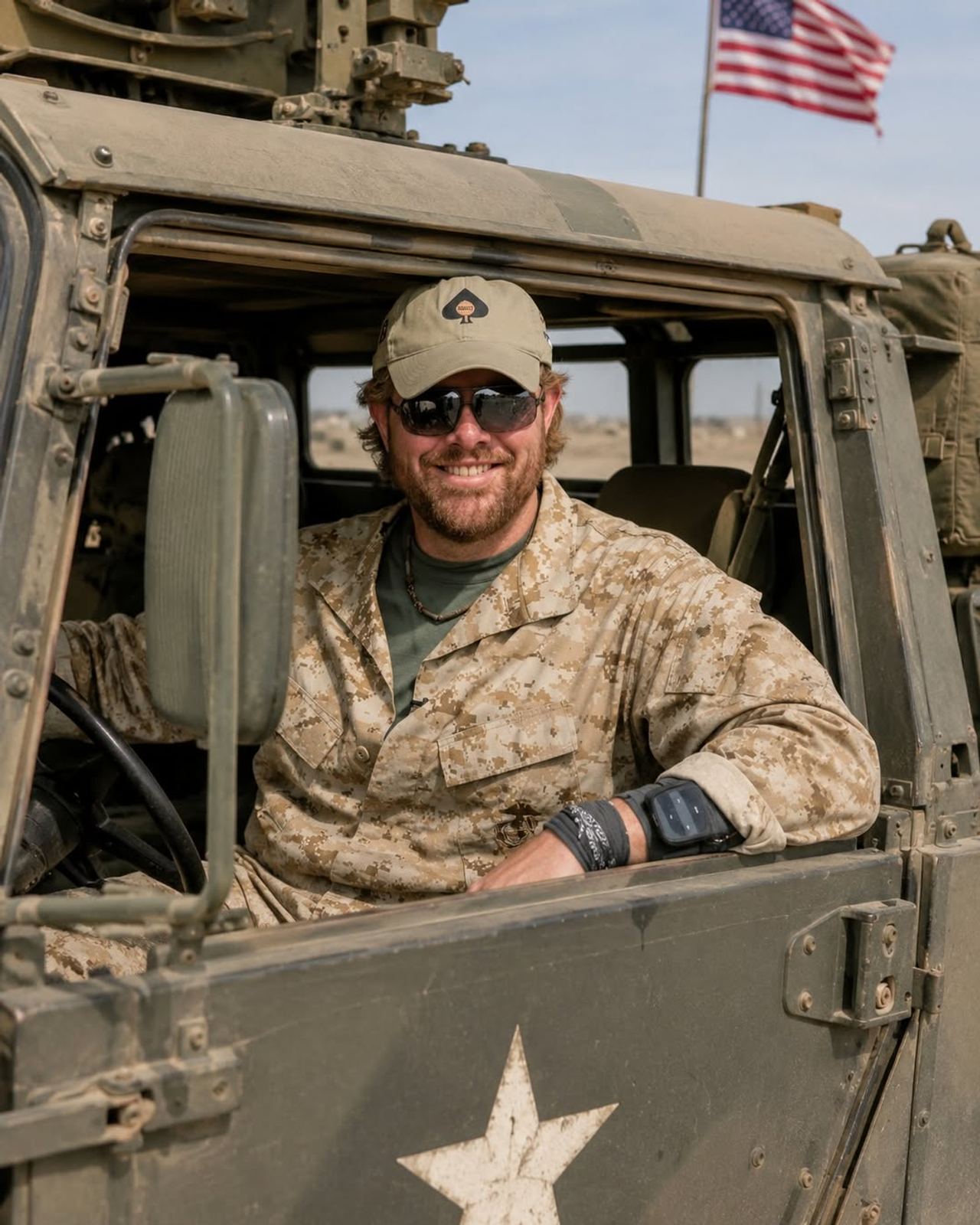
Over the years, Keith traveled to 17 countries and played for more than 250,000 service members. But the staggering numbers only capture a fraction of the actual commitment required to make those trips happen.
The sheer logistical effort of hauling a major country star through an active theater of war was immense. It required coordinated Black Hawk helicopter flights, heavily armored convoys, and the willingness to step into unpredictable territory wearing Kevlar body armor.
For Keith, the destination mattered just as much as the journey. He consistently refused to stay strictly at the massive, heavily guarded main bases where it was safer and easier to set up a standard show.
He specifically requested to be taken out to the small, isolated Forward Operating Bases. These were remote outposts where the amenities were nonexistent, the danger was highest, and a boost in morale was needed the most.
He played his sets standing on rocky desert dirt, using military flatbed trucks as platforms. There were no elaborate light shows or massive sound systems—just a man, his guitar, and a crowd of men and women in uniform taking a brief breath away from their reality.
The threat of the environment was never a hypothetical concept. During one memorable visit, incoming mortar fire interrupted a performance, forcing everyone in the area to take immediate cover.
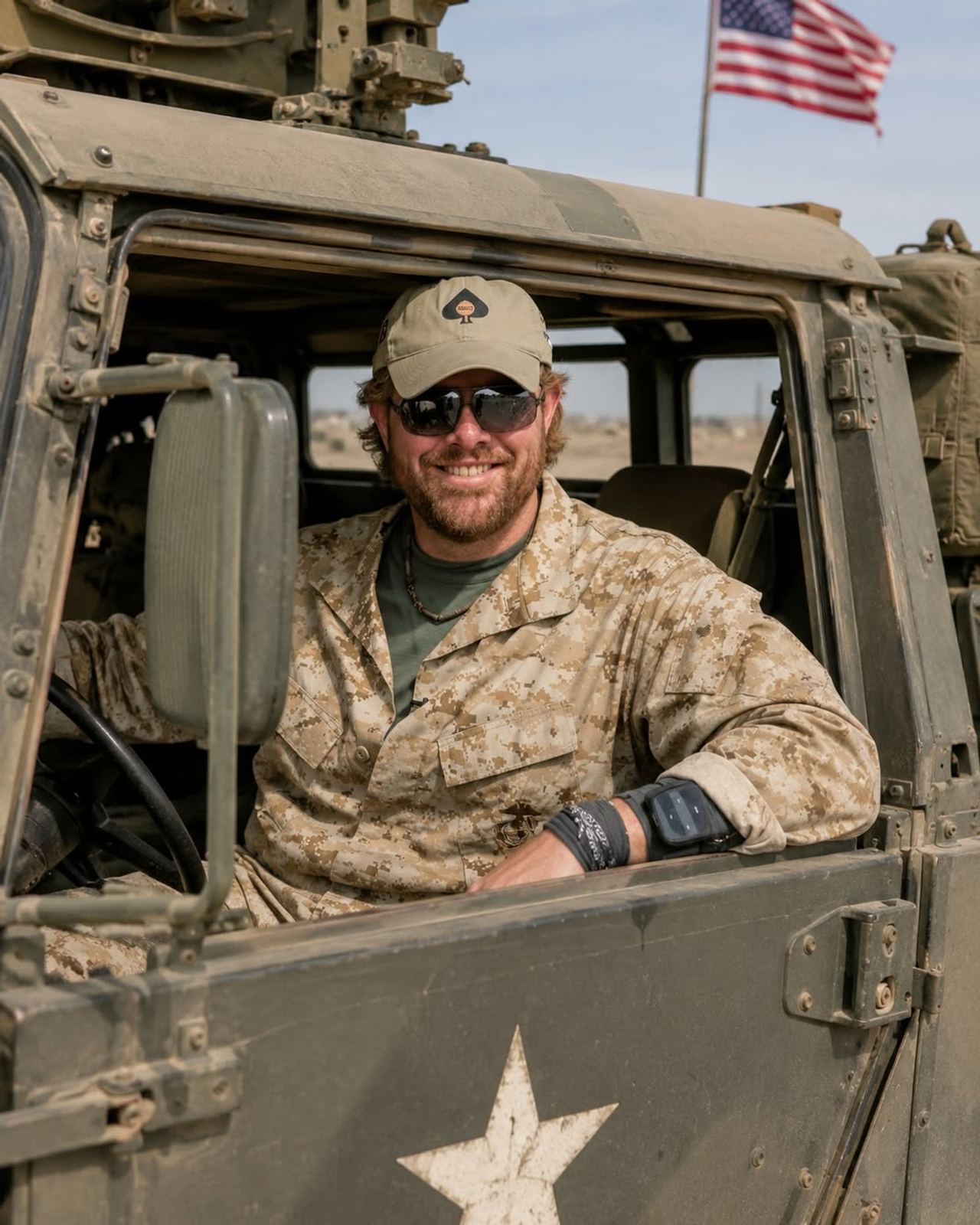
Keith did not demand to be evacuated. He climbed down into the concrete bunkers and waited in the dark right alongside the soldiers. As soon as the sirens stopped and the all-clear was given, he dusted off his jeans, walked back out to the makeshift stage, and finished the tune.
The drive to take those unpaid, physically exhausting trips came directly from his own family tree. His father, H.K. Covel, was an Army veteran who instilled a deep, quiet respect for the military long before his son ever picked up a guitar.
When Keith looked out at the young faces stationed halfway across the world, he saw his father’s legacy looking back at him. It was a deeply personal connection that pushed him to return to the Middle East year after year, regardless of the physical toll.
He received the prestigious Spirit of the USO Award in 2014 for his time overseas, cementing his place alongside legends like Bob Hope. Yet those who traveled with him knew the actual payoff was never a plaque or a headline.
The true reward was found in the quiet moments between the songs. It was sitting in the grueling desert heat, trading stories about life back in the States, and passing around a shared canteen of water with the troops.
When he stood on those wooden pallets and sang tracks like “American Soldier,” the music ceased to be just radio hits. They became direct, honest conversations with the very people who were living the reality of the music.
His constant trips back to those hostile outposts amounted to a quiet, steadfast promise. Toby Keith built an empire in Nashville, but his most enduring legacy remains etched in the desert dust, playing for the only audience that truly mattered.
Video can’t be loaded because JavaScript is disabled: Toby Keith – Courtesy Of The Red, White And Blue (The Angry American) (Official Music Video) (
Read more stories
- Shelley Fabares’ Final Solo Single, “See Ya ’Round on the Rebound,” and the Quiet End of a Pop Chapter
- Tammy Wynette Gave Birth To Country Music’s Royal Heir In 1970 — But George Jones Was Confined To A Padded Hospital Room In A Straitjacket.
- Kenny Rogers belonged to millions of fans for over six decades, but his final moment in March 2020 belonged entirely to one quiet room. The country music legend passed away at his home under hospice care, surrounded only by his closest family.
- Harold and Brenda survived the wildest years of country music by quietly keeping their home off the road and out of the headlines.

