
Celebrities & Music
Harold and Brenda survived the wildest years of country music by quietly keeping their home off the road and out of the headlines.
The article describes how Harold and Brenda maintained a strong, private marriage during the chaotic touring years of country music in the 1970s and 1980s. It emphasizes their deliberate separation of public career and private family life, highlighting small rituals that helped preserve their bond.

Harold and Brenda survived the wildest years of country music by quietly keeping their home off the road and out of the headlines. During the peak touring years of the 1970s and 1980s, Nashville was defined by endless interstate bus runs, late-night parties, and relationships that fractured under constant public scrutiny. While messy divorces and backstage chaos became industry norms, Harold chose a very different path. Together with Brenda, he drew a strict line between his career and their private life, keeping their marriage far away from the tabloids.
Brenda often joined him on the road, offering a steady presence on exhausting cross-country routes. Backstage, before he stepped out in his stage clothes to sing for thousands of cheering fans, there was always a quiet squeeze of her hand. Off the road, the cowboy hat came off, and life returned to a quiet dinner table at home.
When miles kept them apart on freezing winter nights, Harold would find a roadside payphone just to hear Brenda’s voice before going to sleep. In his shirt pocket, an old wedding photograph remained tucked inside a worn leather wallet, carried through every town and every tour stop.
Their decades together showed that the strength of an artist often comes from what remains protected from the spotlight. The private routines, late-night phone calls, and quiet decisions that kept their bond unbroken through the height of fame reveal the side of their journey that the cameras never captured.
Harold and Brenda survived the wildest years of country music by quietly keeping their home off the road and out of the headlines. During the peak touring years of the 1970s and 1980s, Nashville was defined by endless interstate bus runs, late-night parties, and relationships that fractured under constant public scrutiny. While messy divorces and backstage chaos became industry norms, Harold chose a very different path. Together with Brenda, he drew a strict line between his career and their private life, keeping their marriage far away from the tabloids. Brenda often joined him on the road, offering a steady presence on exhausting cross-country routes. Backstage, before he stepped out in his stage clothes to sing for thousands of cheering fans, there was always a quiet squeeze of her hand. Off the road, the cowboy hat came off, and life returned to a quiet dinner table at home. When miles kept them apart on freezing winter nights, Harold would find a roadside payphone just to hear Brenda’s voice before going to sleep. In his shirt pocket, an old wedding photograph remained tucked inside a worn leather wallet, carried through every town and every tour stop. Their decades together showed that the strength of an artist often comes from what remains protected from the spotlight. The private routines, late-night phone calls, and quiet decisions that kept their bond unbroken through the height of fame reveal the side of their journey that the cameras never captured.
FOR DECADES, NASHVILLE THRIVED ON PUBLIC DRAMA AND FRACTURED RELATIONSHIPS — BUT HAROLD AND BRENDA BUILT AN ENDURING PARTNERSHIP BY KEEPING THEIR LIFE ENTIRELY OFF THE INDUSTRY RADAR.
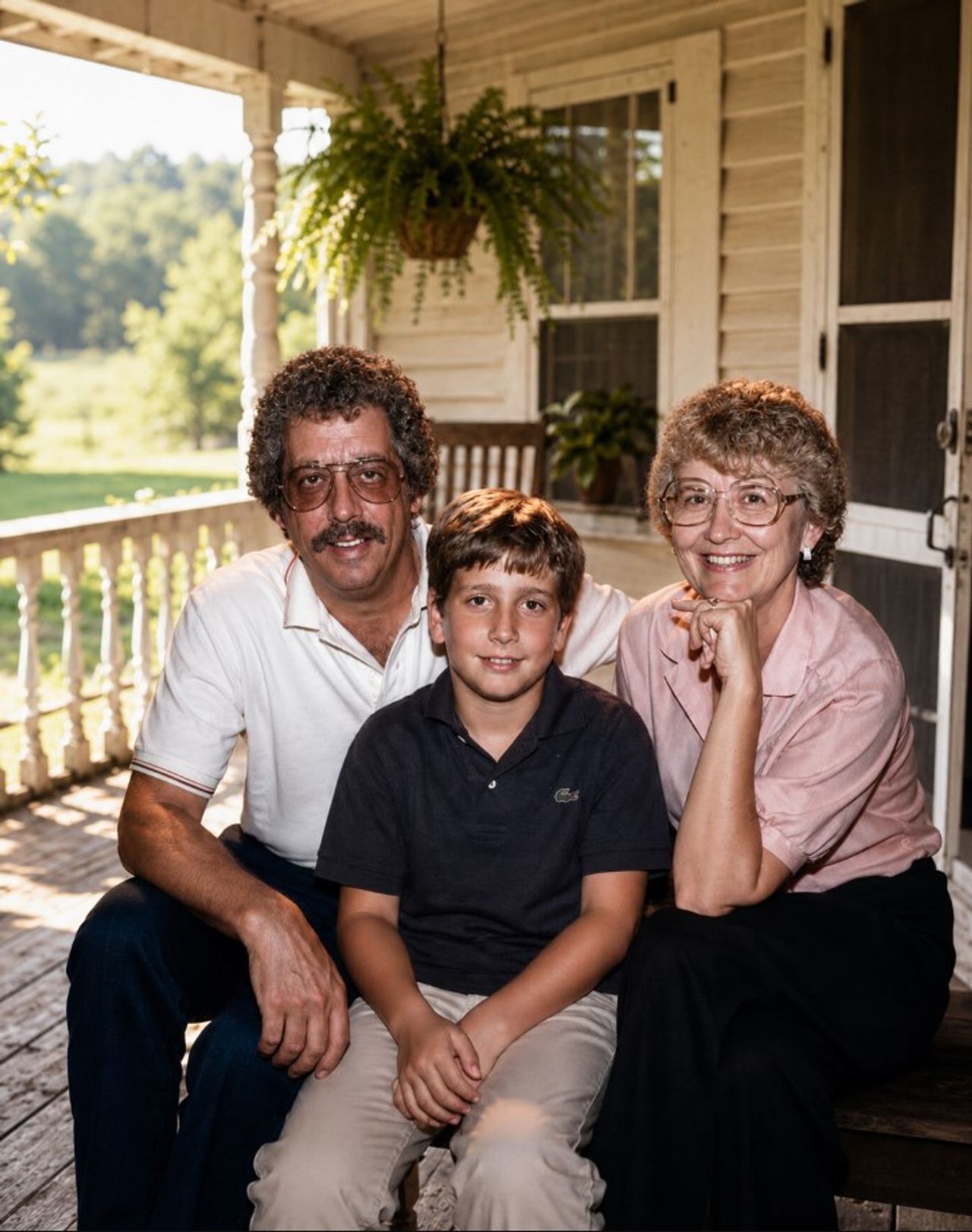
During the peak touring decades of the 1970s and 1980s, American country music was defined by relentless interstate travel, crowded honky-tonks, and high-pressure schedules. On Music Row, personal relationships frequently became casualties of public life, with marriages strained by months away from home and intense tabloid attention.
Against that chaotic backdrop, Harold made a conscious decision that went against the grain of the music business. Rather than letting the demands of fame dictate his personal life, he and Brenda established a firm boundary between the entertainment world and their home.
Their private agreement was simple but uncompromising: the stage belonged to the audience, but everything else belonged to their family. They chose to keep their roots firmly planted in their quiet hometown rather than relocating into the swirling social circles of the Nashville music scene.
Brenda often accompanied him on long bus routes across the country, providing a steadying presence through grueling travel stretches. Touring life in those decades was physically taxing, filled with consecutive one-nighters and irregular hours, but having her nearby helped keep the chaos in perspective.
Backstage before major performances, a familiar ritual grounded every appearance. Just before Harold stepped into the bright stage lights in full performance attire, Brenda would offer a quiet squeeze of his hand — a silent reminder of who he was before the curtain went up.
When touring commitments inevitably separated them on freezing winter nights across the Midwest and South, long-distance communication required deliberate effort. In an era long before mobile phones, Harold routinely walked out to roadside payphones in small towns just to hear Brenda’s voice before going to sleep.
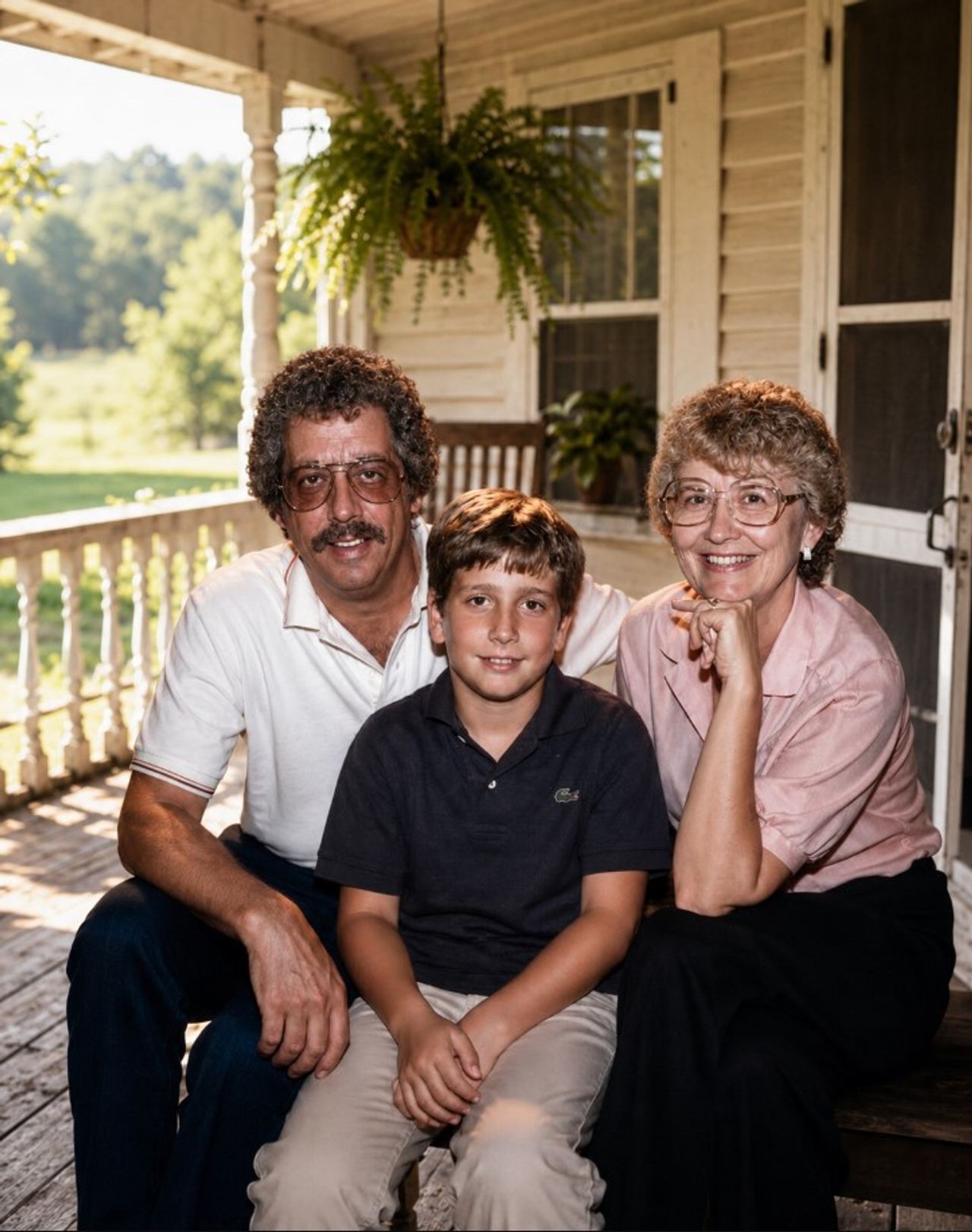
Inside his shirt pocket, carried through hundreds of cities and thousands of road miles, was a worn leather wallet. Tucked neatly into the center slot remained an old wedding photograph, kept close through every tour stop and cross-country run.
To protect their children and personal life from the turbulence of the road, the couple adhered to strict private routines. Whenever tour legs concluded, the stage outfit and cowboy hat came off immediately, and life resumed around an ordinary dinner table, free from industry talk or entourage interference.
This disciplined separation allowed Harold to navigate the intense pressures of top-charting success and nationwide tours without losing his footing. While peers struggled under the weight of constant visibility, his home remained a protected sanctuary.
Their shared journey proved that longevity in a demanding industry depends far less on public image than on private resolve. Decades of steady partnership demonstrated that an artist’s greatest endurance is built far away from the cameras, grounded in the quiet promises kept when nobody else is watching.
Video can’t be loaded because JavaScript is disabled: The Statler Brothers – Elizabeth (
Video can’t be loaded because JavaScript is disabled: The Statler Brothers – Class Of ’57 (Live In The United States / 2003) (
Read more stories
- Shania Twain sold tens of millions of records singing about enduring love, but the real test of her strength came when her life and voice fell apart at the exact same time.
- FOR 25 YEARS, THEY HOSTED ONE OF THE BIGGEST EVENTS IN COUNTRY MUSIC HISTORY—AND THE BAND REFUSED TO LET ANYONE BUY A TICKET.
- Toby Keith could have played his music inside safe command centers, but he asked to be flown to a remote Afghan valley named after a fallen Ranger.
- During the Great Depression, a mother working as a seamstress scraped together $3.50 to buy a guitar for a son whose spine was already failing him. Born with spina bifida occulta, Hank Williams lived