
News
Shelley Fabares’ Final Solo Single, “See Ya ’Round on the Rebound,” and the Quiet End of a Pop Chapter
Released by Dunhill in 1966, “See Ya ’Round on the Rebound” brought Shelley Fabares’ brief but memorable solo singles run to a low-key close, four years after “Johnny Angel” made her a chart-topping voice of early-’60s pop.

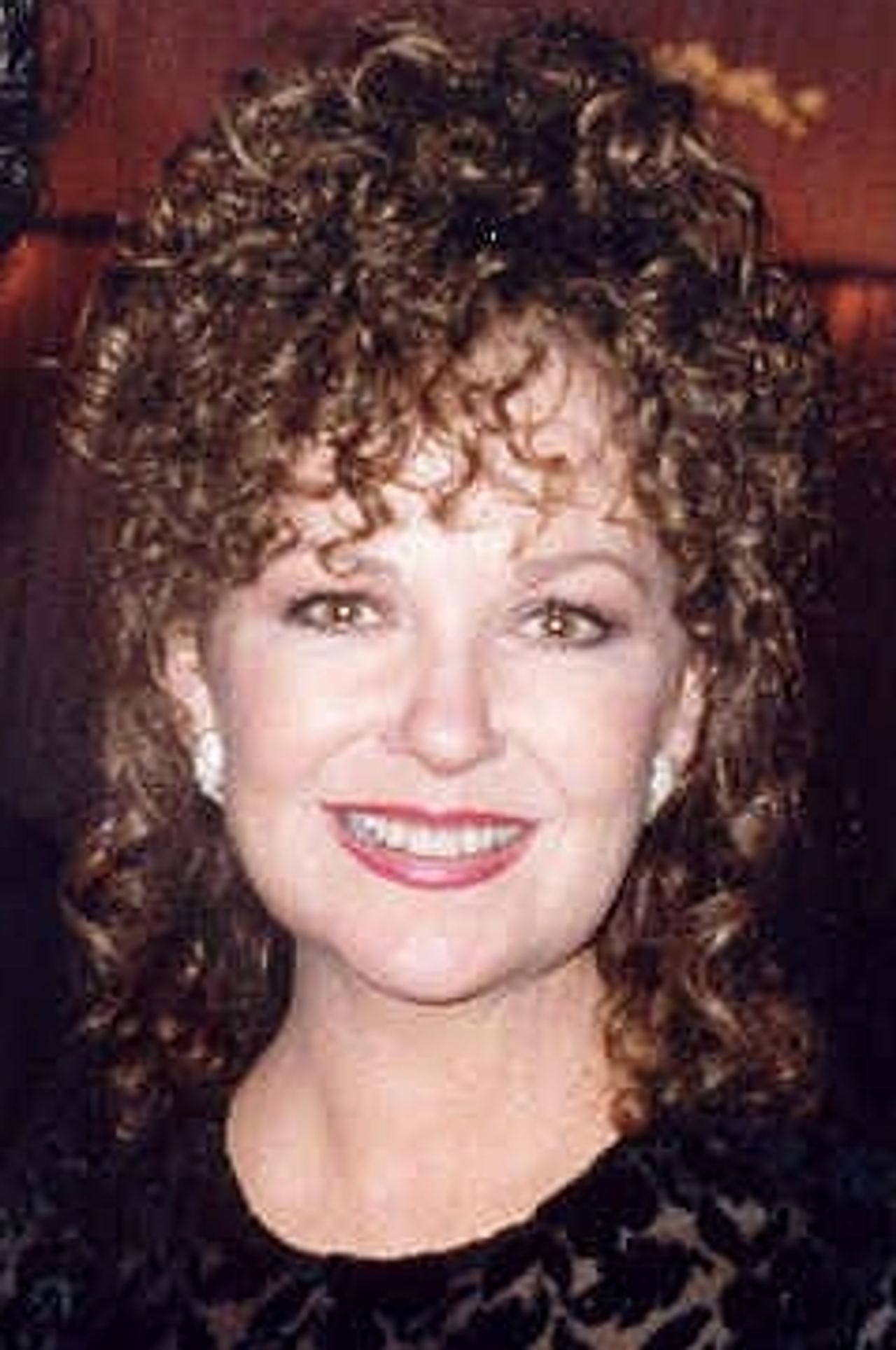
A modest farewell from a familiar star
In the long afterglow of early-1960s pop, Shelley Fabares occupied a distinct place: a television favorite who crossed into the recording world and, for a moment, became one of its most recognizable voices. By 1966, though, the teen-idol boom that had helped launch so many crossover hits had changed shape, and Fabares’ final solo single arrived without fanfare. “See Ya ’Round on the Rebound,” released by Dunhill, did not announce itself as an ending. It simply turned out to be one.
That quietness is part of what makes the record so intriguing now. Unlike the career-defining spark of “Johnny Angel,” which had carried Fabares to the top of the Hot 100 four years earlier, “See Ya ’Round on the Rebound” slipped into the market as a small, almost private coda. It was the kind of release that can vanish in real time and grow more interesting with distance, especially for listeners who care about the off-ramps of pop careers as much as the peaks.
From “Johnny Angel” to Dunhill
Fabares’ recording identity was always linked to her broader celebrity. She was already well known as an actress when “Johnny Angel” became a major hit, and that success fixed her in the public imagination as part of a very specific early-’60s moment: polished, melodic, youthful, and accessible. It was pop built for radio, record players, and fan magazines alike.
By the time Dunhill issued “See Ya ’Round on the Rebound” in 1966, the landscape surrounding artists like Fabares had shifted dramatically. Pop was getting tougher, stranger, and more self-consciously modern. British groups, folk-rock, and more assertive studio production were changing what a hit single sounded like. In that environment, Fabares’ final solo release feels less like a bid to redefine herself than a last glimpse of a style and persona that had belonged to an earlier, more innocent pocket of the decade.
It was not a comeback record or a grand reinvention. It was a closing line, delivered almost under the breath.
The single itself: “See Ya ’Round on the Rebound” backed with “Pretty Please”
The U.S. single appeared as Dunhill D 4041, with “Pretty Please” on the B side. That kind of catalog detail matters to collectors because records like this often live on through their physical traces: the label design, the company sleeve, the matrix numbers, the promotional copies that surface years later in online auctions and discography archives. For a release that arrived quietly, the object itself becomes part of the story.
Musically and commercially, the single occupies a liminal space. It belongs neither to Fabares’ breakthrough period nor to any later reinvention. Instead, it stands as a final solo statement from a performer whose recording career had always existed in dialogue with her screen image. The pairing of A-side and B-side suggests the last movement of a traditional pop single career, when labels still tested songs in twos and hoped one might catch fire with radio programmers and teenage buyers.
Why rare late singles matter
For pop historians, the most revealing records are not always the biggest ones. Late singles, final releases, and commercial near-misses can say more about an artist’s place in the industry than the obvious hits do. They show what labels thought was still possible, what kind of sound an artist was associated with, and how quickly audience tastes could move on.
“See Ya ’Round on the Rebound” has that kind of fascination. It marks the endpoint of Shelley Fabares’ solo singles story, and because it did so without major commotion, it invites a closer listen. Fans hear not just a song but a threshold: the moment when a performer known for a chart-topping hit and a bright public image stepped away from the pop-single cycle, even as her fame in entertainment continued in other forms.
An actress first, a pop star for a moment, a cultural memory for much longer
One reason Fabares remains compelling is that her music cannot be separated from her television and film presence. She was never simply a singer trying to break through on records alone; she was a familiar face whose songs arrived with the extra charge of recognition. That crossover quality helped make “Johnny Angel” memorable, and it also shaped the reception of everything that came after.
As a result, “See Ya ’Round on the Rebound” carries a slightly different emotional weight than the average obscure 1966 single. It is not just a forgotten record. It is the last solo 45 from someone whose voice had once been attached to a much larger cultural moment. For listeners revisiting the song now, the pleasure lies partly in hearing how pop careers can narrow without disappearing, and how public affection for a performer can outlast the commercial life of a single.
Listening back from the present
Today, much of the song’s afterlife depends on digital rediscovery. A single that might once have been known mainly to collectors can now circulate through YouTube uploads, fan forums, discography sites, and nostalgia blogs. That modern second life suits records like this one. They were too minor to dominate oldies radio but too connected to a well-loved name to be lost entirely.
In retrospect, “See Ya ’Round on the Rebound” feels poignant precisely because it does not insist on its own importance. It closes the solo recording chapter of an artist who had already secured her place in pop memory. Not every ending arrives with a hit, a farewell tour, or a formal announcement. Sometimes it comes as a 1966 Dunhill single, a B side called “Pretty Please,” and a last wave from a voice listeners still remembered.
Quick Facts
- Artist: Shelley Fabares
- Single: See Ya ’Round on the Rebound
- Label: Dunhill
- Year: 1966
- U.S. catalog number: Dunhill D 4041
- B side: Pretty Please
- Earlier signature hit: Johnny Angel
Image credits: Alan Light / Wikimedia Commons / CC BY 2.0; Alan Light / Wikimedia Commons / CC BY 2.0; Alan Light / Wikimedia Commons / CC BY 2.0.