Celebrities & Music
The Dark Truth Behind The Eagles and Hotel California
This article explores the dark, perfectionist creation of The Eagles’ “Hotel California,” then shifts into a series of music-history features about iconic songs and the hidden stories behind them. It highlights themes of artistry, vulnerability, tragedy, and the lasting cultural impact of classic recordings.
It started as a simple, unassuming home demo, a humble cassette tape that gave no hint of the dark, sprawling epic it would eventually become. In the mid-1970s, the California sun was setting on the idealism of the flower power era, and The Eagles were standing at the epicenter of a cultural shift. When they stepped into the studio to record what would become their signature masterpiece, Hotel California, they were not just making music; they were crafting a haunting, cinematic narrative that would forever define the decadence and disillusionment of the American dream. The process was not easy, nor was it particularly healthy, as the band entered a period of obsessive, grueling perfectionism that would eventually fracture their internal bonds.
The creation of Hotel California was an exercise in intense psychological pressure. The band members, already feeling the weight of sudden, explosive fame, turned the recording process into a meticulous dissection of sound. Don Henley and Glenn Frey, the primary architects of the track, were determined to capture a specific, eerie atmosphere that felt like a fever dream. Night after night, the studio became a sanctuary and a prison, filled with the haze of cigarettes and the tension of competing egos. The iconic, dueling guitar solos between Don Felder and Joe Walsh were not just improvised jams; they were precision-tooled sequences that had to be captured perfectly, layer upon layer, until the track felt both ethereal and suffocating.
At its core, Hotel California is a biting critique of the dark side of the California lifestyle that The Eagles were living themselves. It was a world of glitz, excess, and spiritual emptiness, often fueled by the substances that were rampant in the industry at the time. By 1976, the band was exhausted, caught between the desire for artistic immortality and the crushing reality of global stardom. The lyrics, with their cryptic references to mirrors on the ceiling and pink champagne on ice, painted a vivid, claustrophobic picture of a place you could check out of but never leave. It was a mirror held up to the music industry itself, exposing the rot underneath the glamour that defined the era.
The resonance of the song remains undiminished decades later because it captures a universal feeling of entrapment within one’s own success. The Eagles had tapped into something primal, a sense of foreboding that lingered long after the turntable stopped spinning. For those who remember the sound of a crackling vinyl record or the weight of a heavy stereo system, the opening notes of that twelve-string guitar are an immediate invitation back to a world of high-concept rock. It represents a time when an album was an event, and a song was a story that required deep, undivided attention from the listener.
Even now, the legacy of The Eagles is inseparable from the mythos of this song. Their journey from country-rock pioneers to the architects of stadium-filling decadence serves as a reminder of the high cost of creative perfection. The haunting beauty of the track remains, serving as both a monument to their musical brilliance and a cautionary tale about the perils of life in the fast lane. Do you remember where you were the first time those final, echoing guitar notes faded into silence, leaving you to ponder the shadows in the dark?
Continue reading
The Secret Architect Behind Linda Ronstadt: How Peter Asher Changed Rock
In the hazy, neon-soaked aftermath of the 1960s, the music industry was a playground of ego and excess. While the world focused on the front-page names, a quiet revolution was being orchestrated from behind the mixing board. Peter Asher, once a clean-cut British pop star who hit the charts alongside the Beatles, had largely faded from the limelight by the early 70s. But instead of vanishing into obscurity, he retreated into the shadows of the studio to perform a feat of musical alchemy that would redefine the sound of an entire decade. His greatest masterpiece? Taking a talented but drifting voice named Linda Ronstadt and sculpting her into the definitive rock queen of the era.
Before their paths crossed, Linda Ronstadt was searching for a sonic identity in a landscape dominated by the changing tides of California rock. Peter Asher saw something in her that no one else could quite capture—a raw, emotional urgency that needed the perfect production to bloom. When they met, the chemistry was immediate, yet the partnership was always defined by a stark contrast in roles. Asher became the meticulous architect, a master of arrangements who understood the nuances of the emerging singer-songwriter movement, while Linda Ronstadt became the fierce, soaring vessel for those sounds. Together, they turned the radio dial toward a new, polished, yet deeply authentic brand of rock and roll.
The studio was their sanctuary, far removed from the drug-fueled chaos of Hollywood mansions or the strobe-lit floors of Studio 54. It was in these quiet hours that Peter Asher guided Linda Ronstadt toward multi-platinum success, crafting albums that resonated with the longing and liberation of the post-Woodstock generation. He didn’t just produce her music; he curated her career, shielding her from the predatory industry sharks while pushing her to take creative risks that many other labels would have stifled. It was a symbiotic bond, a masterclass in collaboration where the producer stayed perfectly hidden, letting the singer shine under the spotlight.
This era remains one of the most romanticized chapters in American music history. It was a time when the hum of a Walkman could provide a private soundtrack to your darkest nights, and when the warmth of an analog recording felt like a confession. The records Peter Asher produced for Linda Ronstadt—from the heartbreak of Heart Like a Wheel to the lush arrangements of her later classics—still possess a clarity that feels timeless. Even decades later, when the crackle of a vinyl record starts to spin, those tracks carry the weight of a world that felt both intimate and expansive.

Today, we look back at this partnership not just for the hits, but for the story of two souls who navigated the spotlight on their own terms. Peter Asher eventually emerged from the shadows of his own reputation, but his legacy will forever be tied to the voice that defined a generation. It is a reminder that behind every legendary rock queen, there is often a secret architect, a silent craftsman who believed in the music more than the fame. As the soft echoes of their work continue to fill our living rooms, we are reminded of why we fell in love with music in the first place—for the truth found in the silence between the notes.
Elvis Presley’s “If I Can Dream” Becomes His Final Testament of Hope and Humanity in 1968 – StoryPulse
The Elvis Presley Song That Carried His Deepest Message
Released in 1968, “If I Can Dream” became one of the most meaningful recordings of Elvis Presley’s career. Written by Walter Earl Brown following the assassination of Dr. Martin Luther King Jr., the song was created as a message of hope, peace, and unity during one of America’s most turbulent years. Elvis immediately connected with its powerful lyrics, reportedly declaring that he would only sing songs he truly believed in. Performed as the emotional finale of his legendary 1968 NBC Comeback Special, the song showcased a more reflective and passionate side of the King of Rock and Roll, helping revive his career and reminding audiences of his extraordinary vocal ability.
Unlike many of Elvis’s earlier rock-and-roll hits, “If I Can Dream” combined orchestral arrangements, gospel influences, and soaring backing vocals to create an unforgettable emotional experience. His heartfelt performance, delivered in a white suit before the iconic illuminated ELVIS sign, became one of the defining moments of his career. Released as a single, the song reached No. 12 on the Billboard Hot 100 and No. 2 in the United Kingdom, earning widespread praise from both critics and fans for its sincerity and timeless message.
More than five decades later, “If I Can Dream” remains one of Elvis Presley’s most inspiring recordings. Frequently featured in documentaries, tribute concerts, and retrospective collections, it continues to symbolize hope, compassion, and resilience. More than a hit song, it stands as a lasting reminder of the man behind the legend and his enduring belief that a better world is always worth dreaming about.
Badfinger’s ‘Come and Get It’ Launches a New Era for British Rock-Pop in 1969-2 – Page 2 of 2 – StoryPulse
The Beatle Who Wrote a Hit, Recorded It Alone, and Told Another Band Exactly How to Copy It
In July 1969, Paul McCartney had a problem: he owed the producers of the film "The Magic Christian" three original songs, and time was running short. Arriving early at Abbey Road Studios one afternoon, ahead of the Beatles’ own session, he quietly used Ringo Starr’s drum kit and the empty studio to record a complete demo of a new song called "Come and Get It" entirely alone — laying down piano, drums, bass, maracas, and double-tracked vocals, start to finish, in under an hour.
He had the perfect recipient in mind: The Iveys, a struggling Welsh-English band newly signed to the Beatles’ Apple label, who Apple executives felt had so far failed to live up to expectations. McCartney offered them the song on one condition, telling them plainly it had to be recorded exactly like his demo, convinced the arrangement itself was what would make it a hit. Nine days later, he personally produced their studio version, auditioning all four band members to decide who would sing lead. Passing over Pete Ham — the band’s regular songwriter and usual frontman — McCartney instead chose bassist Tom Evans, whose voice he felt suited the track best.
The band, who’d nearly named themselves after an old Beatles in-joke ("Bad Finger Boogie," a nickname for an early version of "With a Little Help from My Friends," coined after John Lennon injured a finger and had to play piano with one hand), officially rebranded as Badfinger just before the single’s release. "Come and Get It" hit UK shops in December 1969, reaching No. 4 in Britain and No. 7 in the US, and became the opening theme for "The Magic Christian" itself, starring Peter Sellers and Ringo Starr.
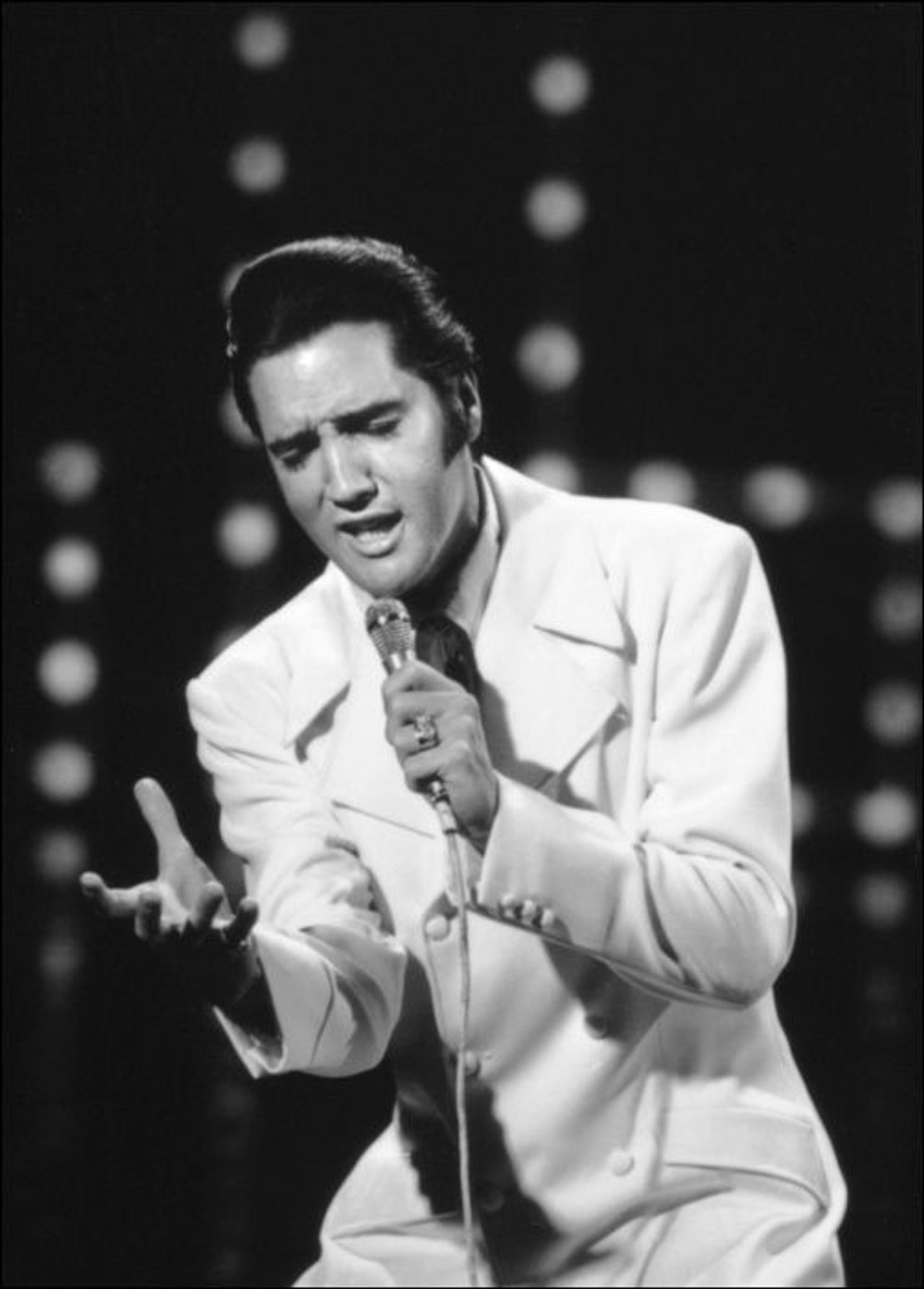
It was Badfinger’s breakthrough — proof that a note-for-note replica of someone else’s vision could still launch a career. Their sound and success helped define what would later be called power pop, influencing acts for decades afterward. The band’s story would take a far darker turn years later, entangled in punishing financial mismanagement that left members fighting for royalties they were owed; both Pete Ham and Tom Evans — the very singer McCartney had personally chosen for this breakout hit — died by suicide, in 1975 and 1983 respectively, driven in large part by that financial despair. It remains one of the more sobering footnotes in the story of a song that began as one Beatle’s solo demo, built in under an hour, and handed off exactly as written.
The Tragic Secret Behind The Drifters and Their Joyful Summer Anthem
In the golden era of 1964, a sun-drenched melody began playing on every transistor radio and jukebox across America. It was the sound of pure, unadulterated summer: The Drifters and their iconic track, Under the Boardwalk. To the millions of teenagers dancing on the sand, it was the ultimate anthem of romance and seasonal freedom. But behind the shimmering strings and the effortless harmonies lay a chilling reality that would have shattered the hearts of their fans had they known the truth. The story of The Drifters is not just one of musical triumph, but a haunting narrative of profound loss and the brutal, mechanical demands of the music industry in the mid-sixties.
Only hours before the band was scheduled to step into the recording studio to immortalize this masterpiece, the news broke like a thunderclap. Rudy Lewis, the soulful lead singer who had been the backbone of the group, was found dead. He was only twenty-seven years old. The circumstances surrounding his sudden departure left the remaining members of The Drifters in a state of absolute shock and grief. They were paralyzed by the trauma, mourning a brother and a friend, yet they were caught in the unforgiving machinery of a record label that cared far more for release dates than the sanctity of human life.
With the studio already booked and the clock ticking, the grieving band members were forced to make a gut-wrenching decision. Under intense pressure, they returned to the studio the very next morning. The result was one of the most jarring juxtapositions in music history. These men, struggling to process a devastating tragedy, had to stand before microphones and pour every ounce of their talent into a track that epitomized the carefree spirit of summer. When you listen to Under the Boardwalk today, try to hear past the polished production. There is a weight in those vocal harmonies, a lingering tension that reflects the true, hidden cost of their fame.
This era of music was defined by the transition from the innocence of the fifties to the more complex, often darker realities of the late sixties. The Drifters had navigated countless lineup changes before, but the loss of Rudy Lewis remains their most painful chapter. It highlights the dark side of the spotlight during an age where musicians were often treated as disposable commodities rather than human beings. The contrast between the breezy, lighthearted lyrics and the mourning hearts of the performers remains a testament to the sheer professionalism and endurance required of artists in that period.
Today, we look back at the legacy of The Drifters with a mix of awe and melancholy. Their songs are the soundtrack to our collective nostalgia, echoing from the drive-ins and boardwalks of a vanished America. By understanding the shadow that hung over their greatest hit, we appreciate the music on a deeper, more human level. Next time you hear those opening notes, remember the men who stood in the darkness so that we could enjoy the light of their song.
The Kinks’ ‘Sunny Afternoon’ Captures 1966’s Class Tensions and Transforms Pop with Bittersweet Irony – Page 2 of 2 – StoryPulse
Home
Blog
The Kinks’ ‘Sunny Afternoon’ Captures 1966’s Class Tensions and Transforms Pop with Bittersweet Irony

Kris Kristofferson’s “Help Me Make It Through the Night” Redefines Vulnerability in Country Music 1970
In 1970, Kris Kristofferson released “Help Me Make It Through the Night,” a song that would come to define not just his career but the emotional core of modern country music.
Though it was Sammi Smith’s 1971 cover that took the song to No. 1 on the country charts and crossed over to the Billboard Hot 100 Top 10, it was Kristofferson’s raw, poetic writing that broke the mold.
With lyrics that dared to confront loneliness and longing in a deeply personal way, the track ushered in a new kind of intimacy in songwriting.
Kristofferson, a former Rhodes Scholar and Army helicopter pilot, had taken a dramatic leap in the late 1960s by abandoning a secure military career to pursue songwriting in Nashville.
At the time, the industry favored polished compositions and traditional storytelling, but Kristofferson’s poetic realism and lived experience gave his songs a sense of gravity.
His gravelly voice and weary delivery added weight to his lyrical honesty, setting him apart in a city full of smooth-voiced crooners.
The inspiration for “Help Me Make It Through the Night” came from a casual remark made by country legend Frank Sinatra.
Sinatra was once quoted as saying he embraced life’s indulgences because he didn’t want to face the night alone.
Kristofferson, struck by the loneliness embedded in that sentiment, wrote a song that confronted the need for human connection—without pretense or apology.
The result was a confessional plea that challenged the era’s conservative values with quiet defiance.
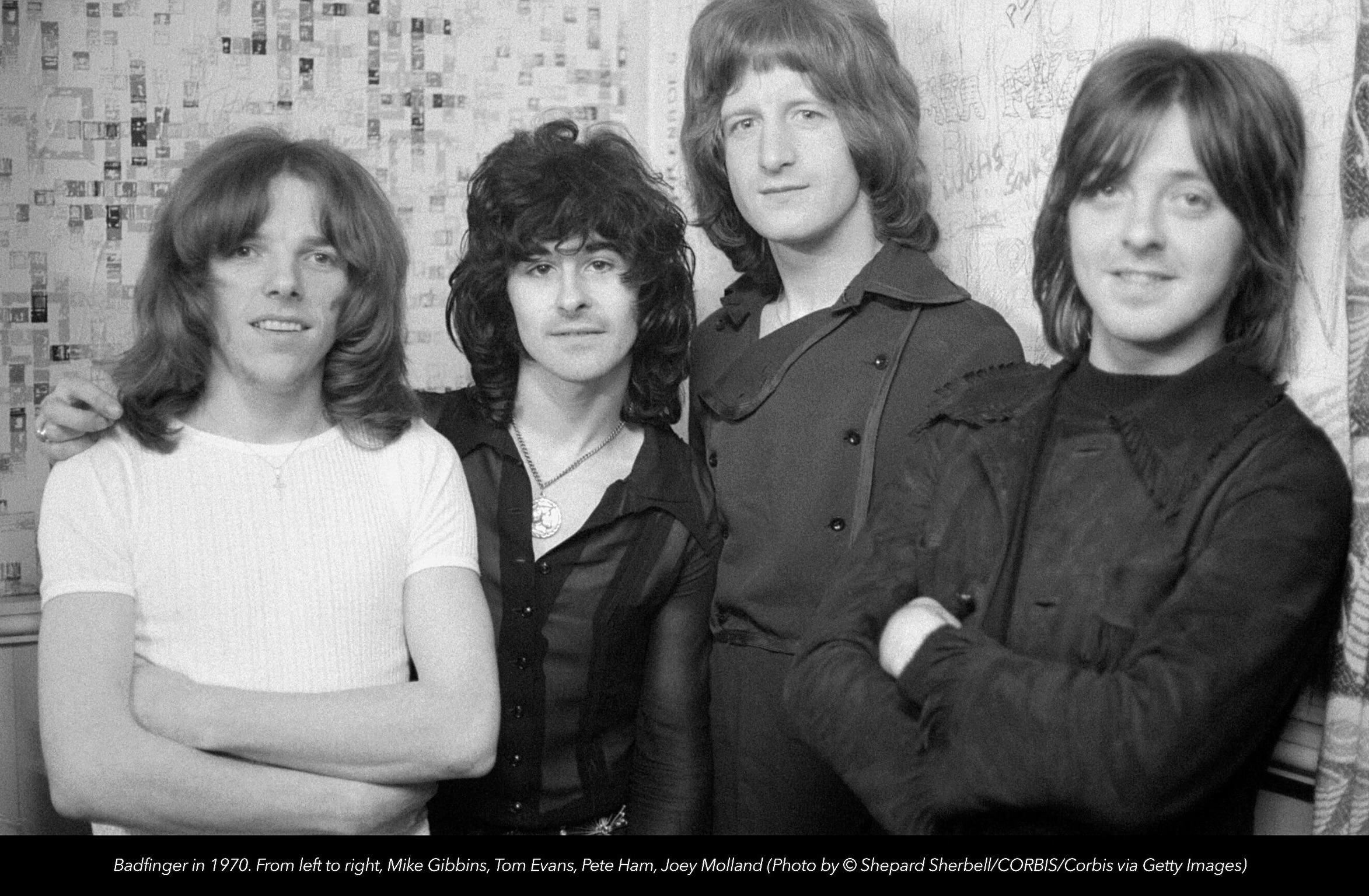
The original recording, which appeared on Kristofferson’s debut album Kristofferson in 1970, featured sparse instrumentation and an understated vocal.
The production—guided by Fred Foster at Monument Records—allowed the lyrics to take center stage.
Kristofferson’s hushed, almost spoken delivery was a stark departure from the bravado typical of male country singers of the day, making the song’s emotional honesty even more pronounced.
When Sammi Smith recorded the song later that year, her soulful interpretation and richer vocal tones brought Kristofferson’s lyrics to life in a way that resonated with mainstream audiences.
Her version stayed on the country charts for 20 weeks and won the 1972 Grammy Award for Best Female Country Vocal Performance.
It also reached No. 8 on the Billboard Hot 100, making it one of the first modern country songs to cross over into pop success.
The song’s candid take on intimacy and vulnerability marked a turning point in country music.
It challenged traditional gender roles and expectations, especially for male songwriters and performers.
Instead of stoic resolve or macho declarations, here was a man openly asking for comfort—and doing so without shame.
It wasn’t just provocative; it was revolutionary.
Following the song’s rise to fame, Kristofferson’s career experienced a meteoric ascent.

He became a sought-after songwriter, with artists like Janis Joplin (“Me and Bobby McGee”) and Johnny Cash (“Sunday Mornin’ Comin’ Down”) embracing his deeply human storytelling.
“Help Me Make It Through the Night” gave him not only a signature hit but also a platform from which to challenge the narrative boundaries of the genre.
The song’s impact extended far beyond Kristofferson’s own career.
It inspired a wave of country music that embraced lyrical vulnerability and blurred the lines between country, folk, and pop.
Artists like Willie Nelson, Emmylou Harris, and even Waylon Jennings would follow the trail Kristofferson blazed, embracing personal reflection and poetic realism in their work.
Dozens of artists have since covered “Help Me Make It Through the Night,” including Elvis Presley, Joan Baez, Willie Nelson, and Gladys Knight.
Each rendition brings a different tone—whether it’s Elvis’s brooding sensuality or Baez’s fragile yearning—but all retain the emotional weight that made the song timeless.
These covers speak to the universality of the song’s themes: loneliness, desire, and the search for solace.
Around the time of the song’s release, Kristofferson was transitioning into film work, landing acting roles that mirrored his rugged, introspective image.
His multifaceted career—as actor, singer, and songwriter—reflected the depth and complexity he brought to “Help Me Make It Through the Night.”
The song wasn’t just a hit; it was a snapshot of a man and a moment, caught in quiet desperation.

Over the decades, “Help Me Make It Through the Night” has remained a staple on radio playlists and in country music retrospectives.
Its lyrics, once considered controversial for their openness, are now regarded as some of the most poignant in American songwriting.
The song has been inducted into the Grammy Hall of Fame, a testament to its lasting influence.
Its legacy also lies in how it reshaped the songwriting landscape.
Kristofferson made it acceptable—even admirable—for men in country music to be emotionally transparent.
His influence paved the way for generations of artists to explore themes of fragility, need, and emotional honesty without sacrificing masculinity.
Later in his career, Kristofferson would receive numerous accolades, including induction into the Country Music Hall of Fame and a Grammy Lifetime Achievement Award.
“Help Me Make It Through the Night” is consistently cited as one of his most important and enduring works—both artistically and culturally.
In reflecting on why the song endures, it’s clear that its power lies in its simplicity and sincerity.
It doesn’t hide behind metaphor or grand gestures; it just asks for someone to stay, if only for a night.
In doing so, it speaks to something universal in all of us—the quiet moments when strength gives way to need.

Share
X
Telegram
Other posts
Jul 31, 2026
The Marvin Gaye Hit That Berry Gordy Tried to Kill

Jun 22, 2026
Released in 1979, this gentle ballad became more than a love song. For millions, it became…
May 27, 2026
John Denver and Cass Elliot live duet on Leaving on a Jet Plane (1972)
Jun 06, 2026
Released in 1975, it sounded almost like a confession nobody was supposed to hear. Decades…
Jul 06, 2026
Bee Gees’ ‘How Deep Is Your Love’ Breaks Pop Barriers in 1977 with Unmatched Soul and Eleg…
Jul 03, 2026
Steve Perry’s vocals are out of this world on Journey’s “Don’t Stop Believin’” live in 198…
Jun 30, 2026
Jim Reeves “He’ll Have to Go” and Country Music’s Reach
Jul 06, 2026
K.T. Oslin’s Do Ya and 1980s Country Music
↑
Read more stories
- FOR FIVE DECADES WILLIE NELSON HAS OPENED HIS SHOWS WITH A SONG WRITTEN BY HIS OLD DRUMMER — A MAN NASHVILLE REFUSED TO RECORD.
- When I arrived at our lake house for the Fourth of July, my daughter-in-law stopped
- I Came Home Early and Found My Wife and Newborn Abandoned—But the Security Footage Revealed Who Had Really Been Paying for My Family’s Life
- My Mother-in-Law Threw Scalding Oil Over Me Because Dinner Wasn’t Ready When Her Son Walked Through the Door.