Celebrities & Music
Released in 1975, it sounded almost like a confession nobody was supposed to hear. Decades later, its quiet heartbreak still lingers long after the music fades.
This article reflects on 10cc’s 1975 song “I’m Not In Love,” exploring how its soft, layered production and repeated denials create a timeless portrait of vulnerability and emotional resistance. It argues that the song’s power comes from the contradiction between what the narrator says and what the heart ultimately reveals.
There are love songs that shout their feelings from the rooftops, and then there are songs that spend four minutes trying desperately to hide them.
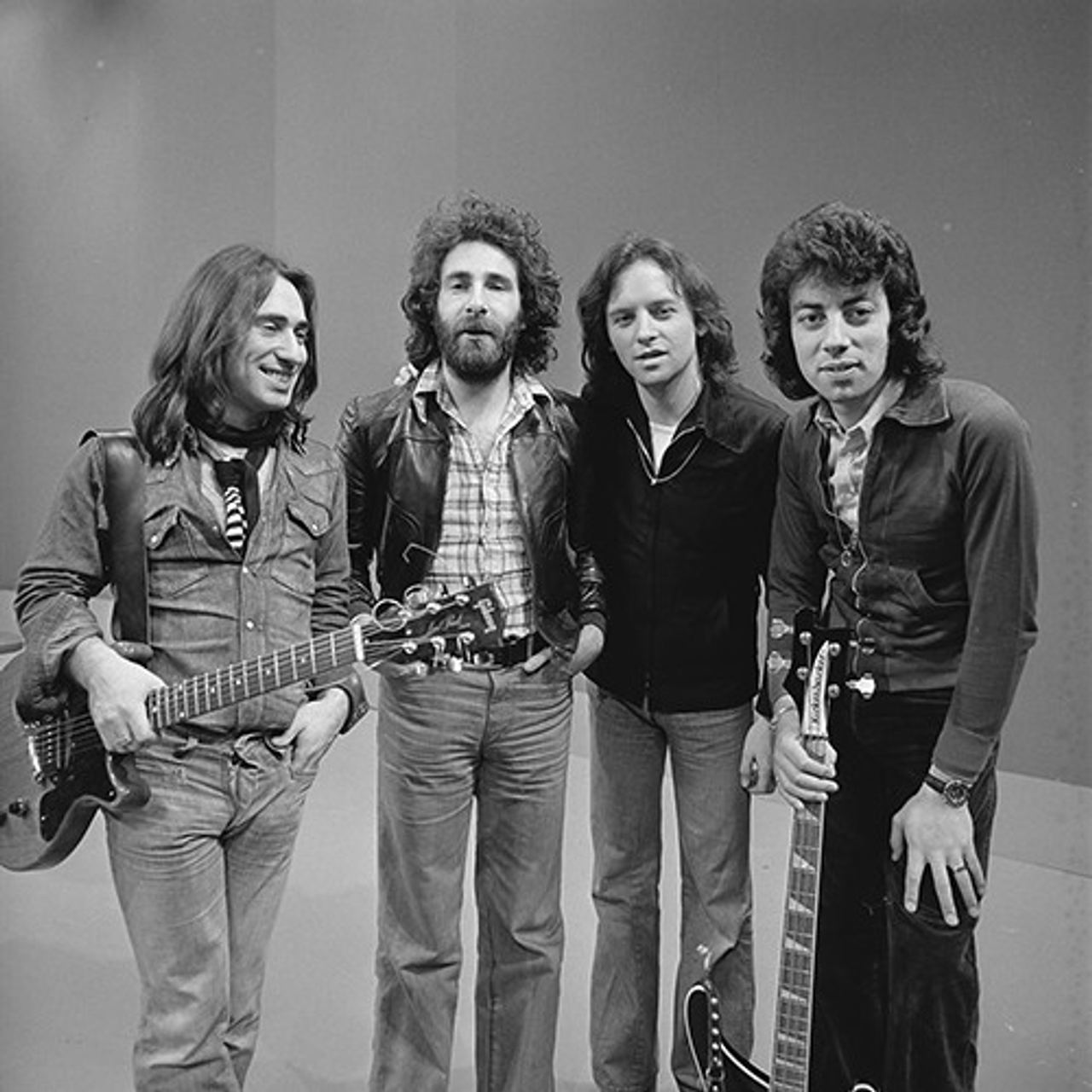
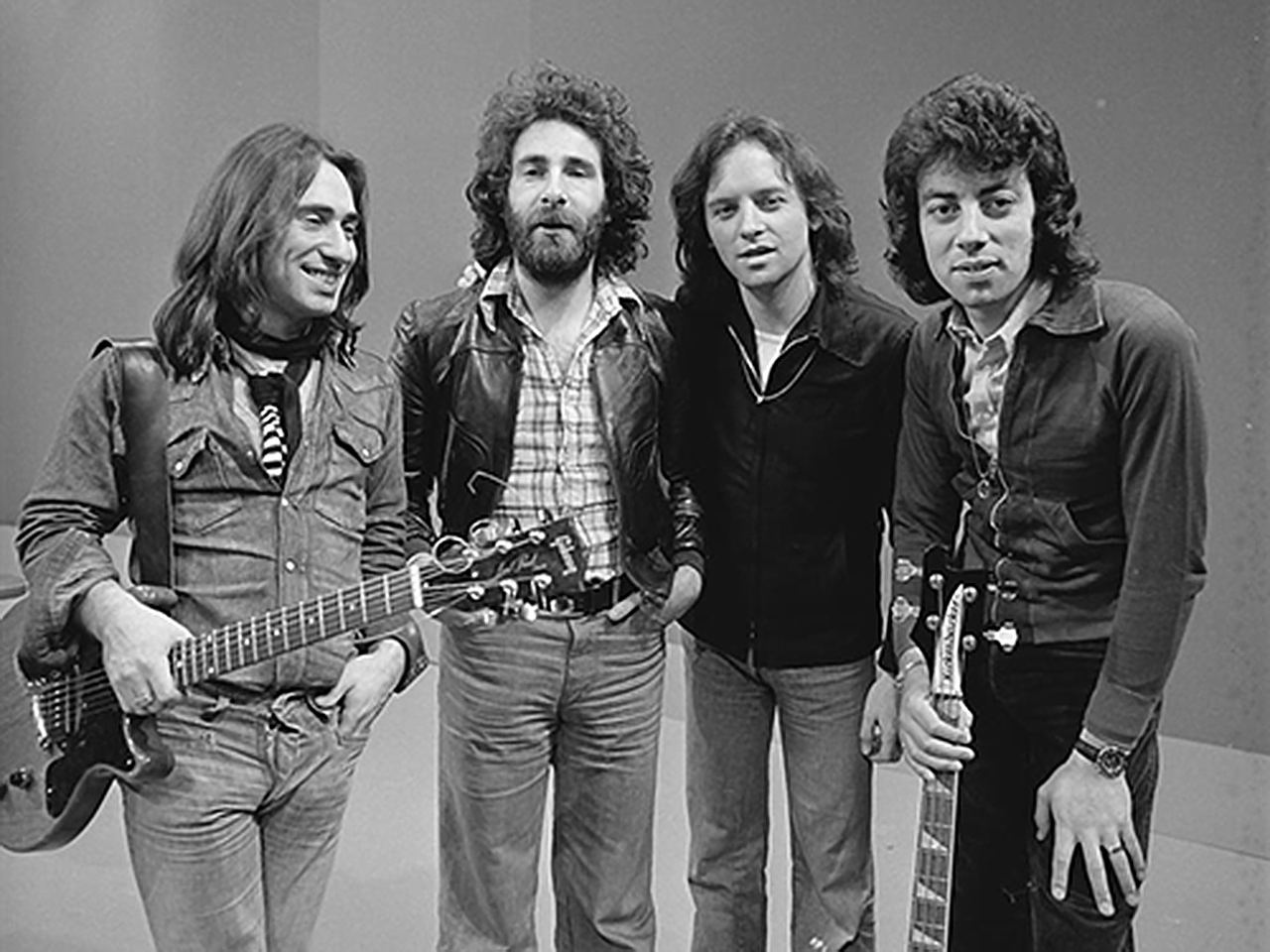
Released in 1975, “I’m Not In Love” by 10cc sounded unlike anything else on the radio at the time, floating through the air like a dream that refused to explain itself.
The first notes arrive almost like a whisper from another world, surrounded by layers of voices so soft and mysterious that listeners often feel suspended between reality and memory.
At first glance, the lyrics seem simple enough, telling the story of a man who repeatedly insists that he is not in love despite all evidence pointing in exactly the opposite direction.
Yet the more he denies it, the more obvious the truth becomes, and that contradiction is what gives the song its lasting emotional power.
Many love songs are built on confession, but this one is built on resistance, capturing the strange moment when the heart knows something that the mind refuses to admit.
The narrator tries to sound calm, detached, and completely in control, but every sentence reveals cracks in the emotional wall he has constructed around himself.
He keeps explaining away his feelings with awkward excuses, pretending that photographs, memories, and thoughts of a certain person mean absolutely nothing.
But anyone who has ever fallen deeply in love recognizes the performance immediately because it is the oldest act in the world.
Sometimes the strongest emotions are hidden behind the loudest denials.
That universal truth helped transform “I’m Not In Love” into one of the most unforgettable recordings of the 1970s.
The song arrived during an era overflowing with energetic rock anthems, ambitious progressive music, and powerful singer-songwriters competing for attention.
Yet somehow this quiet, almost weightless recording managed to stop listeners in their tracks.
Its atmosphere felt intimate and enormous at the same time, as if someone had opened a diary inside a cathedral.
Part of the song’s magic came from the extraordinary production that sounded decades ahead of its time.
Rather than relying on traditional instruments for many of its textures, the band built enormous vocal layers that drift through the recording like clouds.

The result was a sound both human and supernatural, warm yet distant, familiar yet impossible to fully understand.
Even today, decades later, the recording still feels startlingly modern.
Many listeners discover it for the first time and assume it belongs to a much later era because of its cinematic quality and emotional sophistication.
Yet technology alone cannot explain why the song continues to resonate across generations.
Its real secret lies inside the vulnerability hidden beneath the narrator’s stubborn words.
The character at the center of the song is not confident or heroic.
He is frightened.
Frightened of being exposed.
Frightened of needing someone.
Frightened of surrendering the illusion of emotional independence that so many people spend years trying to maintain.
That fear makes the song feel intensely personal because almost everyone understands the risk that comes with genuine affection.
To love someone is to place a part of yourself in their hands.
To admit that love is to accept the possibility of heartbreak.
The narrator knows this instinctively, which is why he keeps repeating the title like a protective shield against the truth.
But with every repetition, the shield grows weaker.
What begins as denial slowly transforms into confession.

Not through dramatic declarations or grand romantic gestures, but through tiny emotional fractures that become impossible to hide.
The brilliance of the song is that listeners are allowed to witness that transformation in real time.
By the final moments, the words themselves almost become irrelevant because the emotion underneath them has already spoken.
The song says one thing while the heart says another.
And the heart wins.
Perhaps that is why “I’m Not In Love” continues to feel timeless.
Its story is not tied to a particular decade, fashion trend, or generation.
It speaks to an emotional experience that remains unchanged whether someone first heard it on vinyl in 1975 or through headphones in 2025.
Every generation discovers people who struggle to express what they truly feel.
Every generation experiences relationships filled with hesitation, uncertainty, and unspoken longing.
Every generation learns that denying love rarely makes it disappear.
For many listeners, hearing “I’m Not In Love” today feels like opening a forgotten box of memories hidden away for years.
The song drifts through the room like a faded photograph, carrying fragments of old conversations, missed opportunities, and faces that once meant everything.
Its beauty lies not in dramatic heartbreak but in emotional honesty disguised as emotional resistance.
The narrator spends the entire song trying to escape his feelings.
May you like
The Secret Architect Behind Linda Ronstadt: How Peter Asher Changed Rock
In the hazy, neon-soaked aftermath of the 1960s, the music industry was a playground of ego and excess. While the world focused on…
Elvis Presley’s “If I Can Dream” Becomes His Final Testament of Hope and…
The Elvis Presley Song That Carried His Deepest MessageReleased in 1968, “If I Can Dream” became one of the most meaningful record…
Badfinger’s ‘Come and Get It’ Launches a New Era for British Rock-Pop in…
The Beatle Who Wrote a Hit, Recorded It Alone, and Told Another Band Exactly How to Copy ItIn July 1969, Paul McCartney had a prob…
Yet in doing so, he reveals them more completely than he ever intended.
That paradox remains as moving now as it was half a century ago.
Read more stories
- A Time to Face the Music
- svu My sister laughed when she saw me standing in my military dress blues on my wedding day. She called me embarrassing, masculine, and pathetic for refusing to wear the white designer gown my mother bought to “fix” me.
- I was days away from my due date when I caught my husband dismantling our
- Ble:ed:ing and terrified, a wife signs the emergency C-section papers to save her. Bleeding and terrified, a wife signs the emergency C-section consent to save her unborn triplets while her heartless husband switches off his phone to cut a cake with his first love. When he finally returns to the hospital, he stops cold as a nurse tells him, “She left four days ago. Isn’t she home?”