Celebrities & Music
Kris Kristofferson’s “Help Me Make It Through the Night” Redefines Vulnerability in Country Music 1970 – Page 2 of 2 – StoryPulse
The article explains how Kris Kristofferson’s “Help Me Make It Through the Night” helped redefine vulnerability in country music and then continues into a series of related music-history entries, including the Bee Gees, Journey, and Jim Reeves. It emphasizes how emotionally direct songwriting and crossover appeal reshaped country and pop music.
The success of the song reshaped not only Kristofferson’s career but the direction of country music itself. When Sammi Smith’s version crossed into the pop charts, it proved that deeply personal storytelling could resonate with a wider audience. The track’s stripped-down production allowed every word to breathe, making the emotion feel immediate and unfiltered.
Its influence spread quickly. Artists like Willie Nelson and Johnny Cash embraced similar themes of introspection, helping define a more poetic, honest era of songwriting. The song also opened doors for conversations around vulnerability, intimacy, and emotional need—topics once considered too delicate for mainstream country.
Over time, “Help Me Make It Through the Night” became a standard, covered by legends across genres. Yet its core never changed. It remains a quiet, powerful reminder that even in moments of strength, people still long for connection. And sometimes, the simplest request—to not be alone—can become the most timeless message of all.
[EMBED:
[EMBED:
Pages: 1 2
Bee Gees’ ‘How Deep Is Your Love’ Breaks Pop Barriers in 1977 with Unmatched Soul and Elegance – Page 2 of 2 – StoryPulse
Chapter 1: The Ballad That Showed the Bee Gees’ Softer Side
Released in September 1977, “How Deep Is Your Love” became one of the Bee Gees’ most enduring masterpieces. Written for the blockbuster Saturday Night Fever soundtrack, the song revealed a gentler side of Barry, Robin, and Maurice Gibb, blending pop, soul, and soft rock into a heartfelt ballad that captivated audiences worldwide. Recorded at Criteria Studios in Miami, its warm electric piano, lush strings, and Barry Gibb’s signature falsetto created an intimate atmosphere unlike anything dominating the disco era. The single spent three weeks at No. 1 on the Billboard Hot 100, remained on the chart for an incredible 17 weeks, and earned the 1978 Grammy Award for Best Pop Performance by a Duo or Group with Vocals. Its success proved the Bee Gees could move listeners just as powerfully with tenderness as they could with dance-floor anthems.
Chapter 2: Watch the Video Here →
[EMBED: [EMBED:
Pages: 1 2
Steve Perry’s vocals are out of this world on Journey’s “Don’t Stop Believin’” live in 1981 – Page 2 of 2 – StoryPulse
[EMBED:
[EMBED:
Pages: 1 2
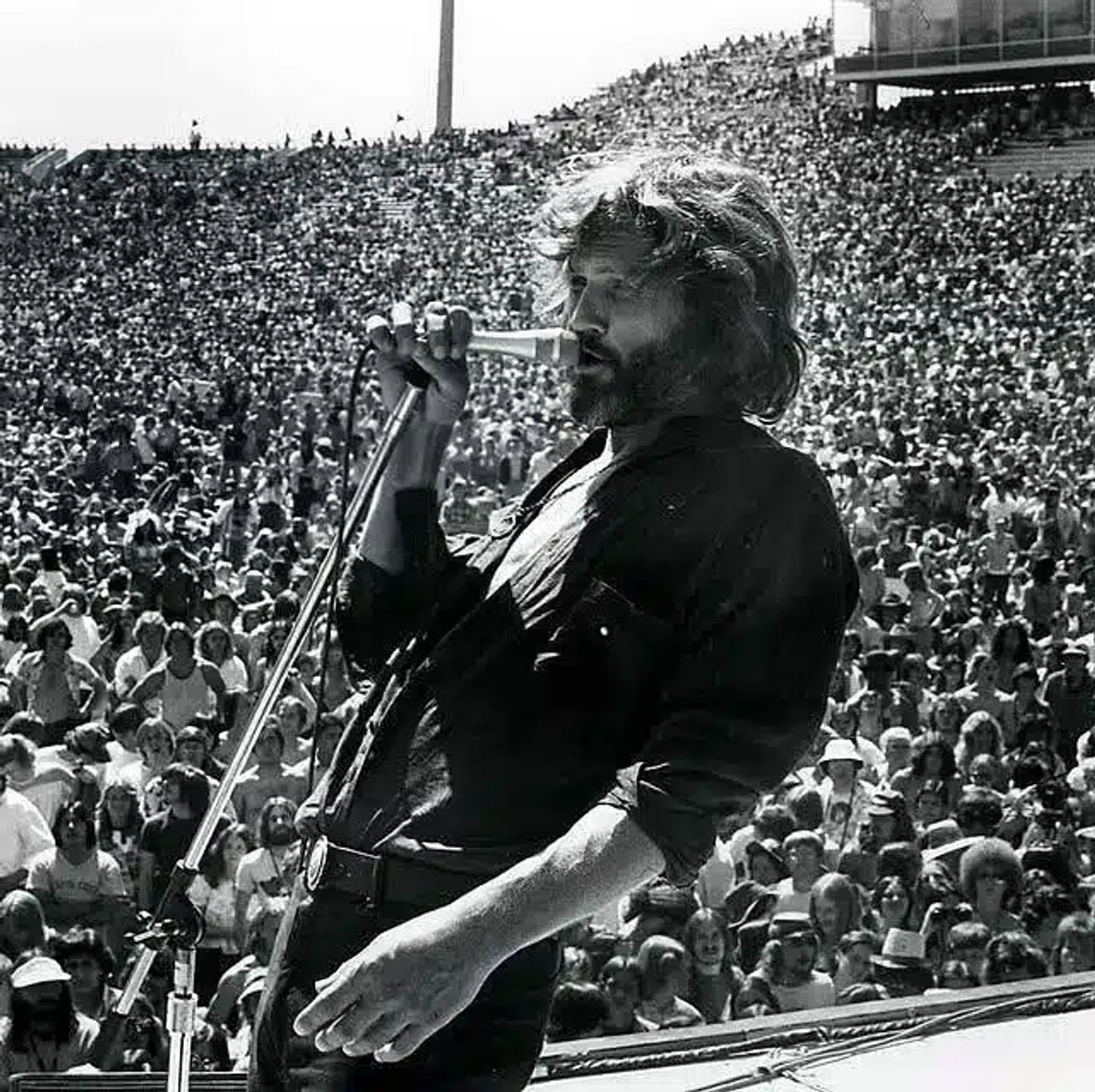
Jim Reeves “He’ll Have to Go” and Country Music’s Reach
Released in 1960, “He’ll Have to Go” became a defining track not just for Jim Reeves, but for the entire country music genre.
With his velvet-smooth vocals and the song’s graceful orchestration, Reeves crafted a piece that effortlessly bridged the gap between country and pop.
It wasn’t merely a hit—it reshaped perceptions, demonstrating that country music could carry emotional depth while appealing to listeners far beyond its traditional base.
Before this breakthrough, Jim Reeves had already cultivated a strong following in the country world.
Born in Texas in 1923, Reeves initially worked as a radio announcer before committing fully to music.
Known affectionately as “Gentleman Jim,” his charm, polished voice, and refined stage presence set him apart from the rugged aesthetic of early country stars, granting him widespread admiration and opening doors that many of his peers couldn’t enter.
The origin of “He’ll Have to Go” is rooted in an overheard phone call, where a man pleaded for his lover’s attention while competing with someone else in the room.
Joe Allison and Audrey Allison turned that striking moment into lyrical gold, weaving a narrative of emotional vulnerability.
The song’s opener—“Put your sweet lips a little closer to the phone”—became instantly iconic, pulling listeners straight into the heart of a love triangle filled with longing and quiet desperation.
Under the guidance of legendary producer Chet Atkins, Reeves delivered a performance that was intimate and deeply moving.
The sparse arrangement—delicate guitar plucks, restrained orchestration, and ghostly harmonies—left space for his rich baritone to shine.
Reeves, James Travis
There’s a palpable sense of distance and closeness all at once in the track, as if the listener is eavesdropping on a confession too personal to ignore.
When it hit the airwaves, the response was immediate and overwhelming.
“He’ll Have to Go” dominated the Billboard Country Chart for 14 straight weeks and made a powerful impact on the Pop Chart, peaking at number two.
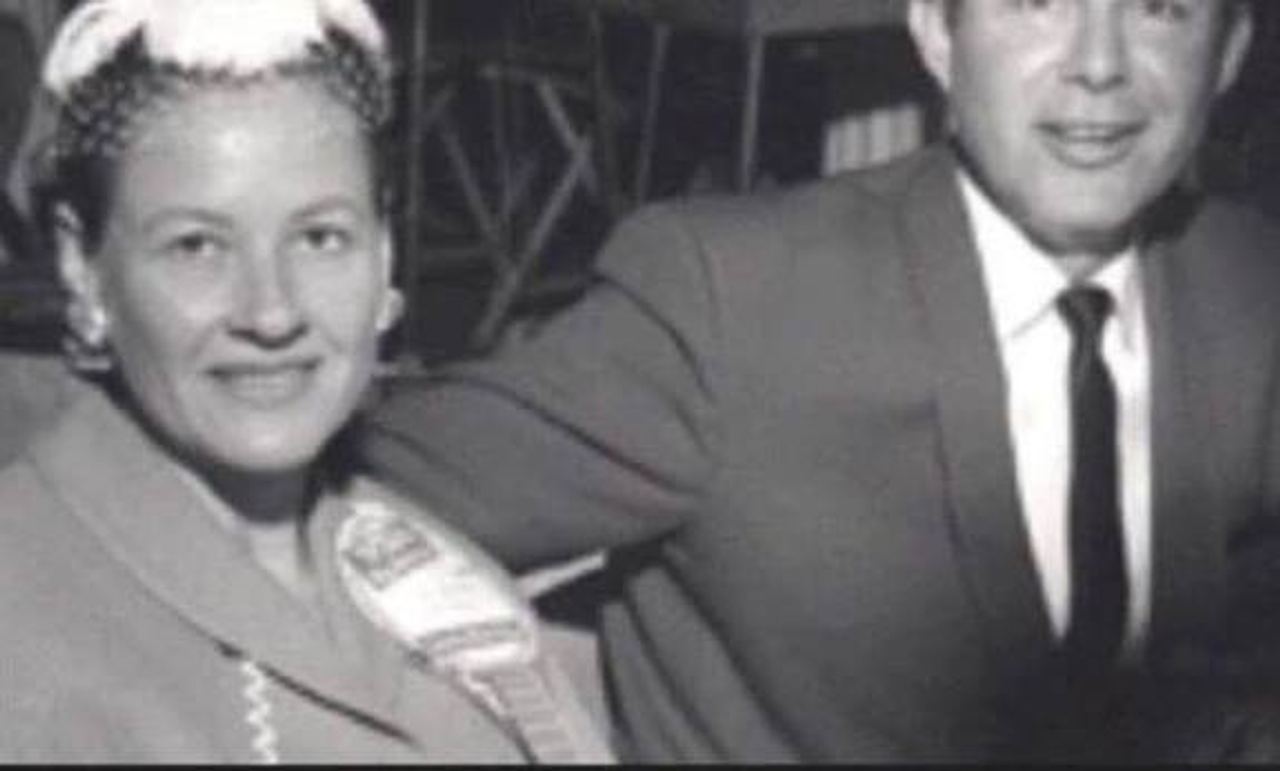
For a country single in that era to achieve such crossover success was remarkable, signaling a seismic shift.
Reeves was no longer just a country star—he was a mainstream force with universal resonance.
The emotional resonance of the song extended far beyond its commercial success.
Audiences connected with its theme of unspoken heartache, and Reeves’ restrained vocal delivery lent the lyrics even more weight.
There was a sincerity in his voice that felt both personal and universal, allowing listeners to project their own stories onto the song’s narrative.
For many, it wasn’t just music—it was a mirror for their own experiences of love and loss.
Following the song’s success, Reeves found his international profile skyrocketing.
No longer confined to American stages, he took his music to fans across Europe, Africa, and Asia.
Jim Reeves – Singer, Songwriter
His polished image, carefully tailored suits, and sophisticated performances earned him a reputation as country music’s global diplomat.
The success of “He’ll Have to Go” had transformed him from a domestic favorite into a worldwide symbol of elegant heartbreak.
The track also served as a catalyst for what would become known as the Nashville Sound.
This subgenre aimed to make country music more appealing to pop audiences through smoother arrangements and refined production.
Alongside Chet Atkins, Reeves was one of the genre’s architects.
Their collaborative work on “He’ll Have to Go” showcased how rich storytelling and musical subtlety could capture mass appeal without sacrificing artistic integrity.
Many artists have since paid tribute to the enduring magic of “He’ll Have to Go.”
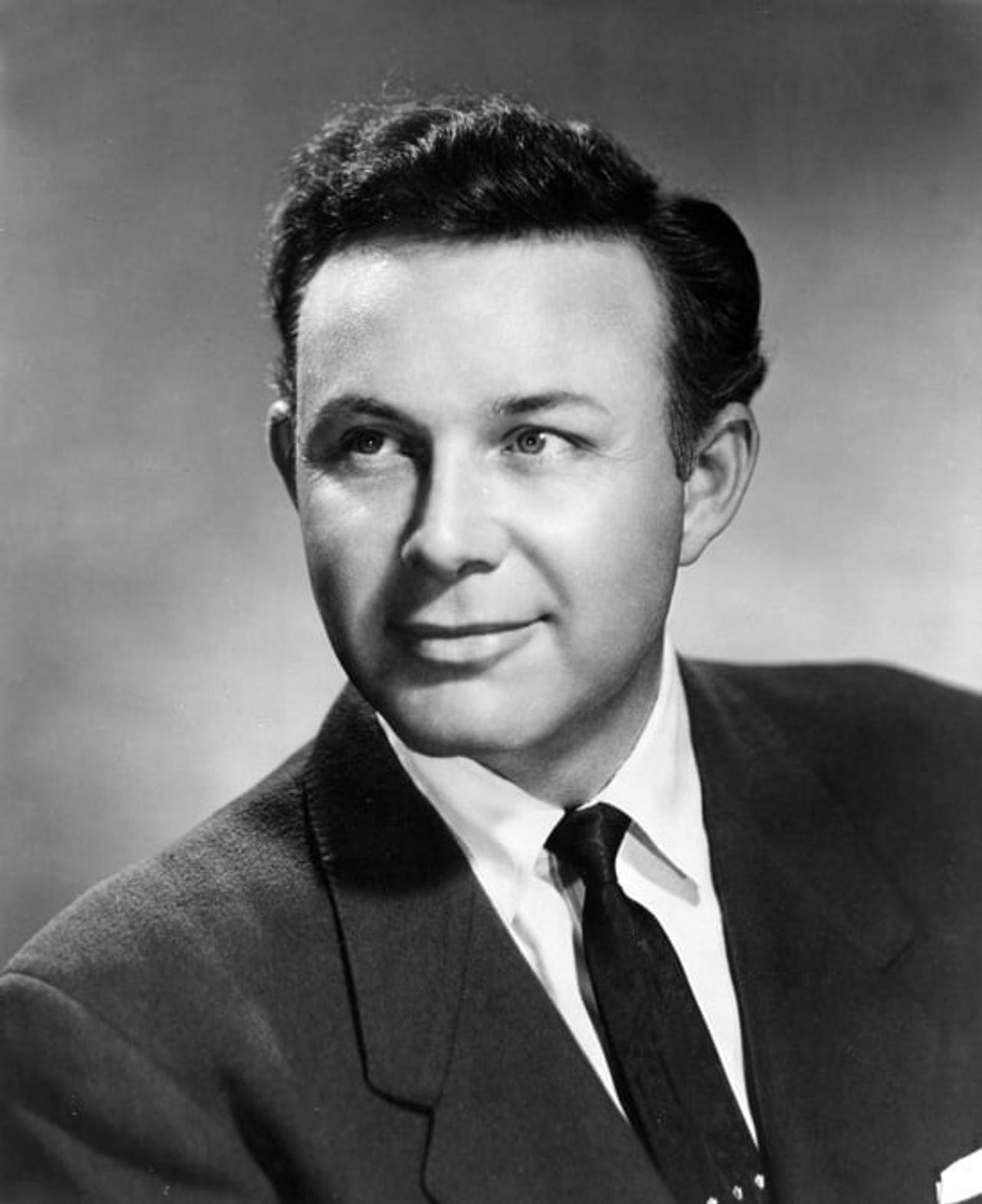
Elvis Presley, Ry Cooder, and even international performers have reinterpreted the track in their own styles.
Each version brings something new, yet none quite capture the original’s haunting elegance.
Reeves’ rendition remains the benchmark—a delicate balance of sorrow and sophistication that continues to inspire generations of vocalists.
Sadly, Reeves’ brilliant career was tragically cut short when he died in a plane crash in 1964.
Jim Reeves – Topic – YouTube
At only 40 years old, his passing stunned fans around the world.
Yet “He’ll Have to Go” ensured that his voice lived on, its airplay enduring long after his death.
Posthumously inducted into the Country Music Hall of Fame, Reeves’ contributions were formally recognized, but his impact had already become immortal through his music.
By pushing boundaries and blending styles, Reeves helped lay the groundwork for modern country-pop fusion.
Today’s stars like Keith Urban and Kacey Musgraves owe part of their artistic freedom to the path that Reeves helped carve.
His ability to remain true to country’s emotional core while embracing polished production proved that evolution doesn’t require compromise—it requires vision, and Reeves had it in spades.
“He’ll Have to Go” didn’t just reshape one man’s career; it helped reframe country music’s identity.
At a time when genres were firmly divided, the song bridged a gap between audiences, drawing in those who might never have otherwise turned their ears to a country record.
It proved that great music transcends categories when it’s built on truth, feeling, and exceptional craft.
More than six decades after its release, “He’ll Have to Go” remains a staple on playlists and radio stations.
Whether heard in a classic jukebox or streaming through modern platforms, its effect hasn’t waned.
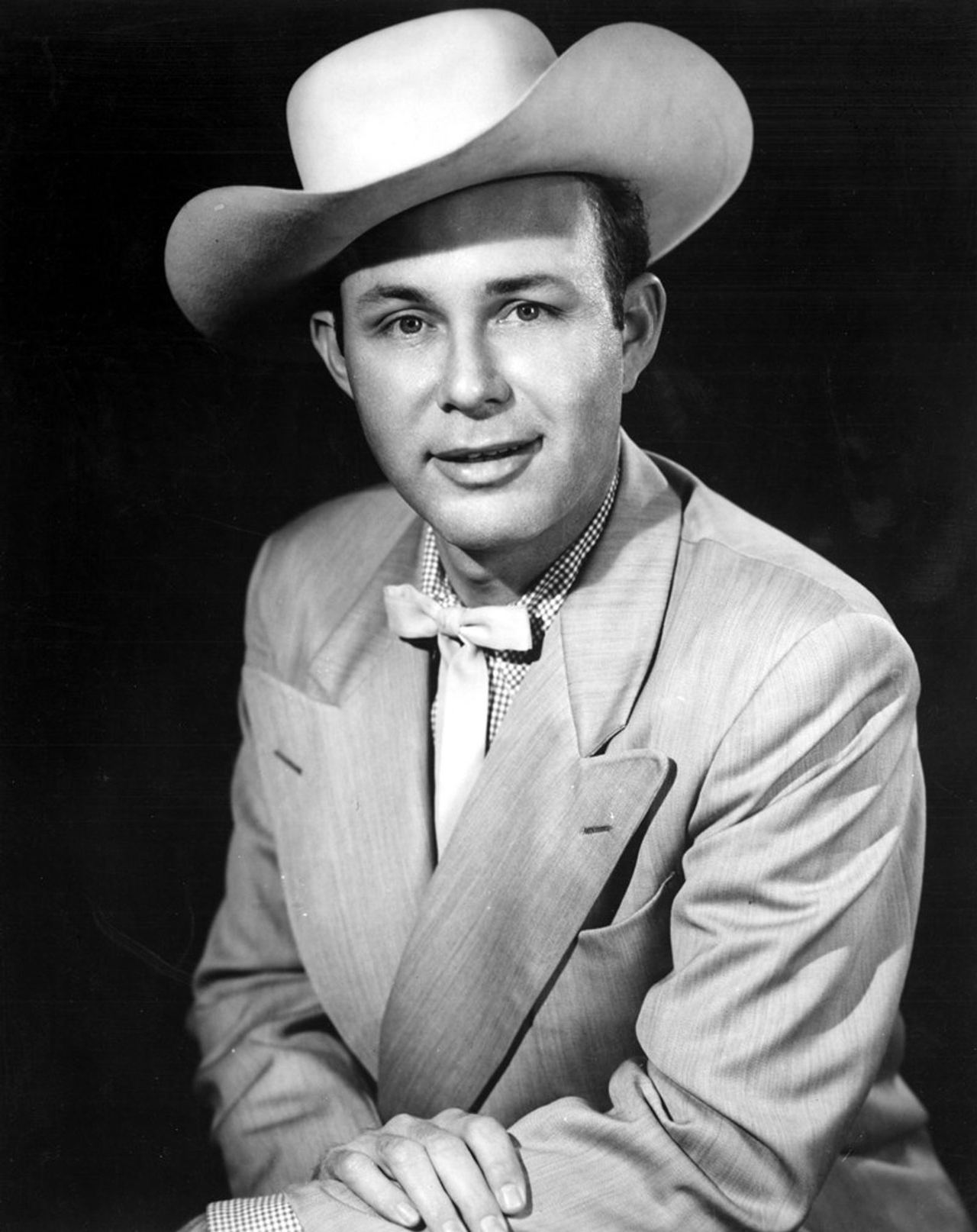
The song stands as a testament to the enduring power of simplicity—just a voice, a story, and a melody that echoes long after the final note fades away.
Jim Reeves’ legacy is forever intertwined with this song.
[EMBED:
[EMBED:
[EMBED:
Read more stories
KSI Freaks Out as a Britain’s Got Talent Performance Pushes the Limits
The McCoys’ “Hang On Sloopy” Rockets to No. 1 and Grows into Ohio’s Unofficial Anthem in 1965
Jackie DeShannon’s Timeless Classic “What the World Needs Now Is Love” Still Uplifts and Inspires Generations
Released in 1971, this heartbreaking ballad changed how people heard breakup songs forever… because it wasn’t about anger or betrayal, but the quiet moment two people realize love is already gone.
4 minutes read
Share
X

Telegram
Other posts
Jul 06, 2026
K.T. Oslin's Do Ya and 1980s Country Music
Jul 08, 2026
They Begged For The Song — And Ended Up Making One Of Motown’s Most Beloved Classics
Jul 23, 2026
The Dark True Story Behind Lynyrd Skynyrd's 1974 Warning Hit
Jul 28, 2026
Under the Umbrella of Everyday Life: How “Bus Stop” Turned Waiting Into One of Pop’s Most…
May 25, 2026
Released in 1957, this song didn’t just shake the charts… it shook an entire generation.
May 06, 2026
The Cheerful 1970 Hit That Showed a Playful Side of Creedence Clearwater Revival and Turne…
May 07, 2026
The Zombies “Time of the Season” in 1968
Jul 14, 2026
From Heartache to Harmony: The Story Behind The Everly Brothers’ ‘Bye Bye Love’ and Its La…
↑
Read more stories
- My Sister Hurt Ruby—Then the Kitchen Camera Exposed Everyone
- At my mother’s party, I was gasping for air when she snapped, “Enough drama. Get in the kitchen and clean.” My father sneered, “Stop being lazy.” Then my brother’s friend, a doctor, checked my pulse—and his face drained of color. “Call 911!” he yelled. For one second, the room went dead silent. Then panic exploded.
- Her Father Demanded $8,000, Then Police Saw the Folder
- I spent my birthday working. My mom texted: “We sold your car — family comes first. Be grateful we even let you stay here.” Then another message followed: “Your brother’s starting college. You’ll cover his first semester. $6,000. This week.”