
Human Stories
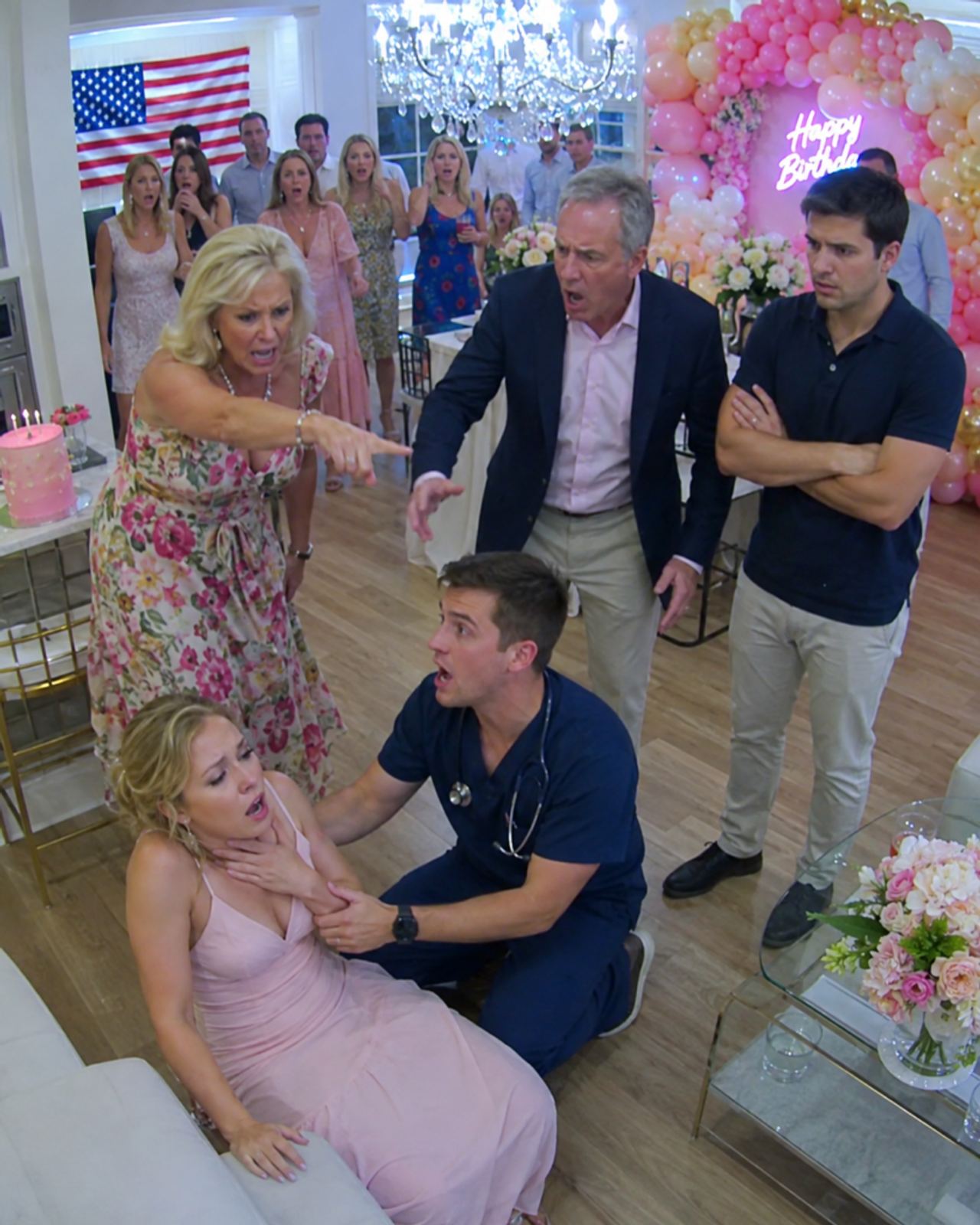
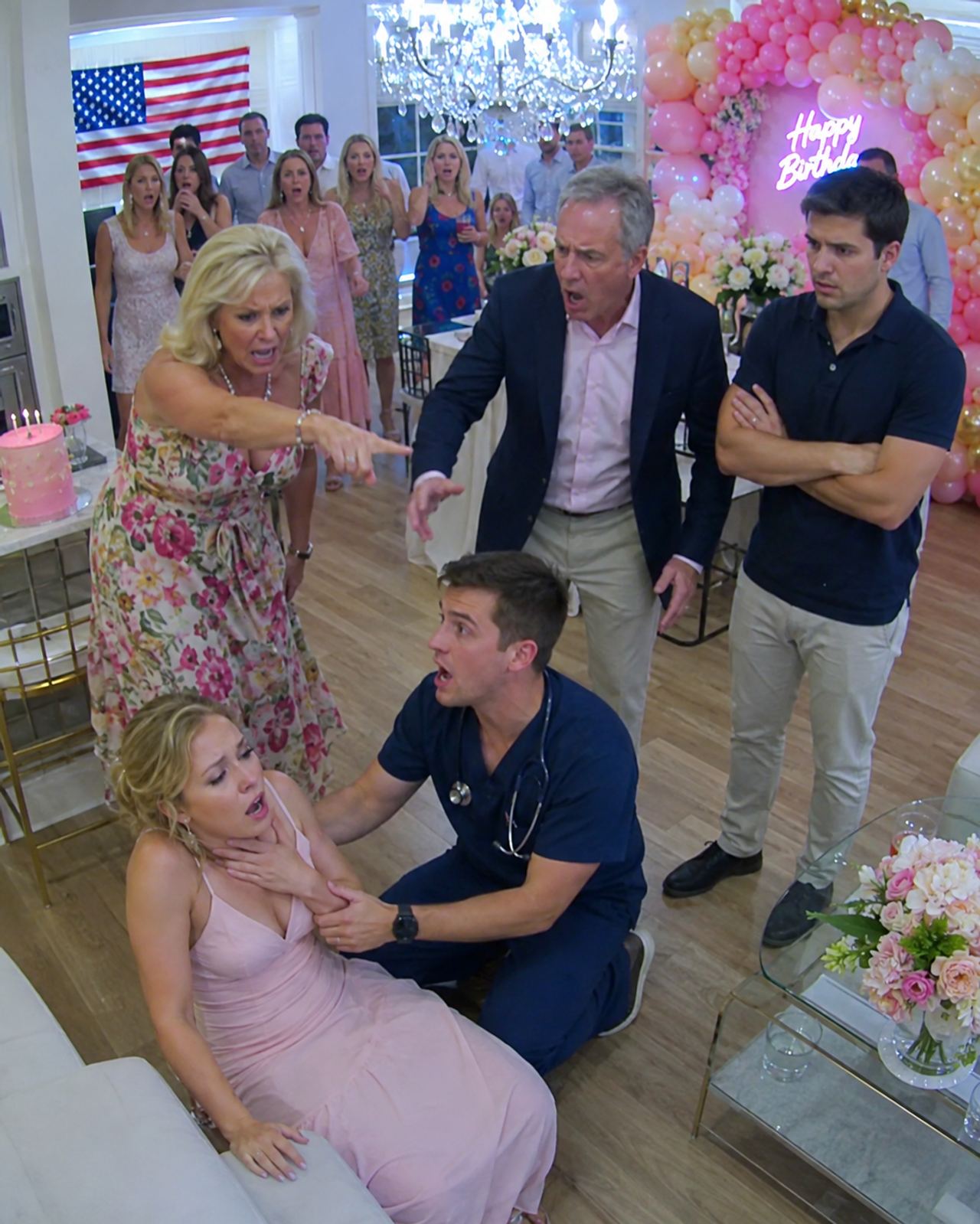
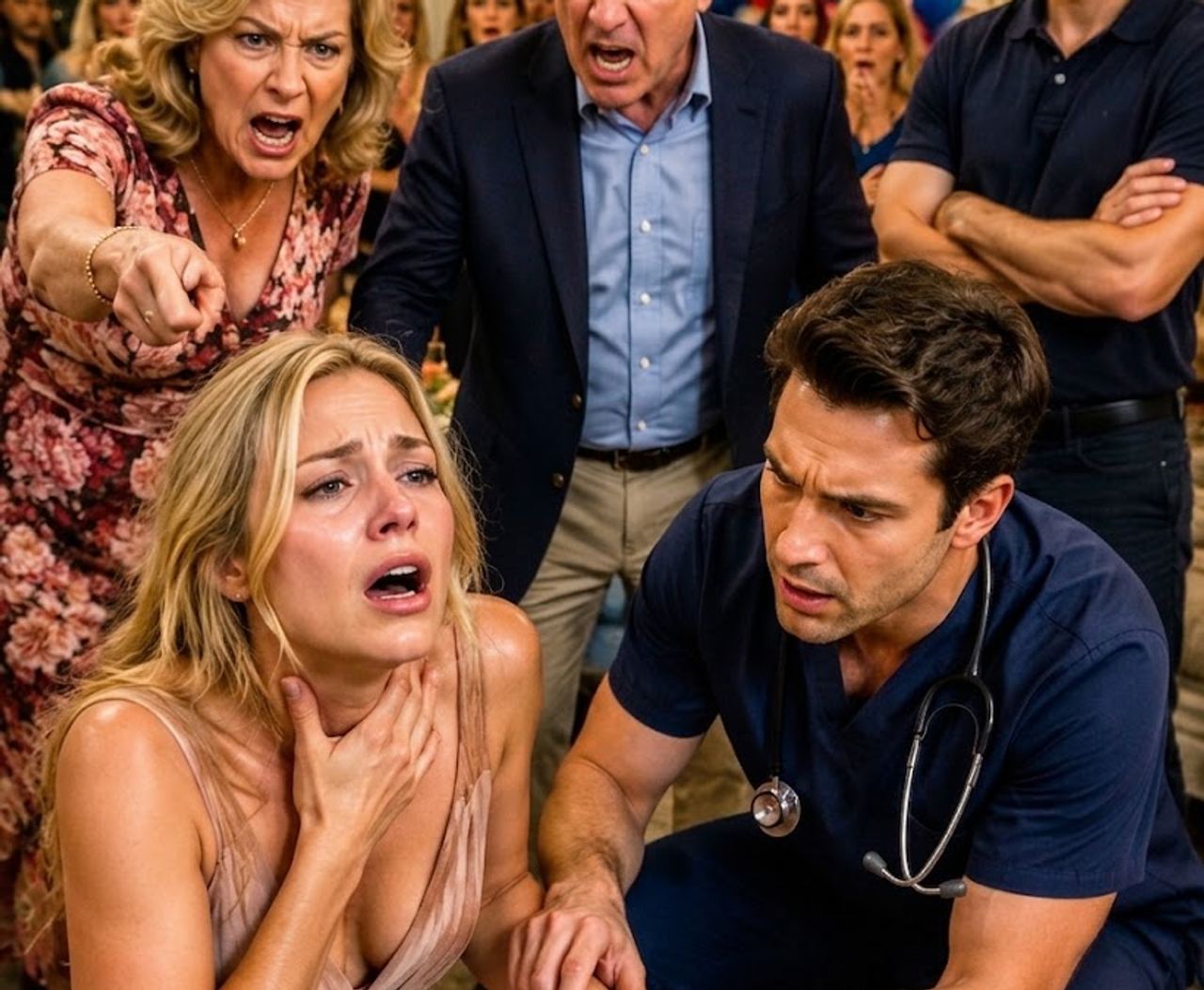
At my mother’s party, I was gasping for air when she snapped, “Enough drama. Get in the kitchen and clean.” My father sneered, “Stop being lazy.” Then my brother’s friend, a doctor, checked my pulse—and his face drained of color. “Call 911!” he yelled. For one second, the room went dead silent. Then panic exploded.
At her mother’s birthday party, Amber suffers a severe breathing episode after being dismissed and mocked by her family, prompting a doctor friend to call 911. In the hospital, she realizes the depth of the emotional abuse she has endured and begins setting firm boundaries, ultimately cutting off her family’s access to her.

Inside the ambulance, the world narrowed to oxygen, light, and questions. A paramedic told me to breathe with the mask while another attached wires to my chest.
Eric’s voice came from somewhere near the doors, asking if he could follow us to the hospital. I wanted to thank him, but my body was too busy surviving.
The oxygen tasted cold and dry. My hands shook under the blanket, and my heart pounded so hard I thought the machine might scold me for it.
“Amber?” the paramedic asked. “Have you had episodes like this before?”
I nodded, then shook my head, unsure how to explain a lifetime in one answer. “Not like this,” I wanted to say.
Never bad enough for sirens. But yes, if you count every dinner where my father mocked my voice.
Yes, if you count every birthday where my mother handed me chores instead of affection. Yes, if you count every time my brother called me dramatic and everyone laughed because it was easier than defending me.
The ambulance turned, and the siren rose, long and sharp. Suddenly, I was eight years old again.
I remembered falling off my bike in the driveway, my palms scraped open, blood shining between tiny stones. I remembered running inside crying, expecting arms, expecting concern.
My mother looked up from a phone call and mouthed, “Not now.” My father glanced at my bleeding hands and said, “You’re fine. Don’t make a production.”
Jake laughed and told me I looked stupid. I washed the blood off myself in the downstairs bathroom and learned a lesson no child should learn.
Pain was acceptable only if it did not disturb anyone else. That memory returned so clearly in the ambulance that I almost forgot where I was.
The paramedic touched my shoulder. “Stay with us, Amber.”
I blinked hard. “I’m here,” I whispered behind the mask.
But was I? Had I ever been fully present in a family that treated me like background noise?
At the hospital, they wheeled me through sliding doors into a brightness that made everything feel too real. Nurses moved quickly.
Someone asked about chest pain, medications, allergies, and medical history. I answered what I could.
Eric arrived minutes later, tense but steady. He stayed back, giving the staff room, but he did not disappear.
That mattered more than I can explain. My family had always made care feel conditional, like I needed to earn it by being convenient.
Eric made it look simple. Someone was hurt, so he stayed.
A nurse asked if my family was coming. I looked at Eric before I answered, and he looked away, which told me enough.
My phone buzzed on the side table. One message lit up the screen.
It was from my mother. “Are you calm now? We still have guests here.”
I stared at those words until they blurred. Not “Are you safe?” Not “I’m sorry.” Not “I’m on my way.”
“Are you calm now?” As if my lungs had thrown a tantrum.
As if the ambulance had been an emotional inconvenience. Something inside me shifted then, quietly but permanently.
For years, I believed that if I explained myself better, behaved better, worked harder, smiled more, and needed less, my family might finally see me. But lying in that hospital bed with a stranger adjusting my oxygen and my mother asking whether I had settled down enough for her party to continue, I realized the problem was not that I had failed to speak clearly.
The problem was that they benefited from not listening. When the doctor came in, he said they needed to run tests, monitor my breathing, and make sure no cardiac or respiratory complication was hiding beneath the panic symptoms.
He did not roll his eyes when I said I was scared. He did not tell me I was embarrassing anyone.
That alone nearly made me cry. Eric saw it.
He pulled a chair near the door and said softly, “You don’t have to defend your pain in here.”
I turned my face toward the wall because the kindness was too much. I had been strong for so long that gentleness felt dangerous.
Still, beneath the fear and humiliation, one clear thought appeared. Maybe this emergency was not the day everything fell apart.
Maybe it was the day the truth finally had witnesses. Several hours later, the machines had slowed into a steady rhythm, and my breathing no longer felt like a fight I was losing.
The doctor told me my tests were reassuring, but the episode had been serious. It was a severe panic response with physical symptoms that could not be dismissed, especially given the chest pressure and hyperventilation.
He recommended follow-up care, therapy, stress management, and most importantly, a safer environment while I recovered. A safer environment.
Those words sat in my chest heavier than any diagnosis. How do you explain that the most unsafe place in your life is the place everyone says should love you automatically?
Eric brought me tea from the vending area and apologized twice for not noticing sooner, even though he had been the only one who noticed at all. I told him that, and he looked angry in a quiet way.
“Amber, what happened back there wasn’t normal.”
I almost laughed because normal had always been my family’s shield. Normal teasing, normal expectations, normal family stress.
Normal meant I was not allowed to object. Before I could answer, the door opened without a knock.
My mother walked in first, still wearing her birthday sash, though now it hung crooked. My father followed with his hard mouth and church-polite posture.
Jake came last, holding a plastic container with cake like proof that the party had survived me. My mother rushed toward the bed with her arms open, but her eyes darted to Eric, then to the nurse outside the door.
She was performing concern for the audience. “My poor baby,” she said too loudly. “You scared us half to death.”
I stared at her. “I scared you?”
She touched my blanket, not my hand. “Of course you did. One minute you were upset, and the next Eric was shouting like the house was on fire.”
Eric stood. “She was gasping for air.”
My father’s eyes narrowed. “We understand that now.”
“Do you?” I asked.
My voice was thin, but it did not shake. Sarah looked wounded.
“Amber, today was my birthday. I had thirty people watching you collapse in my kitchen.”
There it was, the real injury. Not my fear.
Her embarrassment. Jake set the cake on the table and shrugged.
“You have to admit the timing was insane.”
I looked at him. “My lungs didn’t check your schedule.”
His expression flickered. My father stepped closer.
“Don’t get smart. You’re here because you worked yourself up. Your mother was trying to keep the party together.”
“She told me to clean while I was telling her I couldn’t breathe.”
The room went so quiet I could hear the monitor count my anger. My mother lowered her voice.
“I didn’t know it was real.”
“You didn’t care whether it was real,” I said.
That was the first sentence I had ever spoken to her that felt like a door closing. She recoiled as if I had been cruel.
“How can you say that after everything I’ve done for you?”
The old guilt rose automatically, but this time I saw it from a distance. The meals that came with insults, the rides that came with lectures, and the birthdays where I cleaned more than I celebrated.
The love wrapped in debt. Eric moved beside my bed, just standing there like a witness.
My father noticed and turned on him. “This is family business.”
Eric answered calmly. “It became medical business when you ignored a breathing emergency.”
Jake scoffed. “You don’t know us.”
“I know what I saw.”
Before my father could respond, the nurse entered. Her badge said Marisol, and her face had the steady calm of someone who had seen too many families mistake control for care.
“Amber,” she said, “do you feel safe continuing this visit?”
My mother’s mouth fell open. “Excuse me?”
Nurse Marisol did not look at her. She looked at me.
No one in my family had ever asked me that question as if my answer mattered. My hands curled around the blanket.
Every instinct told me to protect the peace. My mother’s image, my father’s pride, Jake from consequences.
But then I remembered kneeling beside the sink, unable to breathe, and hearing, “Quit faking it.” I looked at the nurse and said, “No.”
One word. That was all it took.
My mother inhaled sharply. My father’s face darkened. Jake whispered my name like a warning.
Nurse Marisol stepped toward the door. “Then this visit is over. Patient needs a low-stress environment.”
My mother began to cry in that wounded public way that used to make everyone rush to comfort her. “Amber, you’re throwing us out?”
I met her eyes. “No. I’m choosing to breathe.”
Security did not drag them out. It was worse.
They had to walk out themselves while the nurse held the door open and Eric watched. My father looked humiliated.
Jake looked angry. My mother looked betrayed, as if my boundary had harmed her more than her cruelty harmed me.
When the door closed, I shook so hard the blanket moved. But beneath the shaking was something unfamiliar.
Relief. That night, after the hospital quieted, I couldn’t sleep.
The room was dim except for the green blink of the monitor and the thin strip of hallway light under my door. My phone kept buzzing, but I didn’t pick it up.
I already knew the pattern. First would come anger, then guilt, then a half apology designed to make me apologize back.
I turned the screen face down and listened to my own breathing. In, out. Mine.
For the first time, my body did not feel like an enemy. It felt like a witness that had finally screamed loudly enough for help.
A counselor from the hospital came in the next morning, a woman with silver glasses and a voice that never rushed me. She asked about stress at home, and I almost gave the polished answer.
We argue sometimes. They mean well. It’s complicated.
But I was tired of shrinking the truth to fit inside other people’s comfort. I told her about the kitchen, the party, being eight with bloody palms, and how my family could turn any pain I had into a character flaw.
She listened without interrupting. Then she asked, “What are the words you hear in your head when you try to ask for help?”
The answer came faster than I expected. Three sentences.
Stop being dramatic. You’re too sensitive. Don’t ruin this for everyone.
I said them aloud, and the room changed. They were not just memories.
They were commands my family had installed inside me. Every time I was tired, hurt, anxious, or in need of rest, those sentences stepped in front of me like guards.
The counselor asked me to imagine what my life would look like in five years if I kept obeying them. I closed my eyes, and the future appeared so clearly it scared me.
I saw myself at twenty-nine, still rushing to my mother’s house whenever she demanded it. Still laughing weakly when Jake made jokes at my expense.
Still apologizing to my father for having feelings he did not approve of. I saw birthdays, holidays, Sunday dinners, and family photos where I stood smiling with panic pressed behind my ribs.
Then she asked, “What would your life look like if you stopped?”
I cried then. Not because I was sad, but because the answer was beautiful.
I saw a small apartment with plants in the window. Therapy appointments on a calendar.
Friends who asked how I was and waited for the real answer. Holidays that did not require emotional armor.
A phone that did not control me. Eric visited later and found me writing on a hospital notepad.
He asked what I was doing, and I said, “Making a list of what I’m not carrying anymore.”
He smiled, but his eyes were serious. “That sounds like a plan.”
It was. I wrote the first three rules of my new life.
One, I will not argue with people who need me broken to feel innocent. Two, I will not confuse guilt with love.
Three, I will not return to any room where my pain is treated like entertainment. Every word felt like revenge, but not the kind that burns someone’s house down.
This was quieter, cleaner, more permanent. I was removing myself as their favorite target.
For people like my family, that was a heavier punishment than shouting could ever be. Later, the doctor returned with discharge possibilities for the next day if my vitals stayed stable.
He also said something that tightened my throat. “Amber, stress doesn’t mean this was imaginary. Your symptoms were real.”
“Your body responded to a real level of distress. Recovery means treating both the body and the environment.”
There it was again. Environment.
My family had spent years convincing me I was the fragile one. The hospital was telling me my surroundings had been damaging enough for my body to revolt.
When my phone buzzed again, I finally turned it over. Thirty-seven missed calls. Seventy-two messages.
Most were from my mother. A few were from Jake. One was from my father.
“You embarrassed your mother. Fix this.”
I read it twice, and for the first time, I did not feel the urge to fix anything. I handed the phone to Eric and asked him to help me screenshot everything.
“For what?” he asked.
“For myself,” I said, “for the next time they tell me I imagined it.”
That was when I understood the true shape of my revenge. I was not going to beg them to love me anymore.
I was going to document the truth, build a life outside their reach, and let them sit with the silence where my obedience used to be. The next afternoon, Nurse Marisol suggested a short walk to the common area.
My body was still tired, but I wanted to feel like a person again, not just a patient attached to wires and family drama. Eric walked beside me, close enough that I knew I would not hit the floor alone if my knees betrayed me.
The common area had wide windows and tired plants, the kind hospitals put out to remind you life was still happening somewhere. I sat near the sunlight and breathed slowly.
For a few minutes, there was peace. Then I heard Jake.
“Unbelievable,” he said from the hallway. “She gets a hospital vacation, and we’re the villains.”
My spine went cold. Eric’s shoulders stiffened.
Jake rounded the corner with my mother behind him and my father a few steps back, even though the nurse had made it clear they were not welcome without my consent. They must have convinced someone at the desk that they were there to apologize.
My mother’s eyes were red, but her lipstick was perfect. That told me she had prepared for an audience.
“Amber,” she said softly. “We need to talk as a family.”
I looked at Nurse Marisol, who noticed immediately and started walking over. My father lifted one hand in a calming gesture that had never calmed anyone.
No one is here to upset you. We just want you to be reasonable.
Reasonable. Another family word for silent.
Jake rolled his eyes. “Can we stop acting like you almost died? Eric overreacted, and now Mom’s birthday is ruined forever.”
Something in me went still. Not numb. Still.
Like a judge entering a courtroom. I stood slowly, one hand on the chair for balance.
Eric murmured, “Amber, you don’t have to.”
“I know,” I said. That was why I wanted to.
I looked at Jake first. “You called my breathing emergency a hospital vacation.”
His face changed when he realized other patients and nurses could hear me. “I didn’t mean—”
“You said I was dragging it out for sympathy. Yesterday, you told a cousin I always make things about me.”
“When I was sixteen and fainted during finals week, you told everyone I was desperate for attention. When I cried at Grandma’s funeral, you said I was trying to be the saddest person in the room.”
My pain had been his favorite joke for years. The common area went silent.
Jake’s mouth opened, but no joke came out. I turned to my father.
“And you. You called me lazy while I was gasping for air.”
“You told me to toughen up after the ambulance took me away. You texted me that I embarrassed Mom and needed to fix it.”
“Not once did you ask if I was afraid.”
David’s face hardened, but his eyes darted toward the nurses. He cared about witnesses.
He always had. Finally, I looked at my mother.
She had tears ready, but I did not let them leave the room. “And you told me to get in the kitchen and clean.”
Her hand flew to her chest. “Amber, I was overwhelmed.”
“So was I. But I was the one who couldn’t breathe.”
She flinched. I continued because if I stopped, old guilt might crawl back in.
“You didn’t come to the hospital until hours later because you were finishing cake. You texted, ‘Are you calm now?’”
“You came into my room wearing your birthday sash and told me I scared you half to death, like my medical emergency was something I did to you.”
Her tears spilled, but nobody moved to comfort her. Not the nurse. Not Eric. Not Jake.
For the first time, my mother had to stand inside the full weight of her own words without me rushing to soften them. Nurse Marisol stepped beside me.
“Amber, would you like them removed?”
My mother whispered, “Please don’t do this in public.”
I almost laughed. “You humiliated me in front of thirty people while I was begging for air.”
“This is not public. This is accountability.”
My father pointed at Eric. “You put her up to this.”
I answered before Eric could. “No. You did.”
“Every time you dismissed me. Every time you mocked me. Every time you made me apologize for being hurt.”
“You taught me that staying quiet would never save me.”
Jake looked smaller, his anger collapsing into discomfort. “Amber. Come on. We’re family.”
That used to be the magic word. Family.
The word that made me accept insults as jokes and neglect as tradition. But now it sounded empty.
“Family is not a lifetime pass to harm me,” I said. “Family should have called 911 before a guest had to.”
A doctor passing through paused near the doorway. Nurse Marisol folded her arms.
My mother saw the scene slipping away and reached for the only weapon she had left. “After everything I sacrificed for you.”
I nodded slowly. “Then this should be easy. Sacrifice one more thing.”
“Sacrifice your access to me until you can treat me with respect.”
She stared as if I had slapped her. My father said, “You’ll regret this when you need us.”
I took a breath, and this one came clean. “I needed you yesterday.”
That sentence ended the argument. Nurse Marisol asked them to leave.
This time, security came with her. My mother tried to protest, but the officer did not debate.
My father’s face turned furious red. Jake looked at the floor as they were walked back down the hall.
And everyone saw it. The nurses saw it. Eric saw it. Strangers saw it.
My family, who had spent years making me look unstable, were now the ones being escorted away from a hospital common area because they could not stop attacking a recovering patient. That was when the revenge became real.
Their power had always depended on privacy. I had taken that away.
When they disappeared through the doors, my legs weakened, and Eric caught my elbow. “You okay?” he asked.
I looked toward the hallway where my family had been. “No,” I said honestly. “But I’m free in a way I wasn’t yesterday.”
I was discharged the next morning with instructions, follow-up appointments, and a folder full of papers that made my experience feel official in a way my family never had. Severe panic episode, physical symptoms, stress-related triggers, recommended emotional support, and reduced exposure to conflict.
I read that last line three times. Reduced exposure to conflict.
The hospital had given clinical language to the choice my heart had been trying to make for years. Eric offered to drive me home.
And by home, he meant my apartment, not my mother’s house. That distinction mattered.
My family was waiting near the exit anyway. My mother stood in front, pale and exhausted, without the birthday sash now.
My father was behind her, jaw locked. Jake leaned against the wall, arms crossed, looking like a boy forced to apologize after being caught.
For one second, the old Amber almost appeared. The one who would have rushed to make the scene less awkward.
The one who would have hugged her mother because crying women made people stare. The one who would have said, “It’s okay,” just to end the discomfort.
But then my phone buzzed in my pocket, and I remembered every message. “You embarrassed your mother. Fix this. Stop dragging it out. You owe us an apology.”
My mother stepped forward. “Amber, please. Can we talk without all these people around?”
I looked past her. Nurses at the desk. A security guard by the doors. Eric beside me. Witnesses.
She hated witnesses now. “No,” I said. “We can talk here.”
Her eyes filled immediately. “I’m sorry if I made you feel unsupported.”
If. That small, cowardly word.
I shook my head. “You didn’t make me feel unsupported. You were unsupportive.”
She swallowed. My father muttered, “This is unnecessary.”
I turned to him. “You’re right. It should never have been necessary.”
Jake pushed away from the wall. “Look, I said some dumb stuff. I didn’t know it was serious.”
“You didn’t need to know it was serious to be kind,” I said.
He had no answer. My mother reached into her purse and pulled out a small envelope.
“I wrote you a letter.”
I looked at it, and for a moment, hope flickered. Then she added, “I just don’t want people thinking I’m a bad mother.”
There it was. The truth peeking through the apology like a blade under silk.
I did not take the envelope. “That’s the difference between us,” I said. “I’m trying to heal. You’re trying to repair your image.”
Her face collapsed. My father stepped closer, voice low.
“Amber, enough.”
Eric moved slightly, but I lifted my hand. I didn’t need rescuing from this part.
“No,” I said. “I’m done making your cruelty sound smaller so you can sleep better.”
“I’m done calling neglect a misunderstanding. I’m done pretending jokes don’t leave bruises just because nobody can see them.”
My mother whispered, “So what are you saying?”
I had practiced it all night, but the words still hurt. “I’m not coming to Sunday dinner. I’m not answering group chats.”
“I’m not attending the next birthday, the next holiday, or any event where I’m expected to be useful instead of loved. I’m going low contact.”
“If you ignore that, I’ll go no contact.”
Jake’s eyes widened. My father looked stunned, like consequences were something that happened to other families.
My mother covered her mouth. “You would cut off your own mother?”
I felt sadness then, real sadness, but it did not weaken me. “You cut me off first.”
“You did it every time I asked for care and you gave me criticism. I’m just making the distance visible.”
A nurse behind the desk looked down, pretending not to hear, but I saw her expression soften. Eric stood quietly beside me, a witness to the moment I stopped auditioning for love.
My father tried one last time. “You’ll come back when you calm down.”
I opened my folder and pulled out the discharge notes. “My doctor recommended reduced exposure to conflict while I recover.”
“I’m following medical advice.”
It was almost funny watching their faces change. For years, they had called me dramatic, unstable, and too emotional.
Now a doctor’s note had turned my boundary into something they could not easily mock without looking cruel. My mother reached for me, but I stepped back.
Not dramatically. Just enough.
That small step broke her more than any speech could have. “Amber,” she said, and this time my name sounded less like a command and more like a loss.
I nodded toward the exit. “I hope you get help. I mean that.”
“I hope one day you understand what happened, but I’m not waiting inside the damage while you figure it out.”
Then I walked out. Eric held the door, and morning air hit my face, cool and ordinary and beautiful.
My phone started buzzing before we reached the car. First my mother, then Jake, then my father, then the family group chat exploded with messages about apologies, misunderstandings, embarrassment, forgiveness, and how far I was taking things.
I sat in the passenger seat and watched the notifications stack up like a tower built from old guilt. Eric didn’t tell me what to do.
He just waited. I opened the settings, blocked the group chat, muted my mother, blocked Jake for thirty days, and saved my father’s messages in a folder labeled “Proof.”
Then I turned the phone over and looked out the window. …
Read more stories
- Her Father Demanded $8,000, Then Police Saw the Folder
- I spent my birthday working. My mom texted: “We sold your car — family comes first. Be grateful we even let you stay here.” Then another message followed: “Your brother’s starting college. You’ll cover his first semester. $6,000. This week.”
- A MORTAR ATTACK INTERRUPTED TOBY KEITH’S SHOW IN AFGHANISTAN—BUT WHAT HAPPENED IN A CONCRETE BUNKER REVEALED THE REAL MAN BEHIND THE MUSIC.
- They Cut My Grandfather’s Tree for Their Million-Dollar Entrance — So I Made Them Pay $75,000 a Year to Use It