
Celebrities & Music
HE WAS ONE OF COUNTRY MUSIC’S HARDEST WORKERS, BUT IT TOOK A HOSPITAL BED AND A NEAR-FATAL COLLAPSE FOR HIM TO REWRITE THE RULES OF THE INDUSTRY.
Waylon Jennings was pushed to the brink by the relentless Nashville system, and a hospitalization from hepatitis became the turning point that drove him to fight for creative control. His battle with RCA reshaped country music and helped launch the Outlaw movement.

By the early 1970s, Waylon Jennings was playing roughly 300 dates a year. The traditional Nashville machine demanded a relentless, punishing pace, operating like an assembly line that required artists to constantly travel and release albums just to keep the revenue flowing. To survive the endless highway and the physical exhaustion, Jennings relied on amphetamines. The inevitable breaking point arrived when his body simply gave out, leading to a severe case of acute hepatitis that pulled him off the road and forced him into a quiet hospital room.
Away from the roar of the crowds and the blinding stage lights, the silence of that room delivered a brutal truth. While he was trading his physical health to keep the tour buses moving, he realized he was still drowning in debt. The system had taken his energy, his time, and nearly his life, while leaving him financially cornered.
The rebellion that followed was not just about securing the right to record with his own band—it was a raw, desperate struggle for survival. From that hospital bed, a quiet fury took root. Jennings decided he would no longer be a replaceable gear in a machine that did not care if he survived the year. He fired his old management and hired Neil Reshen, a notoriously tough negotiator from New York.
Together, they turned his physical rock bottom into the weapon needed to force RCA Records into granting him unprecedented creative and financial independence. The gritty, scarred voice that would define the Outlaw movement was forged in the reality of that collapse, but the intense boardroom battles that completely dismantled Nashville’s old studio system reveal a much deeper story of how one man survived his own success.
By the early 1970s, Waylon Jennings was playing roughly 300 dates a year. The traditional Nashville machine demanded a relentless, punishing pace, operating like an assembly line that required artists to constantly travel and release albums just to keep the revenue flowing. To survive the endless highway and the physical exhaustion, Jennings relied on amphetamines. The inevitable breaking point arrived when his body simply gave out, leading to a severe case of acute hepatitis that pulled him off the road and forced him into a quiet hospital room.
Away from the roar of the crowds and the blinding stage lights, the silence of that room delivered a brutal truth. While he was trading his physical health to keep the tour buses moving, he realized he was still drowning in debt. The system had taken his energy, his time, and nearly his life, while leaving him financially cornered.
The rebellion that followed was not just about securing the right to record with his own band—it was a raw, desperate struggle for survival. From that hospital bed, a quiet fury took root. Jennings decided he would no longer be a replaceable gear in a machine that did not care if he survived the year. He fired his old management and hired Neil Reshen, a notoriously tough negotiator from New York.
Together, they turned Jennings’ physical rock bottom into the weapon needed to force RCA Records into granting him unprecedented creative and financial independence. The gritty, scarred voice that would define the Outlaw movement was forged in the reality of that collapse, but the intense boardroom battles that completely dismantled Nashville’s old studio system reveal a much deeper story of how one man survived his own success.
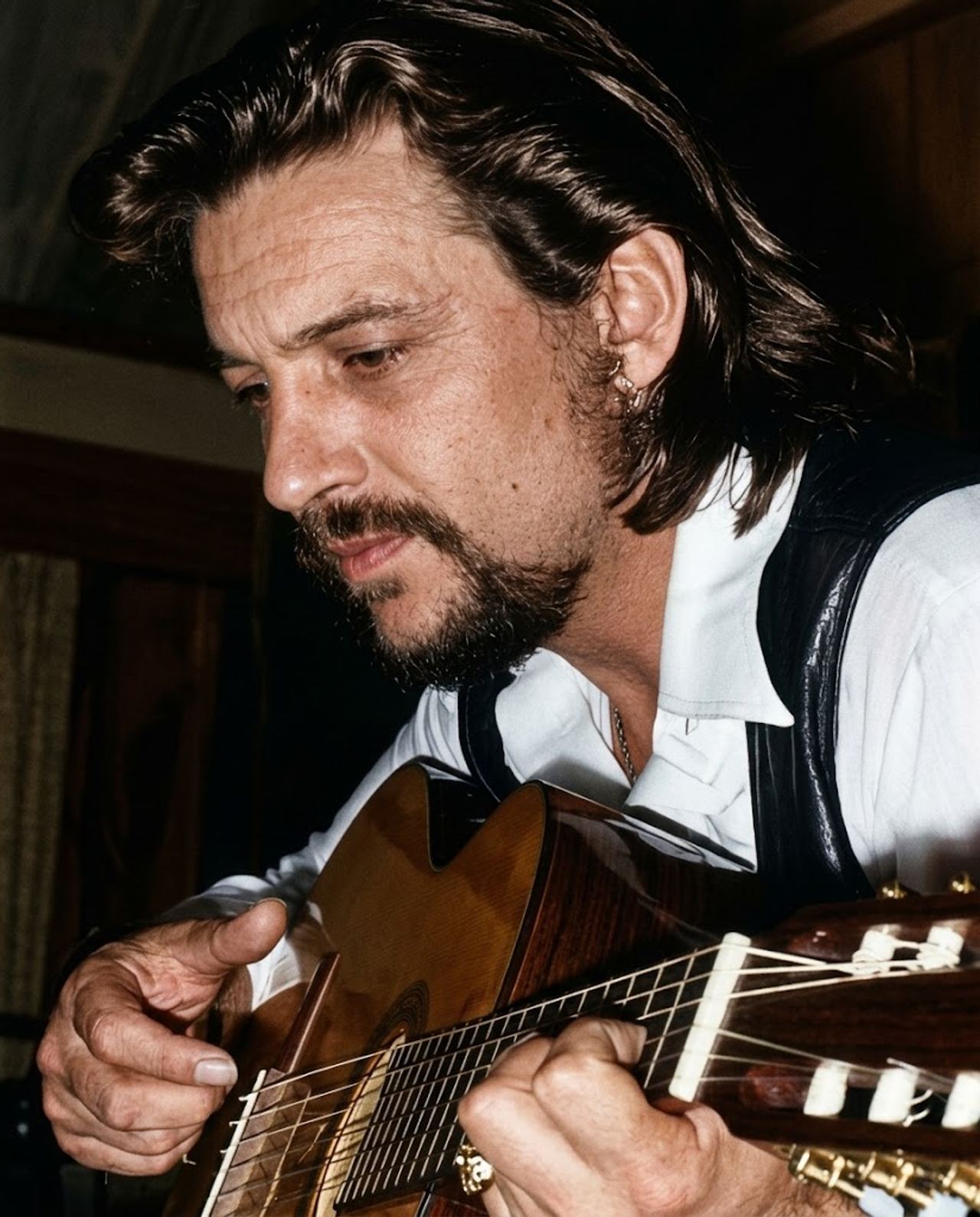
FOR YEARS, HE FED HIS LIFE TO THE NASHVILLE MACHINE — BUT IT TOOK A HOSPITAL BED AND A REALIZATION OF NEAR-BANKRUPTCY FOR WAYLON JENNINGS TO DISMANTLE THE SYSTEM.
By the early 1970s, Waylon Jennings was living on a dangerous edge, playing roughly 300 concert dates a year. The traditional Nashville studio system operated like a relentless assembly line, demanding that artists maintain a punishing tour schedule to promote the music the labels manufactured.
Producers chose the songs, hired the background vocalists, and booked the studio musicians for strict three-hour blocks, leaving the artist to simply show up and sing. Jennings was doing exactly what was asked of him, yet he felt entirely disconnected from the polished, heavily orchestrated records bearing his name.
To survive the endless highway and the physical exhaustion of the road, Jennings relied heavily on amphetamines. He kept his head down and kept moving, believing that the grueling momentum was the only way to build a sustainable career in country music.
But the inevitable breaking point arrived when his body finally gave out. A severe case of hepatitis pulled him off the tour bus and forced him into a quiet hospital room, bringing his chaotic life to a sudden halt.
Away from the roar of the crowds and the blinding stage lights, the silence of that room delivered a brutal truth. While he was trading his physical health to keep the tours moving, Jennings discovered he was actually deeply in debt.
The system had taken his energy, his time, and nearly his life, while leaving him financially cornered and creatively stifled. The rebellion that followed was not just about securing the right to record his own music—it was a raw, desperate struggle for his own survival.
From that hospital bed, a quiet fury took root. Jennings decided he would no longer be a replaceable gear in a machine that did not care if he survived the year, prompting him to fire his old management.
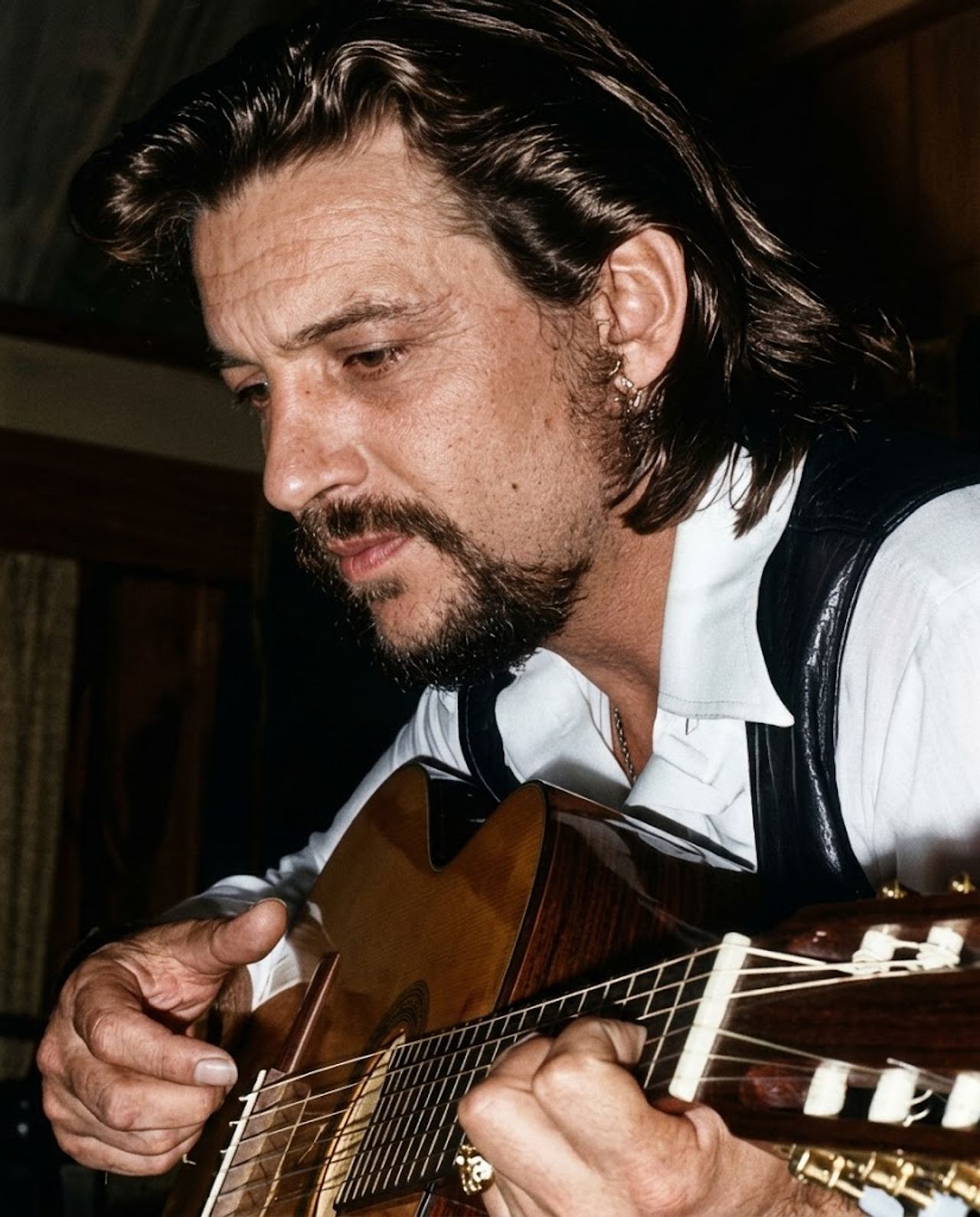
He sought out Neil Reshen, a notoriously tough, abrasive manager from New York who had no reverence for Music Row’s polite traditions. Reshen did not care about gentlemanly handshakes; he cared about legally binding leverage and protecting his client.
Together, they turned Jennings’ physical rock bottom into the weapon needed to force RCA Records to the negotiating table. When the label’s executives balked at their demands, Jennings famously showed his willingness to let his contract expire, proving he was entirely prepared to walk away from the label.
The intense boardroom pressure worked, completely dismantling the old way of doing business. In a landmark 1972 renegotiation, RCA surrendered, granting Jennings a then-unheard-of $75,000 advance and, most importantly, total creative control over his work.
For the first time, a major country artist won the contractual right to bring his own touring band, The Waylors, into the recording studio instead of using the label’s assigned session players. He also secured the right to choose his own material and design his own album covers.
That single contractual victory paved the way for the Outlaw movement, allowing Jennings to record the gritty, stripped-down masterpiece “Honky Tonk Heroes” in 1973. It ultimately set the stage for “Wanted! The Outlaws,” which became the first platinum album in country music history.
The scarred, defiant voice that would define a generation of country music was forged in the harsh reality of that physical collapse. The fight was never just about being a rebel for the sake of an image or a marketing campaign.
It was about a man who had to lose almost everything before he demanded the right to own his voice. The Nashville machine nearly broke him, but in the end, it was Waylon Jennings who changed the machine.
Video can’t be loaded because JavaScript is disabled: Waylon Jennings – Good Hearted Woman/Mamas Don't Let Your Babies Grow Up to Be Cowboys
Read more stories
- After my boss promoted his nephew instead of me, I quietly handed in my resignation with the subject line: “Re: Clause 8.” The company lawyers understood immediately: my non-compete was void, and I could legally take our top 3 clients; the CEO was on the line with me within minutes.
- Three days after I bought my dream mansion, my husband informed me that his parents
- The brakes failed on a lonely Smoky Mountain road, and our car went over the edge. As I lay trapped beneath twisted metal, a trucker appeared at the broken window and whispered, “Play dead… he’s still watching.” Only after my stepson finally left did the stranger reveal the truth he had been hiding.
- After I bought my dream lake house to recover in peace, my brother called to say he was moving in because dad approved it—but by morning, the locks were changed and two police officers were waiting