
Celebrities & Music
Dolly Parton left the mountains of Tennessee in 1964 with her clothes in a paper bag, and the first major check she earned went right back to the dirt she came from.
Dolly Parton’s rise from poverty in the Tennessee mountains is contrasted with her decision to use her success to support her family and hometown. The article emphasizes her purchase of a farm for her parents and the later creation of Dollywood as lasting acts of loyalty to her roots.

Dolly Parton left the mountains of Tennessee in 1964 with her clothes in a paper bag, and the first major check she earned went right back to the dirt she came from. She grew up as the fourth of twelve children in a cabin so poor her father paid the doctor who delivered her with a sack of cornmeal. The morning after her high school graduation, she boarded a bus to Nashville. By 1967, joining The Porter Wagoner Show gave her a steady income of $60,000 a year. For a girl from the Great Smoky Mountains, it was an unimaginable fortune. She did not spend her early wealth on a Hollywood estate or diamond jewelry to fit her new television image. Instead, she bought a farm in Sevierville, Tennessee, for her parents. For Robert Lee, a blind farmer who had worked his hands to calluses on land he did not own, it meant the security of a roof that would not collapse in an Appalachian storm. For Avie Lee, who fed fourteen mouths with whatever she could scrape together, it meant turning a handle in a bright kitchen and seeing running water. The Parton children no longer had to huddle together under patched blankets just to survive the freezing winters. They finally felt the quiet warmth of central heating. Fame changed her address, but her money bought dignity for the people who raised her. That Sevierville farm was just the foundation of a much larger promise to the mountains, and how a local theme park later transformed the economy of an entire county remains the clearest picture of what she was actually building.
Dolly Parton boarded a bus to Nashville the morning after her high school graduation in 1964. She carried a head full of original songs and her belongings in a simple paper bag, leaving behind a cabin in the Great Smoky Mountains where survival had always been a daily calculation.
By 1967, her life had fundamentally changed. Joining The Porter Wagoner Show introduced her to a national television audience and secured a steady income of around $60,000 a year. For a young woman from East Tennessee, it was an unimaginable fortune, one that could have easily financed a glamorous Hollywood lifestyle or a sprawling mansion far removed from her past.
Instead, her first major investment was not for herself. She bought a working farm in Sevierville, Tennessee, and handed the keys to her parents.
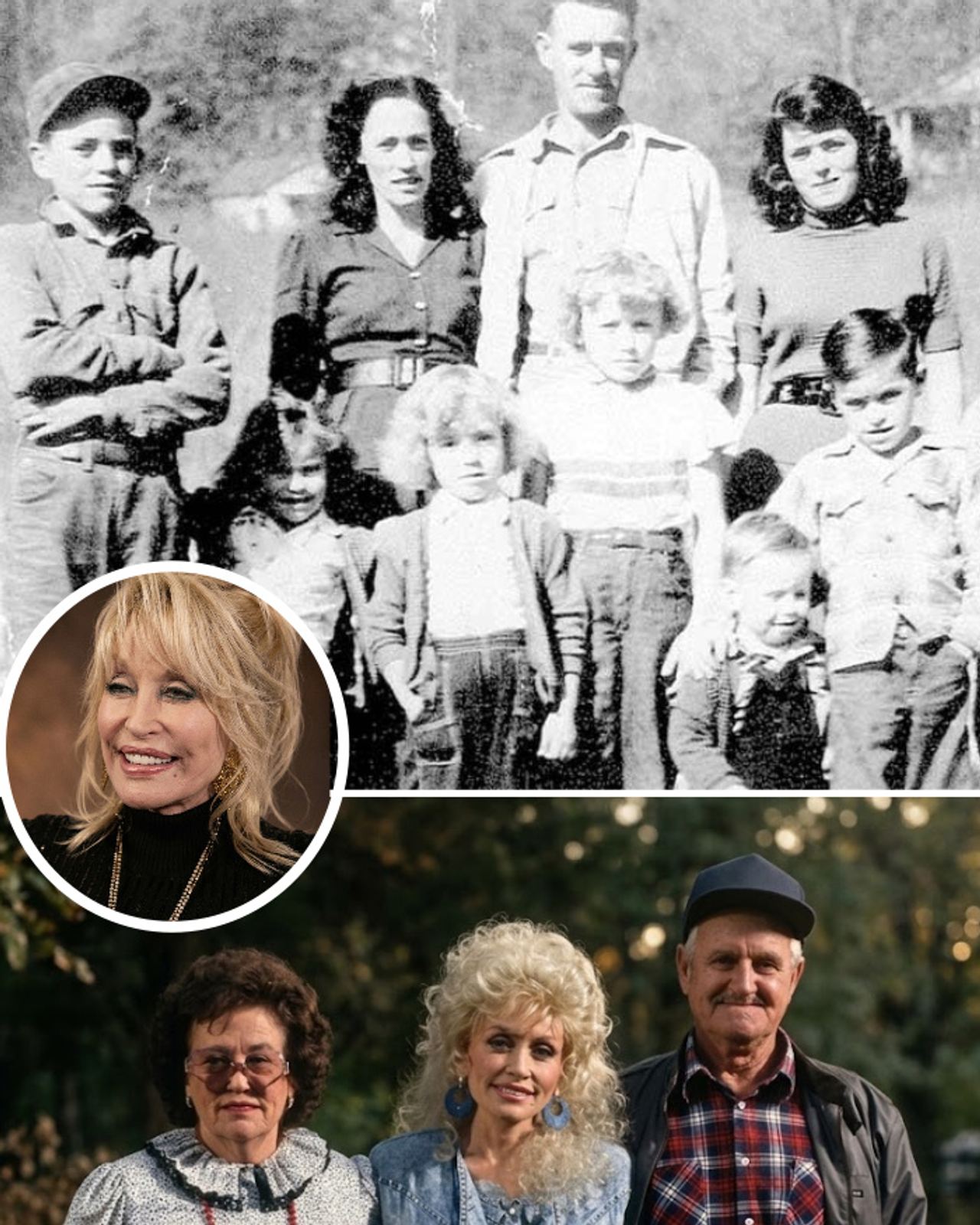
The weight of that purchase is only understood by looking at where the Parton family started. She was the fourth of twelve children, born into poverty so profound that her father, Robert Lee, paid the doctor who delivered her with a sack of cornmeal.
Robert Lee was a hardworking man who had spent his life tending land he did not own, his hands worn to calluses just to keep his family fed. Avie Lee, Dolly’s mother, spent her days trying to stretch whatever meager rations they had to feed fourteen mouths in a drafty, one-room cabin.
The new Sevierville farm changed that reality overnight. For the first time, Robert Lee had the security of a roof that would not collapse under the weight of an Appalachian winter storm. Avie Lee could finally turn a handle in a bright kitchen and see running water. The children no longer had to huddle together under patched blankets just to stave off the freezing cold; they could finally feel the quiet, consistent warmth of central heating.
Fame had altered Dolly Parton’s address, but her money bought dignity for the people who raised her. Yet, that Sevierville farm was only the foundation of a much larger promise she was making to the mountains.
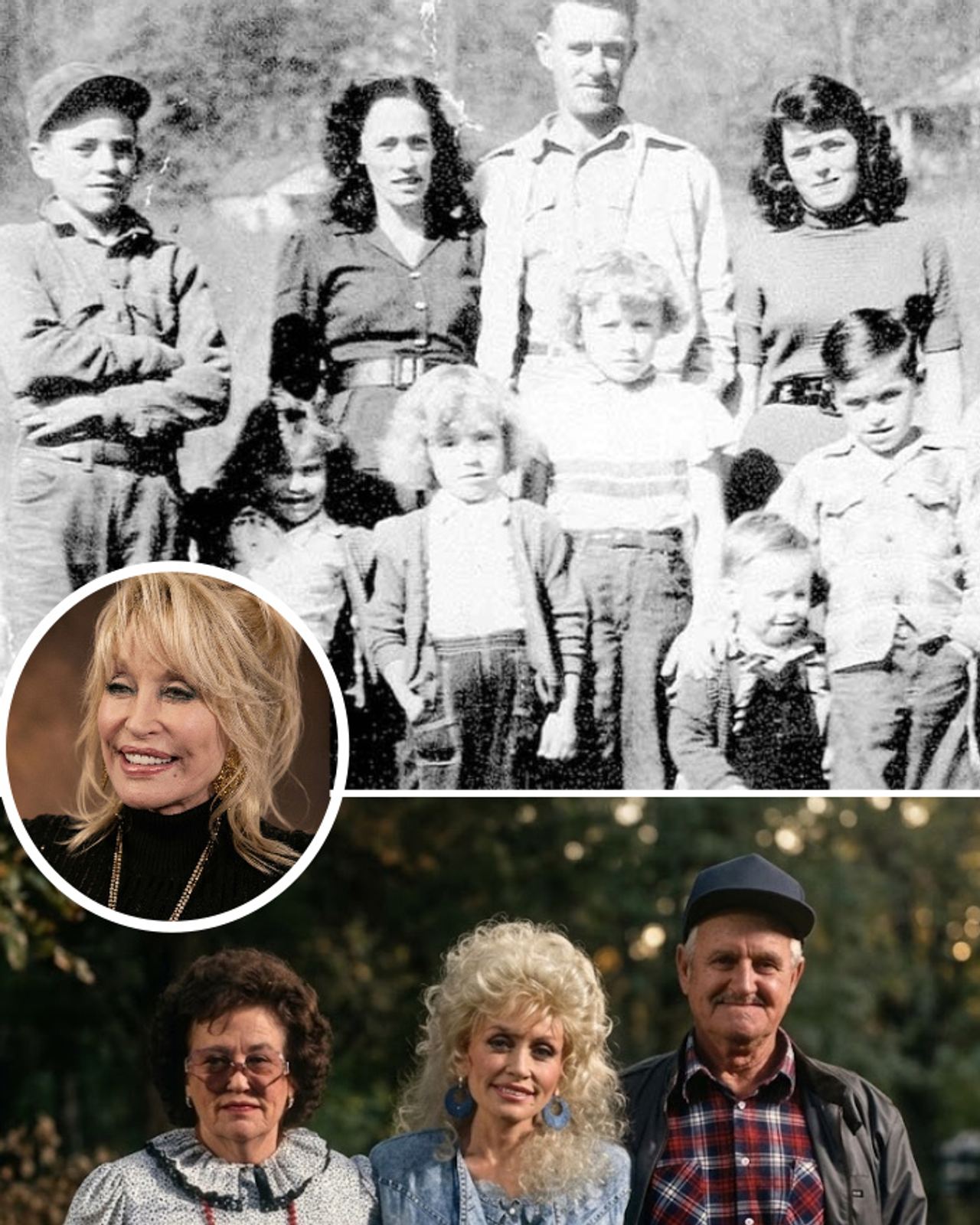
Two decades later, that same loyalty to her roots prompted a decision that altered the economic trajectory of an entire region. In 1986, she partnered to open the Dollywood theme park in nearby Pigeon Forge. It was not merely a branding exercise; it was a deliberate economic engine. The park quickly became the largest employer in Sevier County, transforming a quiet mountain community into a thriving tourist destination, creating thousands of steady jobs, and ensuring that future generations of East Tennessee families would have opportunities her own parents never did.
Through all the global tours, the millions of records sold, and the international accolades, her true compass never shifted. She wrote signature songs about her upbringing—most notably sharing the deeply personal story of her mother stitching together rags to make a coat of many colors—teaching listeners worldwide that true wealth was not defined by a bank account. But behind the scenes, she was actively using her actual wealth to rewrite the financial reality of her hometown.
The family farm was the first proof of who she really was. The theme park was the institutional realization of it.
She never tried to erase the poverty of her childhood from her public image. Instead, she wore her history with fierce pride, proving that a person could conquer the world without having to abandon their home to do it.
The glitz and rhinestones eventually became her uniform, but her foundation remained purely Appalachian. Her greatest legacy is not just the voice she gave to the mountains. It is the fact that when she finally had the power to build an empire, she built it right in the same soil that raised her.
Read more stories
- “Free Bird”: How Lynyrd Skynyrd Turned a Slow Ballad Into Rock’s Ultimate Guitar Flight
- Why Kenny Rogers Chose Home for His Final Days
- “Sexual Healing”: la remontée de 1982 qui offrit à Marvin Gaye un dernier grand triomphe
- Kenny Rogers’ Final Love Song Wasn’t on a Stage. It Was a Conversation With Wanda Miller.

