
News
“Free Bird”: How Lynyrd Skynyrd Turned a Slow Ballad Into Rock’s Ultimate Guitar Flight
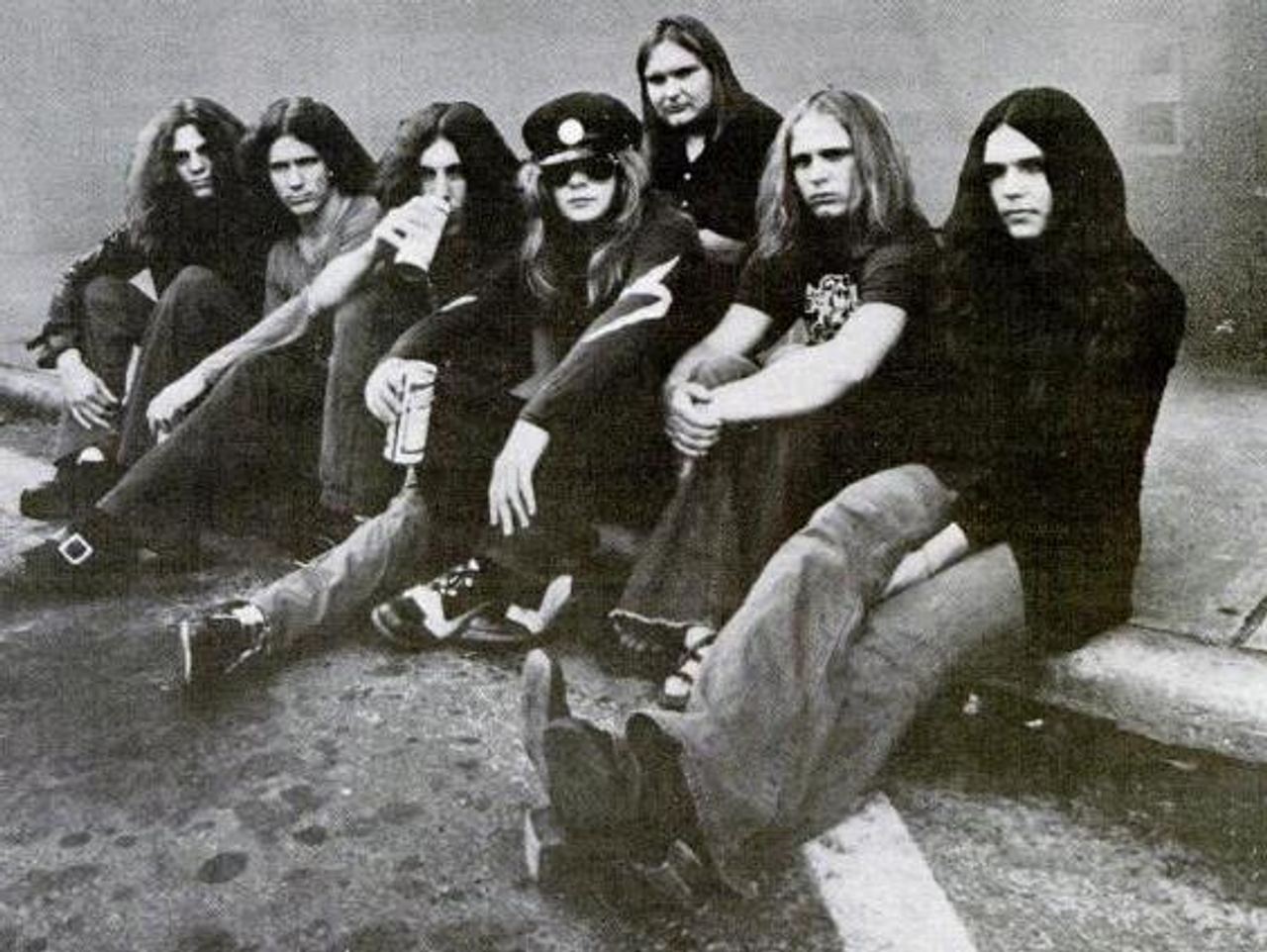
Closing Lynyrd Skynyrd’s debut album in 1973, “Free Bird” began as a reflective ballad and grew into a defining Southern rock epic built on Allen Collins’ music and Ronnie Van Zant’s hard-won lyric.

A closing track that refused to stay in the background
When Lynyrd Skynyrd released its debut album in 1973, “Free Bird” arrived at the end like a statement of intent. It did not behave like a neat radio single. It opened slowly, with a mournful, almost meditative feeling, and then kept building until it exploded into an extended guitar finale that sounded less like a song ending than a band pushing through the horizon.
That unusual shape is part of what made the track endure. “Free Bird” became more than an album closer: it turned into a Top 20 U.S. single, a staple of the group’s live shows and, over time, one of the signature recordings of Southern rock. Its appeal lies in the tension at its center, the way a tender farewell gradually transforms into a full-bore instrumental release.
Allen Collins built the musical runway
The foundation of “Free Bird” came from guitarist Allen Collins, whose music gave the song its emotional trajectory before the lyric was fully in place. The opening progression carries a wistful, searching quality, never fully settling, which helps explain why the song feels restless even at its quietest.
That sense of motion becomes the key to everything that follows. Collins’ composition gave Lynyrd Skynyrd a structure that could hold two very different impulses at once: vulnerability in the first half, velocity in the second. Instead of smoothing over that contrast, the band leaned into it, letting the arrangement widen until the closing section became a kind of guitar-powered ascent.
Ronnie Van Zant had to find words inside difficult changes
Ronnie Van Zant did not instantly hear a lyric in the music. He initially thought the chord changes made the song difficult to write, a reminder that even songs that later feel inevitable often begin as stubborn puzzles. The music suggested feeling and movement, but that did not automatically provide a clear narrative voice.
What Van Zant eventually found was an image simple enough to unlock the song’s emotional core: a bird that can fly wherever it chooses. With that metaphor, freedom became both vivid and elusive. The lyric does not present freedom as a slogan or a celebration alone; it also carries distance, departure and the possibility that love and freedom may not travel in the same direction.
Van Zant eventually found the words by framing freedom through the image of a bird able to fly wherever it chooses.
Why the ballad-to-blaze structure feels so powerful
Part of the genius of “Free Bird” is that its famous guitar climax works because the song earns it. The slow opening is not just a preface to the soloing. It establishes emotional stakes: reflection, uncertainty and a kind of resigned honesty. By the time the tempo and intensity rise, the listener already understands what is being escaped from and what might be lost in the process.
That is why the final section feels less like showmanship for its own sake than a release of pressure. The guitars do not simply decorate the song; they complete its meaning. The music takes over where language reaches its limit, translating the lyric’s longing for freedom into sound that seems to keep lifting, circling and driving forward.
A concert ritual and a Southern rock touchstone
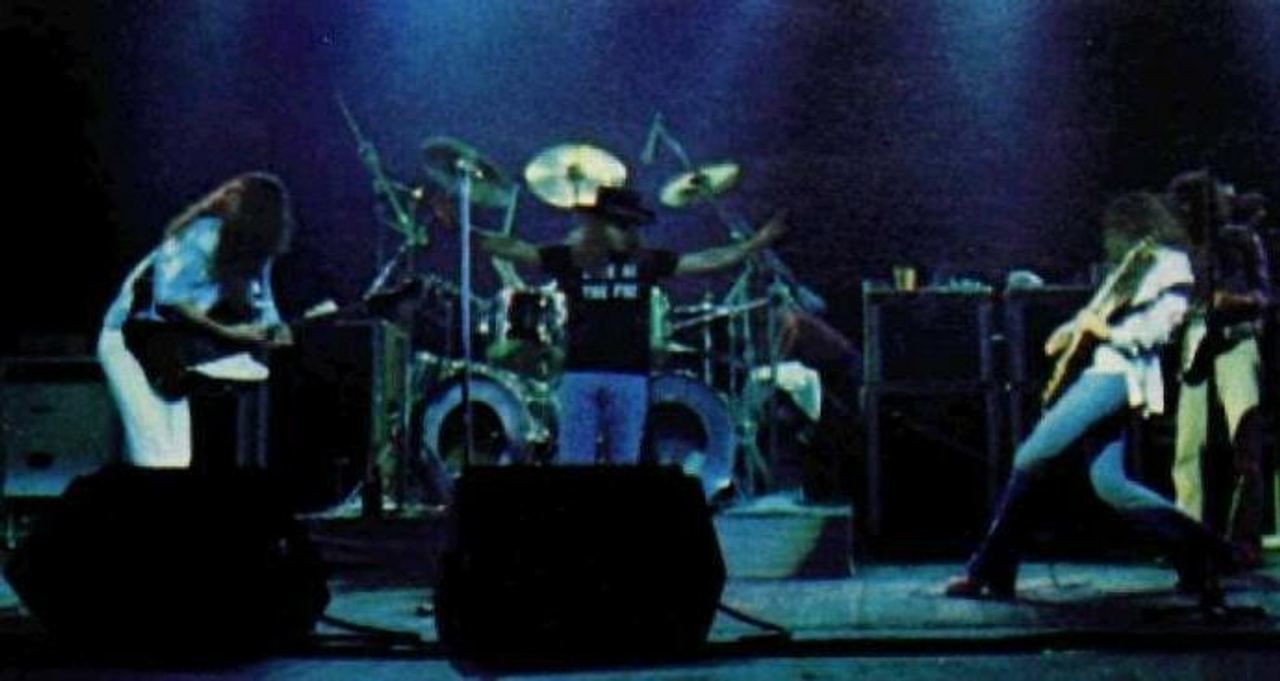
Live, “Free Bird” became a ritual. Audiences did not just hear it; they anticipated its arc, waiting for the moment the reflective opening would give way to the storm. In concert, that progression made the song communal, turning patience into payoff and transforming a personal meditation into a shared catharsis.
Its reputation grew accordingly. Among Southern rock recordings, “Free Bird” stands apart because it captures several of the style’s defining traits at once: regional identity without narrowness, muscular musicianship, emotional directness and a deep investment in the electric guitar as both storytelling tool and spectacle. Even listeners who know only a few Skynyrd songs usually know what “Free Bird” is supposed to feel like when it takes off.
The enduring image at the heart of the song
For all its fame as a guitar epic, “Free Bird” lasts because of its central image. A bird in flight is one of the oldest symbols in popular music and poetry, yet Van Zant’s use of it remains effective because it is tied so closely to choice. The song’s freedom is not abstract. It is the ability to leave, to keep moving, to resist being pinned down.
That is also what gives the song its bittersweet edge. Freedom here is exhilarating, but it is not uncomplicated. The same motion that promises liberation can also mean separation. “Free Bird” lives in that contradiction, which may be why it has survived as more than a classic-rock set piece: beneath the legendary solo, it is still a song about what it costs to keep flying.
Quick Facts
- Song: “Free Bird”
- Artist: Lynyrd Skynyrd
- Writers: Allen Collins and Ronnie Van Zant
- First appeared on: Lynyrd Skynyrd’s 1973 debut album
- Known for: Its slow ballad opening and extended guitar finale
- Legacy: Top 20 U.S. single, concert ritual and Southern rock staple
Image credits: MCA Records / Wikimedia Commons / Public domain; MCA Records / Wikimedia Commons / Public domain; MCA Records / Wikimedia Commons / Public domain.

