
Celebrities & Music
Before Kerosene opened at number one in March 2005, Miranda Lambert spent her teen nights singing in loud East Texas bars while her mother sold homemade CDs by the entrance.
Years before Kerosene debuted at number one in 2005, Miranda Lambert built her career playing East Texas bars as a teenager while her mother sold homemade CDs and shirts near the door. That hard-earned independence shaped the uncompromising sound that carried her to her first major-label breakthrough.

When nineteen-year-old Miranda Lambert sat down opposite Sony Music Nashville chief John Grady in September 2003, she made it clear that if the label was not going to allow her to record her own songs, she was perfectly willing to grab her guitar and head straight back to playing East Texas bars.
That readiness to walk away had been built long before her major-label debut, Kerosene, arrived at number one on the Billboard Top Country Albums chart in March 2005. Well before Nashville executives recognized her name, Lambert was a high school teenager carrying equipment into the Reo Palm Isle Ballroom in Longview, Texas.
As the underage lead singer of the venue’s house band and a regular performer with the Texas Pride Band, she learned how to throw her voice above the rattle of longneck bottles and impatient weekend audiences on the same storied dance floor where Elvis Presley, Willie Nelson, and Brooks & Dunn had once performed.
At sixteen, she landed a place on the Johnnie High Country Music Revue in Arlington, which led to a trial recording session in Nashville in 2001. When studio producers put glossy teen-pop country songs in front of her that collided with her grittier instincts, the seventeen-year-old got up, left the session, and went back home to Lindale.
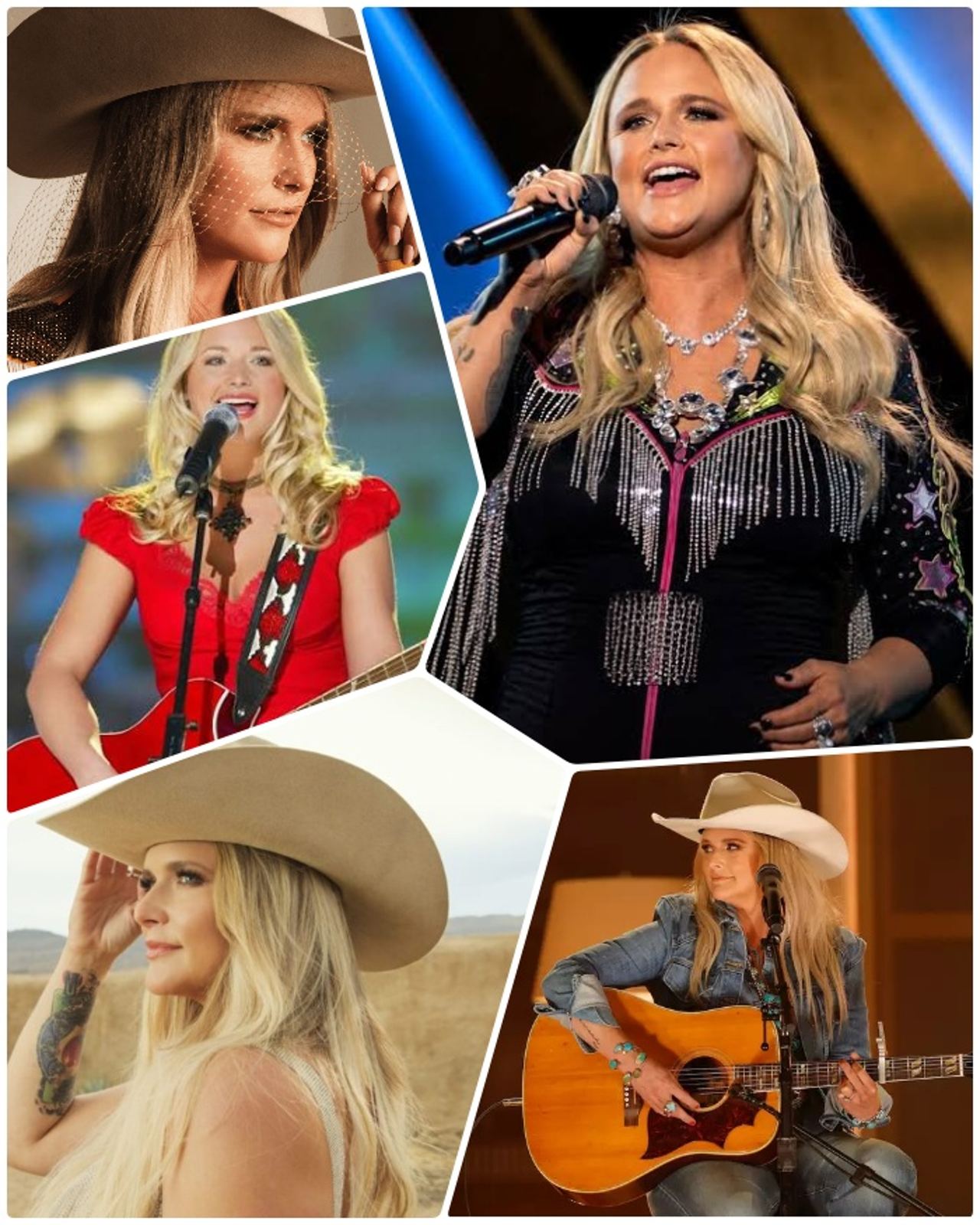
Back in Texas, her parents, former Dallas undercover police officer Rick Lambert and his wife, Beverly June Hughes, operated a private investigation agency and understood how to make things work on narrow margins. Rick taught Miranda her first simple guitar chords so she could quit depending on outside songwriters, create her own material, and accompany herself on small stages when hiring a full band was too expensive.
Drawing on their family savings, the Lamberts paid for a ten-song, self-titled independent album in September 2001, including early versions of “Me and Charlie Talking” and “Greyhound Bound for Nowhere,” both co-written with her father. To move those discs, they booked a draining run of dance halls, smoky honky-tonks, and tiny cafes throughout Lindale, Tyler, Longview, and Nacogdoches.
Because Miranda was still younger than the legal drinking age of twenty-one, some Texas club owners marked off a chalk square around the microphone stand or had her wait outside until it was time for her set to start. Beverly took over as road manager, driver, and protector.
Using the no-nonsense authority she had developed during her years as a private detective, Beverly tracked down bar owners at the end of the night to make certain her daughter was paid every dollar she was owed. During the performances, she sat at a folding table near the front door selling homemade CDs and self-printed T-shirts to help pay for gas, late-night diner food, and the next batch of studio expenses.
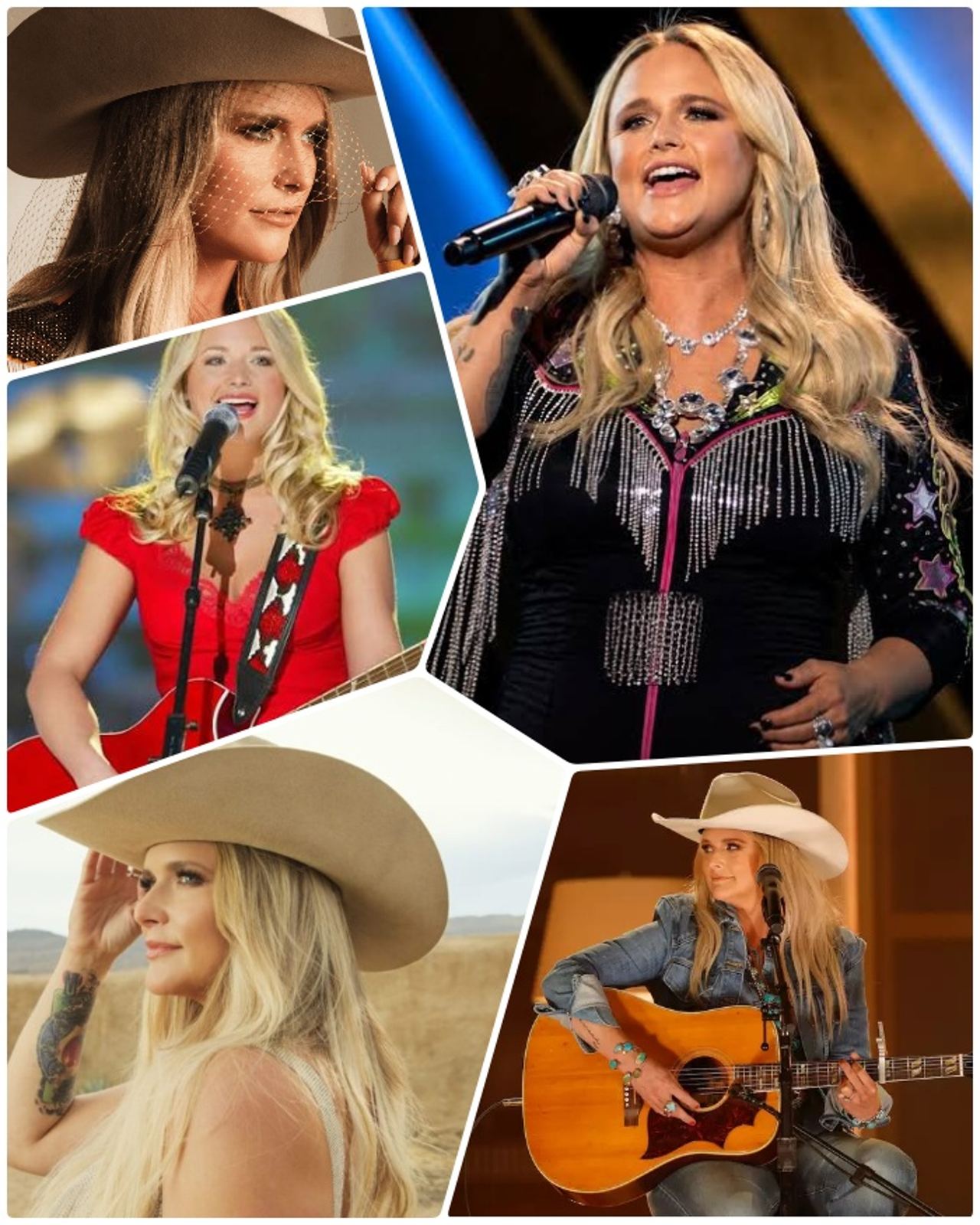
After midnight, once the house lights came on, mother and daughter packed the remaining merchandise boxes into the trunk of the family car and drove through the pine woods toward the next town.
Two years on that East Texas circuit got Lambert ready for the spring of 2003, when she competed on the first season of the USA Network television competition Nashville Star. Singing originals such as “Greyhound Bound for Nowhere” in front of judge Tracy Gershon, Lambert finished third that May.
She later said she was actually relieved not to win the top prize, fearing that a winner’s contract would push her into a prefab mold. Instead, Gershon helped connect her with Sony, where Lambert signed with Epic Records on September 15, 2003, after Grady promised she could make exactly the record she wanted to make.
Teamed with Texas-minded producers Frank Liddell and Mike Wrucke, Lambert spent the following year recording Kerosene without smoothing away her barroom edge. She wrote or co-wrote eleven of the album’s twelve songs, bringing over her independent staples “Me and Charlie Talking” and “Greyhound Bound for Nowhere” from her 2001 family CD.
When she played a raw, driving demo of the title track for alternative country songwriter Steve Earle, and he noticed how closely her riff and melody resembled his 1996 song “I Feel Alright,” Earle admired the intensity in the recording and accepted a co-writing credit instead of stopping the song from being released.
Released on March 15, 2005, Kerosene sold more than 40,000 copies in its first week, debuting at number one on the country album chart, and later earned platinum certification. The blazing title track reached the country top twenty and brought Lambert her first Grammy nomination, proving that the unyielding sound her mother had protected from a folding table by the honky-tonk door did not need polishing at all.
Read more stories
- Richard Sterban’s Final Harmony: Faith, Illness, and the End of a Singular Voice
- How Bankruptcy and Pressure Undid Sammy Kershaw and Lorrie Morgan in 2007
- Long before William Lee Golden performed at the Grand Ole Opry, he was an Alabama farm boy tuning in to Nashville on a battery-powered radio.
- The Helicopter, the Demo Tape, and the Song That Changed Kris Kristofferson’s Life

