
Celebrities & Music
A Timeless Classic: The Enduring Legacy of a 1955 Masterpiece
This article opens with the legacy of a classic 1955 song and then continues through profiles of Johnny Cash’s final recording of “Hurt,” Vicki Lawrence’s unexpected hit “The Night the Lights Went Out in Georgia,” and The Zombies’ slow-burning success with “Time of the Season.”

First penned in 1955, this song has become one of the most iconic in music history, with its influence spanning generations and genres.
Initially brought to life by a talented vocalist, the song’s journey didn’t end there. Over the decades, it has been performed by more than 670 artists in various languages, but it was a famous duo’s 1965 version that truly cemented its legacy and enduring fame.
Their rendition is widely regarded as the definitive take on the song, with its deeply emotional delivery and flawless harmonies resonating with listeners across the globe. The soaring vocals and heartfelt performance elevated the track to a new level of artistry.
The song’s profound emotional power lies in its striking high notes and poignant lyrics, which have continued to captivate audiences for decades. It remains a moving experience for listeners, evoking feelings of nostalgia and deep connection.
One fan eloquently described their reaction to the song, saying, “It sends chills down my spine when he reaches those high notes. It’s heartbreaking to know such incredible talent is no longer with us.” Comments like these highlight the song’s enduring impact on its listeners.
The Righteous Brothers – Vocal Pop Duo | uDiscover Music
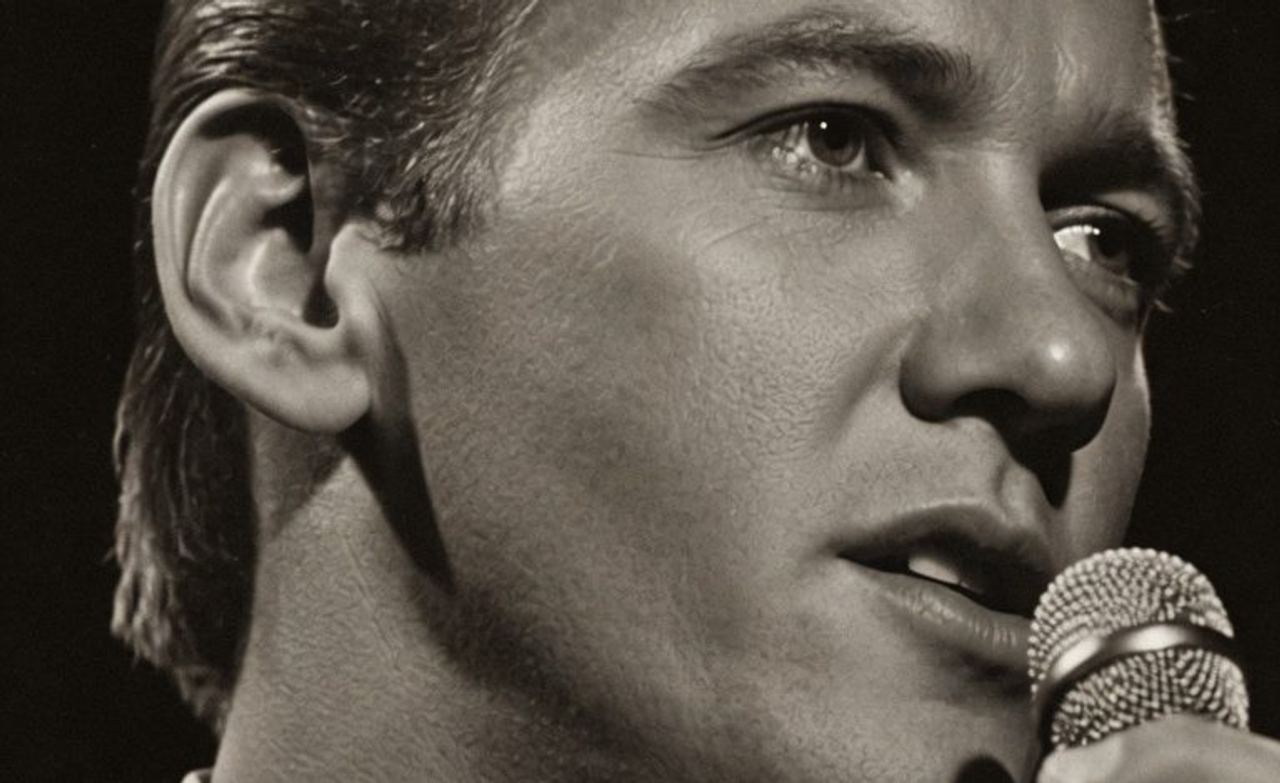
While the famous duo’s rendition is unforgettable, another legendary artist also left an indelible mark on the song. His live performances added another layer of depth and emotion, showcasing an unparalleled ability to make every song uniquely his own.
During the later years of his career, he infused the ballad with distinctive charisma and raw vocal power, creating performances that mesmerized audiences and ensured the song’s timeless appeal remained intact.
His contribution cannot be overstated. Heartfelt interpretations brought the song to new audiences, expanding its reach and ensuring its place in pop culture. Unique artistry transformed each performance into a legend of its own.
The legacy of both the famous duo and this artist’s renditions is a testament to the song’s extraordinary power. Even decades later, their versions continue to breathe life into this timeless ballad, securing its place as one of the most beloved songs of all time.
1 minute read
Continue reading
Johnny Cash and Hurt: The Haunting Final Goodbye of a Legend
The year was 2003, and the world of American music felt like it was shifting under the weight of a new, digitized century. While the MTV generation was busy chasing the polished aesthetics of pop idols, a weary, elderly man stepped into a studio in Hendersonville, Tennessee. Johnny Cash was fading. The man who had once been the Man in Black, a figure of rebellious grit who commanded stages from Folsom Prison to Woodstock, was now frail, his voice brittle with the exhaustion of a lifetime lived at full volume. Yet, when he sat down to record a cover of Nine Inch Nails’ Hurt, he wasn’t just performing a song; he was baring a soul that had seen every shadow of the American dream.
At the time, nobody involved in those sessions realized they were witnessing a final, haunting farewell. Rick Rubin, the producer who had helped resurrect Johnny Cash’s career, wanted to strip away the artifice. He wanted the raw bone of the man. As Johnny Cash sang about empires of dirt and the fragility of human connection, the studio air grew heavy. It was a performance that felt like a dying confession. The song, originally a jagged piece of industrial angst by Trent Reznor, was transformed by Cash into a universal anthem of regret, redemption, and the inescapable truth of mortality. It wasn’t just a cover; it was a mirror held up to the human condition.
This wasn’t the first time Johnny Cash had stared down the darkness. His life had been a turbulent cycle of addiction, spiritual crisis, and profound love, often overshadowed by the relentless pressure of fame. He had survived the pill-popping exhaustion of the touring life in the sixties and the public scrutiny that followed his every move. But by 2003, the external drama had fallen away, leaving behind a man who had made peace with his ghosts. When the music video for Hurt was released, the black-and-white imagery of a shaking, elderly Johnny Cash sitting among the dusty artifacts of his past, including his iconic costumes, struck a chord that resonated deeply with anyone who had ever felt the passage of time slip through their fingers.
It is rare for an artist to dictate their own requiem, but that is exactly what happened. The song serves as a bridge between the golden era of rock and the melancholic introspection of modern life. Even decades later, it stands as a testament to the power of authenticity in an industry that so often favors the manufactured. Every crack in his voice, every labored breath, serves as a reminder that legends are not made of stone; they are made of blood, tears, and the courage to face the end with open eyes.
Today, when we listen to that recording, we aren’t just hearing a song from the twilight of his career. We are hearing the echo of a man who lived a thousand lifetimes and found the grace to say goodbye on his own terms. Johnny Cash taught us that there is a quiet, devastating beauty in being human, and as long as his voice remains on the record player, he is never truly gone. The Man in Black may have crossed the final horizon, but his haunting, final farewell continues to pull at our hearts, reminding us to hold on tight to the moments that truly matter.
The Dark Murder Ballad Vicki Lawrence Turned Into a Number One Hit
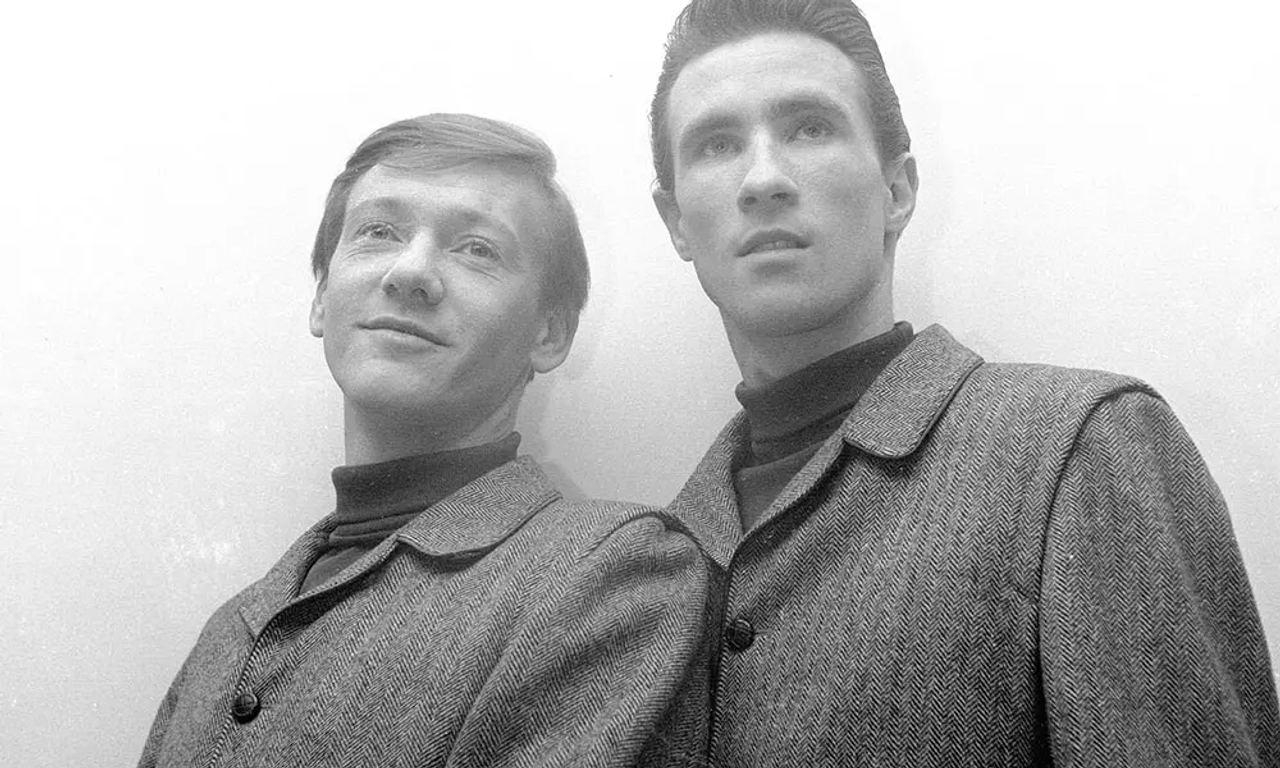
In the golden era of the early 1970s, the airwaves were dominated by AM radio hits and the rising influence of television variety shows. Yet, beneath the polished veneer of celebrity, a chilling, macabre song was waiting for its moment. It was a dark southern murder ballad titled The Night the Lights Went Out in Georgia, a track that would eventually define the musical career of Vicki Lawrence. Before it became a household anthem, however, it was a rejected manuscript left on the cutting room floor of Hollywood power couple Sonny and Cher. Sonny Bono, notoriously guarded about the songs he allowed into their orbit, famously dismissed the composition as too grim and uncommercial for Cher to record. He could not have been more wrong.
When the demo tape reached Vicki Lawrence, she saw something in the haunting narrative that the industry elite had overlooked. At the time, Vicki Lawrence was primarily known as the sharp-witted comedic foil on The Carol Burnett Show. The public viewed her as a television personality, rarely as a serious musical contender. Yet, she possessed a grit that allowed her to tap into the gothic storytelling of the song. As she stepped into the recording booth, she wasn’t just performing a tune; she was inhabiting the character of a woman caught in a web of Southern injustice and betrayal. The haunting tension in her delivery provided the perfect contrast to the era’s bubblegum pop sensibilities.
Released in 1973, the song bypassed the gatekeepers and climbed the Billboard Hot 100 with a momentum that shocked the music establishment. It was a bizarre, gripping tale of a small-town judicial tragedy that felt ripped from the pages of a noir thriller. While listeners were spinning their records on home hi-fis or catching the song on the radio while driving their classic sedans, they were mesmerized by the dark, cinematic quality of the lyrics. Vicki Lawrence proved that a performer could bridge the gap between television fame and musical credibility, turning a discarded script into a haunting legacy that defied the expectations of the industry.
This success was a true David and Goliath moment in music history. It remains a fascinating footnote from an era defined by the transition from the psychedelic rock of the late sixties to the more introspective sounds of the seventies. The fact that Sonny Bono rejected it only adds to the mythos, serving as a reminder that even the most seasoned hitmakers can miscalculate the public’s appetite for darker, more narrative-driven storytelling. For Vicki Lawrence, it was a crowning achievement that proved talent and intuition often trump the calculated strategies of industry producers.
Even today, the song resonates with a timeless, eerie quality that few pop hits from that period managed to capture. It remains a testament to the power of a story told well, even when the subject matter is drenched in shadows. Whenever we hear those iconic opening notes, we are transported back to a time when a simple radio play could captivate a nation. Vicki Lawrence turned a mistake into a masterpiece, leaving an indelible mark on the soundtrack of our collective memory.
How The Zombies' "Time of the Season" Became a Late-Blooming Global Hit
Released in 1968, “Time of the Season” by The Zombies arrived like a gentle echo in a year defined by chaos, rebellion, and experimentation.
With its hypnotic rhythm, hushed vocals, and eerie, call-and-response structure, the track didn’t just reflect the spirit of the era—it preserved it in sound.
Though it initially went unnoticed in the UK and underwhelmed at first in the U.S., it later surged up the American charts to become a surprise Top 10 hit in 1969.
Over time, it evolved into a quintessential psychedelic anthem, embodying both the dreamy optimism and fragile uncertainty that defined the tail end of the 1960s.
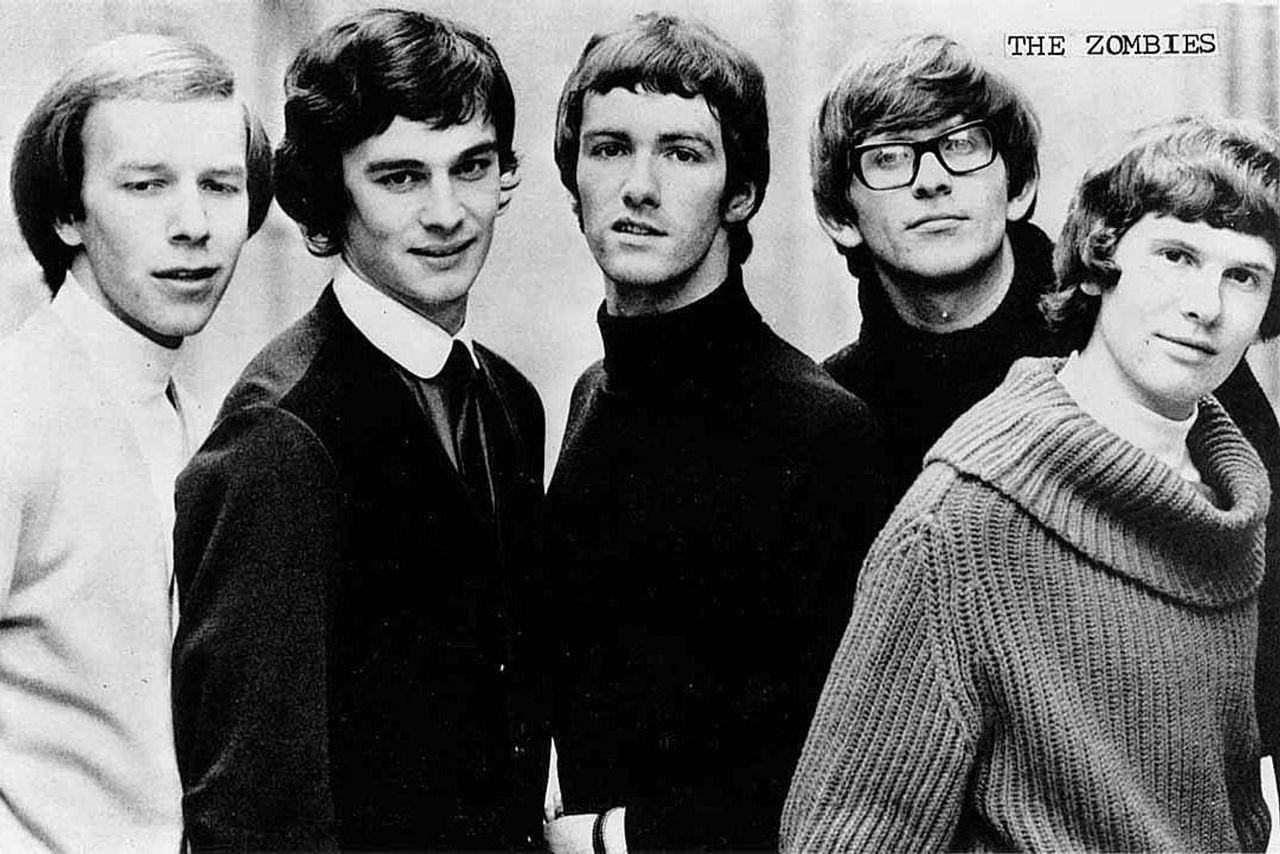
The Zombies had already made their mark in the British Invasion with hits like “She’s Not There” and “Tell Her No.”
Formed in St Albans, England, in 1961, the group stood apart from their peers.
While other bands leaned on blues riffs and brash vocals, The Zombies approached pop with jazz sensibilities, baroque arrangements, and restrained vocal performances.
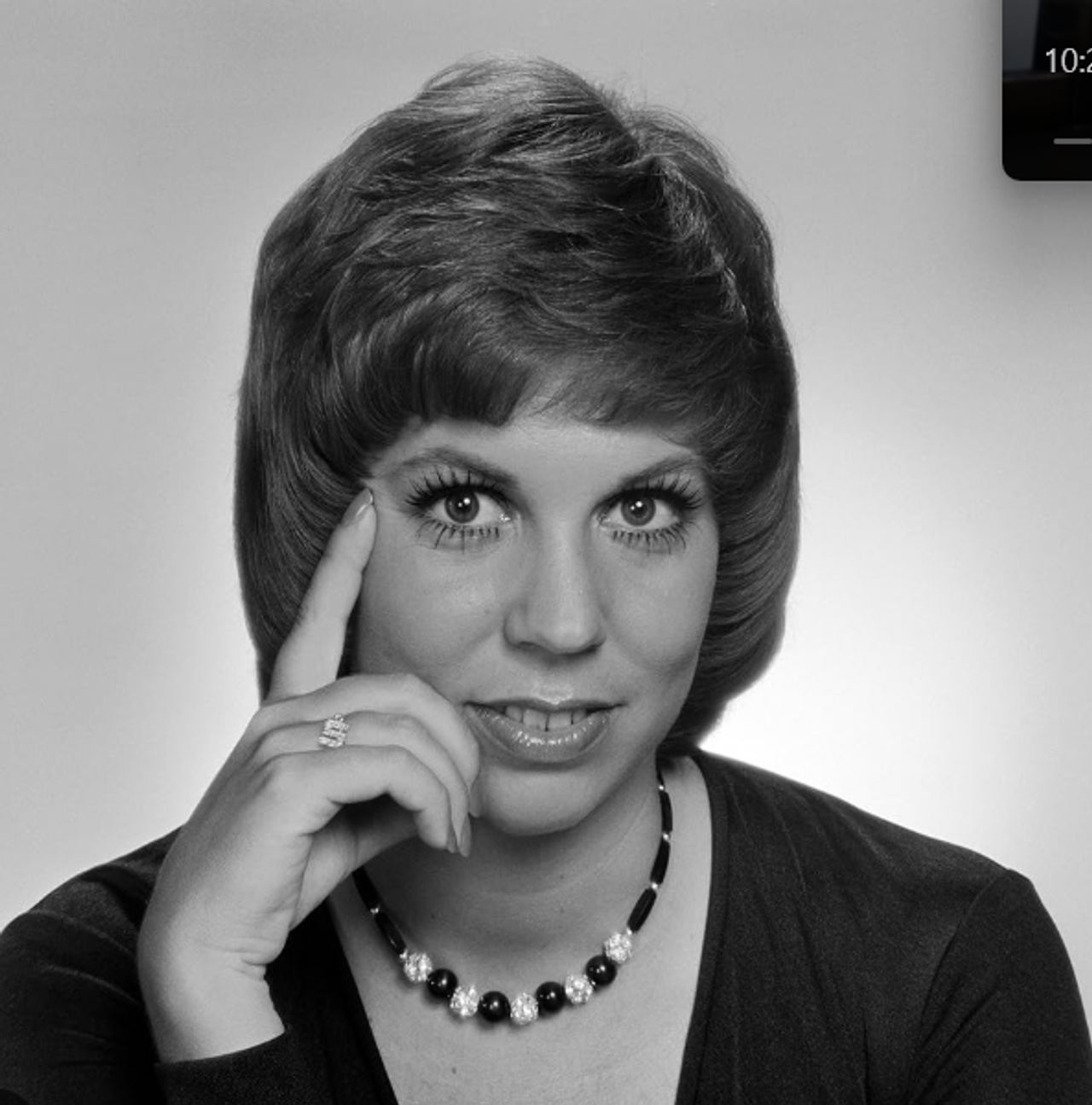
Keyboardist Rod Argent and lead singer Colin Blunstone served as the creative anchors—Argent with his compositional sophistication and Blunstone with his airy, breathy delivery that seemed suspended in another world.
“Time of the Season” was written by Rod Argent during the sessions for the band’s second and final studio album, Odessey and Oracle.
The song was conceived at a time when The Zombies were already unraveling.
Tensions within the group, financial strain, and frustration with their record label loomed large.
Argent drew lyrical inspiration from the Summer of Love ethos still lingering in the cultural air, but he crafted a song that felt more introspective than celebratory.
“What’s your name? Who’s your daddy?” wasn’t a pickup line—it was a veiled meditation on identity and inheritance during a time of transformation.
How Did The 1960s Band The Zombies Come Up With Their Strange Name?
The track was recorded at Abbey Road Studios in 1967, just weeks after The Beatles wrapped up Sgt. Pepper’s Lonely Hearts Club Band.
The atmosphere was ripe for experimentation, and Argent took full advantage of the studio’s resources.
Using a Vox Continental organ, he constructed the now-iconic riff—part trance, part groove—which gave the song its hypnotic foundation.
The breathy, conversational vocals from Blunstone offered a stark contrast to the usual psychedelic bombast of the day.
Rather than push for volume, the song whispered, inviting listeners into its groove like a secret.
Ironically, upon its release, the song fell flat in the UK and received little fanfare in the United States.
The Zombies had already disbanded by the time it started climbing the charts in early 1969, propelled by underground radio and growing demand in the U.S.
It eventually peaked at No. 3 on the Billboard Hot 100, giving the band their biggest American success.
The irony was not lost on the group—by the time they had their greatest hit, they no longer existed.
Culturally, “Time of the Season” became a touchstone for the psychedelic era, though it didn’t rely on the usual sonic tropes.
There were no screaming guitars or overloaded effects pedals—just a haunting sense of space and rhythm.
It captured a more introspective, sensual side of psychedelia, aligning more closely with the spiritual and poetic undercurrents of the late 1960s.
The Zombies: Hertfordshire band enter Rock and Roll Hall of Fame
It was a song for twilight, not for protest marches or festivals.
The unexpected success of the song brought renewed attention to Odessey and Oracle, which had been largely ignored upon release.
Critics began reevaluating the album, eventually hailing it as one of the most innovative and beautiful records of the psychedelic period.
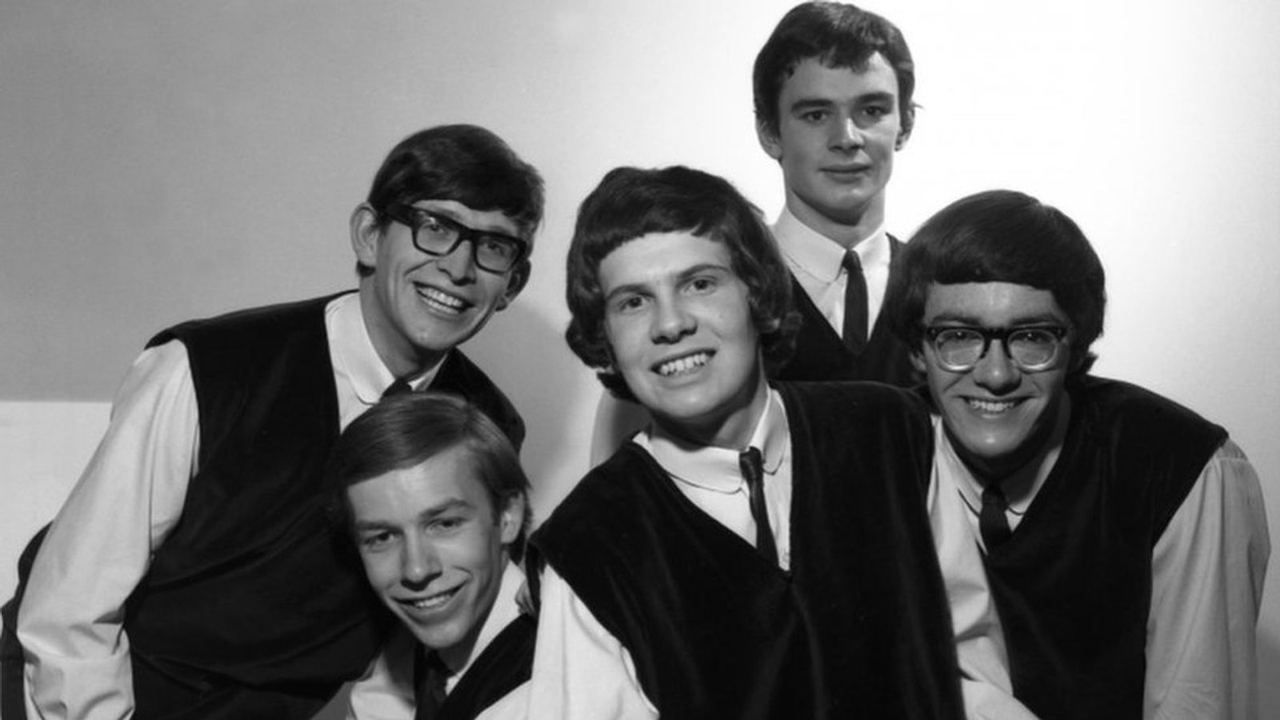
For The Zombies, it was a bittersweet moment—validation arriving after the curtain had already closed.
Still, the song’s popularity opened doors for the surviving members to pursue solo projects and future reunions.
Its influence can be felt in the works of artists who followed, particularly those who embraced subtlety over spectacle.
Bands like Air, The Flaming Lips, and even Tame Impala have drawn from its dreamy, syncopated style.
“Time of the Season” helped show that psychedelic rock didn’t need to scream—it could float, drift, and linger.
Over the decades, the song has been covered, sampled, and reinterpreted by a wide range of artists, from hip-hop producers to indie rockers.
Eminem used a portion of the song in his track “Rhyme or Reason,” and its unmistakable bass line and organ riff have appeared in film soundtracks and television series, often deployed to evoke a mood of wistful retrospection or swirling nostalgia.
Around the time the song finally found success, Colin Blunstone had already stepped away from music, working in insurance before slowly returning to the studio in the 1970s.
Rod Argent, meanwhile, formed his own band, Argent, and achieved chart success with songs like “Hold Your Head Up.”
The Zombies React to Rock and Roll Hall of Fame Induction
Yet “Time of the Season” remained a defining chapter—an echo from a project that was almost lost to time.
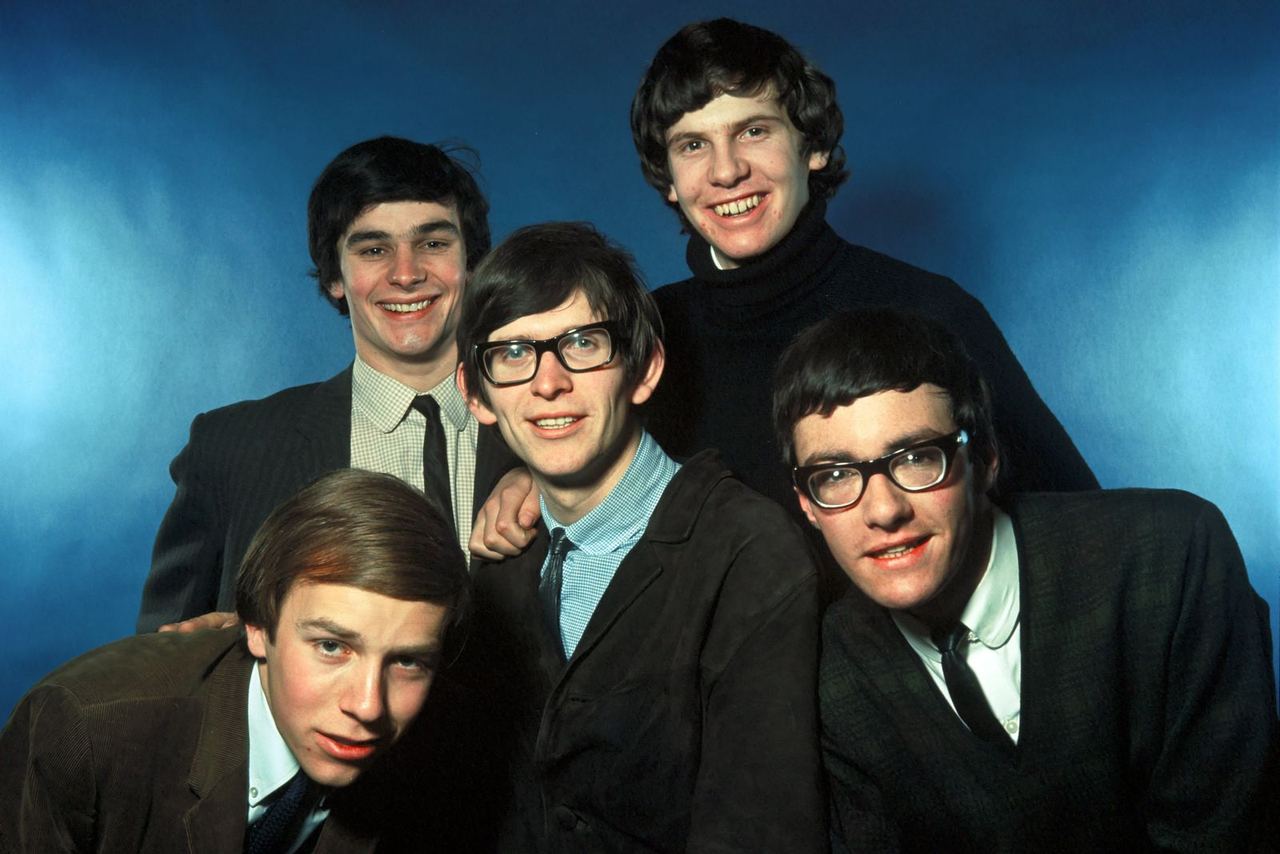
Its long-term legacy is undeniable.
It continues to feature in documentaries, playlists, and retrospectives about the 1960s, often cited as one of the era’s most enduring and enigmatic tracks.
Despite its late bloom, it has become one of The Zombies’ most recognizable and celebrated works, alongside “She’s Not There.”
In 2019, the band was inducted into the Rock and Roll Hall of Fame, with this song standing as a testament to their timeless appeal.
The track also helped shape how music historians view commercial failure.
It’s a case study in how timing, radio, and cultural shifts can breathe life into a song long after its creators have moved on.
“Time of the Season” demonstrated that art sometimes needs the right moment to bloom—and that moment isn’t always when the ink dries on a record contract.
More than five decades later, “Time of the Season” remains a song out of time—ethereal, seductive, and strangely eternal.
For a band that was already fading when it was released, the song became a kind of resurrection.
For the world, it captured a fleeting moment when everything seemed on the verge of change.
Ultimately, it’s a song that refuses to be forgotten.
Like a memory that resurfaces in a quiet moment, “Time of the Season” drifts through the decades, still asking that curious, whispered question: “What’s your name? Who’s your daddy?”
And in doing so, it reminds us that even the most subtle voices can leave the deepest echoes.
4 minutes read
Read more stories
- At my grandson’s baby shower, my daughter-in-law tossed my hand-knitted blanket in the bin: “We
- When my son got married, I never told anyone I had inherited my late husband’s
- At 2:17 in the Morning, a Starving Child Called 911 and Exposed the Men Who Ruled Elmbridge. Four Days Later, Her Father’s Last Promise Brought an Entire Police Department to Its Knees.
- NTU A Mother Found a Hidden Object in Her Child’s Backpack After a Bite