
Celebrities & Music
When Gene Watson stepped onto the tour bus in the months after his wife’s passing, the sil
When Gene Watson stepped onto the tour bus in the months after his wife’s passing, the silence inside felt heavier than any room he had ever walked into.
For s

When Gene Watson stepped onto the tour bus in the months after his wife’s passing, the silence inside felt heavier than any room he had ever walked into.
For sixty-one years, Mattie Louise Bivins Watson had been the steady rhythm behind his life. She was there in 1961 when they were teenagers arriving in Houston with empty pockets, counting loose change to cover rent on run-down apartments. She was there when he worked twelve-hour shifts breathing paint fumes in auto body shops, carefully stretching meager portions of food so he could keep going. She sat through the long nights at local beer joints when nobody knew his name, and she stood by his hospital bed around the clock in 2000, holding his life together through advanced cancer. She was not only his wife; she was the foundation his entire world had been built on.
Then, the life they created together came to an inevitable, agonizing stop. When Mattie passed away, Gene was suddenly left behind in a quiet house filled with six decades of shared memories. The chairs she sat in were still there, her belongings remained in place, but the voice that had anchored his survival was gone. The grief was not something that disappeared with the morning light; it settled into every corner of his daily life.
Many believed that at his age, after enduring such devastating loss, Watson would simply walk away from music. He had earned the right to step back, shut the front door, and spend his remaining years in quiet seclusion. Instead, he decided to keep singing.
Watson packed his stage suits, stepped back onto the road, and walked beneath the harsh glare of concert spotlights. To audiences in packed auditoriums, he was still the uncompromising country master, delivering timeless ballads with the same precision and rich resonance that had defined his career. His voice did not waver, and his discipline never broke during performances. He honored every date on his calendar, giving crowds the songs they had loved for generations.
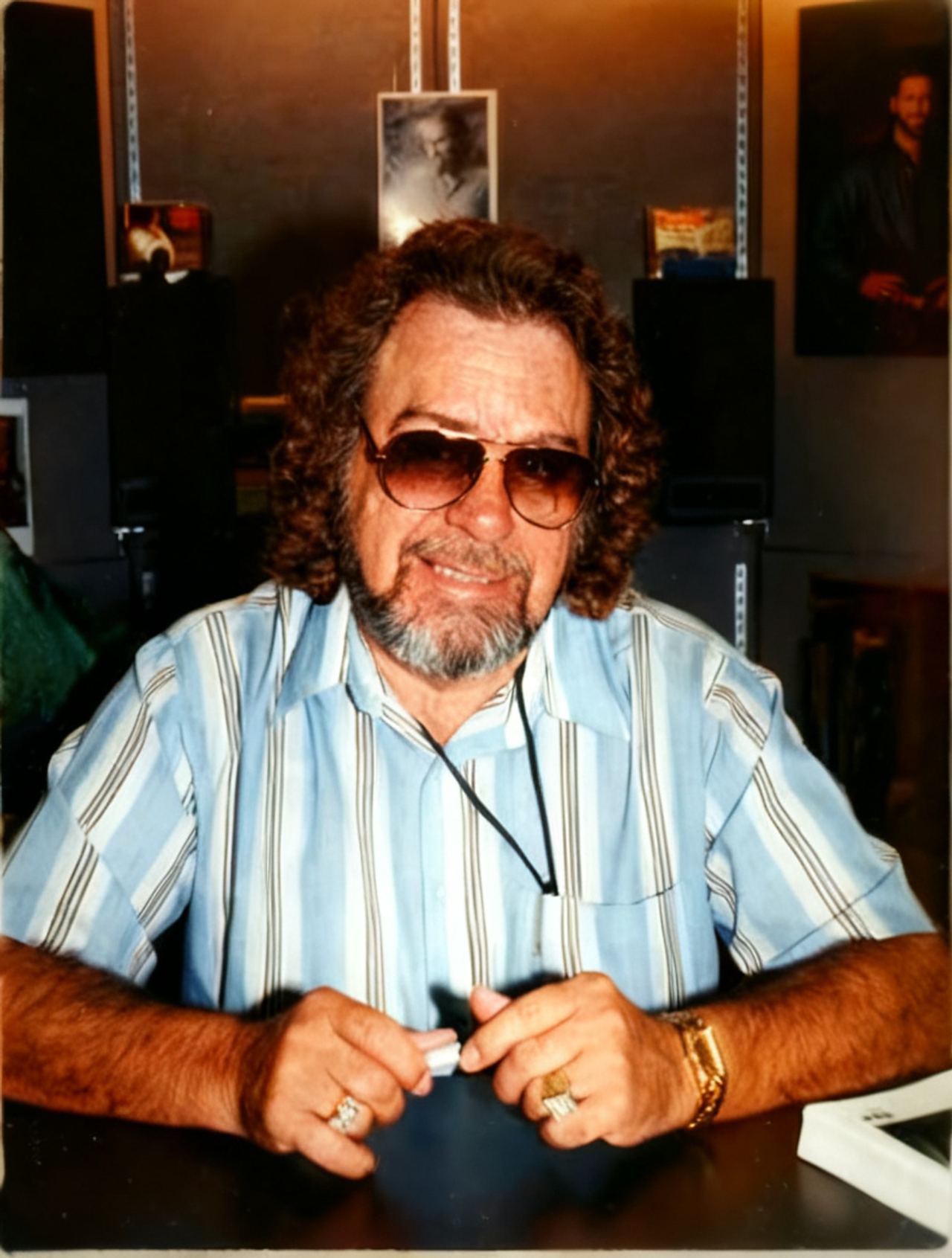
Yet anyone who looked closely could see the lingering reality. Between songs, whenever the conversation turned toward home, family, or the long decades spent on Texas roads, his posture changed. A quiet shadow passed over his face, and his eyes showed an ache that no amount of applause could ease. The roar of thousands of fans could fill a hall, but it could not reach the silence waiting for him back in his private quarters.
Offstage, Watson made no effort to hide how much he missed her. He did not put on a facade of effortless resilience. He openly acknowledged the deep loneliness of walking through a home that had lost its center. The road, which had once been a shared journey of endurance and triumph, had become a solo vigil. Every city he visited and every hotel room he opened carried the invisible weight of her absence.
Gene Watson continues to tour, honoring the craft that took a lifetime to build. But the man holding the microphone is no longer chasing fame or looking for approval. He sings as a widower who gave his heart to one woman in youth, walked beside her through poverty and illness, and now carries her memory across every stage until the day he can finally lay the microphone down.
Every stage remains a quiet tribute to the woman who walked beside him from the very beginning.
For those who cherish the enduring marriages that shaped classic country legends, many more stories of lifelong devotion are still being preserved here on this page.
Read more stories
- At 82, Connie Smith Still Sings in the Present
- The Last Promise: Kenny Rogers, Dottie West, and a Final Moment in a Nashville ICU
- Jerry Reed served two years in the United States Army with an acoustic guitar resting against his military bunk.
- The Last Christmas Harmony: How Dolly Parton, Randy Parton and Heidi Parton Turned One Holiday Song Into a Family Farewell

