
Celebrities & Music
Jerry Reed served two years in the United States Army with an acoustic guitar resting against his military bunk.
The article recounts how Jerry Reed used his Army service years to keep writing songs, mailing demos from military bases while supporting his young family. One of those songs became a Brenda Lee hit, launching Reed’s path from enlisted soldier to Nashville star.

Drafted in 1959, Jerry entered uniform just months after marrying Priscilla Mitchell. Stationed far from home between grueling field drills, the young soldier faced the reality of supporting a growing household on meager military pay, especially after the birth of their first daughter.
Instead of setting his instruments aside, Jerry used whatever spare moments he had in the barracks to write songs on his acoustic guitar. He taped demos whenever possible and mailed the rough recordings directly from the base post office to publishers and producers in Nashville.
In 1960, pop phenom Brenda Lee chose one of those mailed compositions, recording That’s All You Gotta Do. The track quickly climbed to number six on the national pop charts, serving as the B-side to Lee’s massive hit I’m Sorry.
The publishing checks arrived right when the young family needed them most, far exceeding a soldier’s regular wage and securing Priscilla and their newborn baby back home. By the time Jerry completed his service in 1961, the barracks had forged him into a tested Nashville writer, returning home to his family with real momentum and an unshakeable craft.
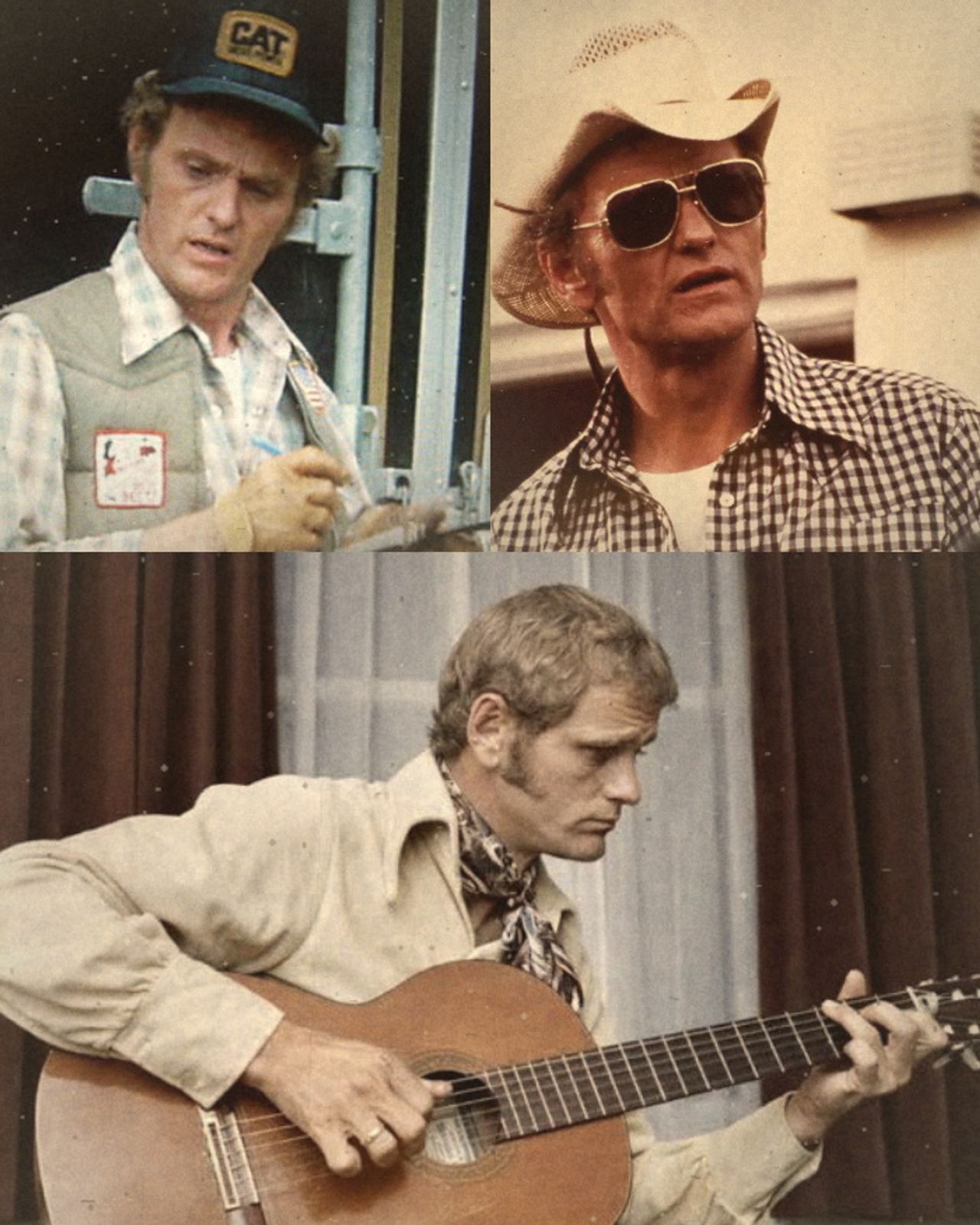
Jerry Reed spent his off-duty Army hours in the barracks working out melodies on a flat-top guitar while his bunkmates slept.
When the draft board summoned Jerry Reed Hubbard in 1959, he was twenty-two years old and barely three months into his marriage to singer Priscilla Mitchell. He had spent the late 1950s in Atlanta cutting rockabilly sides for Capitol Records and playing local dates booked through publisher Bill Lowery. The records sold moderately in Georgia, but they yielded little financial security. Stepping away from regional circuits to enter military service threatened to halt whatever professional progress he had managed to scratch out.
Stationed between assignments at Fort Jackson in South Carolina and Fort Gordon in Georgia, Private Hubbard quickly learned the math of military compensation. A private’s monthly paycheck offered little cushion for a household that soon welcomed their first daughter, Charlotte. Rather than treating drill schedules and rifle inspections as a forced pause, Jerry leaned entirely on his songwriting, carrying an acoustic instrument back to his quarters whenever duty permitted.
He worked out chord progressions on a portable acoustic guitar, captured rough takes on small home tape recorders, and packaged the reels into padded mailers. From base post offices, he dispatched the envelopes directly to Atlanta publisher Bill Lowery and contacts inside Nashville’s publishing houses.
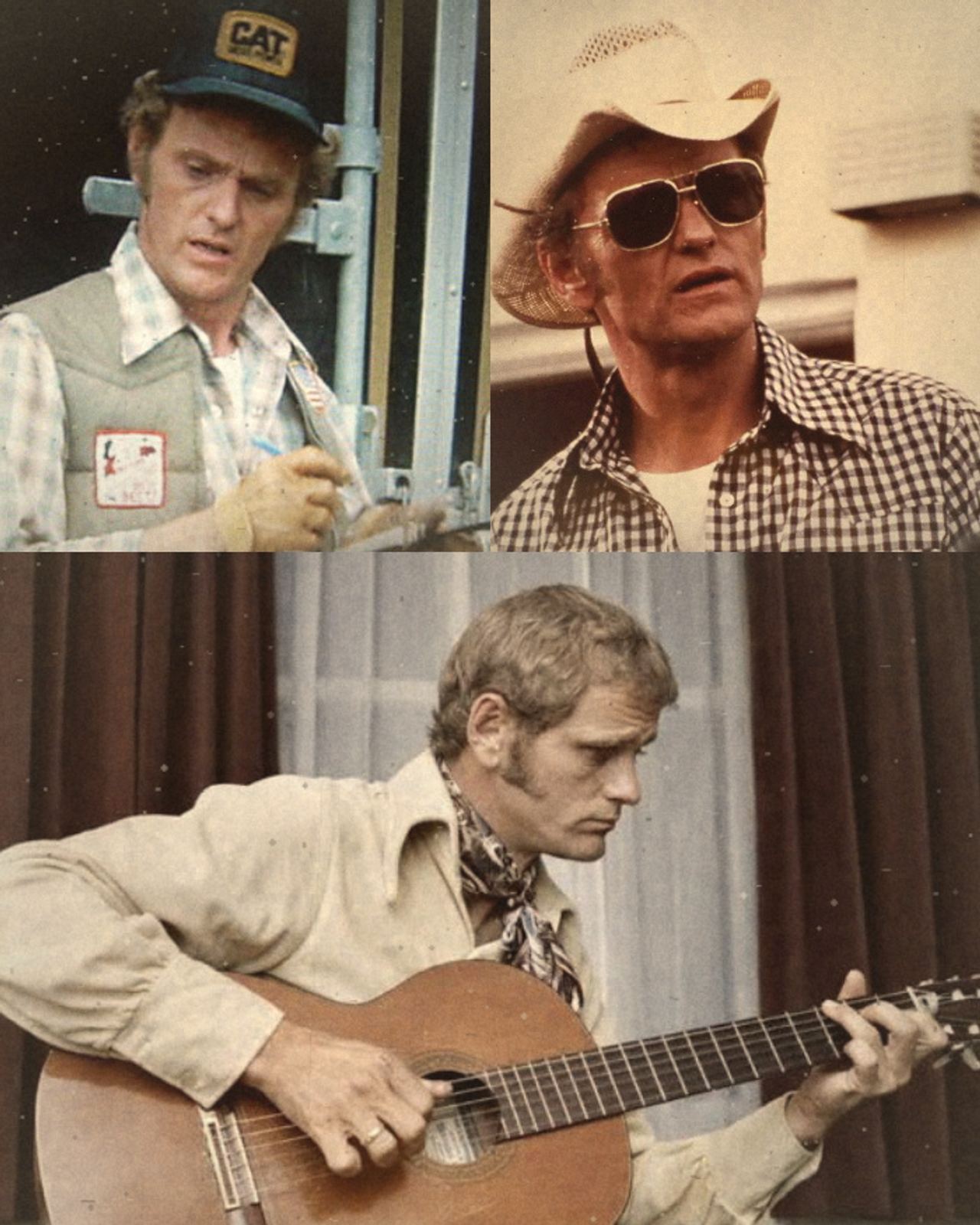
One of those plain postmarked parcels landed on the desk of producer Owen Bradley in Nashville, who was assembling material for teenage vocal prodigy Brenda Lee. Bradley paired Jerry’s rhythm-heavy number, “That’s All You Gotta Do,” on the flip side of a country-pop ballad titled “I’m Sorry.”
Released in the spring of 1960, both sides exploded across commercial radio. While “I’m Sorry” took the top spot, “That’s All You Gotta Do” climbed independently to number six on the Billboard Hot 100 pop chart. For a young soldier earning standard enlistment pay, the royalty checks arriving in the mailbox permanently altered his family’s footing. The publishing income provided immediate stability for Priscilla and their newborn baby while proving that Jerry’s unconventional writing style could compete on nationwide airwaves.
The breakthrough also marked Jerry as a distinctive compositional talent before decision-makers even saw his face. When his active-duty tour ended in 1961, he did not return to Atlanta to restart from scratch. Instead, he moved Priscilla and Charlotte directly to Nashville, stepping into an industry that already recognized his name on song registration sheets.
Music City producers quickly realized that the unusual percussive syncopation on his demo tapes came from a rare, self-taught clawhammer technique. Chet Atkins, head of RCA Victor’s Nashville division, recognized Jerry’s natural brilliance and immediately brought him into elite session rooms. Throughout the mid-1960s, Jerry became a first-call rhythm and acoustic guitarist, adding distinct picking patterns to legendary recordings by Porter Wagoner, Bobby Bare, and Elvis Presley. Presley was so captivated by the distinct bounce on Jerry’s tracks that he famously brought Reed into the studio simply because nobody else in town could duplicate his thumb-work.
By 1967, Atkins signed Jerry as a solo recording artist for RCA Victor, encouraging him to embrace his natural Southern humor, rapid-fire storytelling, and fiery instrumental solos. Over the following decade, songs like “Guitar Man,” “Amos Moses,” and the chart-topping “When You’re Hot, You’re Hot” established him as an American household name. His crossover success eventually caught Hollywood’s attention, leading to memorable film roles and lasting status within the Country Music Hall of Fame.
The national awards and silver-screen appearances were still a decade away when Private Hubbard mailed off those cassette rolls from military bases. The career that defined an era of country music was held together by a young father strumming quiet chords on a barracks mattress, making sure his family had groceries waiting back home.
Read more stories
- The Last Christmas Harmony: How Dolly Parton, Randy Parton and Heidi Parton Turned One Holiday Song Into a Family Farewell
- Kenny Rogers’ Quiet Final Years: Why the Road Ended at Home
- Scotty McCreery was seventeen years old when he walked into an American Idol audition room with a deep baritone that stunned judges who expected a teenager to sing contemporary pop.
- How Marty Stuart Helped Rekindle Connie Smith’s Voice on Her 1998 Comeback Album

