
Human Stories
My Parents Publicly Gifted My House To My Brother At His Engagement Party, The Same House I Spent $30K Renovating. “You Need To Move Out,” My Dad Announced Casually. After The Party, My Brother Texted, “Move Out Immediately. You Have Two Days.” So I Quietly Hired A Crew And Gave Them A Surprise They Never Expected…
A woman is humiliated when her parents publicly gift her apartment to her twin brother at his engagement party and then demand she move out within two days. She begins documenting everything she paid for, uncovers hidden family lies about the apartment and a $30,000 transfer, and prepares to remove what is rightfully hers.

Part 1
My name is Avery Whitlock, and I learned the exact sound of betrayal at 8:43 on a Saturday night.
It sounded like champagne glasses touching.
It sounded like my mother laughing too loudly under a chandelier.
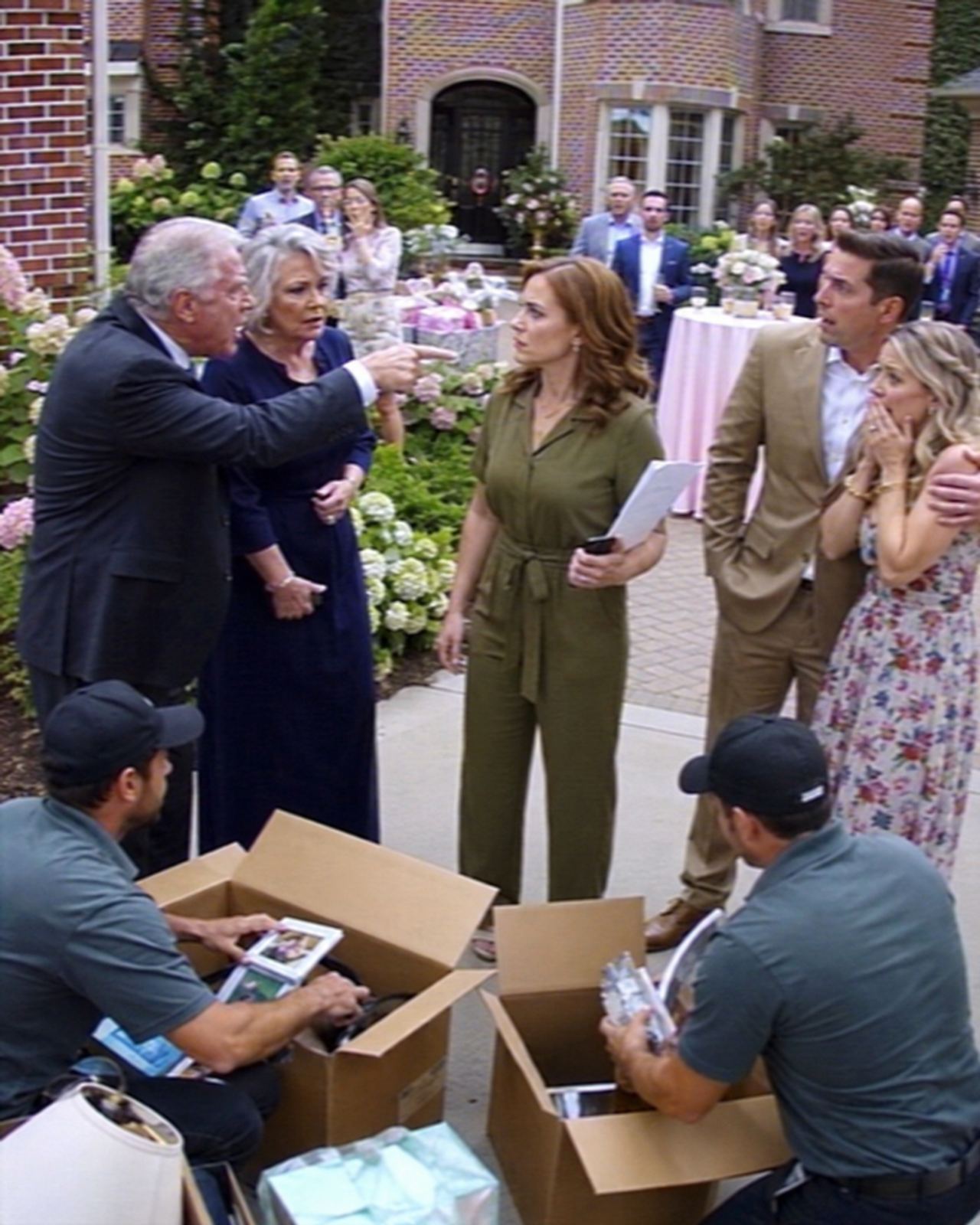
It sounded like my father clearing his throat in a room full of people and saying, “Connor, your mother and I wanted to give you and Claire something meaningful to start your marriage.”
Everyone turned toward my twin brother.
Connor was older-looking in all the ways people admired. Taller, broader, sun-browned from weekend golf with Dad. I was older by six minutes, but in my family, six minutes had never counted for anything.
Claire, his fiancée, stood beside him with her hand over her mouth, already crying before she knew what the gift was. Her parents smiled from near the fireplace. My mother’s pearls shone against her navy dress. My father held a cream envelope like he was about to deliver a blessing.
I remember the smell of lemon polish on the hardwood floor. I remember the heat from the fireplace pressing against my shins. I remember my own glass of white wine sweating cold drops onto my fingers.
Dad handed Connor the envelope.
Connor opened it slowly, dramatically, because Connor had always understood the room belonged to him.
He pulled out a folded document.
His face changed.
Not surprise.
Recognition.
“Oh my God,” Claire whispered.
Dad clapped Connor on the shoulder. “It’s time, son.”
Connor’s voice cracked just enough to sound humble. “You’re giving us the apartment?”
The room burst open.
Applause. Cheers. Someone shouted, “That’s incredible!” Claire threw both arms around Connor’s neck. My mother wiped fake tears from the corner of her eye.
I stood near the dessert table, still holding my glass.
The apartment.
My apartment.
The place where I had lived for five years. The place I had paid rent on every month. The place I had repaired after my grandmother died and my parents said they couldn’t afford to keep it habitable. The place with my backsplash tiles, my floors, my appliances, my curtains, my hands in every corner.
The place Dad once called “your future, Avery.”
My father looked over the room, glowing. “Family helps family build a life.”
I almost laughed.
Aunt Barbara didn’t.
She stood near the window in a red cardigan, her lipstick too bright and her expression too sharp. “Wait a minute,” she said, loud enough to cut through the applause. “Isn’t that where Avery lives?”
The room softened into awkward silence.
Every face turned.
Connor’s arm tightened around Claire.
My mother’s smile did not move, but her eyes hardened. “Avery has been staying there,” she said lightly, like she was correcting a child’s grammar. “We’ve been very generous.”
“Staying?” I heard myself say.
My voice sounded small, unfamiliar.
Dad looked at me with that warning expression I’d known since childhood. Not here. Not now. Not when Connor is shining.
“You’ll have two days to move out,” he said.
Two days.
A laugh escaped someone, nervous and quick, then died.
The chandelier hummed above us. Claire’s engagement ring flashed as she lowered her hand from Connor’s shoulder. She looked at me, confused now, not celebrating.
I tried to speak again, but my throat locked around thirty-two years of swallowed words.
Then Connor said, softly, almost kindly, “Aves, don’t make this weird.”
That was when something inside me went still.
Not broken.
Still.
Like a lake before the ice cracks.
I set my glass on the dessert table. The base clicked against marble. My mother flinched, just barely, as if that tiny sound had threatened her.
I looked at my father. Then my mother. Then my twin brother, holding papers to a home he had never scrubbed, paid for, slept in, or loved.
“I won’t make it weird,” I said.
And for the first time all night, my father looked uncertain.
I left before cake was served, but I didn’t go home crying.
I went home listening to the echo of applause, wondering what else had been handed over before I even knew it was mine.
Part 2
The apartment smelled like old rain when I unlocked the door that night.
It always had, faintly, even after five years of paint and bleach and new sealant around the windows. In summer, when the brick warmed up, the walls released a damp mineral smell, like the building remembered storms from decades ago.
I stood in the entryway without turning on the light.
Streetlamp glow cut through the blinds and striped the floor I had installed plank by plank. The kitchen clock ticked. The refrigerator hummed low and steady, the same refrigerator I had bought after the old one died with a puddle of gray water under it.
Two days.
I looked around at the apartment they had just gifted away like a wedding toaster.
My purse slid from my shoulder and dropped to the floor. The sound startled me.
For five years, I had called this place home in a careful, quiet voice, like saying it too loudly would tempt someone to take it back.
That was the thing about growing up in my family. You learned never to hold anything with both hands.
Connor held things with both hands.
Birthday candles. Applause. Excuses. Forgiveness.
I got responsibilities.
When we were kids, people called us “the twins” until they got to know us. After that, Connor was Connor, and I was “his sister.”
At seven, he knocked over Mom’s favorite blue vase while racing through the hallway. I got blamed because I was “supposed to be watching him.”
At ten, he forgot his science project, and I gave him mine. He won second place. Dad took him for ice cream. I stayed home and redid the assignment from memory while Mom told me, “You’re so dependable, Avery.”
Dependable.
That was the word adults used when they meant useful.
The apartment had belonged to my grandmother Evelyn, my father’s mother. She was the only person in the family who said my name like it mattered. She smelled like lavender hand cream and peppermint tea, and when she hugged me, she didn’t look over my shoulder to see where Connor was.
After she died, the apartment sat empty for almost a year.
Then one Sunday dinner, when I was twenty-seven, Mom slid a bowl of potatoes toward Connor and said, “Avery, your father and I have been thinking.”
That sentence always meant I was about to pay for something.
Dad explained the apartment was becoming a burden. HOA fees, taxes, repairs, old pipes, bad wiring. They couldn’t sell it yet, he said. Complicated paperwork. Family matters. But if I moved in and paid “reduced rent,” everyone would benefit.
“It could be yours someday,” Mom said, smiling over her wineglass.
Someday.
That word had been dangled in front of me my whole life. Someday they’d appreciate me. Someday Connor would grow up. Someday I’d get my turn.
I said yes.
The first time Dad gave me the key, he didn’t come inside. He stayed in the hall, checking his phone while I opened the door.
The smell hit me first.
Mold. Dust. Sour carpet. Something metallic under the sink.
The ceiling had a brown stain shaped like a continent. The bathroom tiles were cracked. The oven door hung crooked. One outlet near the window was blackened at the edges.
Dad glanced in and winced. “Needs a woman’s touch.”
I wanted to ask why Connor didn’t need to touch anything.
Instead, I nodded.
Because back then, I still believed labor could become love if you stacked enough of it in one place.
I scrubbed until my hands split. I painted until my shoulders burned. I watched repair videos at midnight and learned words like junction box, underlayment, shutoff valve.
When contractors gave me estimates, I worked overtime.
When my parents visited, they looked around like investors inspecting a flip.
“Wow,” Mom said one afternoon, running her hand along the new quartz countertop I had financed over twelve months. “This place is going to be worth a fortune.”
I waited for her to say, You did such a beautiful job.
She didn’t.
Dad opened the new dishwasher and nodded. “Good choice. Buyers like stainless.”
Buyers.
I felt that word land somewhere deep, but I ignored it.
Because when you’re starving, you don’t question crumbs. You just hope the next one is bigger.
That night, after the engagement party, I walked from room to room touching things I had chosen.
The brass lamp by the couch. The linen curtains. The little green bowl where I kept my keys.
Then I noticed the framed photo on the bookshelf.
Grandma Evelyn and me at Lake Michigan, both of us squinting in the wind. Her hand was on my shoulder. On the back, in her slanted handwriting, she had written, Avery always finds the light.
I turned the frame over.
For the first time in years, I wondered why my father had been so nervous the day I found that photo packed in a box.
Then my phone buzzed.
A text from Mom.
Do not embarrass this family again. Be out by Monday at 6 p.m. Connor and Claire need to measure for furniture.
My hand went cold.
A second message arrived.
And don’t take anything attached to the apartment. We will consider that theft.
I looked up at my ceiling fan, the one I had bought, wired, and installed after living two summers with only a box fan and wet towels.
Then I laughed once, quietly.
Because my mother had just made the first mistake.
She reminded me to check what was attached.
Part 3
I slept for maybe ninety minutes.
At 4:12 a.m., I gave up pretending. The apartment was still dark, but the city had begun its restless morning noises below my windows: a bus hissing at the corner, a delivery truck backing up with sharp little beeps, someone dragging trash cans over concrete.
I made coffee so strong it tasted burned.
Then I opened the bottom drawer of my desk.
Inside were five years of being “too sensitive.”
Receipts.
Invoices.
Bank confirmations.
Photos printed at Walgreens because some instinct in me had never trusted cloud storage alone.
I spread everything across the kitchen table while dawn turned the windows gray-blue.
There was the receipt for the refrigerator, $1,842.16.
Dishwasher, $914.22.
Lighting fixtures, $607.80.
Flooring, $3,216.49.
Contractor invoice for bathroom plumbing.
Electrician inspection.
Kitchen cabinet hardware.
Paint.
Sealant.
Drywall patch.
Sink.
Faucet.
Every small piece of dignity I had bought while telling myself my parents were just bad at showing love.
Then I found the folder marked “Loan.”
My stomach tightened.
That one I had not opened in almost three years.
Inside was the bank transfer confirmation: $30,000 from my savings account to my father’s.
The note line read: Apartment foreclosure balance.
I remembered that afternoon too clearly.
Dad and Mom had come over wearing the kind of faces people wear at funerals, except nobody was dead. Mom sat on my couch and held a tissue she never used. Dad stood by the window, looking down at the street.
“Avery,” Mom said, “we didn’t want to burden you.”
Which meant they absolutely did.
They told me the apartment had unpaid fees and a loan tied to Grandma’s estate. The bank was threatening action. They were embarrassed. They were scared. If the apartment was lost, Dad said, Grandma’s memory would be lost with it.
“But you said it could be mine someday,” I whispered.
Dad turned from the window. “That’s exactly why we’re asking you.”
Mom reached for my hand. Her rings were cold. “You’d be protecting your own future.”
So I drained my savings.
Every dollar I had earned from late nights at the marketing firm, weekends designing restaurant flyers, emergency freelance projects that left my eyes aching.
After I transferred the money, Dad hugged me.
Not a quick side hug. A real hug.
“We’re proud of you,” he said.
I cried in the bathroom after they left because I thought I had finally done enough.
Looking at the folder now, with my coffee going cold beside me, I felt something sharper than sadness.
I felt insulted.
At 6:30, I called Olivia.
She answered on the fourth ring, voice thick with sleep. “Someone better be dead.”
“My parents gave my apartment to Connor at his engagement party.”
Silence.
Then sheets rustling. “Say that again.”
I did.
By the time I got to “two days,” Olivia was fully awake and using language she only used when assembling furniture or discussing my family.
“Come here,” she said. “Bring clothes. Bring the good coffee. Bring whatever keeps you from setting things on fire.”
“I’m not setting anything on fire.”
“Growth.”
“I need a place for a few weeks.”
“You have it.”
“And maybe your brother’s truck.”
Another pause. “Avery, what are you doing?”
I looked at the table full of receipts.
“I’m moving out,” I said. “Exactly like they asked.”
At 8:05, Aunt Barbara called.
I almost didn’t answer. Barbara was my father’s older sister, and growing up I’d heard Mom call her “dramatic,” “difficult,” and “not someone to trust with family business.”
But she had been the only person at the party who said what everyone else was thinking.
I answered.
Her voice came through low and rough, like she’d been smoking even though she’d quit years ago. “You okay, honey?”
“No.”
“Good. That means you’re not numb.”
I leaned against the counter. “Did you know?”
“About last night? No. About your parents planning something? I suspected.”
My fingers tightened around the phone. “What does that mean?”
A drawer closed on her end. A kettle whistled faintly.
“It means your father called me last month asking if I had any of Mom’s old paperwork.”
“Grandma’s paperwork?”
“Yes.”
“What kind?”
There was a long pause.
“Don’t panic,” Barbara said, which immediately made me panic. “But before your grandmother died, she told me she’d written something separate for you.”
The apartment seemed to tilt.
“For me?”
“I never saw it. Your father said he handled everything.”
The clock ticked loudly behind me.
Outside, a siren rose and faded.
Barbara lowered her voice. “Avery, did your parents ever show you the full estate documents?”
“No.”
“Did they ever show you anything with your grandmother’s signature?”
“No.”
Another pause.
Then Barbara said, “Then before you move one damn lamp, take pictures of everything.”
I looked around the kitchen, at the cabinets I had installed, the appliances Mom had warned me not to take, the walls that had heard me cry.
A cold, clean thought moved through me.
This was no longer just about an apartment.
It was about what they had hidden inside the word someday.
Part 4
By nine, the apartment looked like a crime scene, except the crime had been committed slowly over five years.
I photographed everything.
Wide shots first, then close-ups.
The floor. The backsplash. The dishwasher serial number. The refrigerator model sticker. The bathroom vanity. The ceiling fan. The custom shelves I built during a snowstorm with numb fingers and cheap gloves.
Every room had two versions saved on my phone: before and after.
Before: stained carpet, sagging blinds, cracked tile, yellowed walls.
After: clean light, warm wood, soft curtains, a place that looked loved.
The contrast made me feel foolish and powerful at the same time.
At 9:48, Connor called.
I watched his name flash on my screen and let it ring until it stopped.
He called again.
Then came the text.
Aves, Mom said you’re upset. Can we not make this harder than it needs to be?
I stared at the message.
Harder for whom?
Another text arrived.
Claire feels weird now. You embarrassed her parents.
That one almost got me.
Not because I cared about embarrassing Claire’s parents, but because Connor knew exactly where to press. He had spent a lifetime turning my pain into inconvenience.
I typed, You were handed my home in front of a room full of people.
Three dots appeared. Disappeared. Appeared again.
Mom and Dad own it.
I looked at the folder on my table.
Then I typed, Do they?
He didn’t respond for six minutes.
When he did, it was different.
Don’t start this, Avery.
There he was.
Not charming Connor. Not grateful Connor. The real Connor, stepping out from behind the smile because I had touched something he wanted.
I put the phone face down.
By noon, Olivia arrived with coffee, a roll of contractor bags, and her younger brother Ryan, who owned a moving company and had the calm expression of a man used to carrying heavy things without asking too many questions.
Ryan stepped into the apartment and whistled softly. “You did all this?”
“Most of it.”
He glanced at the exposed brick wall I had cleaned with a toothbrush over three weekends. “It’s beautiful.”
That word hit harder than I expected.
Beautiful.
Not profitable. Not worth more. Not great for Connor.
Beautiful.
Olivia set coffee on the counter. “Tell us the legal line.”
“I’m taking everything I bought that can be removed without damaging the original structure,” I said.
Ryan nodded. “Smart.”
“I’m leaving what was here when I moved in.”
Olivia looked around. “So… despair?”
“Basically.”
We started with personal items. Books, clothes, framed photos, kitchenware. The ordinary evidence of a life.
The first box I packed was labeled Not Theirs.
Olivia saw it and laughed so hard she had to sit down.
For two hours, we moved quickly. The apartment changed around me, not empty yet, but loosened. Like a tooth ready to come out.
Then at 2:17, my mother arrived.
She didn’t knock.
She used her key.
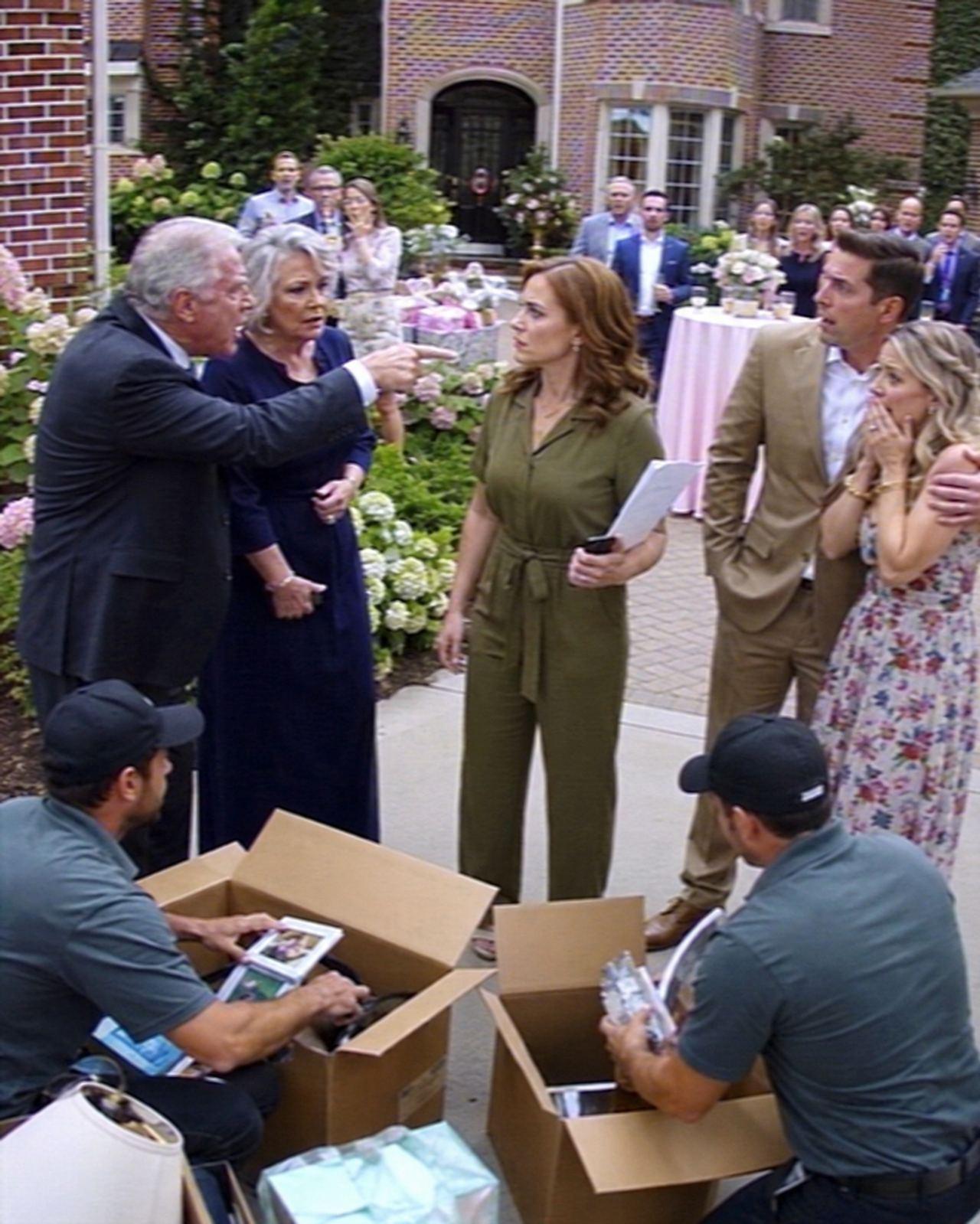
The door opened while I was wrapping mugs in newspaper. Mom stepped inside wearing cream slacks, a camel coat, and the expression of a woman entering a store where the staff should already know her name.
Behind her stood Dad.
Connor had apparently inherited his timing from them.
Mom looked at the boxes. “What is this?”
I kept wrapping the mug. “Me moving out.”
Dad’s eyes moved around the room too fast. “We said Monday.”
“It’s Saturday.”
“You’re not taking fixtures,” Mom snapped.
I placed the mug in the box. “I’m taking what I paid for.”
Dad’s jaw tightened. “The apartment was provided to you.”
“No,” I said. “It was rented to me.”
“At a discount,” Mom said.
“At a profit, considering I paid for the repairs you refused to do.”
Her nostrils flared. “You sound ungrateful.”
That word used to slice me open.
Ungrateful.
The family favorite. The leash disguised as morality.
But that afternoon, surrounded by cardboard and witnesses, it landed on the floor between us and died.
Ryan came out of the hallway carrying a toolbox. He didn’t say anything, just stood there.
Dad noticed him. “Who is this?”
“My mover.”
“You don’t need a mover. You need permission.”
Olivia made a small choking sound behind me.
I turned to Dad. “Permission to move out after you gave my home away?”
His face reddened. “It was never yours.”
There it was.
The sentence I had always known was waiting.
My mother stepped closer, lowering her voice. “Avery, don’t be dramatic. Connor and Claire are starting a life. You’re single. You’re flexible. You don’t need all this space.”
All this space.
Eight hundred square feet.
A narrow kitchen. One bedroom. One small balcony where I grew basil in chipped pots.
But to them, anything I had was excess if Connor wanted it.
Dad pointed at the ceiling fan. “That stays.”
I looked up.
Then I looked at Ryan.
Ryan held up both hands. “I’ll remove it cleanly if she has proof of purchase.”
I walked to the table, picked up the receipt, and handed it to him.
Mom’s face changed.
Just for a second.
Not anger.
Fear.
She looked at the folder spread across the table, then at the photos, then at the bank transfer confirmation peeking from beneath the invoices.
Dad saw it too.
The room went very quiet.
“What is all this?” he asked.
I smiled for the first time since the party.
“Mine.”
Part 5
Dad lunged for the table.
Not dramatically. Not like a villain in a movie. Just fast enough that I realized he wanted the folder before I could stop him.
Ryan stepped between us.
He didn’t touch Dad. He didn’t need to. Ryan was six-two, broad-shouldered, with work boots planted on my floor and a calm face that said he had dealt with worse men carrying heavier furniture.
Dad froze.
“Move,” Dad said.
Ryan didn’t.
Olivia picked up the folder and tucked it under her arm. “Nope.”
Mom’s voice sharpened. “You have no right to involve strangers in family matters.”
“Funny,” Olivia said. “Because last night your whole family watched you evict her as party entertainment.”
Mom’s mouth opened, then closed.
Dad pointed at me. “You listen to me. If you remove anything attached to these walls, I’ll call the police.”
“Please do,” I said.
That surprised him.
So I continued.
“Tell them I’m taking appliances with receipts in my name. Tell them I paid contractors from my account. Tell them I have before photos, after photos, and bank records.”
His eyes flicked again toward the folder.
I lowered my voice. “And tell them about the thirty thousand dollars.”
Mom’s hand went to her necklace.
Tiny movement. Huge confession.
Olivia saw it too. Her eyebrows rose.
Dad’s face darkened. “That was a family loan.”
“Then you won’t mind putting repayment in writing.”
“You gave it willingly.”
“I gave it because you told me the apartment would be mine.”
Mom stepped in, softening her face. The performance returned so smoothly I almost admired it.
“Honey,” she said, “we were all emotional. Your father never meant—”
“Don’t honey me.”
The words came out before I knew they were coming.
Mom blinked.
I had never spoken to her like that. Not once. Not when she forgot my college graduation dinner because Connor had a bad breakup. Not when she gave him Grandma’s watch and me Grandma’s chipped casserole dish. Not when she told relatives I was “private” because it sounded nicer than neglected.
Dad’s phone rang.
He looked at the screen and answered. “Connor, not now.”
I heard Connor’s voice even from across the room, high and angry. “Are they taking stuff? Claire’s dad said we should measure tomorrow.”
Dad turned away, but not far enough.
I laughed.
I couldn’t help it.
The sound was ugly and free.
Mom glared. “This is exactly why people think you’re bitter.”
“No,” I said. “People think I’m bitter because you told them I was, so nobody would ask why.”
That landed.
For one second, my mother’s mask slipped completely.
There was no softness. No confusion. No wounded parent.
Just calculation.
Then she said, “You have until Monday. Do not damage our property.”
“Our property,” I repeated.
Dad ended Connor’s call. “Yes. Our property.”
Aunt Barbara’s warning hummed in my head.
Did they ever show you the full estate documents?
I looked at Dad. “Where is Grandma’s will?”
His face changed so fast I knew I had found a nerve.
Mom stepped forward. “This again? Barbara has been poisoning your head.”
“Where is it?”
Dad’s voice went cold. “You don’t know what you’re talking about.”
“Then show me.”
“You’re being ridiculous.”
“Show me.”
The refrigerator hummed behind us. Downstairs, someone slammed a door. My heart thudded so hard I felt it in my throat.
Mom laughed lightly, but it came out thin. “Avery, normal people don’t demand legal documents during a move.”
“Normal parents don’t gift one child another child’s home at an engagement party.”
Dad took one step toward me.
Ryan shifted his weight.
Dad stopped.
“You want to play adult?” Dad said. “Fine. Be out by Monday or we’ll start formal eviction.”
“Formal eviction takes longer than two days.”
His eyes narrowed.
I had learned that at 3 a.m., searching tenant law with shaking hands.
Mom looked at Dad. Another tiny exchange. Another clue.
They had counted on me not knowing anything.
They had counted on the old Avery. The one who cried in bathrooms and apologized for making people uncomfortable.
Dad said, “You’ll regret this.”
I looked around the apartment one more time.
The shelves. The lights. The floor. The little breakfast nook where I had eaten cereal at midnight after late shifts.
“I already do,” I said. “Just not for the reason you think.”
They left without closing the door properly.
The hallway smelled like their expensive perfume and Dad’s aftershave.
I stood still until their footsteps disappeared.
Then Olivia handed me the folder. “So we’re definitely taking the ceiling fan.”
Ryan looked up at it. “I can have it down in fifteen minutes.”
I nodded.
The drill started a…
Read more stories
- I flew across the country to see my son. The moment he saw me, he covered his nose like I was something filthy. “You have 15 minutes. Find somewhere else to stay,” he said coldly. When I asked to meet my newborn grandchild, his tone turned sharp and he drove me straight to the airport. He thought he had gotten rid of a burden… not realizing it was the biggest mistake of his life.
- The Kinks’ ‘Sunny Afternoon’ Captures 1966’s Class Tensions and Transforms Pop with Bittersweet Irony
- PART 3: I Walked Into the Police Station to Save My Mother—But the Secret My Brother Was Hiding Changed Everything – 034
- THE HOA PRESIDENT TRIED TO UNLOCK MY FRONT DOOR AT 3:00 A.M. WITH A “MASTER KEY,” THEN KICKED THE FRAME AND SAID SHE WOULD RETURN WITH A LOCKSMITH TO SEIZE MY TWO DOGS. SHE THOUGHT I WAS JUST ANOTHER HOMEOWNER SHE COULD BURY IN FINES. SHE DIDN’T KNOW BOTH DOGS WERE RETIRED POLICE K-9s… OR THAT I WAS THE SERGEANT WHO TRAINED HALF THE DEPUTIES IN THIS COUNTY.