
Celebrities & Music
“Sugartime” (1957): The Sweet Harmony That Captivated a Generation and Still Echoes Through Time
Released in 1957, “Sugartime” by The McGuire Sisters became a beloved hit defined by charming harmonies and nostalgic simplicity. The page also includes brief retrospective pieces on “Day Is Done,” “God Only Knows,” and “The Gambler,” each reflecting on their emotional and cultural impact.

Released in 1957, “Sugartime” by The McGuire Sisters quickly became one of the most recognizable and beloved songs of its time. With its lighthearted melody and effortlessly charming harmonies, the track captured the spirit of a simpler era in popular music—one defined by warmth, innocence, and the beauty of vocal unity.
At a time when music was beginning to evolve in new and exciting directions, “Sugartime” stood out for its purity. The McGuire Sisters, known for their flawless blend of voices, delivered a performance that felt both playful and precise. Their harmonies flowed naturally, creating a sound that was as soothing as it was memorable. It was this balance of simplicity and elegance that helped the song resonate so deeply with listeners.
Lyrically, “Sugartime” reflects a carefree and joyful perspective on love. Rather than exploring complex emotions or dramatic narratives, the song embraces a lighter tone—one that celebrates affection in its most innocent and optimistic form. This approach made it accessible to a wide audience, allowing people of all ages to connect with its message and mood.
The success of “Sugartime” was undeniable. The song reached the top of the charts and remained there for several weeks, solidifying The McGuire Sisters’ status as one of the leading vocal groups of the 1950s. It became a defining moment in their career, showcasing not only their vocal talent but also their ability to create music that felt timeless.
What makes “Sugartime” endure even today is its nostalgic quality. Listening to the song now feels like stepping back into a different time—one where melodies were gentle, lyrics were sincere, and harmony was at the heart of every performance. It serves as a reminder of the foundations of modern pop music, where strong vocal arrangements and emotional clarity played a central role.
Beyond its commercial success, “Sugartime” represents a broader cultural moment. It captures the optimism of post-war America, a period when music often reflected hope, joy, and togetherness. The McGuire Sisters became part of that cultural fabric, their voices symbolizing a sense of unity and comfort.
Today, “Sugartime” continues to be celebrated not just as a hit song, but as a lasting piece of musical history. It reminds us that sometimes the simplest songs are the ones that leave the deepest impression. With its gentle charm and unforgettable harmony, it remains a sweet echo of an era that still lives on through music.
Related Topics:
Click to comment
A Quiet Reflection on a Changing World: The Story Behind “Day Is Done” (1969)
When Peter, Paul and Mary released “Day Is Done” in 1969, they didn’t try to compete with the chaos of the era. Instead, they stepped away from it, creating a song that felt intimate, thoughtful, and quietly emotional.

At first, the melody seems comforting in its simplicity. Acoustic guitar drifts gently beneath soft harmonies, while the arrangement moves with almost meditative calm. But beneath that warmth is something heavier—a quiet recognition of uncertainty, exhaustion, and emotional weight.
It doesn’t ask for answers. It simply asks you to stop and listen.
Mary Travers’ voice becomes the emotional center of the song. Calm yet deeply expressive, she delivers each line with a sincerity that feels untouched by performance. Peter Yarrow and Paul Stookey surround her with harmonies that feel less like accompaniment and more like reassurance.
Rather than offering dramatic statements or protest-driven urgency, “Day Is Done” takes another path entirely. It acknowledges confusion without trying to solve it. That restraint is exactly what gives the song its lasting power.
The Song Many Musicians Call The Greatest Love Song Ever Written!
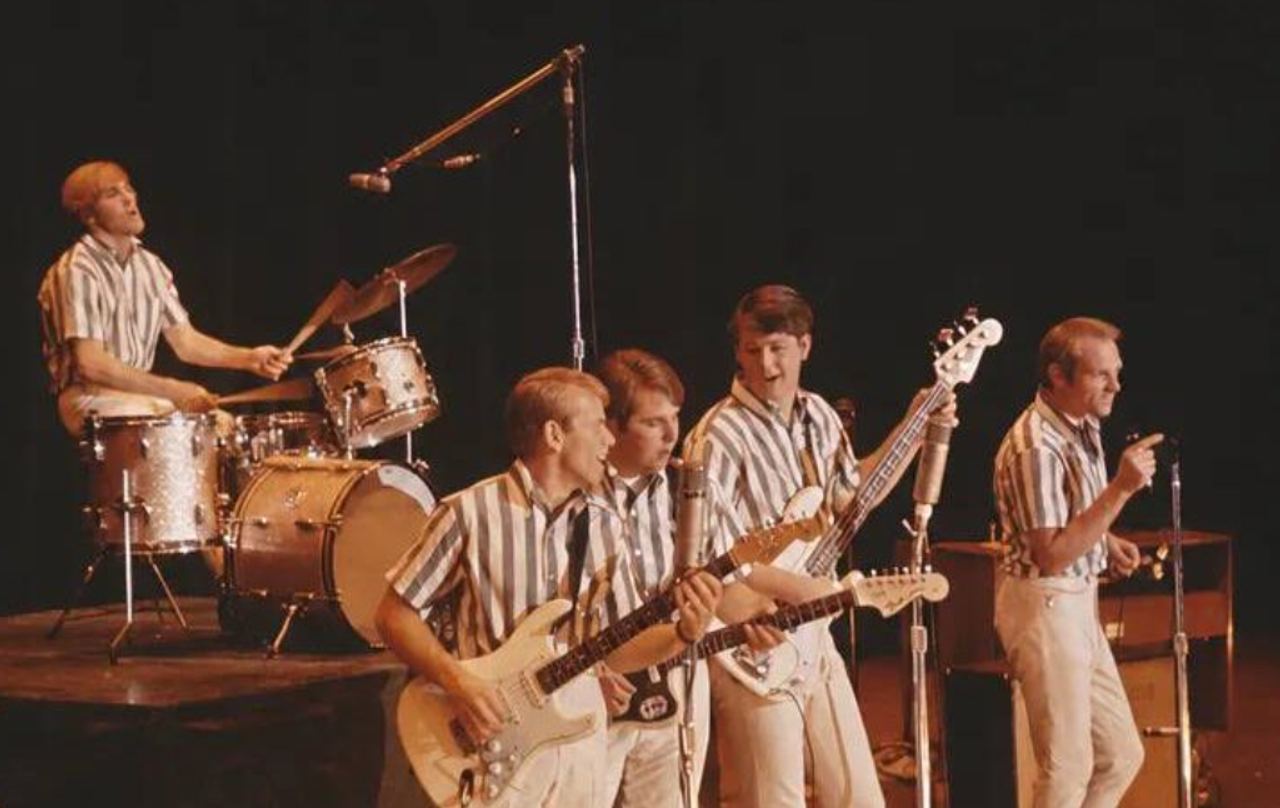
When The Beach Boys released “God Only Knows” in 1966, popular music was entering one of its most creative periods. Yet even among the incredible songs being released during that era, this recording stood apart.
Written primarily by Brian Wilson and Tony Asher, the song approached love with remarkable vulnerability. Rather than making grand promises, it expressed gratitude, devotion, and emotional dependence in a way listeners had rarely heard before.
The recording itself was groundbreaking. Wilson employed sophisticated arrangements, layered harmonies, and innovative production techniques that pushed the boundaries of what pop music could accomplish.
Although it wasn’t initially the band’s biggest commercial hit, its reputation grew steadily over time. Musicians, critics, and historians increasingly recognized it as one of the greatest achievements in modern songwriting.
Today, “God Only Know” is frequently ranked among the greatest songs ever recorded. Its emotional sincerity, beautiful melody, and timeless message continue touching listeners across generations. For many people, it isn’t simply a song—it’s a reminder of how powerful music can be when it comes from the heart.

This Song Taught Life Lessons Millions of Americans Never Forgot
Some songs entertain us for a few minutes.
Others stay with us for a lifetime.
This is one of those songs.
For decades, listeners have returned to it again and again—not just because of its melody, but because of the wisdom hidden within its story.
The song didn’t rely on flashy effects or complicated lyrics.
Instead, it told a simple story.
A story about life.
A story about choices.
A story about knowing when to hold on and when to let go.
When the song was released in the late 1970s, few could have predicted the impact it would have on American culture.
Listeners immediately connected with its message.
The song felt authentic.
It felt real.
And perhaps most importantly, it felt relatable.
Whether people were facing challenges in their careers, relationships, or personal lives, many found meaning in its words.
As the years passed, the song became more than just a hit.
It became part of everyday conversation.
Its famous advice was quoted by parents, friends, coaches, and coworkers.
People repeated its lessons because they seemed to apply to so many situations in life.
That’s a rare achievement for any song.
The song was “The Gambler.”

Performed by Kenny Rogers, it would become one of the most iconic country songs ever recorded.
Kenny Rogers possessed a unique ability to tell stories through music.
His warm voice and storytelling style made listeners feel as though they were sitting across from an old friend sharing life lessons.
“The Gambler” became his signature song and helped cement his place in music history.
Even people who weren’t country music fans often knew every word.
That’s how powerful the song became.
Today, decades after its release, “The Gambler” remains one of the most beloved songs ever recorded.
Its message continues to resonate with new generations.
And its lessons remain as relevant today as they were when the song first reached listeners.
Very few songs can claim that kind of legacy.
Do you remember the first time you heard “The Gambler”?
And what’s the most important life lesson you’ve learned along the way?
Related Topics:
Click to comment
Read more stories
- My Brother Toasted Himself Inside the House He Stole From Me
- My Daughter Hid Behind A Bathroom Toilet During A Family Birthday Party—When I Saw The Bru!ses, Everyone Told Me To Stay Quiet. Then A Letter Meant To Save My Sister Exposed A Secret So Cru:el It Des.troy.ed Our Family Forever…
- My husband invited his ex to our housewarming, then told me I could leave if I couldn’t “handle it.” So I smiled, stayed perfectly calm, and gave him the most mature answer of his life… right before everything he thought he controlled slipped out of his hands.
- After One Night With His Mistress, He Came Home Smiling—But His Pregnant Wife Was Already Boarding a Private Jet