
Celebrities & Music
Willie Nelson was already a country music legend by 1986, but the woman who would become his wife first met him as a makeup artist defending his hair on a movie set.
Annie D’Angelo first met Willie Nelson on the set of Stagecoach in 1986, where she defended his signature braids from being cut for the production. Their connection grew into a long marriage in which she helped steady his life and career behind the scenes.

Willie Nelson was already a country music legend by 1986, but the woman who would become his wife first met him as a makeup artist defending his hair on a movie set. They crossed paths during the filming of the television movie Stagecoach, a project packed with country music’s biggest outlaw figures. Nelson was cast in a prominent role, but the director had a specific demand. He wanted the singer to cut off his signature braids for the production. Annie D’Angelo was working behind the scenes. She did not know him well, yet she immediately stepped in. Going against the director’s instructions, she refused to let anyone strip away the visual identity that defined his outlaw spirit. She protected the person behind the persona before they even had a relationship.
For a man whose life was defined by the chaotic demands of the music industry and public expectations, finding someone who would fiercely guard his authenticity offered a quiet kind of safety. That brief standoff in a makeup chair sparked a connection that led to their marriage in 1991.
She recognized the value of who he really was long before she shared his name. How they navigated the transition from a busy 1986 television set to building one of the longest-lasting marriages in entertainment remains the deeper foundation of their story.
LONG BEFORE BECOMING HIS WIFE, ANNIE D’ANGELO DEFENDED WILLIE NELSON’S SIGNATURE BRAIDS ON A 1986 MOVIE SET — SPARKING A BOND THAT STEADIED A COUNTRY MUSIC ICON.
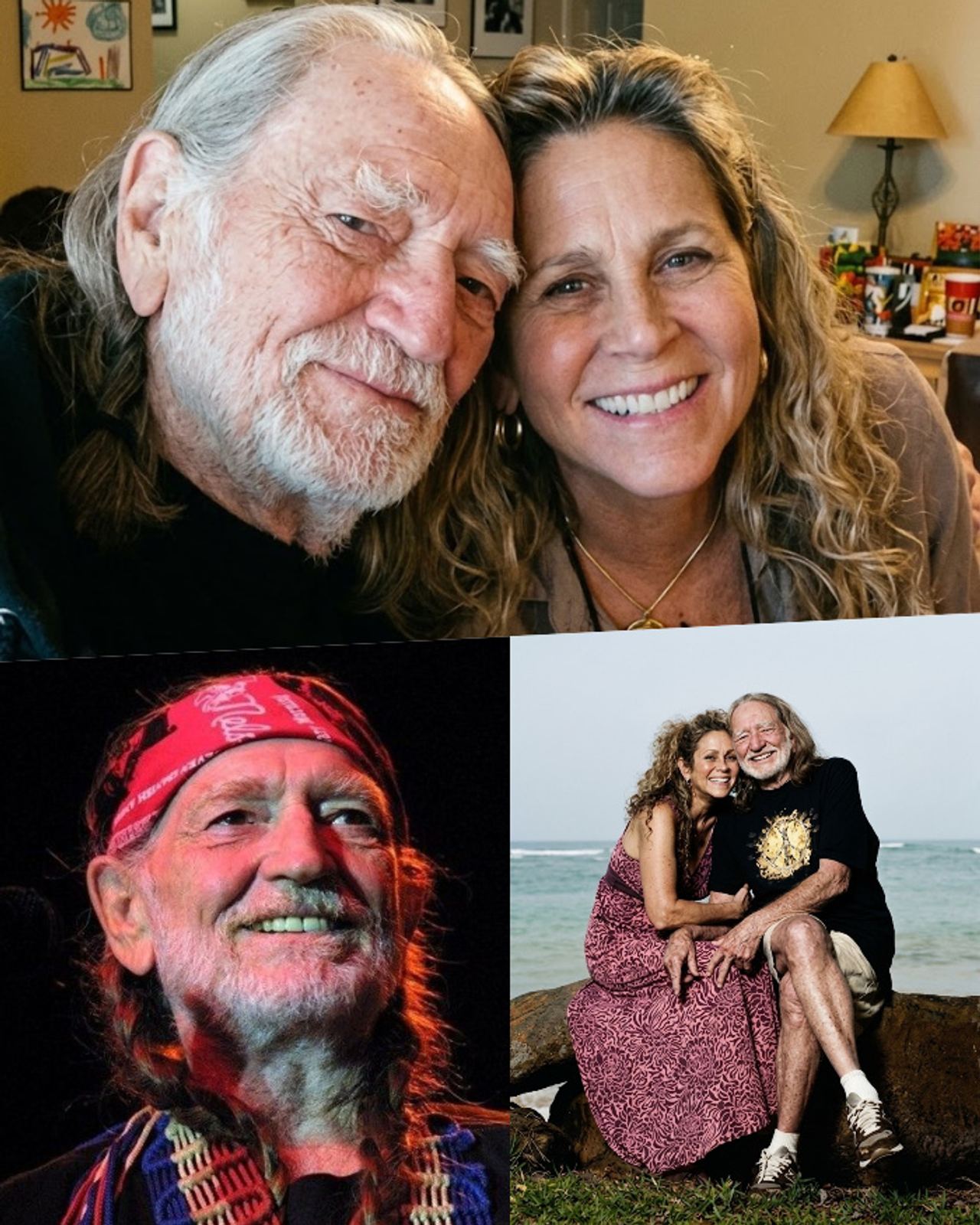
In 1986, Willie Nelson arrived on location to film the made-for-television Western Stagecoach. The production brought together a powerhouse ensemble of outlaw country royalty, including Johnny Cash, Waylon Jennings, and Kris Kristofferson. Yet before cameras rolled on the sweeping outdoor scenes, tension surfaced inside the makeup trailer.
The film’s director, Ted Post, insisted on historic accuracy for Nelson’s character, the gunslinger Doc Holliday. He felt the Texas singer’s waist-length braids did not fit the period and ordered the hair department to cut them off.
Working quietly behind the scenes was makeup artist Ann Marie “Annie” D’Angelo. Though she barely knew the superstar sitting in her chair, she recognized the mistake immediately. She refused the director’s command, arguing firmly that Nelson’s hair belonged to who he was as an artist and a man. Instead of taking scissors to his braids, she carefully restyled and tucked his hair beneath an authentic period hat, preserving his signature identity while satisfying the camera requirements.
Nelson had spent decades navigating turbulent personal relationships and the unrelenting grind of life on the road. Finding someone on a chaotic film set who instinctively shielded his dignity without asking for anything in return left a lasting impression.
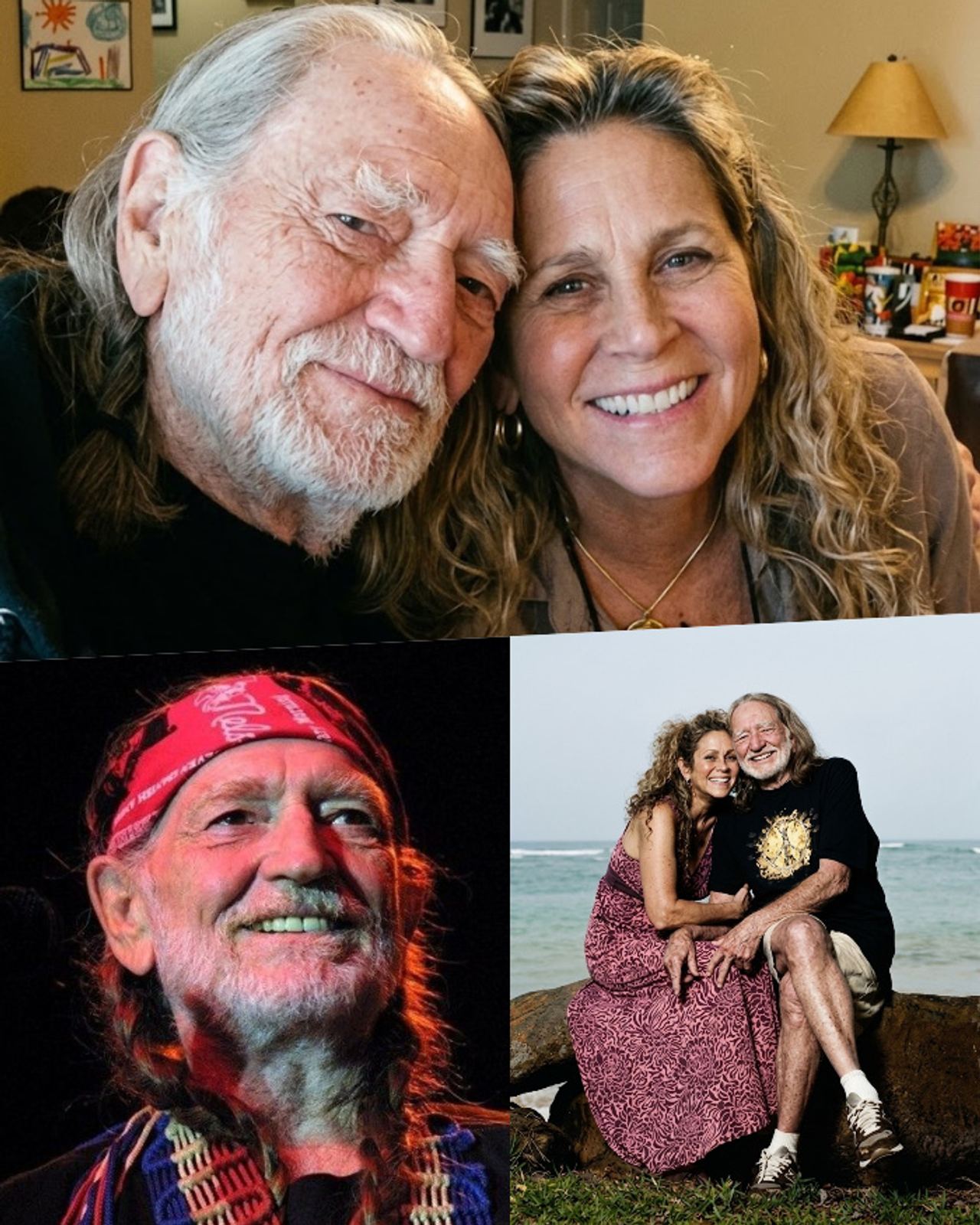
Following the wrap of Stagecoach, the two stayed in touch as Nelson weathered one of the most demanding stretches of his career. In 1990, the federal government seized his assets, property, and recording equipment to satisfy a multimillion-dollar tax dispute. Amid the financial storm and the auctioning of his possessions, D’Angelo stood steadily beside him, helping bring calm and practical focus to his daily life.
On September 16, 1991, the couple married at the St. James Episcopal Church in Nashville, Tennessee. Together, they made a conscious decision to establish their home away from Music Row’s constant noise, building a grounded life at Nelson’s ranch in Spicewood, Texas, and a sustainable retreat in Maui, Hawaii.
The marriage gave them two sons, Lukas and Micah, both of whom grew up immersed in the family trade and eventually joined their father on national concert stages. While Nelson continued his relentless touring schedule well into his eighties and nineties, D’Angelo managed the household, maintained his strict health regimens, and oversaw the singer’s business decisions behind the curtain.
Nelson often credited her firm presence with bringing order to a life that had previously drifted toward excess and exhaustion. When health scares and respiratory challenges forced him to pause performances in later years, she ensured he rested, ate well, and received proper medical care so he could return to the stage safely.
The red braids that a young makeup artist defended in 1986 remained intact through decades of world tours, Grammy Awards, and historic tributes. She never sought the spotlight that followed him across the globe. She simply chose to protect the man sitting in the chair before the world ever asked her to share his life.
Read more stories

