
Celebrities & Music
WILLIE NELSON SOLD “NIGHT LIFE” FOR $150 BECAUSE HE NEEDED MONEY. RAY PRICE TOOK IT LATER AND TURNED THAT BROKE SONG INTO THE SOUND OF EVERY HONKY-TONK AFTER MIDNIGHT.
The article discusses how Willie Nelson sold his song ‘Night Life’ for a mere $150 due to financial struggles, and how Ray Price later transformed it into a defining anthem of honky-tonk music.

Ray Price was already a country power by the time “Night Life” reached him. He had come out of Texas, sung close to Hank Williams, built the Cherokee Cowboys into one of the sharpest bands in country music, and helped push the shuffle beat into the heart of honky-tonk. By the early 1960s, Price was not just recording hits. He was running a world younger musicians wanted to enter.
Willie Nelson was one of those younger men. Back then, Willie was still fighting for money, driving between Pasadena and Houston, playing the Esquire Ballroom, and watching the kind of people who came alive after dark. Out of those late drives came “Night Life.” But the song did not save him right away. Pappy Daily did not think it sounded country enough. Willie needed cash, so he sold the song to Paul Buskirk for $150.
Then Ray Price cut it. In 1963, “Night Life” became the title track of Price’s album. It did not explode up the chart like a normal smash. The single only reached No. 28. But that missed the real story. Ray Price made the song part of his stage identity. For years, he used it to open shows, walking the crowd straight into a room full of smoke, loneliness, neon, and people who belonged more to night than morning.
Willie had written the song while he was still trying to survive. Ray Price gave it a home. And every time that band kicked in after midnight, “Night Life” no longer sounded like a song Willie had sold cheap. It sounded like the door opening to the world Ray Price owned.
WILLIE NELSON SOLD “NIGHT LIFE” FOR $150 — THEN RAY PRICE TURNED THAT BROKE SONG INTO THE SOUND OF EVERY HONKY-TONK AFTER MIDNIGHT.
Some songs are written from imagination.
“Night Life” came from the hours Willie Nelson was still trying to survive.
Before the braids, before the outlaw myth, before the buses and Farm Aid and the statue kind of fame, Willie was a young Texas songwriter looking for money wherever the next song might take him.
He was playing late rooms.
Driving dark roads.
Watching people who seemed more alive after midnight than they ever were in daylight.
That is where the song started.
Willie Knew The Night Before He Owned It
Back then, Willie was still moving between Pasadena and Houston.
The Esquire Ballroom was part of that world.
So were the faces that gathered when normal people had already gone home — drinkers, dancers, lonely workers, musicians, drifters, and people who did not quite belong to morning.
Willie saw that life close.
He did not write “Night Life” like a tourist looking into a bar.
He wrote it like someone already standing inside the smoke.
The Song Did Not Save Him First
That is the hard part.
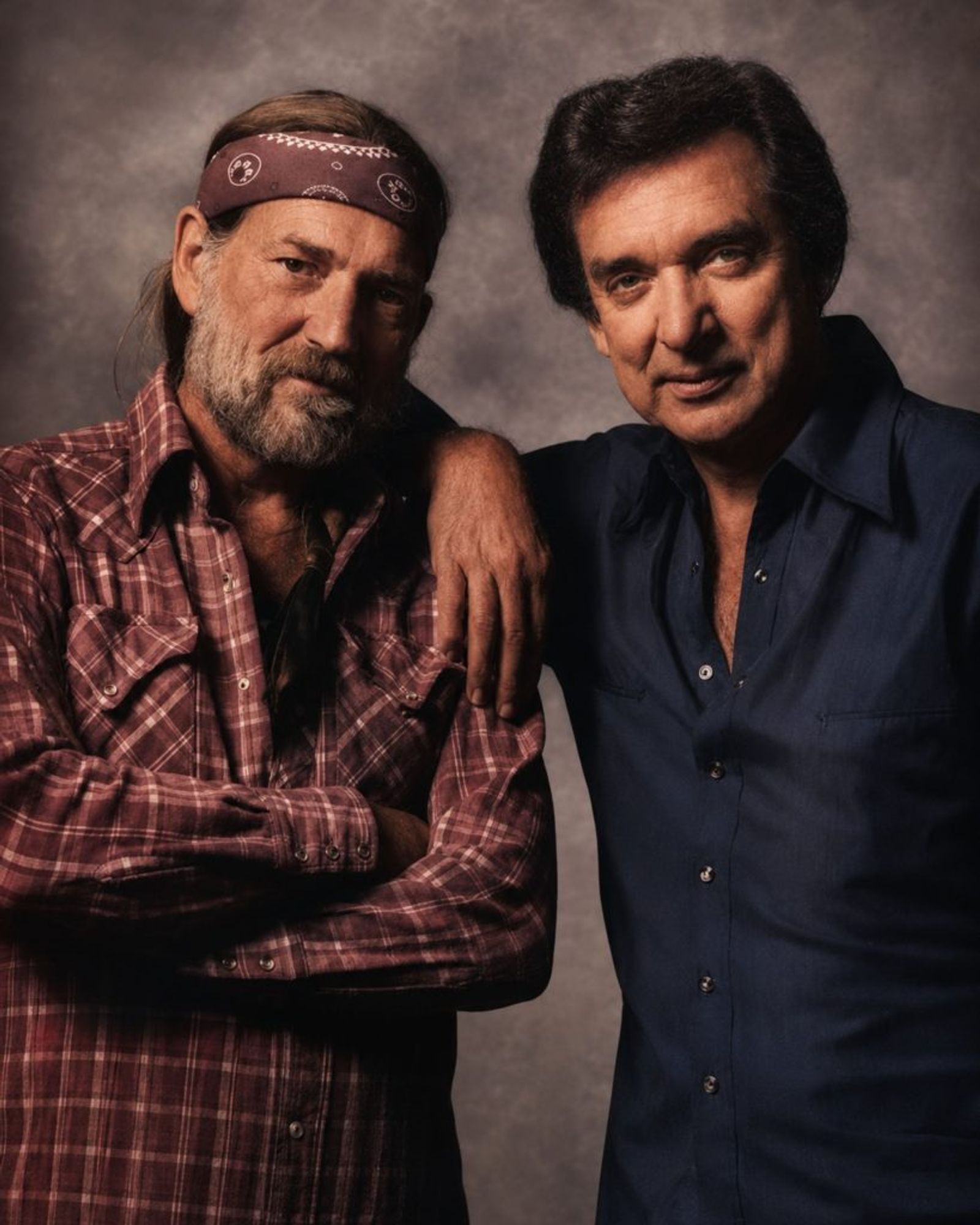
A great song does not always arrive with a paycheck big enough to change a man’s life.
Pappy Daily did not think “Night Life” sounded country enough.
Willie needed money.
So he sold it to Paul Buskirk for $150.
That number still hurts because the song would outgrow it so completely.
But hungry men do not always get to wait for history.
Sometimes they take the cash because rent, gas, and food are louder than tomorrow.
Ray Price Already Owned The Room
By the time “Night Life” reached Ray Price, he was already a country power.
Texas-born.
Close to Hank Williams.
Leader of the Cherokee Cowboys.
A man who had helped put the shuffle beat deep into honky-tonk’s bloodstream.
Younger musicians wanted to stand near his world because Ray Price did not just sing country music.
He ran one of its finest rooms.
Willie had been one of those younger men.
Ray Gave The Song A Home
In 1963, Ray Price made “Night Life” the title track of his album.
The single did not become a giant chart smash.
It only reached No. 28.
But that number misses the real story.
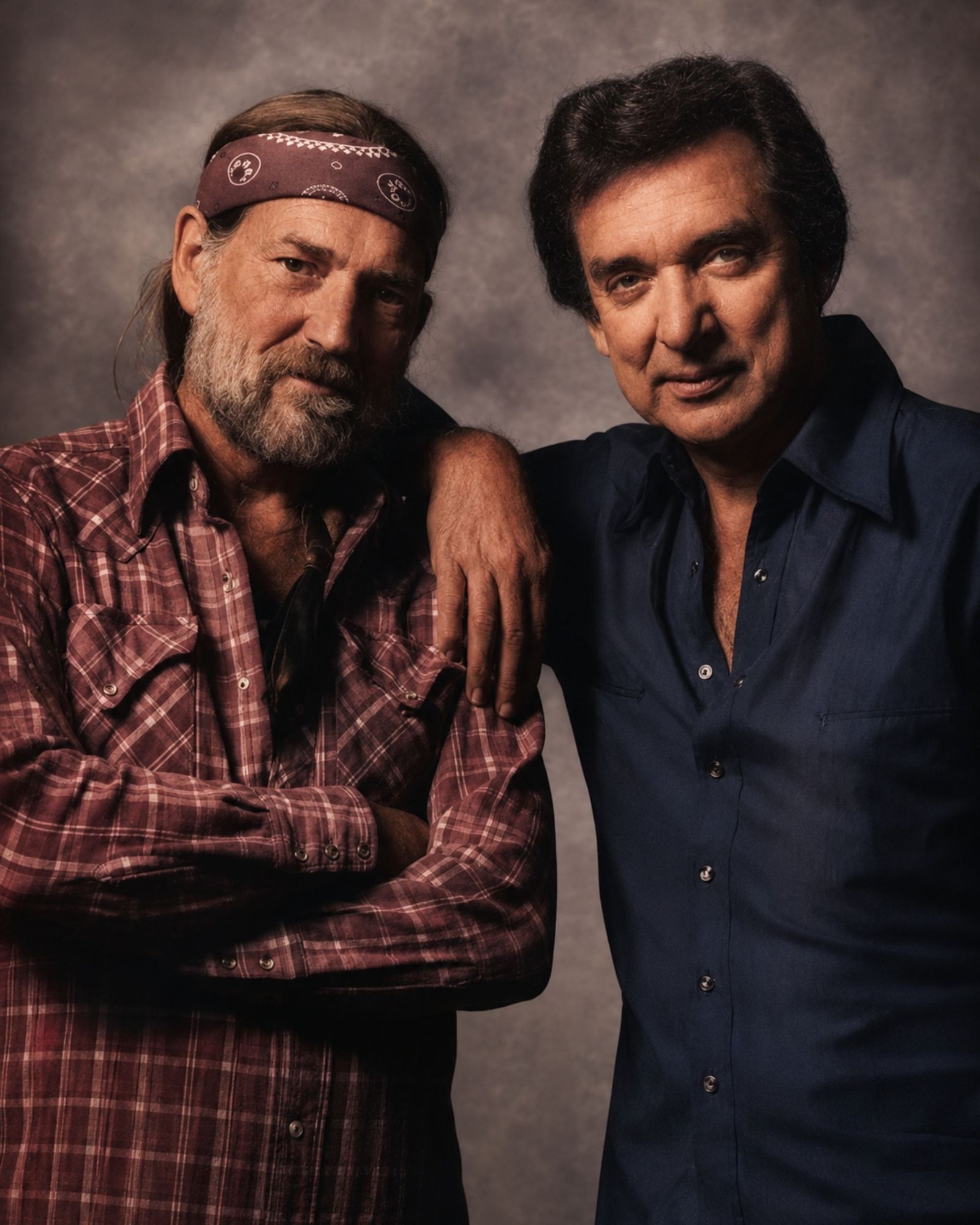
Ray Price took the song into his stage life and made it feel like a ritual. For years, he used it to open shows, pulling the crowd straight into that after-hours world before the night had even begun.
The chart said modest.
The bandstand said standard.
The Song Became Bigger Than Its Sale Price
That is what makes the story sting.
Willie had sold the song cheap because he needed money.
Ray Price turned it into something that sounded expensive in a different way — not polished, but lived-in, full of neon, smoke, loneliness, and the slow ache of people who know the night is not really helping them, only keeping them company.
“Night Life” did not need to race up the chart to matter.
It became atmosphere.
It became identity.
It became the door opening.
What “Night Life” Really Leaves Behind
The deepest part of this story is not only that Willie Nelson sold “Night Life” for $150.
It is that the song carried two different kinds of country truth.
A broke young songwriter writing from survival.
A Texas bandleader turning that survival into a stage ritual.
A song too strange for one man’s label ears.
A record that did not chart like a monster, but lived like a classic.
And somewhere inside “Night Life” was the whole after-midnight world Willie had seen and Ray Price knew how to command.
Willie wrote it because he understood the people who came alive in the dark.
Ray Price sang it like he owned the room they walked into.
Read more stories
- He Was Rejected By His Own Mom And Raised To Think ‘Women Are Evil’ But He Became A Legendary Rockstar
- TOBY KEITH RECORDED SOME OF THE BIGGEST PATRIOTIC ANTHEMS IN COUNTRY MUSIC HISTORY—BUT HIS REAL LEGACY WAS BUILT ON MILITARY BASES WHERE NO CAMERAS WERE ROLLING.
- [Video]: The One-Take Hit That Took Over Rock Radio
- The Box Tops’ “The Letter” Captures Lightning in a Bottle and Redefines Blue-Eyed Soul in 1967-2