
News
When the Radio Voice Went Home: Skeeter Davis, Ralph Emery, and a Nashville Love Story That Curdled in Private
What sounded like tenderness over the airwaves became, for Skeeter Davis, a painful lesson in the distance between a broadcast persona and the person behind the microphone.

A friend in the dark
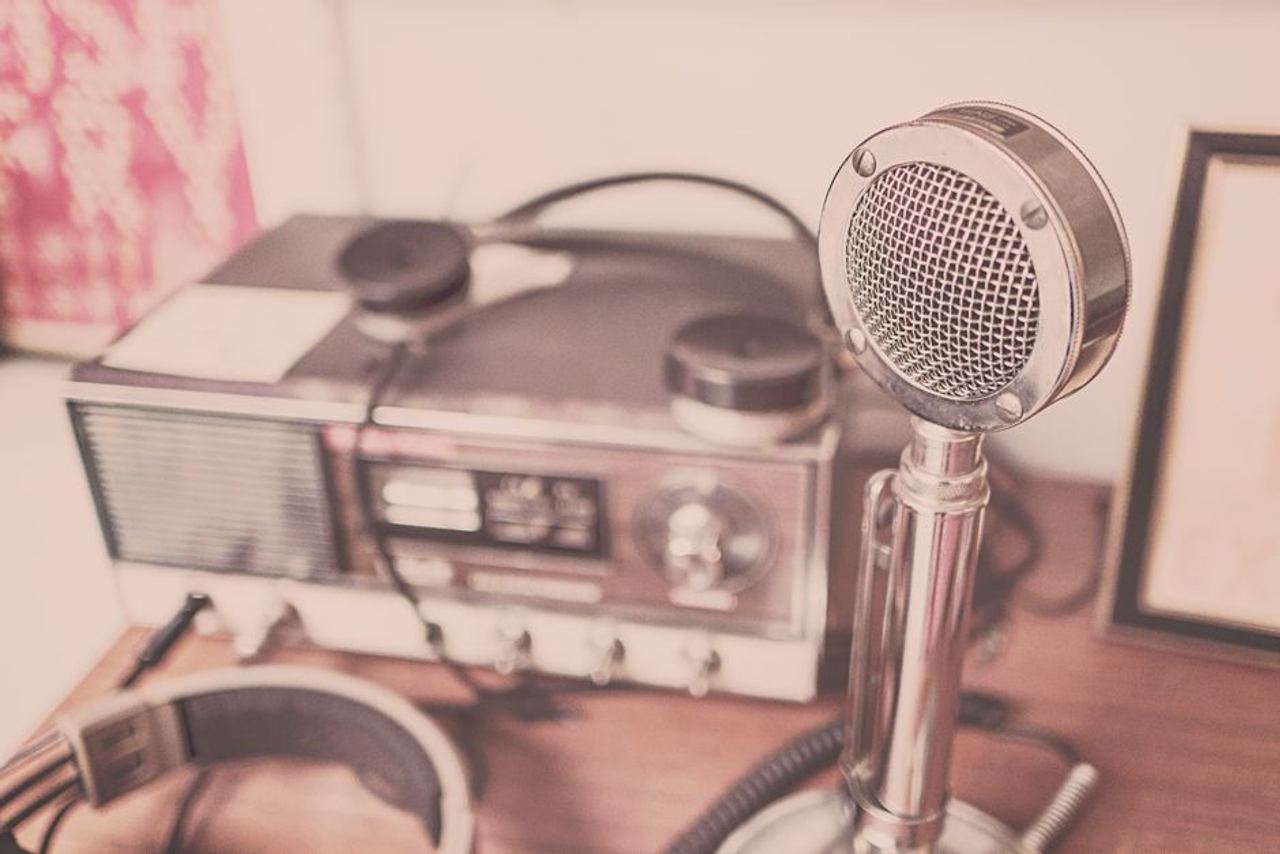
In mid-century country music, few sounds carried more intimacy than a late-night radio host speaking softly into the hours after midnight. For listeners scattered across highways, kitchens, truck cabs, and lonely bedrooms, Ralph Emery’s voice on WSM projected calm authority and companionship. He did not simply introduce records; he created a feeling that someone wise and steady was keeping watch while the rest of the world slept.
That gift mattered in Nashville, where radio could make careers and shape reputations. Emery became one of the most recognizable broadcasters in country music, a gatekeeper with a genial manner and a talent for making artists and audiences feel personally addressed. On the air, warmth was his currency. It was easy to understand how listeners came to trust him, and how an artist hearing that voice might believe the kindness was not performance but character.
She fell in love not just with a man, but with the voice that seemed to know exactly how to reach people when they were most alone.
Skeeter Davis and the seduction of intimacy
Skeeter Davis was already a compelling presence in country music: emotionally direct, vulnerable without being fragile, and able to turn longing into something crisp and unforgettable on record. Her appeal rested on a paradox. She sounded strong enough to survive heartbreak and open enough to sing from the center of it. That made her an ideal star for Nashville’s increasingly sophisticated studio era, where image, access, and influence could be as consequential as talent.
In that world, a powerful broadcaster was more than a friendly voice. He was a conduit, a tastemaker, a man whose approval could matter enormously. The romance between Davis and Emery had all the ingredients of a Nashville fairy tale from the outside. The singer and the announcer, the woman heard on records and the man who sent records into the night, seemed like a natural pairing. Yet their courtship was shadowed from the start by a basic asymmetry: Davis was responding to a voice crafted for public comfort, and that voice carried an illusion of emotional safety.
Marriage, and the collapse of the on-air dream
They married in 1960, and almost immediately the distinction between public warmth and private life became impossible to ignore. The man behind the microphone was not simply the soothing companion listeners imagined. Away from the studio, Emery could be hard, ambitious, and emotionally difficult. The very traits that may have sharpened him professionally did not translate into tenderness at home.
For Davis, the shock was not just disappointment but disorientation. She had believed the on-air Ralph Emery was the real one, or at least the truest one. Instead, the marriage revealed a far more complicated and troubling reality. The transition from romance to domestic life was not a gentle settling but a fracture, as if the red light in the studio had gone dark and taken the kindness with it.
A private life marked by jealousy and volatility
Accounts of the marriage have long pointed to a painful pattern: jealousy, emotional cruelty, and instability. In public, both remained part of the same tight, image-conscious Nashville world, where reputations were guarded and personal suffering could be hidden behind professionalism. In private, though, the relationship was far harsher than the fairy-tale version that outsiders might have imagined.
That contrast is part of what makes the story linger. Country music has always drawn power from the gap between performance and confession, between polished surfaces and raw feeling. In this marriage, that gap turned dangerous. Davis, who had been moved by a voice that seemed patient and understanding, found herself living beside someone whose emotional volatility made intimacy feel unsafe rather than reassuring.
The culture that made such stories possible
The Davis-Emery story also reveals something larger about Nashville in that era. Country music ran on closeness: disc jockeys called artists by their first names, stars cultivated accessibility, and fans were encouraged to feel as though they knew the people they heard. Radio, especially at night, intensified that illusion. A disembodied voice can feel almost more trustworthy than a face, because it arrives in solitude and seems to speak directly to one listener at a time.
That intimacy was powerful, but it could also blur boundaries. Broadcasters were not just entertainers; they were brokers of access and affection. For women in the industry, especially, romance with powerful men could be entangled with career structures, public image, and unequal emotional stakes. The Nashville dream factory was skilled at creating myths, and one of its most durable myths was that public charm revealed private goodness.
Why the story still resonates
There is a reason this marriage still feels haunting. It is not merely gossip from country music’s past. It is a story about how easily people can confuse a beautifully managed persona with a trustworthy soul. Long before social media, radio perfected this trick. It made strangers seem intimate, made authority sound like comfort, and made performance feel like truth.
For Skeeter Davis, the cost of that confusion was deeply personal. For everyone else, the story remains a cautionary tale about celebrity, power, and the seductions of the voice. Ralph Emery’s greatness as a broadcaster is part of the record of country music. So, too, is the harder truth suggested by this romance: sometimes the qualities that enchant an audience are the very ones that conceal the person best.

Quick Facts
- Skeeter Davis: Country singer known for her distinctive, emotionally direct style.
- Ralph Emery: Influential Nashville broadcaster associated with WSM and late-night country radio.
- Setting: Nashville in the early 1960s, where radio and records were tightly intertwined.
- Marriage: Skeeter Davis and Ralph Emery married in 1960.
- Core tension: The contrast between Emery’s warm on-air persona and a much colder private reality.
Image credits: Gratisography / Pexels; Rulo Davila / Pexels; Kamilė Jurgilaitė / Pexels.

