
Celebrities & Music
WHEN SHE SANG ABOUT A STACK OF OLD LETTERS, SHE ACCIDENTALLY CAPTURED THE EXACT SOUND OF A WOMAN LOSING EVERYTHING.
Patsy Cline’s recording of ‘Faded Love’ captures the profound emotion of loss and memory, showcasing her ability to transform a traditional song into a deeply personal ballad. Despite her strength in the music industry, this song reveals her vulnerability and the universal experience of longing for what has been lost.

In early 1963, Patsy Cline stepped into the studio to record “Faded Love.” She was at the absolute height of her powers. She had fought her way to the top of a male-dominated industry, demanding her pay in cash and refusing to let anyone push her around. She was built like armor. But when the red recording light flickered on, that tough exterior disappeared. She took a bouncy, traditional western swing song and completely broke it down into a devastatingly mournful ballad. She sang about holding onto a bundle of old letters, watching the ink fade just like a broken promise. You don’t hear a confident superstar in that recording. You hear a woman sitting entirely alone in the dark, clutching fragile pieces of paper, realizing that physical proof of a memory cannot keep you warm at night. She bled her own hidden aches into every single lyric. Patsy had no idea this would be one of the last times she ever stood before a microphone. Just weeks later, a tragic plane crash took her life at only 30 years old. She never got to see how long her voice would last. But whenever that haunting string arrangement swells and her voice gracefully breaks on the final note, she comes right back. “Faded Love” remains the ultimate lullaby for anyone who has ever stared at a fading memory, waiting for a ghost who is never coming home.
WHEN PATSY CLINE SANG ABOUT OLD LETTERS, SHE MADE A FADING MEMORY SOUND LIKE A HEART BREAKING IN REAL TIME.
Patsy Cline was never remembered as fragile.
She had fought too hard for that. She had survived pain, stood her ground in Nashville, and carried herself with the kind of strength that made people think nothing could reach the softest part of her.
But “Faded Love” reached it.
The song was already an old western-swing treasure, familiar to generations of country listeners. In other hands, it could move with a lighter step, almost like a dance from another time.
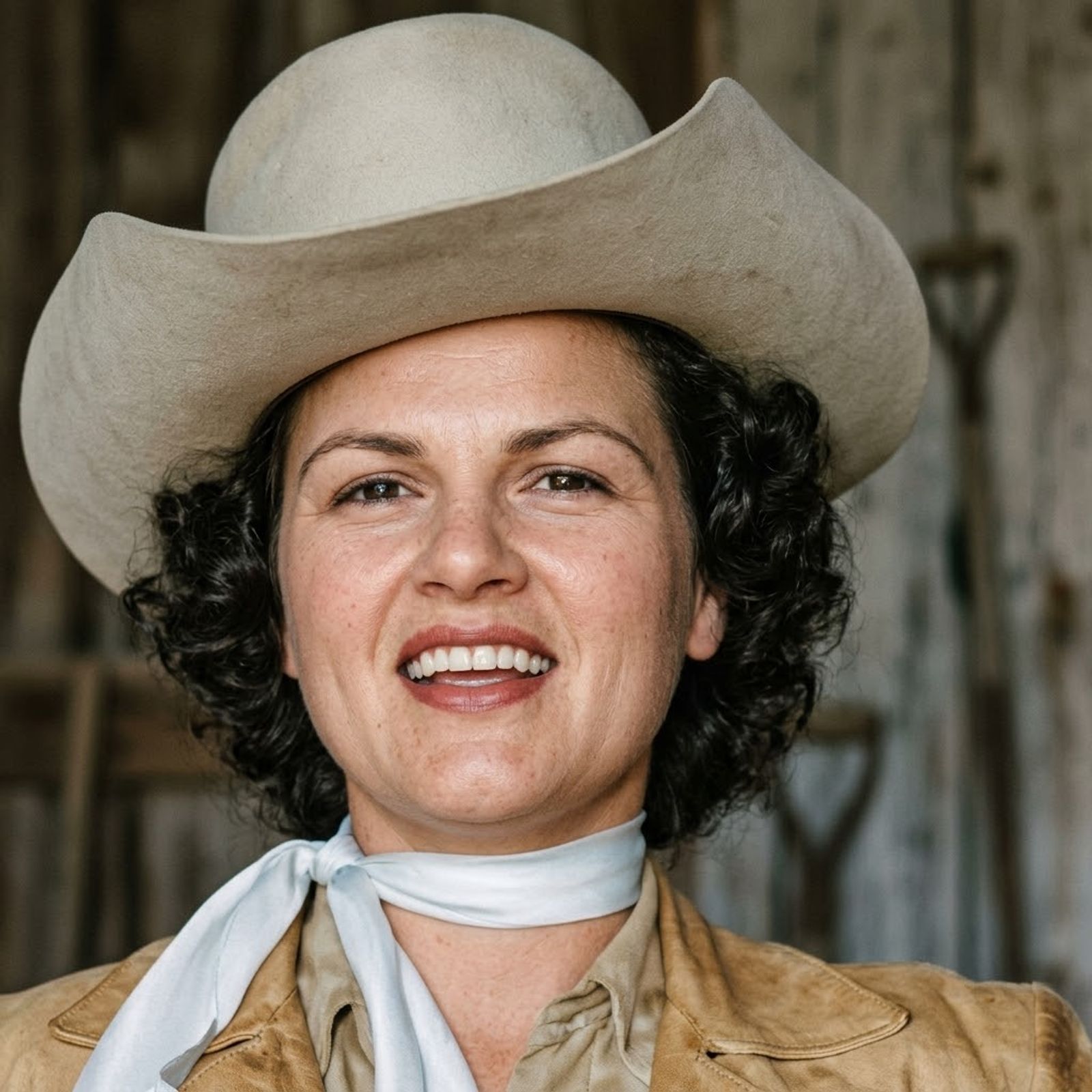
Patsy slowed it into a confession.
When she sang about old letters and fading love, the room seemed to change around her. Suddenly, it was not just a song about romance lost.
It was a woman alone with proof of what used to be.
Paper in her hands.
Ink growing pale.
A memory still present enough to hurt, but too far gone to hold.
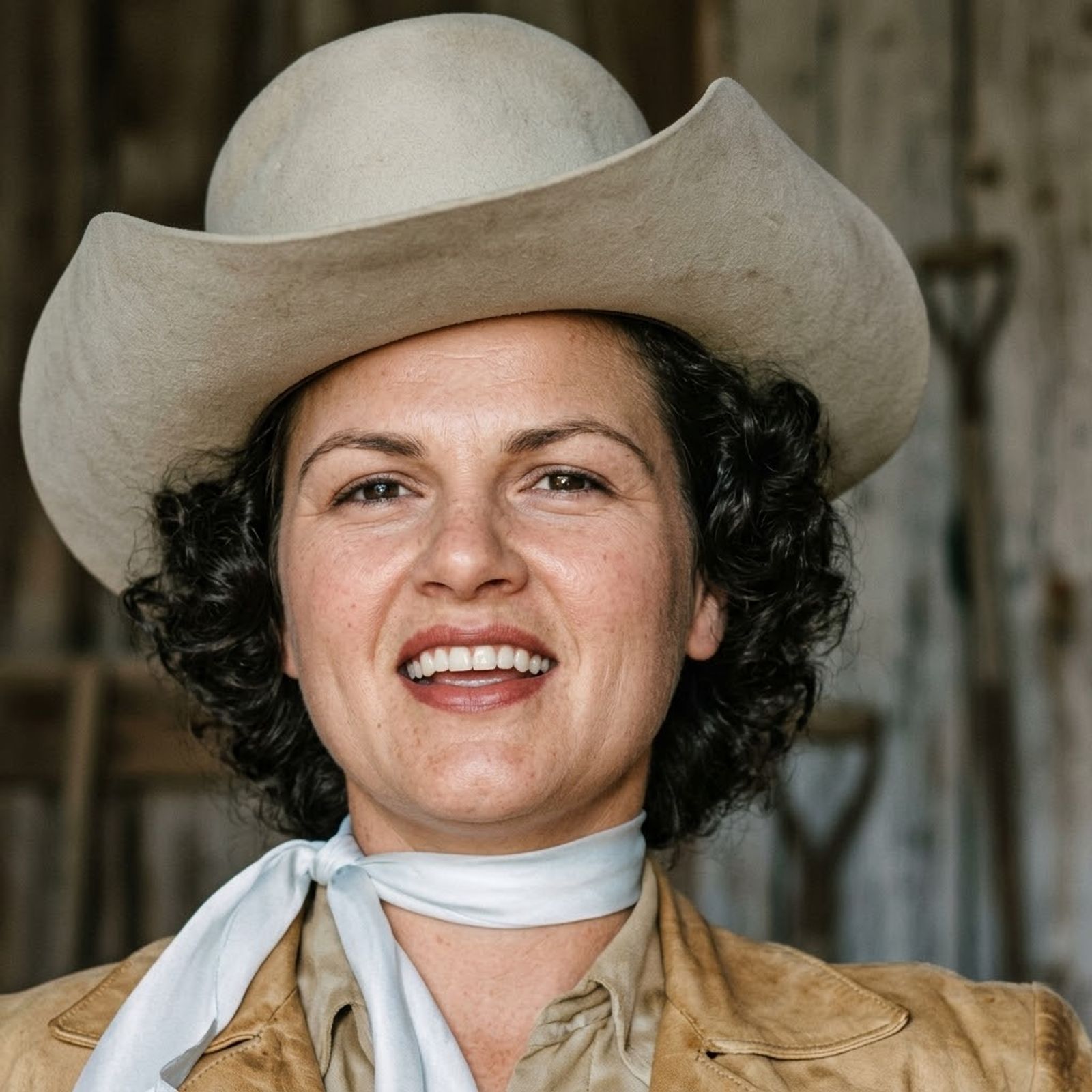
That was Patsy’s genius. She could take something simple and make it feel unbearably human. She did not need to cry through the lyric. She let the ache rise quietly, the way grief often does when the house is still and the past feels closer than the present.
You hear the strength in her voice.
But you also hear the wound beneath it.
Not weakness.
Truth.
Patsy Cline would be gone far too soon, taken in a plane crash at only 30 years old. She never got to see how many people would keep finding themselves inside that voice.
But “Faded Love” stayed behind like one last letter the heart could not throw away.
And whenever those strings swell and Patsy begins to sing, she is there again — not fading at all, but standing in the doorway of memory, holding every lonely soul who ever loved someone time could not bring back.
Read more stories
- He Was Rejected By His Own Mom And Raised To Think ‘Women Are Evil’ But He Became A Legendary Rockstar
- TOBY KEITH RECORDED SOME OF THE BIGGEST PATRIOTIC ANTHEMS IN COUNTRY MUSIC HISTORY—BUT HIS REAL LEGACY WAS BUILT ON MILITARY BASES WHERE NO CAMERAS WERE ROLLING.
- [Video]: The One-Take Hit That Took Over Rock Radio
- The Box Tops’ “The Letter” Captures Lightning in a Bottle and Redefines Blue-Eyed Soul in 1967-2