
News
When Kris Kristofferson Forgot His Own Songs, the Crowd Carried Them Back to Him
A late-life medical misdiagnosis turned one of America’s great songwriters into a man struggling to hold onto words he had written, until persistence, love and a new diagnosis changed the story.

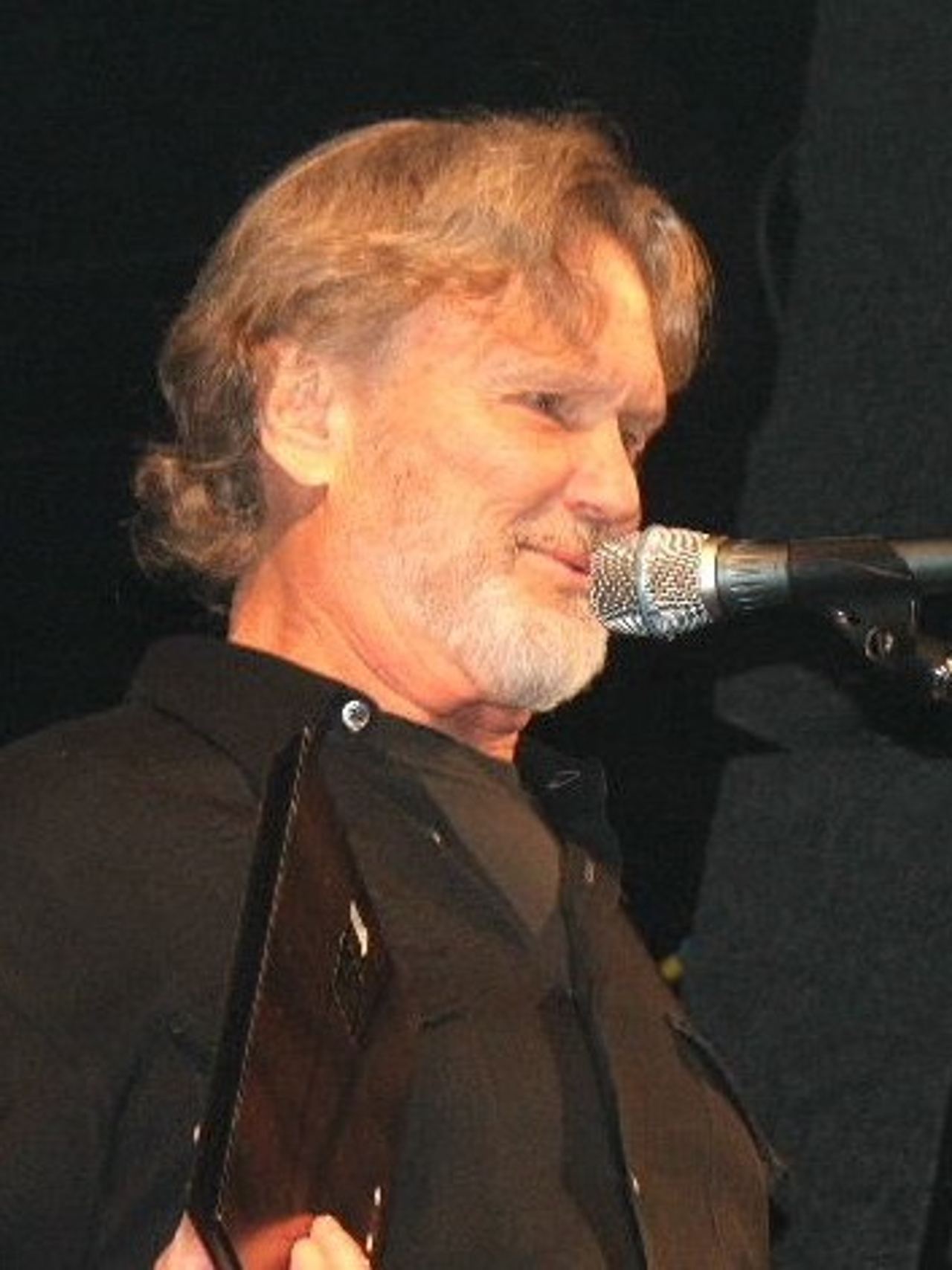
A songwriter at the microphone, searching for the next line
Late in his career, Kris Kristofferson would sometimes step to the microphone, guitar in hand, and lose the thread of a song he knew better than almost anyone alive. These were not borrowed standards or half-remembered covers. They were his songs, lines he had written himself, verses that had helped redefine country songwriting with their plainspoken intimacy and bruised intelligence.
What happened next became its own kind of grace. Instead of recoiling from the silence, audiences leaned in and sang the missing words back to him. The moment could have felt cruel or exposing, but often it seemed to reveal something else: how deeply his work had entered people’s lives. The crowd was not rescuing a performer so much as returning his language to him, line by line.
When the words left him, the audience gave them back.
The quiet cruelty of the wrong diagnosis
For years, Kristofferson was told he had Alzheimer’s disease or dementia. The diagnosis carried a particular devastation for a writer whose art depended on clarity, cadence and emotional precision. To lose memory is frightening for anyone; to lose it when your life’s work has been built out of words feels especially merciless.
He was prescribed heavy medications for an illness he did not have, and the treatment brought severe side effects even as his memory problems continued. The public glimpsed the difficulty in flashes—hesitations onstage, a visible fragility—but the deeper ordeal unfolded privately, in doctors’ offices, at home and in the exhausting uncertainty of not knowing what was really happening.
Lisa Meyers kept pushing for another answer
Through that uncertain period, his wife, Lisa Meyers, remained the person who refused to accept that the story was over. She was there backstage and at home, watching the day-to-day changes and questioning whether the diagnosis fit what she was seeing. In many families, a grim medical verdict can close off hope. Meyers kept insisting on another look.
That persistence mattered. Serious diagnoses often bring their own momentum: specialist visits, prescriptions, assumptions that harden into certainty. What changed Kristofferson’s path was not a dramatic breakthrough in public view but the quieter force of someone close to him continuing to ask whether the obvious answer was, in fact, the wrong one.
A different cause hiding in plain sight
In 2016, a doctor identified the real problem: Lyme disease. The likely source, according to accounts of his illness, was a tick bite picked up while filming in the woods of Vermont. Suddenly, a baffling decline that had been framed as irreversible looked different. The symptoms that had been folded into dementia had another explanation.
Once Kristofferson stopped taking the Alzheimer’s medications and began treatment for Lyme, his memory and strength noticeably improved. The turnaround did not erase the years of fear or the toll of the misdiagnosis, but it reframed them. What had seemed like the steady closing of a door turned out to be, at least in part, a treatable illness that had gone unrecognized.
Still walking onstage with the same honesty
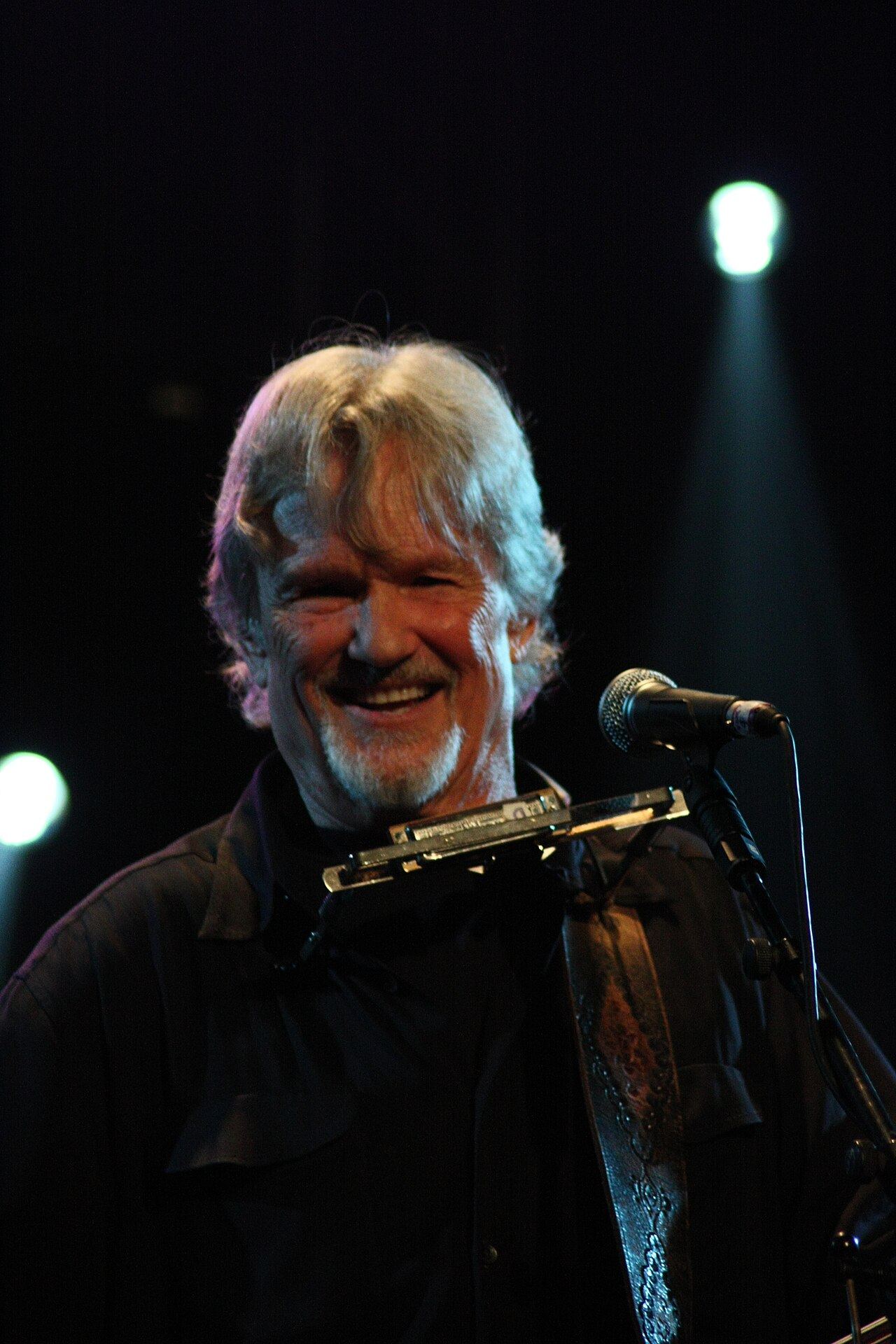
Even while dealing with confusion, physical strain and the dread of forgetting, Kristofferson kept performing. That fact says something essential about the artist he was. He had never built his reputation on polish alone. His authority came from directness—from sounding as if he meant every word because he had paid for it somehow. That quality remained, even when memory faltered.
Onstage, there was vulnerability in the most literal sense: a man standing before an audience not always certain his mind would follow him where the song needed to go. Yet he continued to show up. The same honesty that had long defined his writing shaped these late performances too, turning them into something more exposed, but also more human.
A quiet retirement, and a final image of reciprocity
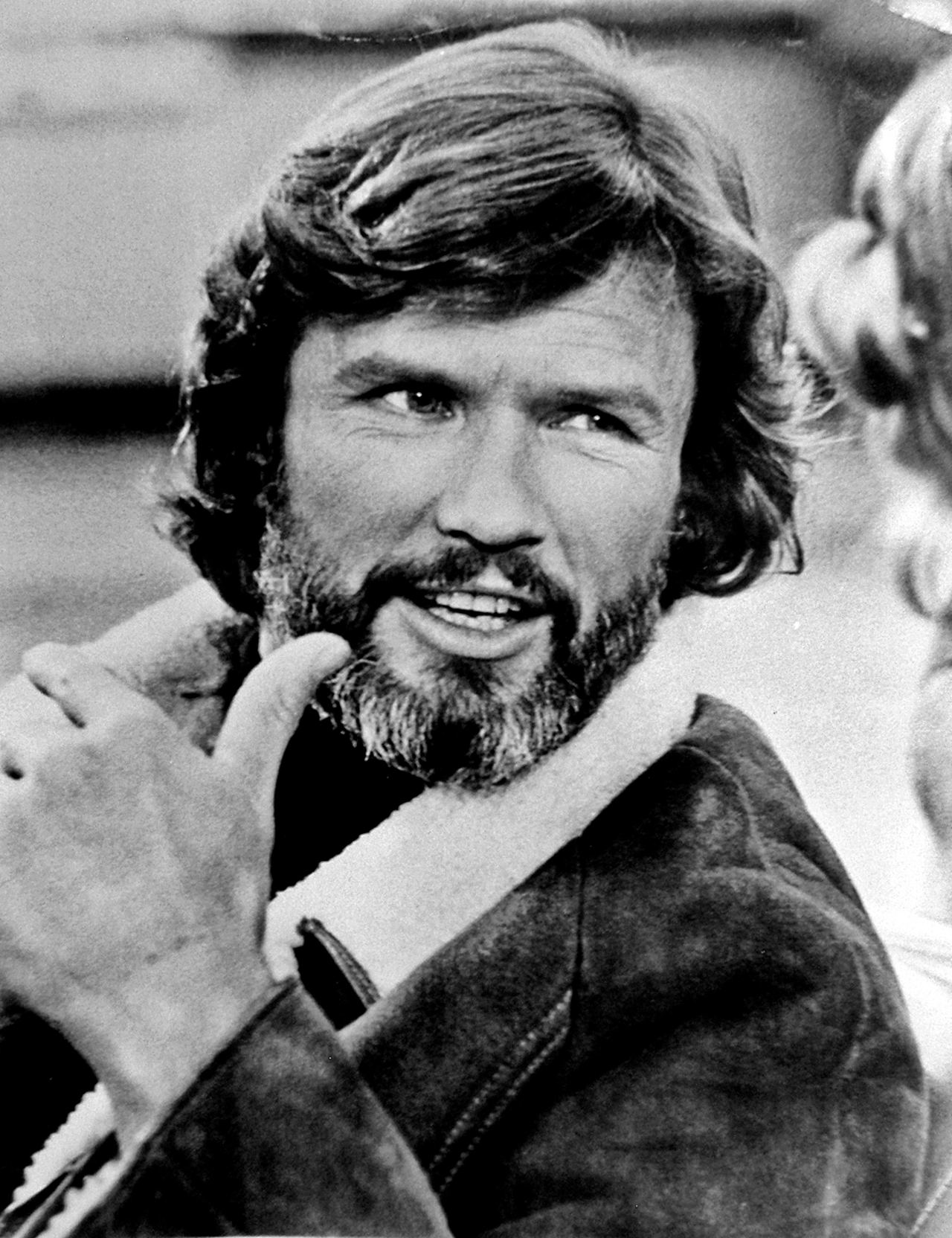
Kristofferson continued performing until retiring quietly in 2021 at age 84. By then, the image many people held was no longer only of the young renegade songwriter who had helped expand what Nashville songs could say. It was also of an older artist who had endured misdiagnosis, kept going and been met with unusual tenderness by the people listening.
He spent his final years peacefully with family in Maui, Hawaii, before his death in 2024. The late-career scenes in which audiences sang his own lyrics back to him now feel especially resonant. They were not moments of pity. They were acts of recognition. For decades, Kris Kristofferson had given listeners songs sturdy enough to live inside them. In the end, when he needed those songs returned, they were waiting.
Quick Facts
- Subject: Kris Kristofferson
- Key health turn: In 2016, doctors determined he had Lyme disease rather than Alzheimer’s or dementia
- Support at home: His wife, Lisa Meyers, kept pushing for another explanation
- Late-career milestone: He retired from performing in 2021 at age 84
- Final years: He lived quietly with family in Maui, Hawaii
- Died: 2024
Image credits: Ron Baker (Kingsnake) / Wikimedia Commons / CC BY-SA 2.0; Atkinsj / Wikimedia Commons / CC BY-SA 3.0; Agency: Magna Artists / Wikimedia Commons / Public domain.

