
News
What Dolly Parton and Charley Pride Recognized in Each Other
Behind two of country music’s most formidable careers was a bond shaped less by fame than by childhoods marked by labor, scarcity, and a deep working-class code.

Before the spotlight, there was hard ground
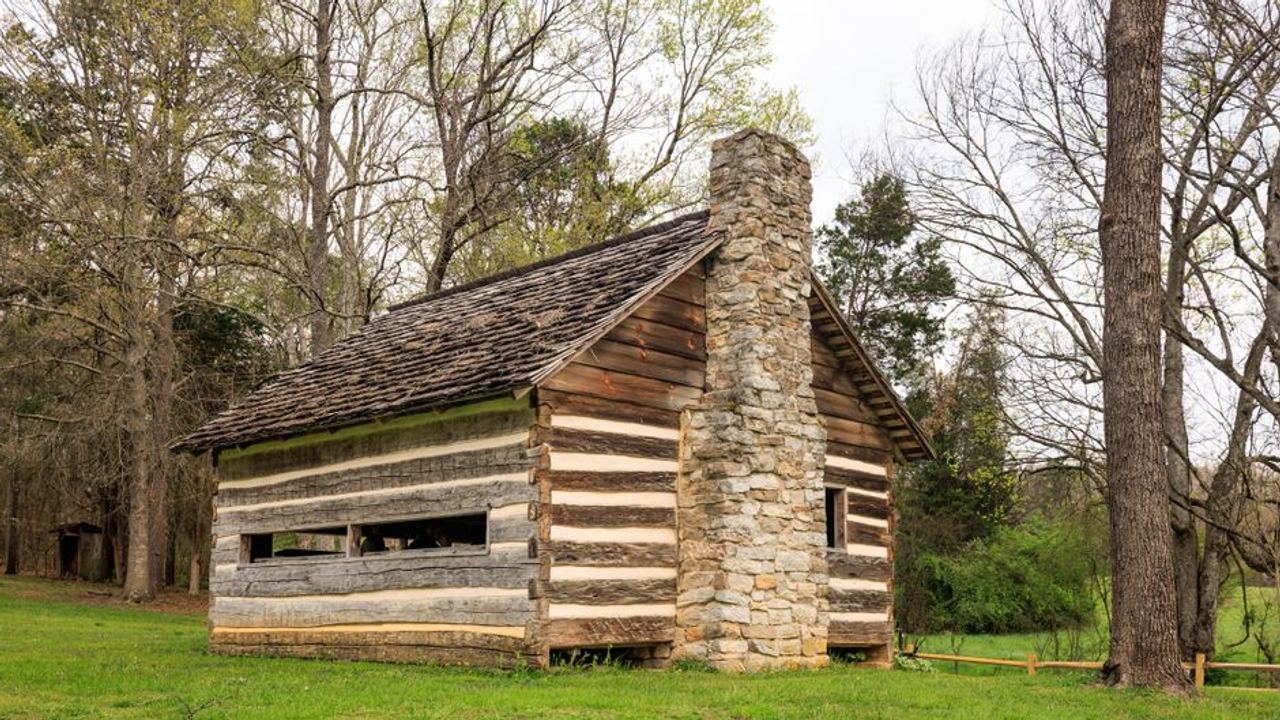
Long before Dolly Parton became one of the most recognizable figures in American entertainment, she was one of 12 children growing up in rural East Tennessee, in a home whose poverty has become as central to her story as her songs. Charley Pride’s beginnings were equally unforgiving: one of 11 children in Mississippi, raised in a family that worked the land and knew exactly how much labor it took to get through a season. Their childhoods were different in geography and history, but alike in texture — crowded rooms, shared burdens, and work that started early.
That kind of upbringing leaves a permanent vocabulary in a person. It teaches thrift without romanticism, pride without vanity, and a nearly physical understanding of what it means to earn a living. For Parton and Pride, poverty was not a branding detail added later to make success look more dramatic. It was the original condition of their lives, and it shaped the way they moved through the world even after wealth arrived.
A bond that did not need much explanation
In Nashville, introductions are often mediated by status: hit records, publishing power, awards, management networks. But some connections form outside that circuitry. Between Parton and Pride, the recognition appears to have run deeper than industry politeness. They came from backgrounds where survival depended on family discipline, stamina, and a practical intelligence that moneyed circles often overlook. That creates a kind of shorthand.
What one likely saw in the other was not simply another star with humble origins, but someone who understood the body-memory of deprivation — the tiredness of manual work, the embarrassment that can cling to hand-me-downs, the ingenuity required to make too little stretch. In a business built on image, that kind of mutual understanding can be unusually clarifying. It strips away performance and leaves character.
They did not need to explain what scarcity had taught them; they had both already lived it.
Breaking through different walls in the same industry
Their paths through country music were not identical, but both required confronting a gatekeeping culture that could be punishing to anyone who did not fit its preferred mold. Pride, as a Black artist in a genre long identified with white audiences and institutions, faced one of the most rigid barriers in popular music. His success was not just musically impressive; it was structurally disruptive. He had to win over listeners, executives, and broadcasters in a system that was not built with him in mind.
Parton’s obstacles were different but no less real. She entered an industry where women were often underestimated, packaged, or dismissed, and where rural poor origins could be treated as something to smooth over rather than honor. She turned qualities others might have used to belittle her — her accent, her flamboyance, her Appalachian background, her femininity — into elements of creative control. Both artists became masters of navigating prejudice without letting it define the full story of their work.
Why wealth did not sever them from their beginnings
By the time they were established, both Parton and Pride had built highly lucrative careers that extended well beyond singing. Yet for artists shaped by poverty, money often carries a meaning very different from glamour. It represents safety, family stability, leverage, and the chance to avoid the vulnerabilities that defined childhood. That can make a person financially ambitious while remaining emotionally suspicious of excess for its own sake.
Parton has long spoken publicly about her upbringing and her attachment to plainspoken values, and Pride’s life story likewise reflected discipline, resilience, and a grounded bearing that never seemed dependent on flash. In that sense, their success did not erase their origins; it gave them a larger stage on which to express lessons learned much earlier. The dollar still meant something because they remembered when there were too few of them.
Behind the scenes, superstardom fell away
The most revealing friendships in show business are often the ones least centered on show business. For people like Parton and Pride, conversation could return quickly to first principles: parents, siblings, sacrifice, endurance, what it took to get out, and what it cost to leave parts of that life behind. Those themes tend to matter more to people who have lived close to the edge than the ornament of celebrity ever will.
That may be why their rapport has such emotional force. It suggests a relationship in which image was secondary to recognition. The glittering stage clothes, the sales figures, the polished mythologies of stardom — all of it could drop away in the presence of someone who understood the older story underneath. They were not merely famous colleagues. They were two people who knew what it meant to come from households where every pair of hands counted.
The country music lesson in their friendship
What makes the connection between Dolly Parton and Charley Pride so resonant is that it reveals something essential about country music at its best. Beneath the commerce, the branding, and the institutional politics, the genre has always drawn strength from people who know labor firsthand and who can translate struggle into dignity. Parton and Pride each did that in their own voice, and their mutual regard reflects the seriousness of that achievement.
Their friendship also offers a counterpoint to the idea that success inevitably detaches artists from ordinary life. In their case, the opposite seems truer: the deeper the fame, the more visible the old values became. Family loyalty, humility before work, skepticism toward pretension, and gratitude without self-erasure — those are not decorative traits in their stories. They are the foundation. And it was likely there, in that shared foundation, that they most clearly recognized each other.

Quick Facts
- Dolly Parton childhood: Raised in rural East Tennessee in a large family with 11 siblings
- Charley Pride childhood: Raised in Mississippi in a large family with 10 brothers and sisters
- Shared bond: Both came from extreme poverty and manual-labor backgrounds before country stardom
- Industry barriers: Pride faced racial barriers in country music; Parton faced gender and class-based prejudice
- What grounded them: Family, thrift, work ethic, and the lasting memory of scarcity
Image credits: Chic Bee / Wikimedia Commons / CC BY 2.0; Phil Evenden / Pexels; Alex Akulov / Pexels.

