
Celebrities & Music
Vibe To This Emotional Performance Of Prince’s “Purple Rain” By None Other Than Tom Jones And Pink Floyd Legend David Gilmour!
Tom Jones and David Gilmour delivered an emotional performance of Prince’s “Purple Rain” on Jones’ television show, showcasing their musical talents and evoking nostalgia for the classic hit.

You know if Tom Jones and David Gilmour team up on a tune, it’s gonna be a banger.
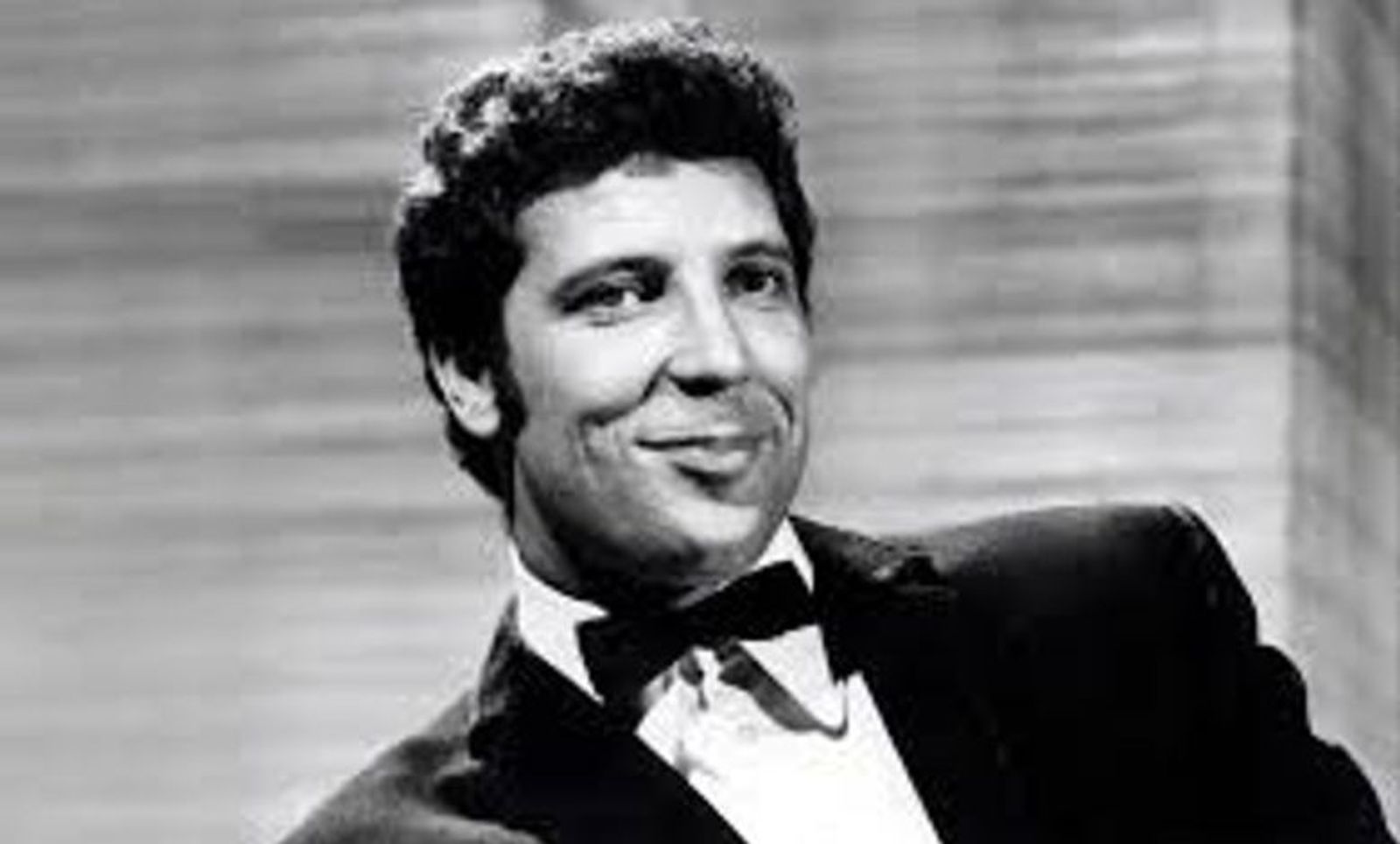
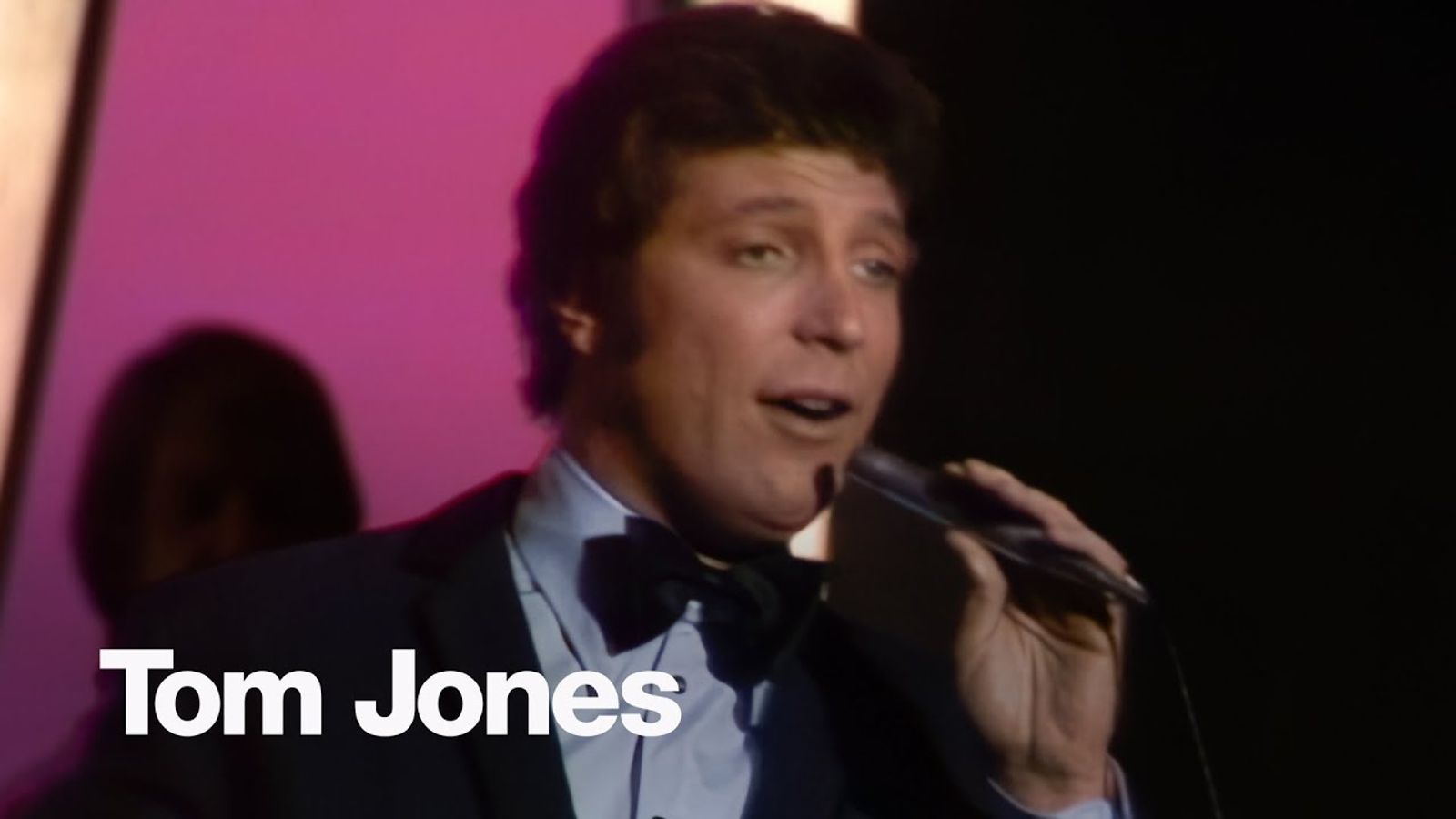
You can be doubly sure of that if they’re hooking up to jam on Prince’s classic “Purple Rain”! Jones performed the timeless hit on his 1992 television show The Right Time, and he made it an extra special one by recruiting the Pink Floyd legend on guitar.
Tiger was dressed for the part in a snappy purple suit and drew upon his famous baritone to give the song an intense emotional depth.
The Music Man readers will definitely want to tune into the big moment from 2:30 onwards, where Tiger delivers a rocking scream to kick off Gilmour’s guitar solo.
It’s no secret that Gilmour is the undisputed master of six strings, and he definitely doesn’t disappoint here with a tasteful and emotive guitar solo.
Gilmour then beautifully plays around the backing vocalists to bring the song to a thunderous conclusion.
Although the “Purple Rain” cover is by now quite a retro performance, it’s only a recent upload, as Jones released it on his YouTube channel on June 7, 2024.
Fans watching online knew they were seeing something special, and added appreciative comments such as “As a diehard Prince fan, this is one of the best remakes I’ve ever heard of this song. Who knew?!” and “You can tell David Gilmour loves this song. He plays like he wrote it.”
It seems that Jones was really firing on all cylinders in the ‘90s, as he had a number of truly epic collabs from that era.
Another great moment was when Tiger teamed up with another British guitar legend, Mark Knopfler, on “I Feel Like Coming Home.”
Knopfler had previously recorded the Charlie Rich-penned tune with his country project The Notting Hillbillies, and roped in Jones to play it live in 1996.
As you might expect, the live cut also features another cracking guitar solo.
Prince and the Revolution released “Purple Rain” on September 26, 1984, as the third single from his sixth studio album of the same name.
The Music readers might be interested to hear the curious fact that “Purple Rain” peaked at number two on the Billboard Hot 100, as it was kept off the number one spot by Wham!’s “Wake Me Up Before You Go-Go.”
What a time for music the ‘80s were, hey?
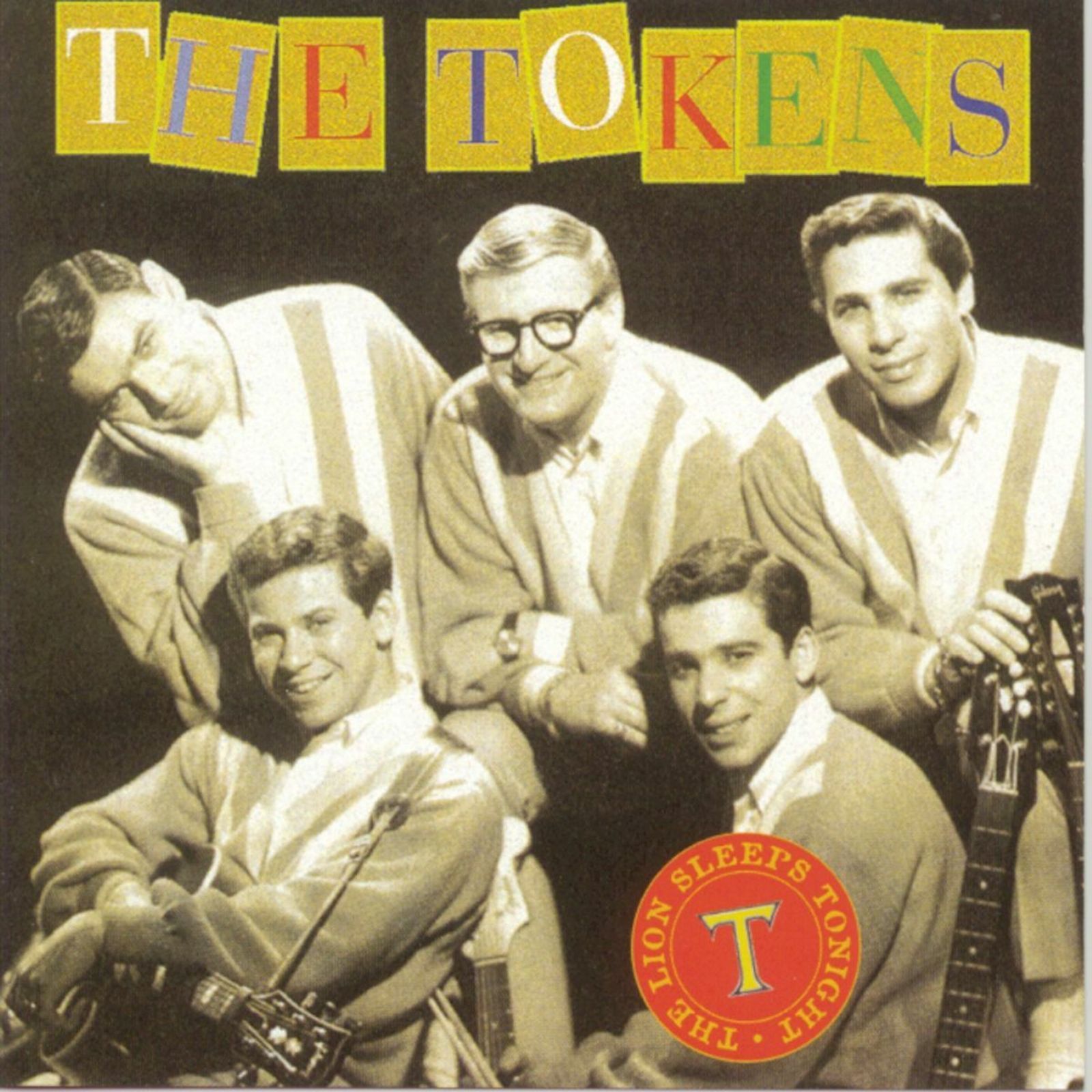
Released in 1961, this song sounded simple and playful at first, but even today it still brings back a quiet feeling of childhood and nostalgia every time it plays.
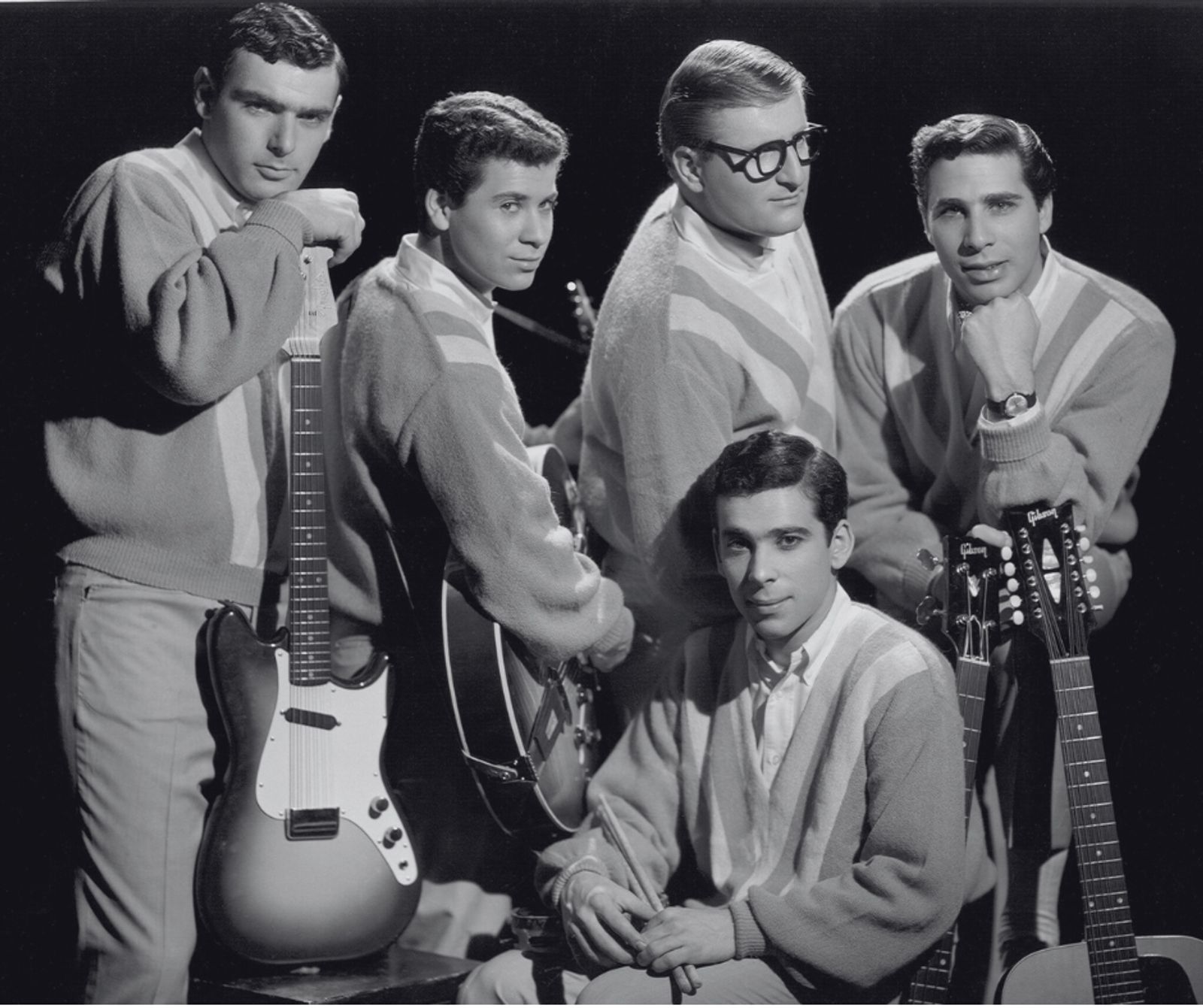
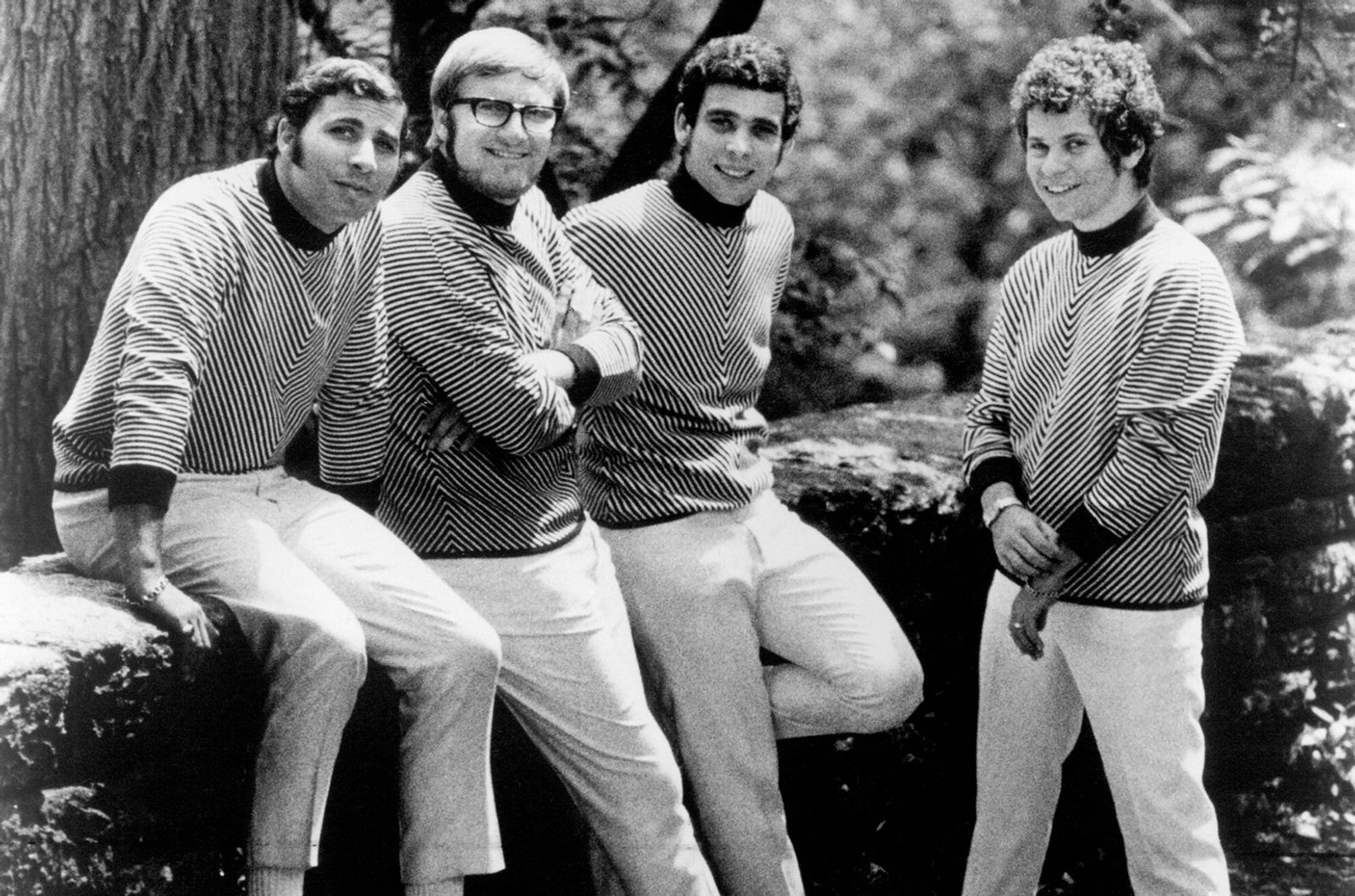
In 1961, at a time when pop music was rapidly evolving, The Tokens released a song that felt both playful and strangely timeless.
“The Lion Sleeps Tonight” arrived like a dream, drifting gently between innocence and mystery.
From its very first moments, the song creates a world that feels far removed from everyday life.
There is a softness to its opening that invites listeners into something almost magical.
Then comes the now-iconic high-pitched melody, instantly recognizable and impossible to forget.
That soaring vocal line became the heartbeat of the song.
It carries a sense of wonder that feels almost childlike, yet deeply evocative.
At the center of the track is Jay Siegel, whose falsetto performance defines its unique character.
His voice rises above the arrangement with a clarity that feels almost otherworldly.
It is a sound that doesn’t just entertain, but transports.
Yet the origins of “The Lion Sleeps Tonight” stretch far beyond this 1961 recording.
The song began decades earlier as “Mbube,” written and recorded by South African musician Solomon Linda in 1939.
That original version carried a completely different energy, rooted in Zulu musical traditions.
Over time, it evolved through various adaptations, each adding new layers to its identity.
By the time it reached The Tokens, it had transformed into something entirely new.
The arrangement they created blends doo-wop harmonies with a gentle pop sensibility.
It is carefully structured, yet it never loses its sense of spontaneity.
Background vocals weave in and out, creating a rich, textured sound.
Each layer adds depth without overwhelming the simplicity at the core of the song.
The production, guided by Hugo Peretti, Luigi Creatore, and George David Weiss, plays a crucial role in shaping its final form.
They understood how to balance novelty with emotional resonance.
The result is a track that feels both lighthearted and strangely hypnotic.
When it was released, the song quickly climbed the charts, reaching No. 1 on the Billboard Hot 100.
Its success was immediate and widespread, capturing audiences of all ages.
It became one of those rare songs that transcended categories.
Children were drawn to its playful sound, while adults found something deeper in its atmosphere.
Part of its appeal lies in its ambiguity.
The lyrics are simple, almost abstract, yet they hint at something larger.
The idea of a sleeping lion suggests calm, but also hidden power.
It creates a sense of stillness that feels both peaceful and slightly mysterious.
As the 1960s unfolded, the song remained a constant presence on radio and in popular culture.
It stood apart from the louder, more rebellious sounds that were beginning to dominate.
Instead, it offered a kind of gentle escape.
A reminder that music could still be whimsical and imaginative.
Over the decades, “The Lion Sleeps Tonight” has taken on a life of its own.
It has been featured in films, television shows, and commercials, reaching new audiences again and again.
Its inclusion in The Lion King introduced it to an entirely new generation.
That moment reaffirmed its place in the cultural landscape.
Few songs manage to remain relevant across so many different eras.
Yet this one continues to feel fresh, no matter how many times it is heard.
Part of that enduring quality comes from its universal tone.
It doesn’t rely on specific trends or references.
Instead, it taps into something more fundamental.
A sense of wonder, curiosity, and quiet imagination.
Looking back, the journey of this song is as remarkable as the song itself.
From its origins in South Africa to its transformation into a global hit, it carries a rich and complex history.
Each version adds something new, yet the core feeling remains intact.
It is a testament to the power of music to travel, evolve, and connect.
For many listeners, the song is tied to memories of childhood or moments of simple joy.
It has a way of bringing people back to a place of innocence.
Even now, its opening notes can instantly change the mood of a room.
There is a lightness to it that feels almost timeless.
At the same time, there is an undercurrent of depth that reveals itself over time.
That balance is what makes it so enduring.
In the end, “The Lion Sleeps Tonight” is more than just a catchy tune.
It is a piece of musical history that continues to echo across generations.
Read more stories
- He Was Rejected By His Own Mom And Raised To Think ‘Women Are Evil’ But He Became A Legendary Rockstar
- TOBY KEITH RECORDED SOME OF THE BIGGEST PATRIOTIC ANTHEMS IN COUNTRY MUSIC HISTORY—BUT HIS REAL LEGACY WAS BUILT ON MILITARY BASES WHERE NO CAMERAS WERE ROLLING.
- [Video]: The One-Take Hit That Took Over Rock Radio
- The Box Tops’ “The Letter” Captures Lightning in a Bottle and Redefines Blue-Eyed Soul in 1967-2