
News
“Unforgettable”: How Nat King Cole’s 1951 Ballad Became a Love Song Across Generations
First recorded by Nat King Cole in 1951 and revived decades later in a father-daughter duet with Natalie Cole, “Unforgettable” became an enduring standard by turning understatement, elegance, and emotional clarity into something timeless.

A standard built on restraint
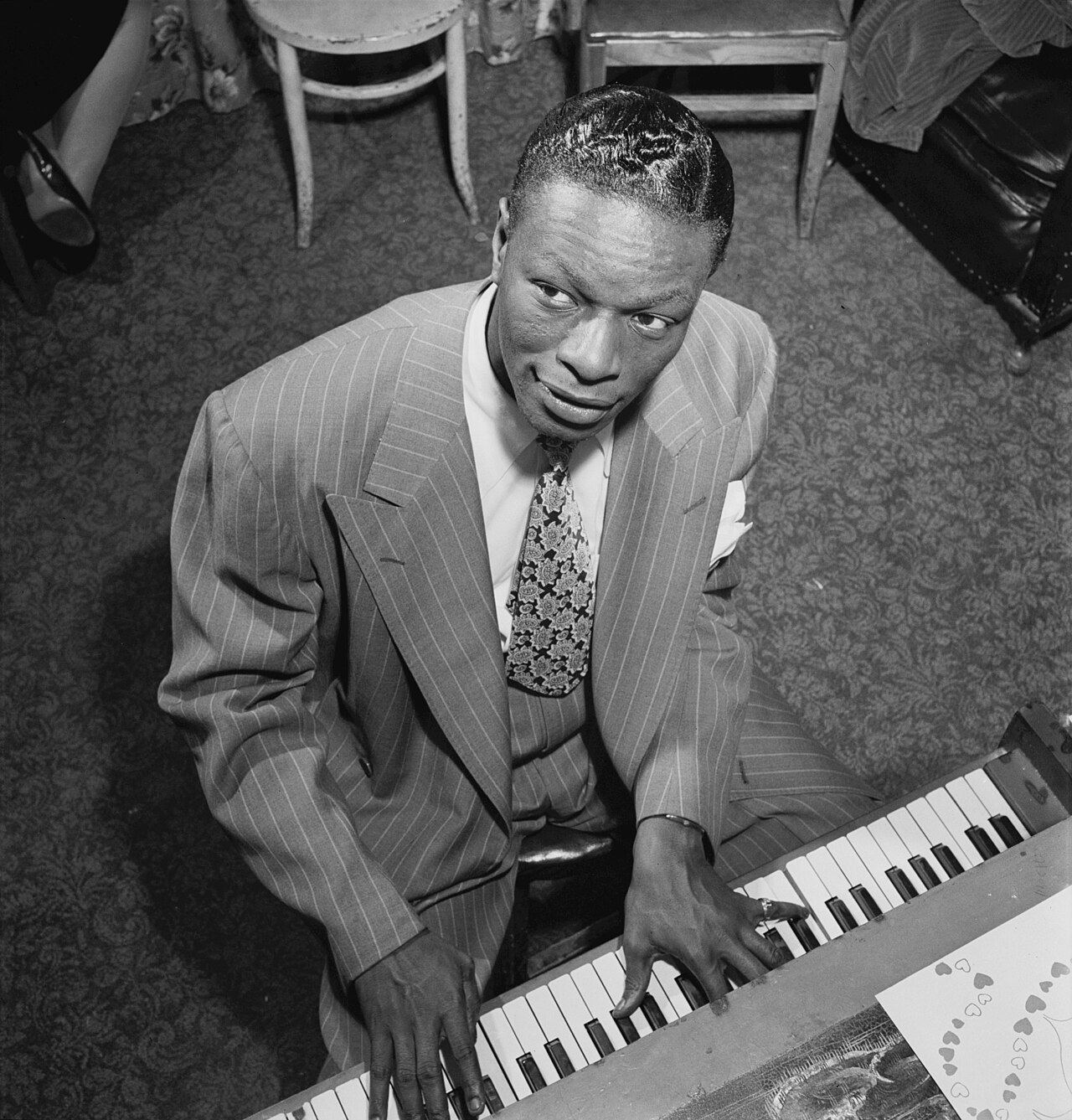
Some love songs announce themselves with drama. “Unforgettable” does the opposite. Its power lies in how gently it moves: a melody that seems to float, lyrics that say just enough, and a vocal performance from Nat King Cole that never strains for effect. Written by Irving Gordon and recorded by Cole in 1951, the song became one of those rare pop standards that could feel both deeply personal and universally shared.
That balance helps explain why the recording has lasted. Cole’s voice is warm but controlled, intimate without sounding confessional. He sings as if he is speaking directly to one person, yet the sentiment is broad enough to belong to countless listeners. In the years since its release, “Unforgettable” has lived at weddings, anniversaries, dance floors, and in quiet living rooms, carrying the same message each time: devotion does not need embellishment to feel profound.
“Unforgettable” endures because it turns simplicity into luxury: a plainspoken declaration delivered with absolute poise.
Nat King Cole’s signature performance
By the early 1950s, Nat King Cole had already established himself as one of the most distinctive vocalists in American popular music. What made “Unforgettable” stand out in his catalog was not only the song itself but the exactness of the performance. His baritone is close-miked and conversational, gliding over the melody with the kind of precision that makes difficult singing sound effortless.
The Capitol recording is also inseparable from its orchestral setting, widely associated with Nelson Riddle. The arrangement gives Cole a cushion rather than a spotlight to fight against. Strings and orchestra frame the voice instead of competing with it, creating a polished, late-evening atmosphere that became central to the song’s identity. The single reached No. 12 on the popular chart and soon became one of the recordings most closely identified with him.
Why the song connected so deeply
Part of the song’s durability comes from its emotional directness. The lyric does not depend on a complicated story or a specific moment. Instead, it captures a simple, almost formal admiration, making the song adaptable across eras and situations. It can sound romantic, nostalgic, grateful, or even reverent depending on who is hearing it and when.
Just as important, the song does not require vocal fireworks to succeed. That has made it attractive to generations of singers, but it also underlines why Cole’s version remains so difficult to surpass. He understood that the song’s elegance depends on proportion. Push too hard and it becomes sentimental; sing it too casually and it loses its glow. Cole found the narrow path in between, where affection feels both sincere and perfectly composed.
A second life through Natalie Cole
Four decades after the original recording, “Unforgettable” took on a remarkable new meaning. Advances in studio technology made it possible for Natalie Cole to record a duet with her late father, transforming the song from a romantic standard into something layered with family memory, tribute, and musical inheritance. What might have been a novelty instead became an event because the emotional premise was so resonant.
Listeners were hearing more than a familiar song revived. They were hearing a daughter step into conversation with an artist whose voice had long outlived him, and with a father whose public legacy was already woven into American music. The duet introduced the song to audiences who may have known Natalie Cole first, while drawing them back to the original performance that made the song famous in the first place.
From pop hit to cultural ritual
Over time, “Unforgettable” moved beyond the boundaries of a successful single and became part of the cultural vocabulary of romance. It is one of those songs people reach for when they want not just a mood but a type of refinement. In restaurants, films, tribute shows, and family celebrations, it signals elegance almost instantly.
That broad afterlife has not diluted the song. If anything, repeated use has reinforced what was there from the beginning: a melody and performance sturdy enough to survive changing tastes. In an age that often rewards bigger gestures and louder declarations, “Unforgettable” continues to remind listeners how persuasive calm can be. Its appeal has proven not merely nostalgic but renewable.
Why it still feels, fittingly, unforgettable
The song’s endurance across generations rests on a rare convergence of songwriting, interpretation, and timing. Irving Gordon supplied lyrics and melody of unusual clarity. Nat King Cole gave them a definitive reading. Natalie Cole later opened a second chapter that deepened the song’s emotional reach without replacing the first. Each stage of its life added meaning while preserving the core of the original.
That is why “Unforgettable” remains more than a classic recording from 1951. It is a piece of musical continuity, one that links listeners to the golden age of pop singing and to the modern idea of legacy itself. Few songs can function at once as a declaration of love, a family tribute, and a monument to interpretive style. This one can, and that is why it still earns its title every time it is heard.
Quick Facts
- Song: “Unforgettable”
- Written by: Irving Gordon
- First major recording: Nat King Cole, 1951
- Label: Capitol Records
- Arrangement association: Nelson Riddle
- Later revival: Posthumous duet with Natalie Cole
Image credits: William P. Gottlieb / Wikimedia Commons / Public domain; Cleary, Strauss, Irwin & Goodman-publicity / Wikimedia Commons / Public domain; Capitol Records / Wikimedia Commons / Public domain.

