Celebrities & Music
This wasn't just a hit song—it was a celebration that brought an entire generation to its feet. Decades later, its rhythm still has exactly the same magic.
The article reflects on the enduring impact of Sly & The Family Stone’s performance of “Dance to the Music” on The Ed Sullivan Show, highlighting its ability to unite generations through music and celebration.
Some performances do far more than entertain because they capture the exact moment when popular music begins changing forever before the audience even realizes it.
That unforgettable feeling comes rushing back whenever Sly & The Family Stone perform “Dance to the Music” on The Ed Sullivan Show, filling the stage with an energy that still feels astonishingly alive.
Long before digital effects, elaborate lighting, and massive concert productions became the norm, this performance proved that pure talent could command every eye in the room.
The moment the band appears, there is an unmistakable sense that something different is about to happen.
The rhythm immediately bursts to life with a confidence that refuses to sit quietly in the background.
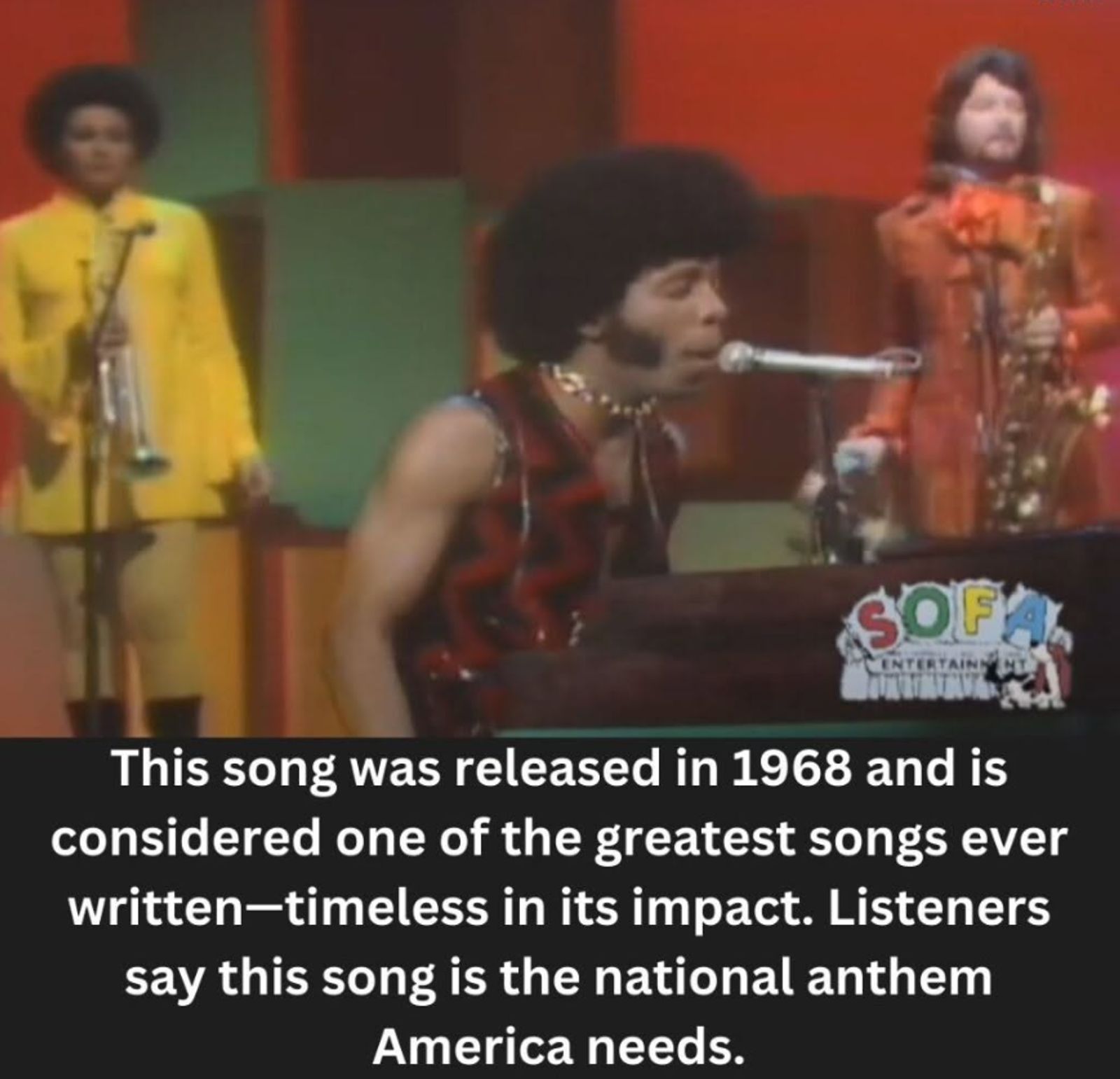
Instead of easing listeners into the performance, the music invites everyone to become part of the celebration from the very first beat.
That irresistible invitation explains why “Dance to the Music” became far more than another successful single during one of popular music’s most exciting eras.
Released in 1968, the recording arrived when musical boundaries were expanding faster than ever before.
Sly & The Family Stone refused to fit neatly inside one category because they blended soul, rock, funk, gospel, and pop into something entirely original.
Their sound belonged to everyone while sounding like nobody else.
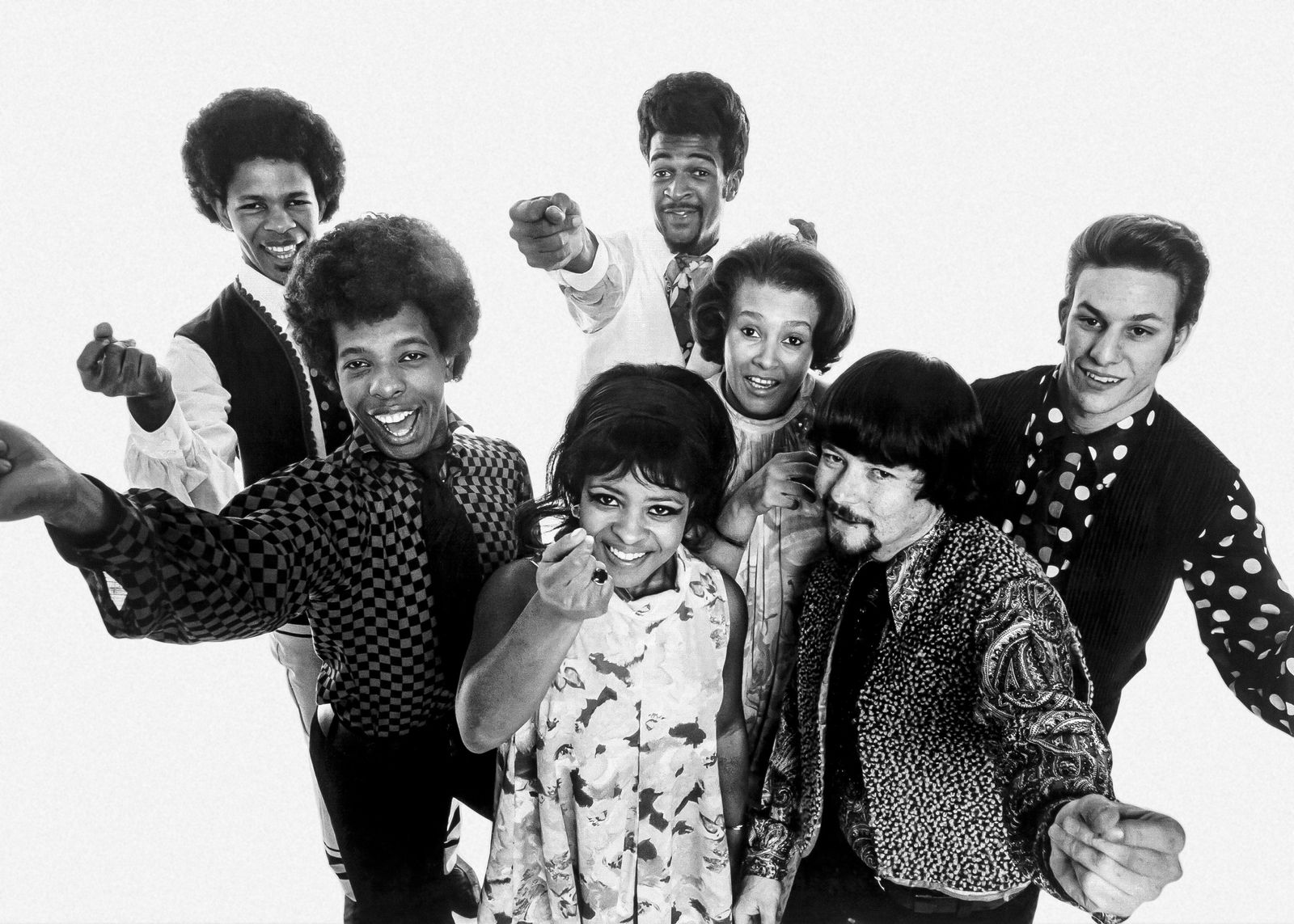
Watching the performance today reveals a group overflowing with confidence without ever sacrificing warmth or genuine joy.
Every musician contributes something unique, creating a remarkable balance where no individual overshadows the remarkable chemistry shared across the entire stage.
That sense of unity became one of the band’s greatest strengths and one of the reasons audiences connected with them so immediately.
The performance feels wonderfully spontaneous, yet every musical moment unfolds with extraordinary precision.
Powerful horns, energetic guitars, driving bass, lively keyboards, and unforgettable percussion combine into one thrilling musical conversation.
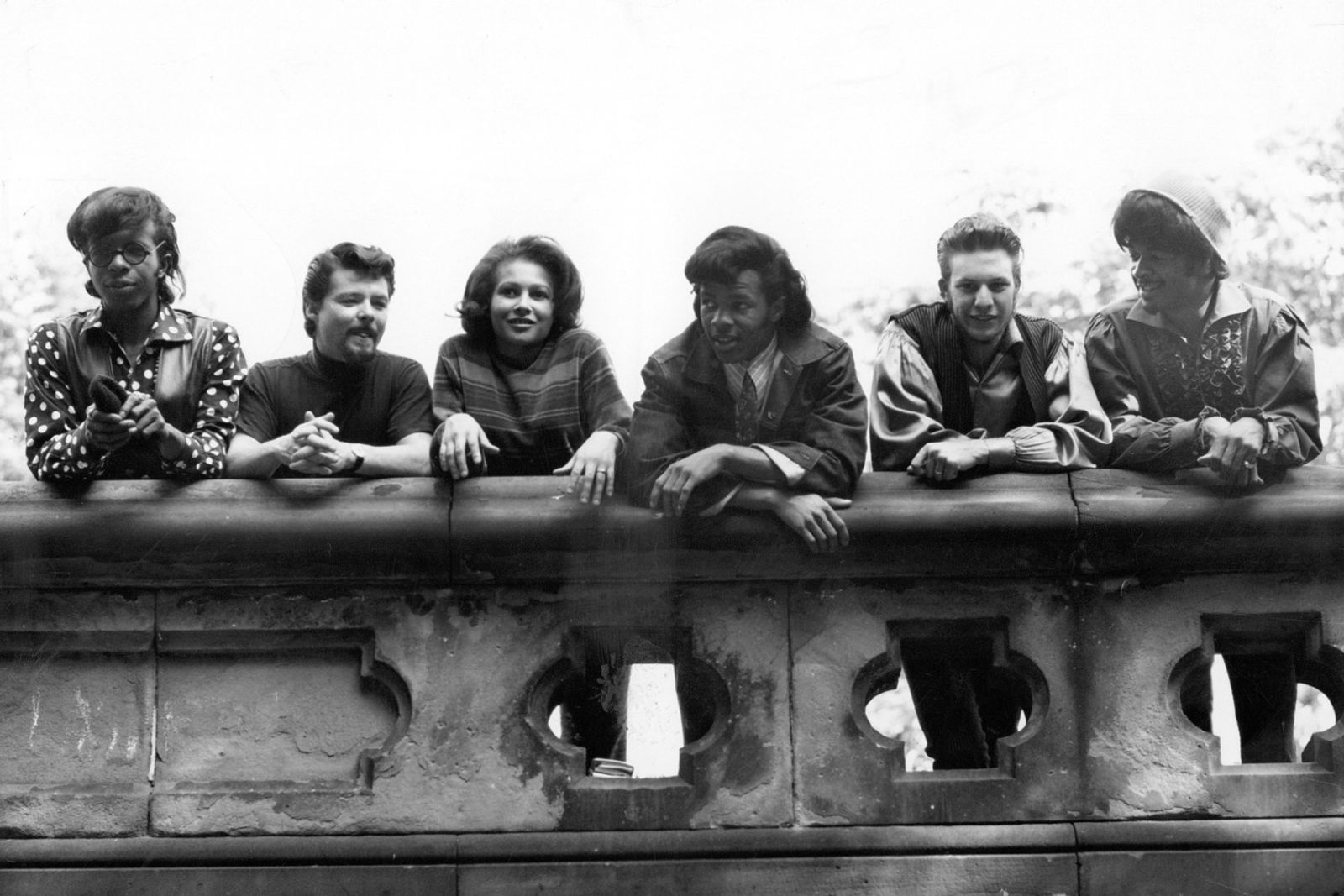
Rather than competing for attention, every instrument celebrates the others, creating excitement that grows naturally with every passing chorus.
The vocal exchanges add another unforgettable dimension, making the performance feel like a joyful dialogue rather than a traditional stage presentation.
Each voice brings its own personality while contributing to a larger sound filled with optimism and infectious enthusiasm.
That remarkable inclusiveness reflected the band’s groundbreaking identity, bringing together musicians of different backgrounds in a way rarely seen during the late nineteen-sixties.
Their success quietly demonstrated that great music could unite people far more effectively than division ever could.
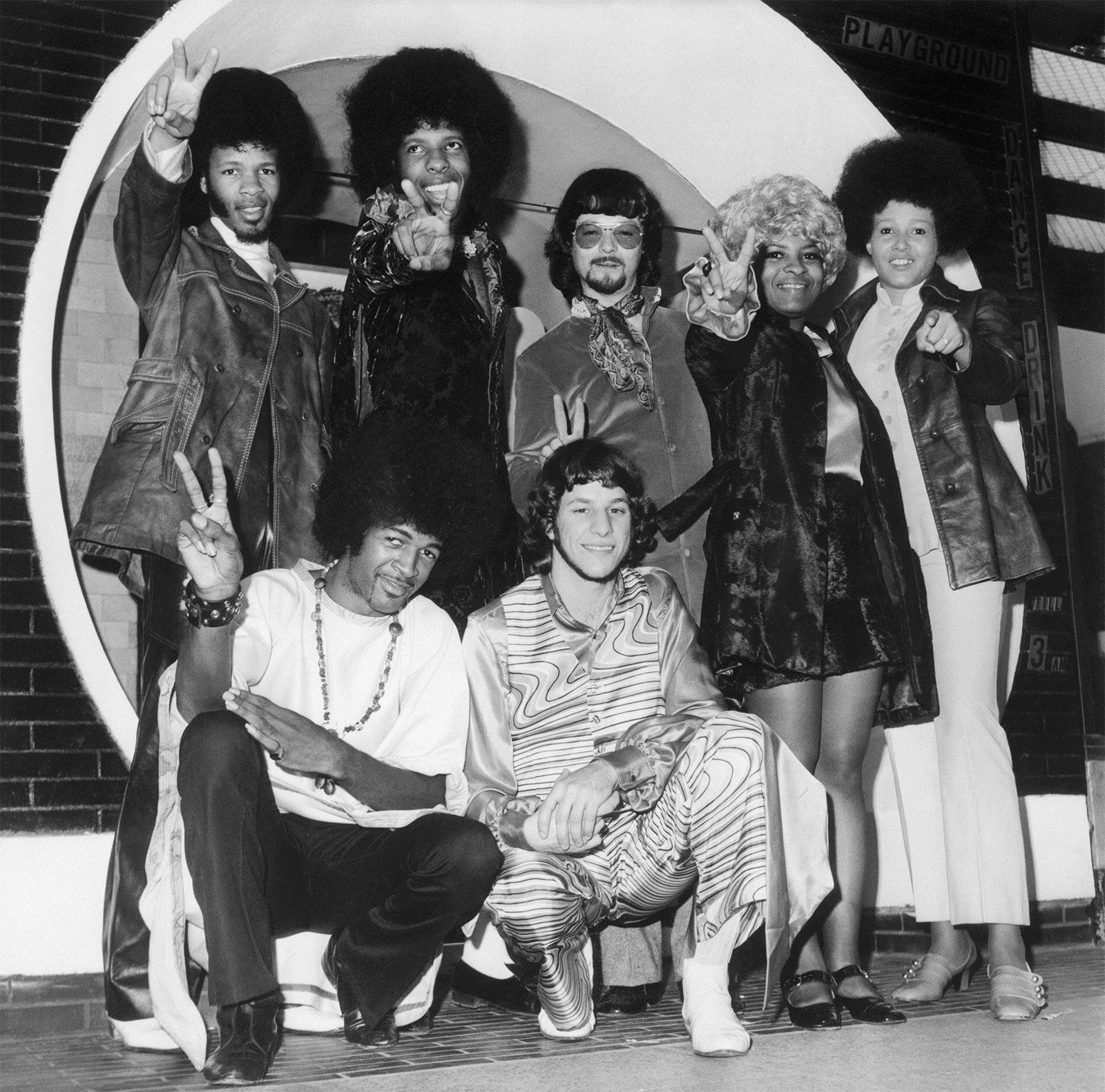
The audience may have arrived expecting another television performance, but they witnessed something that felt genuinely revolutionary.
Even today, that excitement remains visible in every smile, every movement, and every perfectly timed musical exchange.
The performance radiates freedom without losing discipline, proving that extraordinary musicianship and joyful spontaneity can exist together beautifully.
Listening now feels almost impossible without tapping a foot or moving along with the irresistible groove.
That reaction says everything about the song’s remarkable staying power across generations.
Many recordings encourage people to listen carefully.
“Dance to the Music” encourages them to participate.
Its message remains beautifully simple because music has always possessed the unique ability to bring strangers together without requiring a single explanation.
For a few unforgettable minutes, differences quietly disappear beneath rhythm, harmony, and shared celebration.
That timeless idea feels just as meaningful today as it did when millions first watched the performance on television.
Modern audiences may discover the performance through online videos instead of family living rooms, yet the emotional response remains wonderfully unchanged.
The joy feels authentic because nothing about it depends upon expensive production or carefully manufactured spectacle.
Instead, every smile grows naturally from musicians genuinely enjoying every second spent creating unforgettable music together.
The Ed Sullivan stage witnessed countless legendary performers throughout its remarkable history.
Even among those extraordinary appearances, Sly & The Family Stone left behind something uniquely vibrant and impossible to mistake for anyone else.

Their fearless originality continues inspiring musicians who understand that true innovation begins with authenticity rather than imitation.
The years may have transformed musical styles countless times, but genuine energy never becomes outdated.
That enduring truth echoes throughout every note of this remarkable performance.
Perhaps that explains why younger listeners continue discovering the recording with exactly the same excitement experienced by audiences more than half a century ago.
Great performances never belong only to history because they continue creating new memories every time someone presses play.
Each viewing feels less like watching an old television broadcast and more like stepping inside a celebration where everyone is welcome.
Its rhythm still feels fresh.
Its message still feels hopeful.