
Celebrities & Music
This timeless 1960s masterpiece quietly proved that hope can sometimes be hidden inside the saddest melodies.
The article explores the enduring impact of Gerry and the Pacemakers’ song “Don’t Let The Sun Catch You Crying,” highlighting its emotional depth and universal message of hope amidst sadness.

Some songs heal broken hearts with dramatic declarations, while others offer quiet reassurance that tomorrow will always be kinder than today, and “Don’t Let The Sun Catch You Crying” by Gerry and the Pacemakers remains one of the gentlest and most enduring ballads of the British Invasion.
Released in 1964, the song arrived during an era dominated by energetic rock and roll, yet its tender melody and heartfelt message immediately distinguished it from the louder sounds filling radio stations.
Instead of celebrating youthful excitement, it embraced vulnerability, reminding listeners that heartbreak is temporary and hope quietly waits with every new sunrise.
That emotional honesty transformed the recording into one of the group’s most beloved performances and a timeless favorite across generations.
More than sixty years later, its comforting words continue finding new listeners who discover that some songs never lose their ability to soothe wounded hearts.
At the center of the recording stood Gerry Marsden, whose warm, sincere voice carried an emotional authenticity that made every lyric feel deeply personal.
Unlike many singers chasing dramatic vocal performances, Marsden understood the extraordinary power of restraint.
He delivered every line with gentle confidence, allowing the song’s hopeful message to breathe naturally instead of overwhelming it with unnecessary emotion.
That understated approach became one of the defining characteristics of Gerry and the Pacemakers throughout their remarkable career.
Like several legendary Liverpool groups of the early 1960s, the band emerged from the same thriving music scene that introduced countless British artists to the world.
Managed by Brian Epstein, they quickly became one of the first Liverpool bands to achieve international success alongside their famous contemporaries.
Their early string of chart-topping singles established them as one of Britain’s most dependable hitmakers.
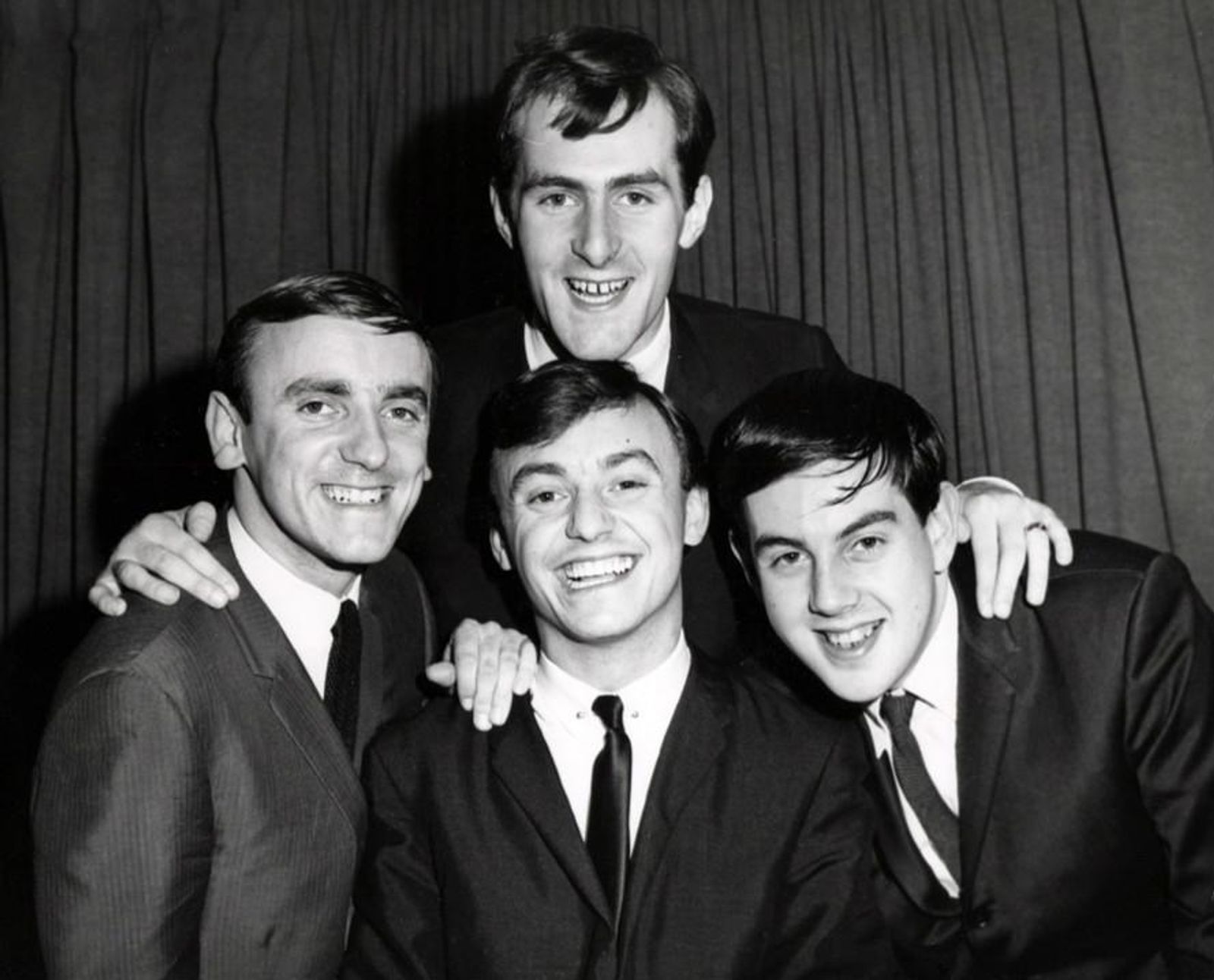
Yet “Don’t Let The Sun Catch You Crying” revealed a softer, more reflective side that expanded both their audience and artistic reputation.
Interestingly, the song was not written entirely by Gerry Marsden alone.
The composition was completed through a collaboration involving Marsden together with Paul McCartney, who reportedly contributed valuable ideas while the melody was still taking shape.
Although McCartney’s involvement remained relatively modest, the collaboration reflected the close creative friendships shared among Liverpool musicians during those extraordinary years.
The finished song possessed a remarkable emotional balance, combining quiet sadness with genuine optimism.
Producer George Martin, already celebrated for his innovative studio work, recognized the composition’s unique potential.
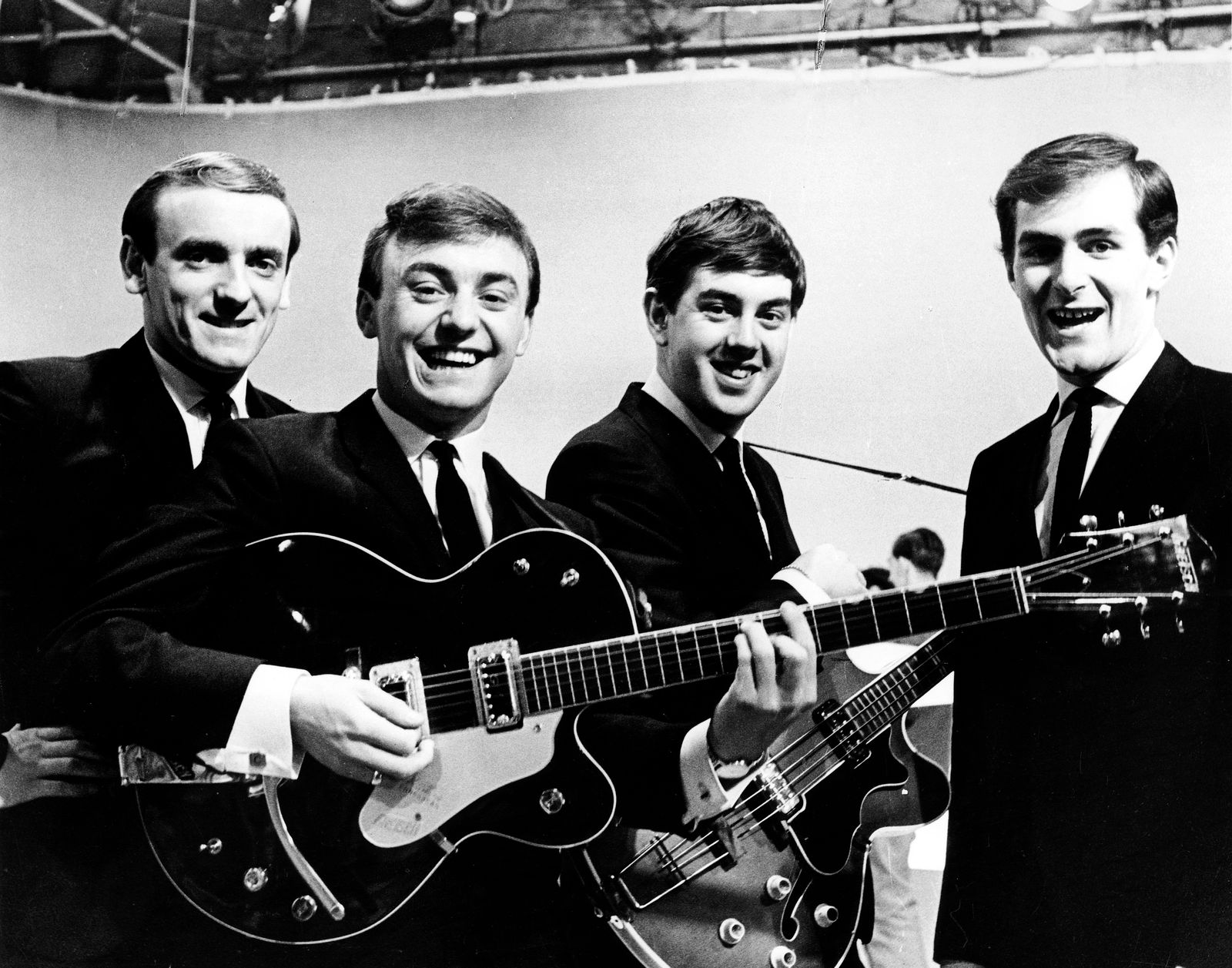
His elegant arrangement surrounded Marsden’s voice with delicate strings, gentle piano, and subtle orchestral textures that elevated the recording without sacrificing its intimacy.
Rather than competing with the vocal, every instrument seemed designed to comfort the listener.
The production demonstrated that simplicity, when handled with care, could be just as powerful as elaborate musical experimentation.
Upon its release, the single became a major success in both Britain and the United States.
It reached the American Top Five, introducing many listeners to a more tender interpretation of British pop music during the height of the British Invasion.
Its success proved that audiences embraced emotional sincerity just as enthusiastically as energetic dance records.
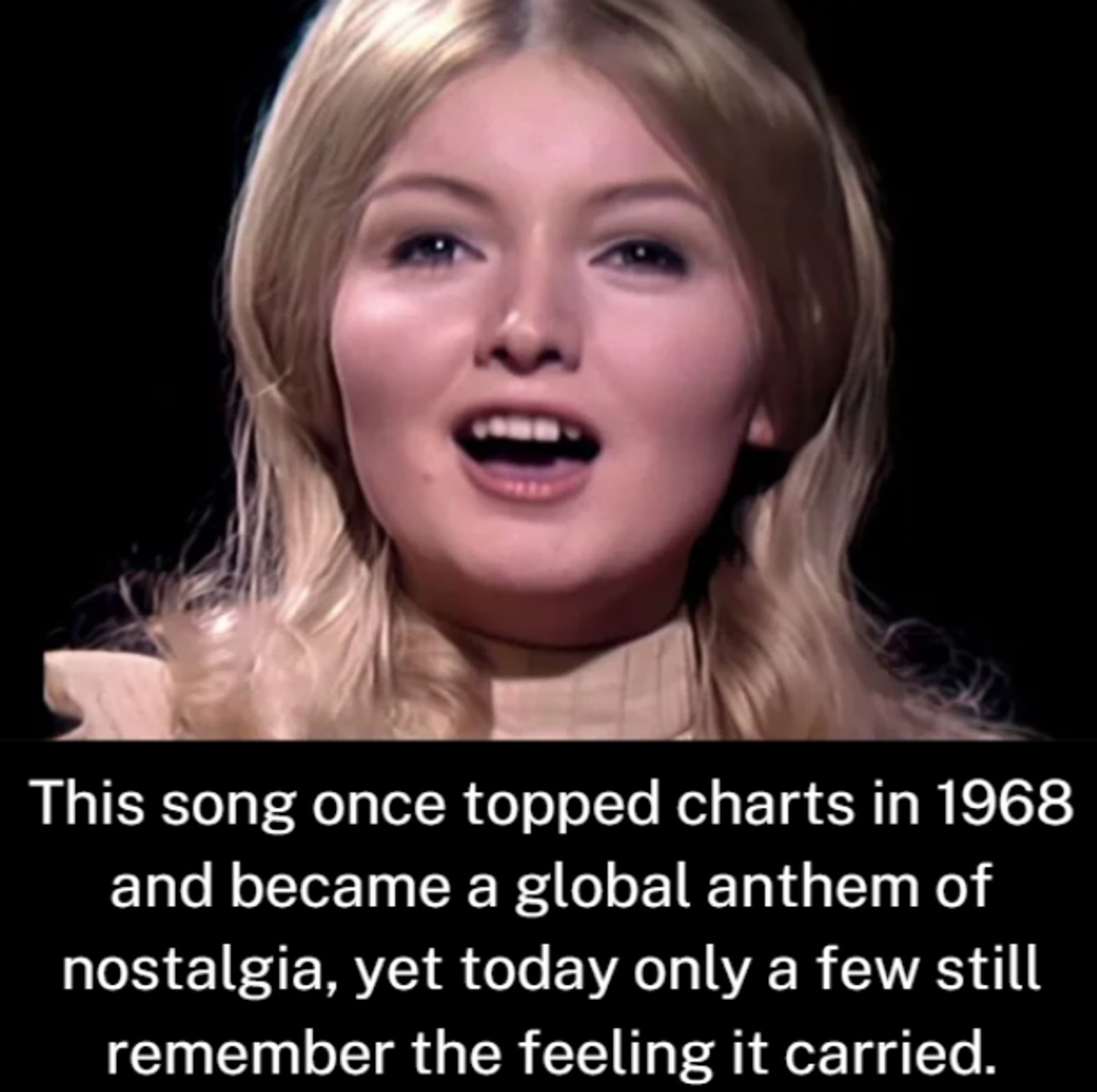
For Gerry and the Pacemakers, the song reinforced their reputation as far more than simply another beat group.
Its lasting appeal comes largely from the universal nature of its message.
Everyone eventually experiences nights filled with disappointment, loneliness, or the quiet ache of lost love.
Rather than dwelling on despair, the lyrics gently encourage patience by suggesting that tears belong to the darkness, while daylight carries the promise of healing.
That hopeful perspective has allowed the song to remain meaningful through changing generations.
Listeners continue returning to it during difficult moments because it never pretends that pain disappears instantly.
Instead, it quietly reminds us that sorrow fades little by little, often without us even noticing.
Over the decades, numerous artists have recorded their own interpretations of “Don’t Let The Sun Catch You Crying.”
Each version brings subtle differences, yet Gerry Marsden’s original performance remains the emotional benchmark against which all others are measured.
Its appearances in films, television programs, and nostalgic playlists have introduced the recording to audiences who were not even born when it first topped the charts.
The song’s enduring popularity also reflects the timeless craftsmanship of classic songwriting.
Its memorable melody, graceful structure, and emotionally direct lyrics require no complicated production tricks to remain effective.

That simplicity has helped preserve its beauty while countless musical trends have come and gone.
For Gerry Marsden, the recording became one of the defining achievements of a career filled with unforgettable moments.
Although the band would forever be associated with classics like “You’ll Never Walk Alone” and “How Do You Do It?”, this gentle ballad revealed an emotional depth that distinguished them from many of their contemporaries.
Listening today, the recording feels almost untouched by time.
Its message remains as comforting now as it was during the uncertain days of the mid-1960s.
Perhaps that is because every generation eventually discovers that heartbreak is one of life’s few universal experiences.
Songs like this remind us that music cannot erase sadness, but it can make us feel less alone while we carry it.
More than a classic hit, “Don’t Let The Sun Catch You Crying” stands as a quiet reminder that hope often arrives not with grand gestures, but with gentle words spoken at exactly the moment we need them most.
That enduring kindness is why this beautiful recording continues shining across the decades, proving that the softest songs are sometimes the ones that stay with us forever.
Read more stories
- He Was Rejected By His Own Mom And Raised To Think ‘Women Are Evil’ But He Became A Legendary Rockstar
- TOBY KEITH RECORDED SOME OF THE BIGGEST PATRIOTIC ANTHEMS IN COUNTRY MUSIC HISTORY—BUT HIS REAL LEGACY WAS BUILT ON MILITARY BASES WHERE NO CAMERAS WERE ROLLING.
- [Video]: The One-Take Hit That Took Over Rock Radio
- The Box Tops’ “The Letter” Captures Lightning in a Bottle and Redefines Blue-Eyed Soul in 1967-2