Celebrities & Music
There Are Songs That Don’t Tell a Complete Story, But Instead Leave Behind a Feeling That’s Hard to Put Into Words
The article explores the emotional depth of the Eagles’ song ‘I Can’t Tell You Why,’ highlighting its themes of vulnerability and the complexities of love during a tumultuous time for the band.
There are songs that don’t tell a complete story, but instead leave behind a feeling that’s hard to put into words. Released at a moment when a legendary band was slowly falling apart, this song feels like a quiet confession that anyone who has ever loved will understand.
When I Can’t Tell You Why was released in early 1980, it felt like a quiet confession slipping through the cracks of arena rock, a song that didn’t shout for attention but slowly pulled listeners into its emotional gravity.

Appearing on The Long Run, the Eagles’ final studio album before their initial breakup, the song marked a striking departure from the band’s familiar swagger, replacing bravado with vulnerability and unspoken regret.
Written by Don Henley, Glenn Frey, and bassist Timothy B. Schmit, I Can’t Tell You Why stood out not only for its tone but for its voice, as Schmit stepped into the spotlight with a lead vocal that was tender, restrained, and deeply human.
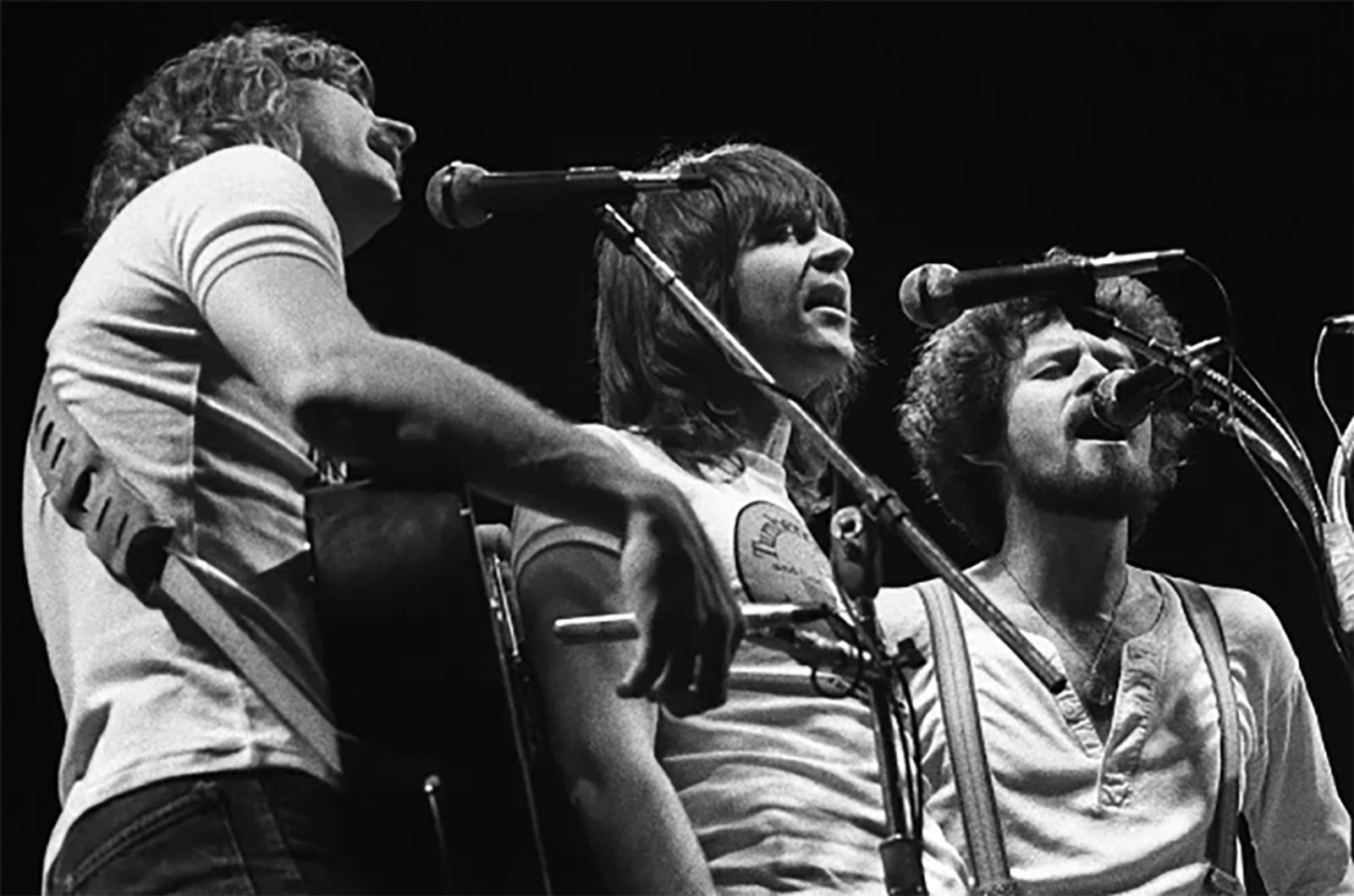
Unlike the band’s earlier hits filled with desert imagery, outlaw confidence, and California mythology, this song lived entirely in the emotional aftermath of a relationship already breaking apart.
The lyrics unfold like a late-night conversation that never quite finds the right words, capturing the frustration of loving someone while sensing that something essential has already been lost.

Schmit’s vocal performance is the heart of the song, floating gently above the instrumentation with a sense of uncertainty that feels painfully authentic rather than theatrically sad.
Musically, the track leans into smooth R&B and soft rock influences, built around a mellow groove, subtle electric piano, and one of the most tasteful guitar solos of the Eagles’ career.
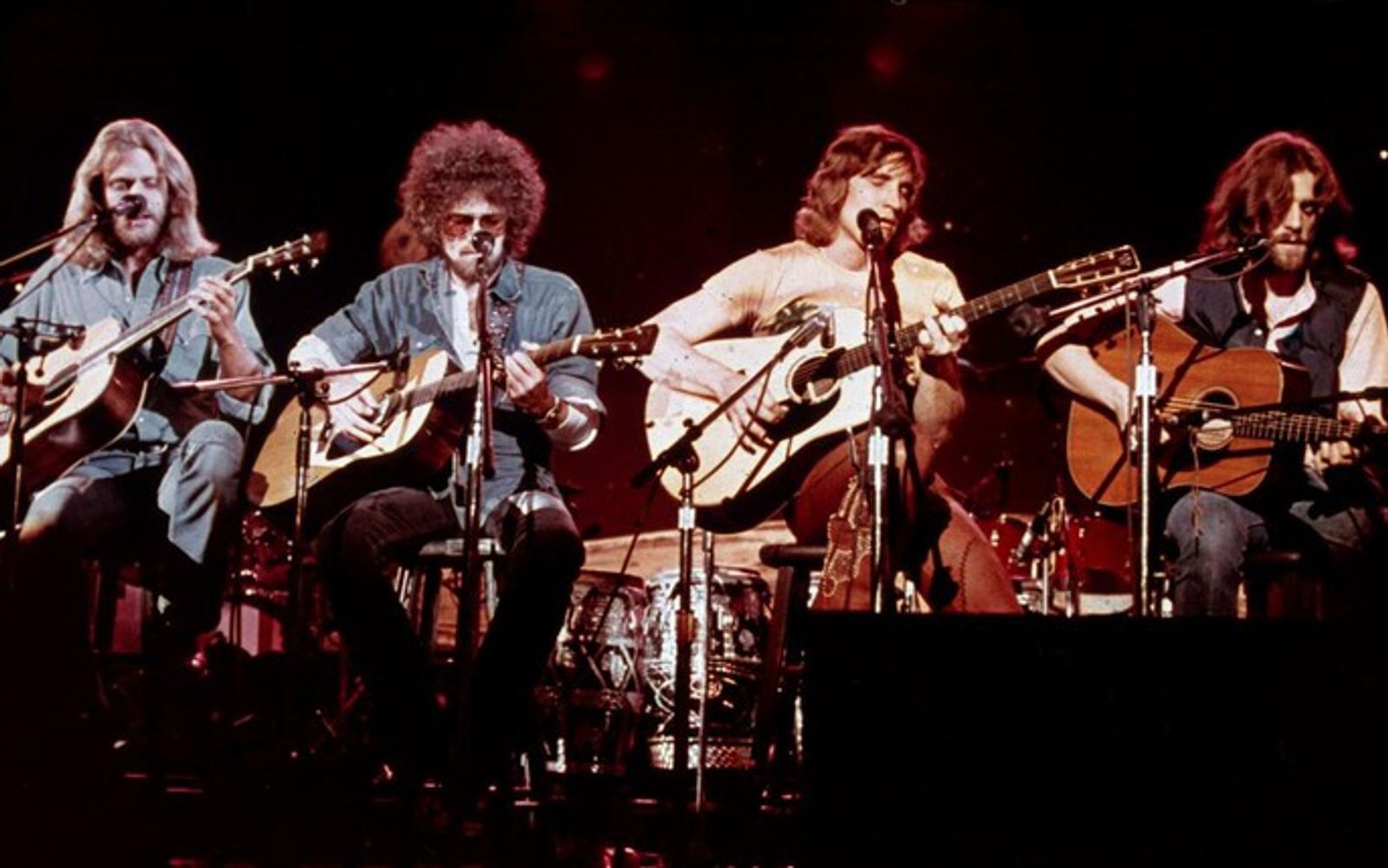
That solo, played by Joe Walsh, is understated and lyrical, mirroring the song’s emotional restraint and proving that silence and space can be just as powerful as technical fireworks.
By 1980, the Eagles were one of the biggest bands in the world, yet behind the scenes they were fractured by exhaustion, ego clashes, and years of relentless touring and success.

In that context, I Can’t Tell You Why feels almost autobiographical, as if the band itself were struggling to articulate why something that once worked so beautifully was slowly coming undone.
Timothy B. Schmit, who had joined the Eagles only a few years earlier after replacing Randy Meisner, brought a softer sensibility that subtly reshaped the band’s emotional palette.

His background with Poco and his naturally high, gentle tenor made him the perfect vessel for a song built on hesitation, longing, and emotional distance.
Upon release, the song became a Top 10 hit on the Billboard Hot 100, proving that audiences were willing to embrace a quieter, more introspective side of the Eagles.

While it never reached the iconic status of Hotel California or Take It Easy, the song carved out a lasting place as one of the band’s most emotionally resonant works.
Over time, I Can’t Tell You Why has aged remarkably well, perhaps because its theme of emotional confusion feels timeless in a way that trends and eras cannot erase.
It’s a song that resonates most strongly in moments of reflection, when relationships are remembered not for their dramatic endings but for the unanswered questions they leave behind.
The production, polished yet intimate, reflects the late-1970s transition into smoother, radio-friendly rock without sacrificing emotional depth.
For many listeners, the song feels like the calm before a storm, a gentle closing of a door just before everything finally falls apart.
Not long after The Long Run tour ended, the Eagles famously imploded, making I Can’t Tell You Why sound in hindsight like a quiet farewell rather than just another album track.
Decades later, the song continues to find new audiences, frequently appearing on late-night playlists, road-trip soundtracks, and moments when words fail but feelings remain.
More than four decades on, I Can’t Tell You Why endures as a reminder that some of the most powerful songs are not about answers, but about the ache of not having them.