Celebrities & Music
The Wanderer: Dion’s Iconic Anthem of Freedom and Rock ‘n’ Roll Spirit
Dion’s “The Wanderer” is a defining rock and roll anthem from the early 1960s, celebrating themes of freedom and youthful rebellion while also reflecting on the emptiness of a nomadic lifestyle.
In the vibrant tapestry of early 1960s rock and roll, few songs encapsulate the era’s spirit as vividly as “The Wanderer” by Dion.
Released in 1961, this track not only became a defining hit for the artist but also etched its place as a timeless anthem of youthful rebellion and freedom.
Dion Francis DiMucci, known mononymously as Dion, was born on July 18, 1939, in the Bronx, New York.
Growing up in a predominantly Italian-American neighborhood, Dion was immersed in a rich cultural milieu that blended traditional Italian melodies with the burgeoning sounds of American doo-wop and rhythm and blues.
This unique environment played a pivotal role in shaping his musical sensibilities.
From a young age, Dion exhibited a natural affinity for music.

He often sang on street corners with local groups, honing his vocal skills and developing a charismatic stage presence.
These early experiences laid the foundation for his future endeavors in the music industry.
In the late 1950s, Dion gained prominence as the lead singer of Dion and the Belmonts, a group that epitomized the doo-wop sound of the era.
Their harmonious melodies and heartfelt lyrics resonated with audiences, leading to hits like “A Teenager in Love” and “Where or When.”
However, Dion’s ambitions soon led him to pursue a solo career.
Embarking on his solo journey, Dion sought to craft a sound that was distinct yet reflective of his musical roots.
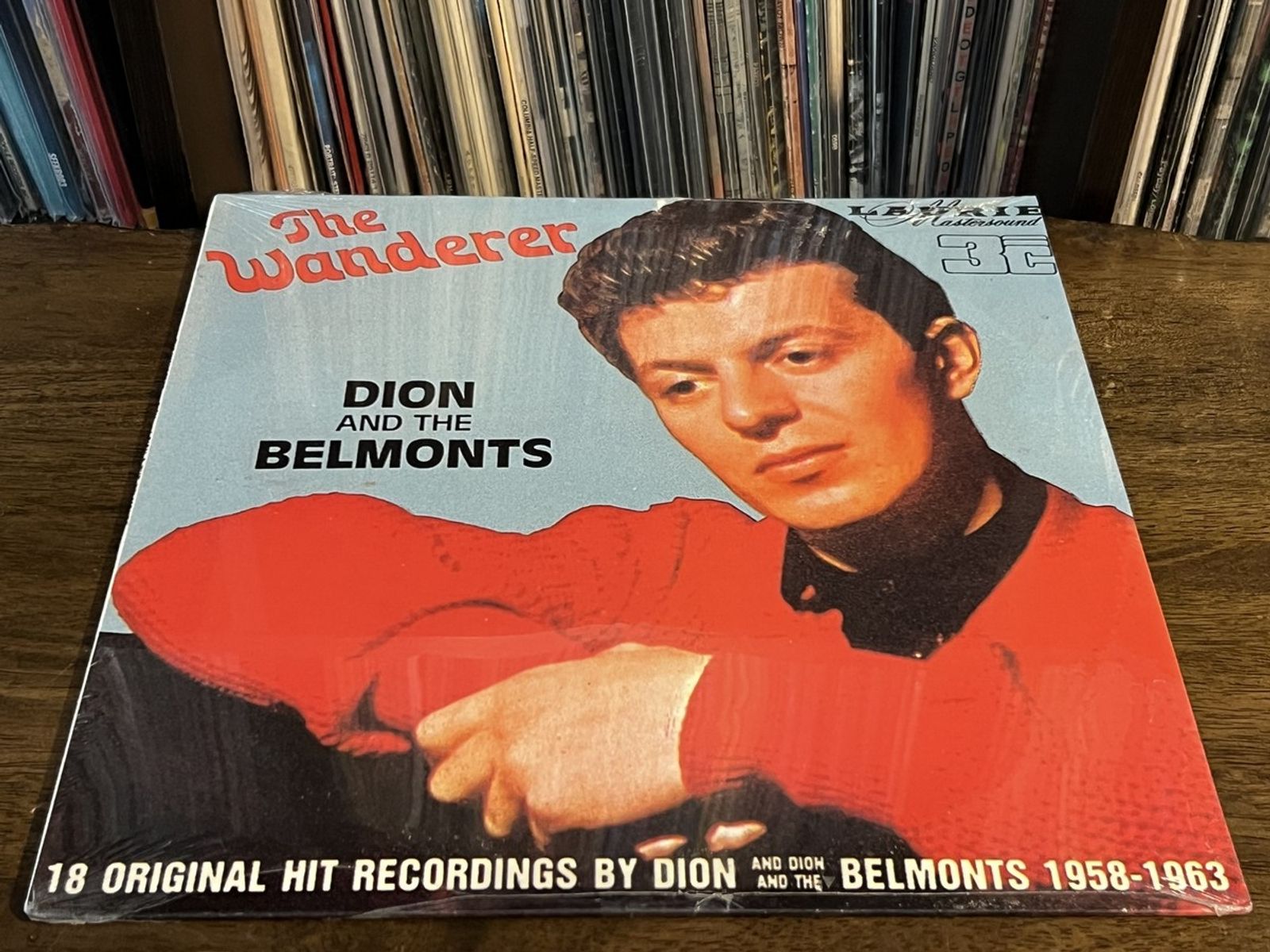
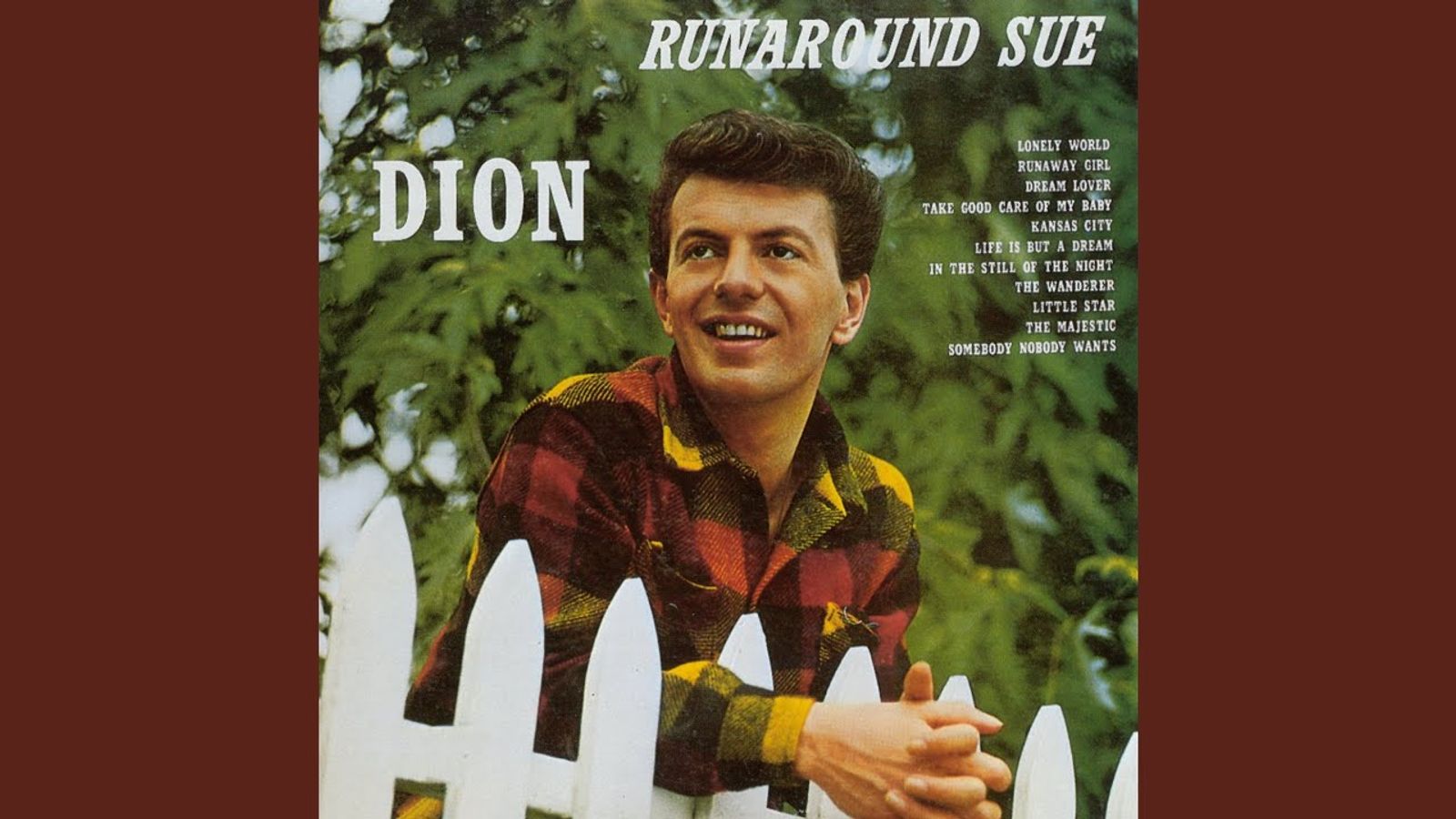
Collaborating with songwriter Ernie Maresca, he co-wrote “Runaround Sue,” a catchy tune that became an instant success, reaching number one on the Billboard Hot 100 in 1961.
This achievement set the stage for his next big hit.
Following the success of “Runaround Sue,” Dion and Maresca teamed up again to create “The Wanderer.”
Initially intended as a B-side to “The Majestic,” the song’s infectious rhythm and relatable lyrics quickly caught the attention of radio DJs, who began favoring it over the A-side.
As a result, “The Wanderer” soared to number two on the Billboard charts in early 1962.
Musically, “The Wanderer” is anchored in a 12-bar blues structure, infused with elements of rock and roll and doo-wop.
The song features a driving beat, complemented by spirited saxophone riffs and Dion’s confident vocals.
This combination created an irresistible groove that invited listeners to tap their feet and sing along.
The lyrics of “The Wanderer” paint a vivid portrait of a free-spirited individual who roams from town to town, engaging in fleeting romances without forming lasting attachments.
Lines like “I’m the type of guy who likes to roam around” and “I kiss ’em and I love ’em ’cause to me they’re all the same” encapsulate the protagonist’s carefree philosophy.
While on the surface, the song celebrates a nomadic lifestyle, Dion later revealed deeper nuances.
He described “The Wanderer” as a reflection on the emptiness that can accompany such a life, noting that despite the upbeat tempo, the narrative hints at a sense of going nowhere.

This introspective layer adds depth to the seemingly straightforward tale.
The recording session for “The Wanderer” was marked by a synergy between Dion and the accompanying musicians.
The Del-Satins, a doo-wop group, provided the background vocals, adding richness to the track.
The instrumental ensemble, featuring talents like Bucky Pizzarelli on guitar and Buddy Lucas on tenor sax, delivered a dynamic performance that elevated the song’s energy.
Upon its release, “The Wanderer” resonated with a wide audience, transcending cultural and generational boundaries.
Its universal themes of freedom and self-discovery struck a chord during a time when societal norms were being questioned, and the youth were seeking new forms of expression.

Over the years, “The Wanderer” has been covered by numerous artists across various genres, attesting to its enduring appeal.
Notable renditions include those by Status Quo, who infused it with a hard rock edge, and Eddie Rabbitt, who brought a country flair to the classic.
Each interpretation offers a fresh perspective while honoring the original’s spirit.
Dion’s career continued to evolve after the success of “The Wanderer.”
He explored different musical styles, delving into blues, folk, and even contemporary Christian music.
His versatility as an artist allowed him to remain relevant across decades, and he was inducted into the Rock and Roll Hall of Fame in 1989, cementing his legacy in the annals of music history.
In his personal life, Dion faced challenges, including a battle with heroin addiction.
However, he overcame these struggles, crediting his faith and the support of his wife, Susan, whom he married in 1963.
Their enduring partnership became a cornerstone of his journey, both personally and professionally.
Reflecting on “The Wanderer,” Dion has expressed pride in its lasting impact.
He acknowledges that while the song captures a specific moment in time, its themes remain relevant, resonating with new generations of listeners.
This timeless quality is a testament to the song’s craftsmanship and the authenticity of its delivery.
Today, “The Wanderer” stands as a quintessential piece of rock and roll history.