
Celebrities & Music
The Songwriter Wanted To Remove The Chorus — Instead It Made History
The article explores the creation and enduring legacy of Earth, Wind & Fire’s iconic song ‘September,’ highlighting the creative tensions during its writing and its impact on music and culture.

Some songs become timeless because of profound lyrics or groundbreaking production. Others achieve immortality simply because they make people feel good. Few recordings capture pure joy as effortlessly as “September” by Earth, Wind & Fire—a song whose infectious groove has filled dance floors, weddings, and celebrations for nearly half a century.
By the fall of 1978, Earth, Wind & Fire had already become one of the biggest bands in the world. Led by visionary songwriter and producer Maurice White, the group had perfected a dazzling blend of funk, soul, R&B, jazz, disco, and pop. Their concerts were legendary, their musicianship was unmatched, and they seemed incapable of making a record that didn’t radiate optimism.
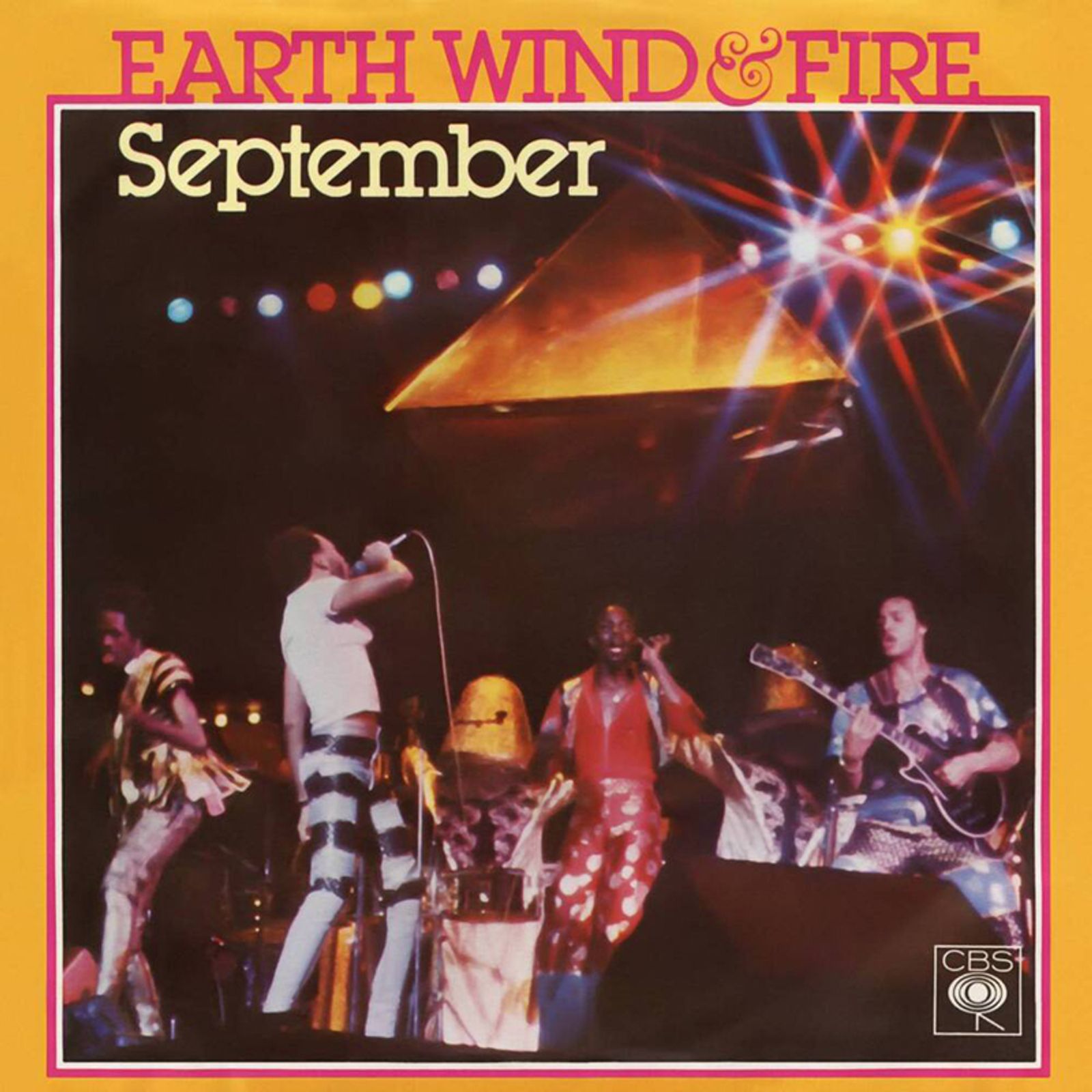
At the height of that success, the band entered the studio to record a handful of new songs for The Best of Earth, Wind & Fire, Vol. 1. One of those tracks was “September”—a song originally intended as little more than a bonus addition to a greatest-hits collection. No one imagined it would become one of the band’s defining recordings.
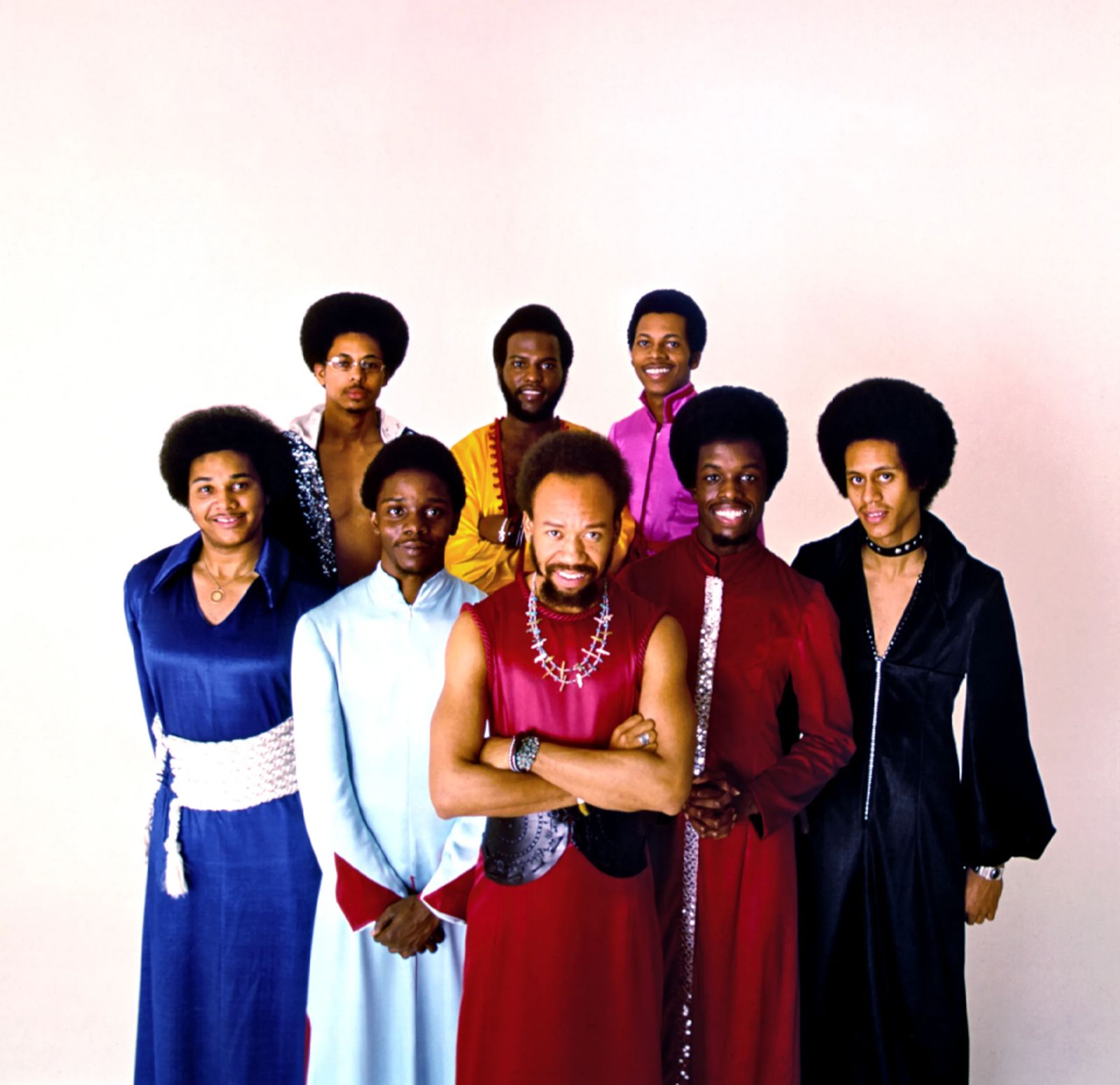
The song was written by Maurice White, guitarist Al McKay, and songwriter Allee Willis. Together they crafted a nostalgic celebration of love, friendship, and unforgettable memories, centered around a magical September romance that seemed to exist forever in the hearts of those who experienced it. But during the writing process, one creative decision sparked an unexpected disagreement.
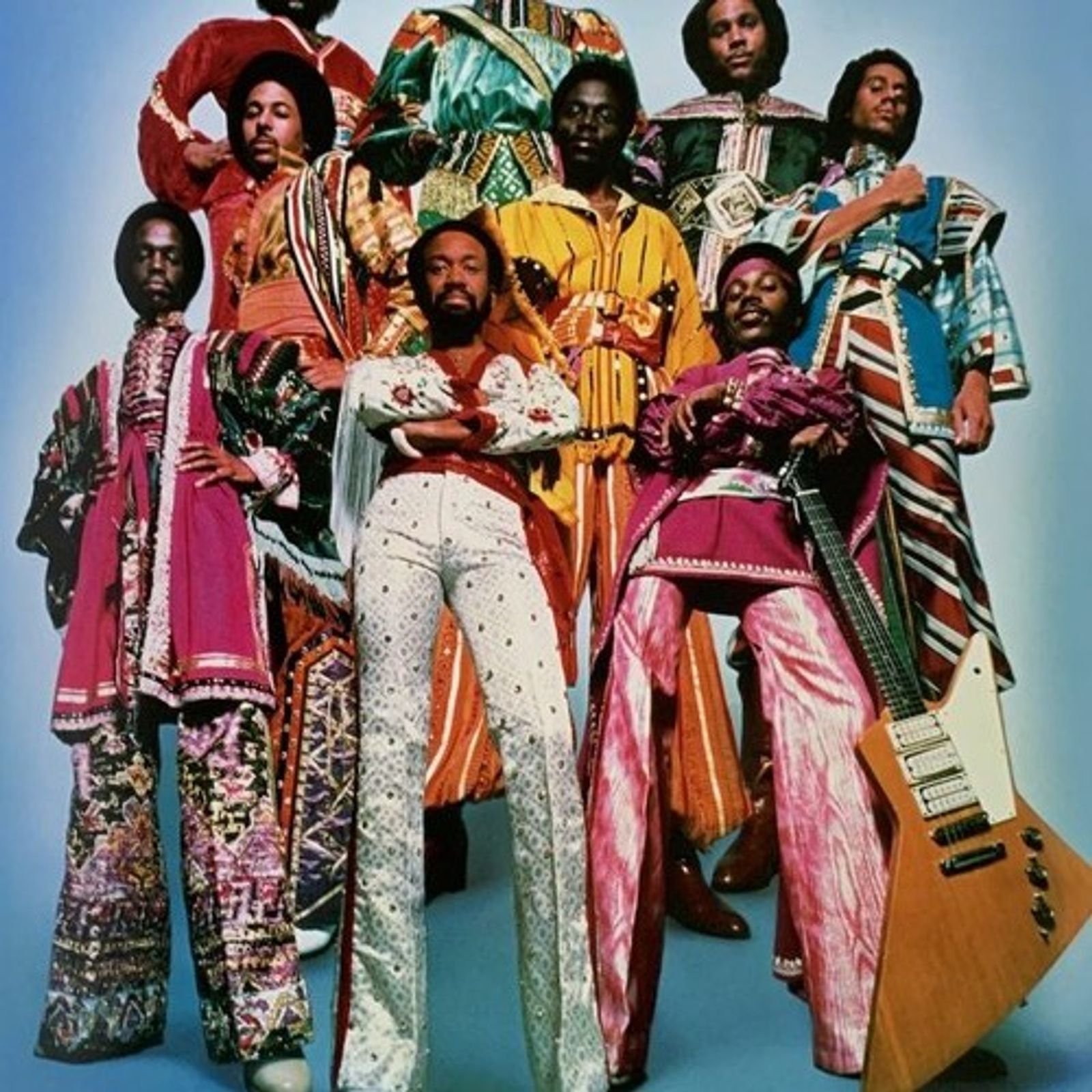
White insisted on adding playful vocal phrases like “Ba-du-da” and the now-iconic “Ba-dee-ya” throughout the song. To Allee Willis, who had worked hard on the lyrics, those seemingly meaningless sounds felt unnecessary. She worried they distracted from the carefully written words and even viewed them as a slight to her abilities as a lyricist. Maurice White saw things very differently.

Years later, he recalled spending nearly a month trying to reassure Willis that the additions were never meant to diminish her work. His philosophy was simple: great music isn’t always about literal meaning. Sometimes a melody, a rhythm, or even a wordless phrase can communicate joy more effectively than any carefully constructed lyric ever could. As he later wrote, “Good music is all about the vibe.”

History proved him right. Today, the phrase “Ba-dee-ya” is arguably the most recognizable part of “September.” Millions of listeners happily sing along without ever questioning what it means. It doesn’t need a definition because its purpose isn’t to explain anything. It simply captures a feeling—a burst of happiness that words alone could never fully express.
Musically, “September” is a masterclass in joyful precision. The band’s tight rhythm section, sparkling horns, infectious guitar work, and soaring vocal harmonies combine to create a groove that feels effortlessly uplifting. Every instrument contributes to the celebration, yet nothing feels excessive or crowded.
When the song was released, audiences embraced it immediately. It climbed to Number One on the R&B chart and reached Number Eight on the Billboard Hot 100, becoming another major success for a group that seemed to be enjoying one creative triumph after another. Whatever concerns had existed during the songwriting process quickly faded as listeners around the world fell in love with the record.
Over the decades, “September” has taken on a life far beyond the charts. It has become a staple at weddings, birthday parties, sporting events, films, television shows, and family gatherings. Few songs possess such universal appeal, capable of bringing together people of different generations the moment its opening notes begin to play.
Part of that enduring popularity comes from its emotional simplicity. Unlike many love songs rooted in heartbreak or longing, “September” celebrates happy memories without becoming sentimental. It reminds listeners of the people, places, and moments that make life worth remembering, allowing everyone to attach their own experiences to its irresistible rhythm.
Today, the song is widely regarded as one of the greatest feel-good records ever made. Its influence continues to reach new audiences, proving that genuine joy never goes out of style.
In the end, the most unforgettable part of “September” wasn’t hidden in an elaborate lyric. It was the simple sound that almost didn’t make the final recording—a reminder that sometimes the greatest moments in music don’t need to mean anything at all. They just need to make us smile.
Read more stories
- He Was Rejected By His Own Mom And Raised To Think ‘Women Are Evil’ But He Became A Legendary Rockstar
- TOBY KEITH RECORDED SOME OF THE BIGGEST PATRIOTIC ANTHEMS IN COUNTRY MUSIC HISTORY—BUT HIS REAL LEGACY WAS BUILT ON MILITARY BASES WHERE NO CAMERAS WERE ROLLING.
- [Video]: The One-Take Hit That Took Over Rock Radio
- The Box Tops’ “The Letter” Captures Lightning in a Bottle and Redefines Blue-Eyed Soul in 1967-2