
News
The Song That Sounded Hopeful but Was Actually About the End of an Era: Creedence Clearwater Revival’s “Have You Ever Seen the Rain”
With its easygoing melody and sunlit chorus, Creedence Clearwater Revival’s 1971 classic felt reassuring on the surface, even as it quietly captured a band coming apart at the height of its fame.

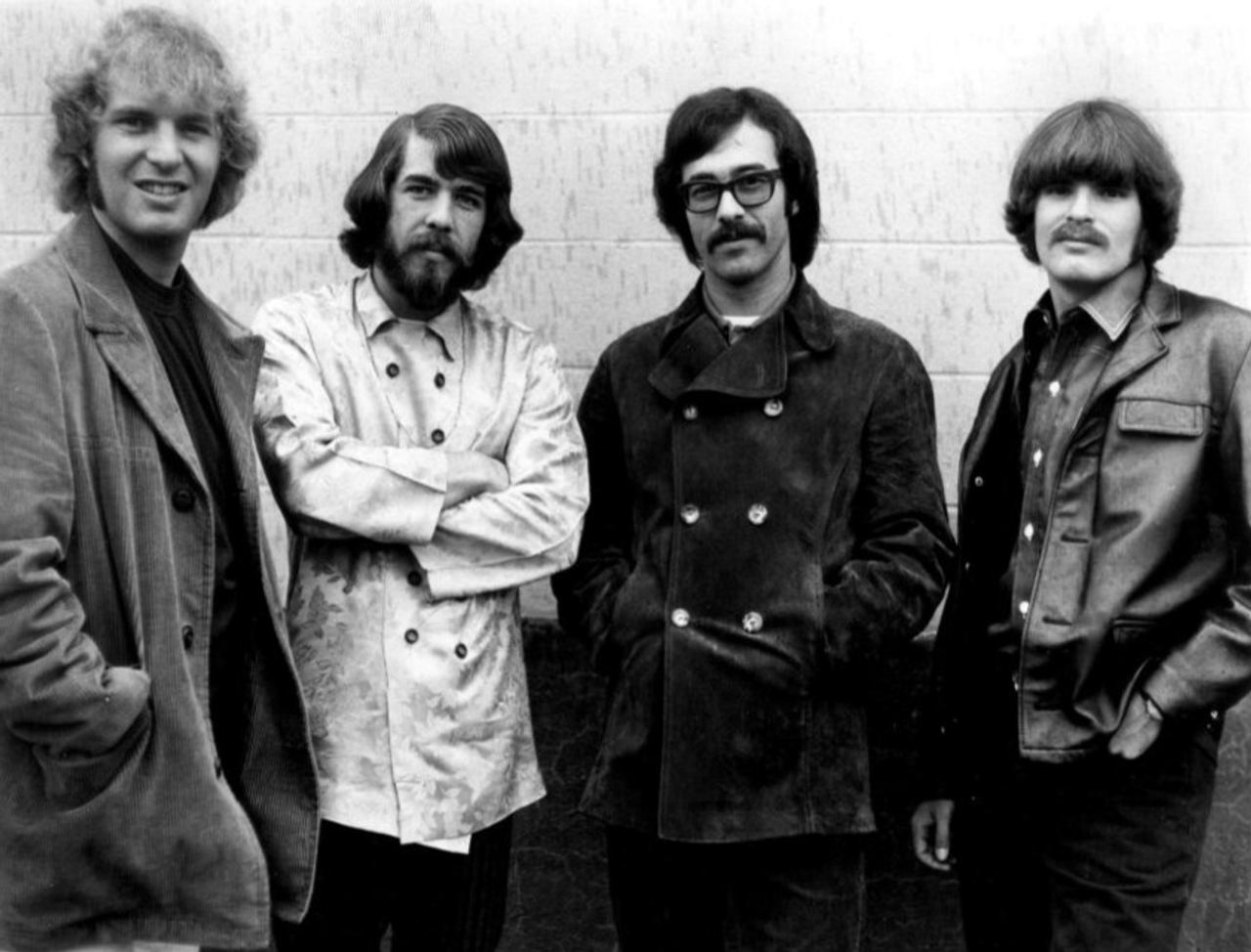
A sunny song with a shadow inside
When “Have You Ever Seen the Rain” arrived in 1971, it did not sound like a breakup document. It sounded warm, open, and familiar—the kind of song that slips into the air as if it has always been there. John Fogerty’s voice carried it with plainspoken conviction, while the melody moved with a calm, almost comforting steadiness that helped make it one of Creedence Clearwater Revival’s most enduring hits.
That surface glow is part of what gives the song its lasting power. Listeners heard something hopeful in it: a clear chorus, simple weather imagery, and the band’s trademark directness. But like many great pop songs, its emotional truth was more complicated than its arrangement suggested. Underneath the sunshine was a mood of strain, uncertainty, and inevitability.
It sounded like a song about weather. It felt, in retrospect, like a song about change you could already feel but could not stop.
CCR at its peak—and under pressure
By the time the song was released, Creedence Clearwater Revival was one of the most successful rock bands in America. In a remarkably short span, the group had built a catalog of tough, concise, deeply American songs that blended rock, swampy groove, country shading, and a sense of working-class plain speech. Their records seemed effortless. Their rise was anything but ordinary.
But success has a way of magnifying stress, and inside CCR the pressure was building. Creative disagreements and personal tension had begun to erode the unity that had powered the band’s classic run. The group’s public image was strength and momentum; privately, the atmosphere was becoming more fragile. That contrast—victory on the outside, fracture on the inside—sits at the heart of why “Have You Ever Seen the Rain” resonates so deeply.
Why the lyrics hit differently
The song’s central image is deceptively simple: rain falling while the sun is out. It is the kind of phrase that feels instantly recognizable, almost folkloric. Yet that very image carries contradiction within it. Sunshine usually suggests clarity, optimism, or peace. Rain suggests sadness, trouble, or release. Put together, they describe a moment when opposing emotions exist at once.
That tension makes the song feel larger than any one interpretation. Even without knowing the band’s internal story, listeners can sense that it is about living through a confusing transition—something ending while life still looks bright from a distance. The words never overexplain. Instead, they leave space for unease to gather around the melody, which is precisely why the song can feel uplifting and melancholy in the same breath.
John Fogerty’s view of the storm
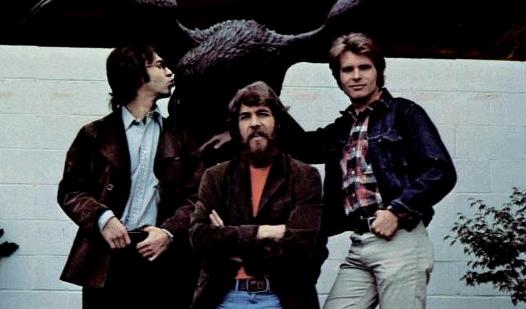
Fogerty later explained that the song reflected the unraveling within Creedence Clearwater Revival. That context changed how many listeners heard it. What once seemed like a broad, poetic meditation on weather and time came into focus as a portrait of a band confronting its own breaking point.
That does not reduce the song; it deepens it. Fogerty’s writing often worked through vivid, elemental images rather than confessional detail. Here, the weather becomes emotional code. The rain is not only sorrow. It is the strange experience of watching something successful, even beloved, begin to fall apart while the world still sees only sunlight.
The genius of sounding easy while saying something hard
Part of the brilliance of “Have You Ever Seen the Rain” is how unforced it feels. CCR rarely relied on excess. The band understood economy: a strong hook, a groove that never overreaches, a vocal that sounds lived-in rather than theatrical. That musical simplicity gave the song broad appeal, but it also made its emotional complexity easier to hide in plain sight.
This is one of the oldest and most effective tricks in popular music: setting pain inside something singable. Listeners return for the chorus, then gradually realize they are carrying around a song about disappointment, transition, and loss. The result is not deception so much as honesty in a different key. Real endings often do feel like that—ordinary on the surface, devastating underneath.
An ending preserved as a classic
Over time, “Have You Ever Seen the Rain” has outlived the moment that inspired it. It has become one of those songs that seems to belong to everyone: radio staple, singalong standard, a track people encounter long before they know anything about CCR’s internal history. Yet learning the story behind it does not make it smaller or narrower. It makes the song’s emotional weather more legible.
What remains most striking is the contradiction at its center. This is a hit born during a period of enormous achievement, but it carries the ache of an ending. That is why it still lands with such force. “Have You Ever Seen the Rain” captures the exact moment when success stops feeling secure, when bright skies no longer mean calm, and when the end of an era arrives disguised as an easy, beautiful song.

Quick Facts
- Song: “Have You Ever Seen the Rain”
- Artist: Creedence Clearwater Revival
- Released: 1971
- Primary songwriter: John Fogerty
- Core theme: A hopeful-sounding song shaped by internal band tensions and a sense of dissolution
Image credits: Fantasy Records / Wikimedia Commons / Public domain; Fantasy Records / Wikimedia Commons / Public domain; Roberta / Wikimedia Commons / CC BY 2.0.

