
Celebrities & Music
THE SONG HAD BEEN SITTING IN COUNTRY MUSIC FOR NINETEEN YEARS. THEN GENE WATSON RECORDED IT IN FIFTEEN MINUTES AND MADE IT HIS NAME.
The article discusses how Gene Watson recorded the song “Farewell Party” in just fifteen minutes, transforming it into his signature piece after it had been waiting for the right voice for nineteen years.

He came out of Texas, sang in holiness churches with his family, worked an auto body shop in Houston during the day, and played clubs at night. He had recorded for small regional labels. He had watched songs come close without changing his life. Then “Love in the Hot Afternoon” gave him a national hit in 1975, proving that country radio could hear him when it wanted to.
But Gene Watson was never a singer built for fast songs or easy records. His voice lived in the slow ones. The songs where the room got quieter after the first line. The kind of country ballads that did not need a big ending because the hurt had already settled in before the chorus came around.
“Farewell Party” had been written by Lawton Williams and recorded before. Williams cut it in 1960. Little Jimmy Dickens recorded it. Johnny Bush recorded it. The song had been around Nashville for nearly two decades, waiting for somebody to sing it like the man in the lyric was already looking down at the people gathered around him.
In March 1979, Gene Watson went into Cowboy Jack Clement’s studio in Nashville. The session was almost over. “Farewell Party” was not supposed to be the big moment. Watson later recalled that they recorded it at the tail end of the session, in about fifteen minutes. But when he started singing about the last breath leaving his body and friends gathering around, he did not make it sound like a novelty funeral song. He made it sound like a man standing at the edge of his own goodbye.
The record climbed to No. 5. It did not go No. 1. It did not need to. “Farewell Party” became the song people asked Gene Watson to sing for the rest of his life. It became the name of his band. Decades later, when he was inducted into the Grand Ole Opry, he closed the night with it. A song that had waited nineteen years for the right voice finally found one. And Gene Watson spent the rest of his career carrying that farewell with him from one stage to the next.
Gene Watson came out of Texas.
He sang in holiness churches with his family.
He worked at an auto body shop in Houston during the day.
Then he played clubs at night.
For years, he made records for small regional labels and watched songs come close without changing his life.
Then “Love in the Hot Afternoon” gave him a national hit in 1975.
It proved country radio could hear Gene Watson when it chose to.
But Gene was never built for easy records.
His Voice Lived In The Slow Songs
Gene Watson did not need a fast hook or a loud chorus.
His voice belonged to the songs where the room got quieter after the first line.
Songs where the hurt had already settled in before the chorus came around.
He could sing a broken heart without pushing it.
He could hold a note just long enough to make it sound like the man in the song had been carrying the truth for years.
That was the space where Gene Watson became dangerous.
Not in the noise.
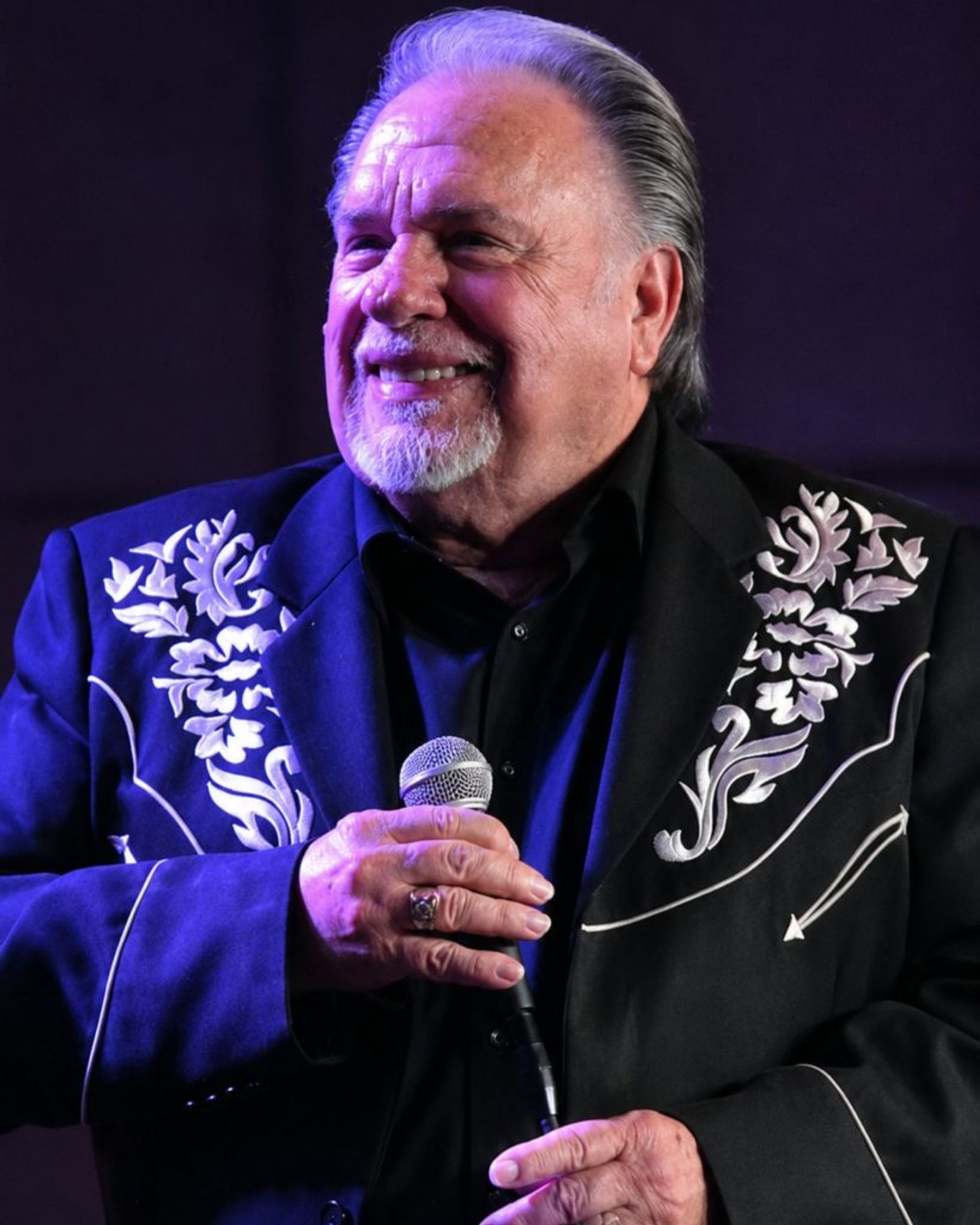
In the silence after the line.
“Farewell Party” Had Already Been Waiting
“Farewell Party” was written by Lawton Williams.
Williams recorded it in 1960.
Little Jimmy Dickens recorded it.
Johnny Bush recorded it.
The song had moved through country music for nearly two decades, waiting for somebody who could sing it like the man in the lyric was already looking down at the people gathered around him.
It was not an easy song.
It asked a singer to stand inside his own funeral.
Not theatrically.
Not like a novelty.
Like a man who had already made peace with the room.
Then Came The Last Fifteen Minutes Of A Session
In March 1979, Gene Watson went into Cowboy Jack Clement’s studio in Nashville.
The session was almost over.
“Farewell Party” was not supposed to be the big moment.
Watson later remembered recording it at the tail end of the day, in about fifteen minutes.
Fifteen minutes.
That was all.
But when Gene began singing about the last breath leaving his body and friends gathering around, he did not make it sound like a sad trick built around a funeral.
He made it sound like a man standing at the edge of his own goodbye.
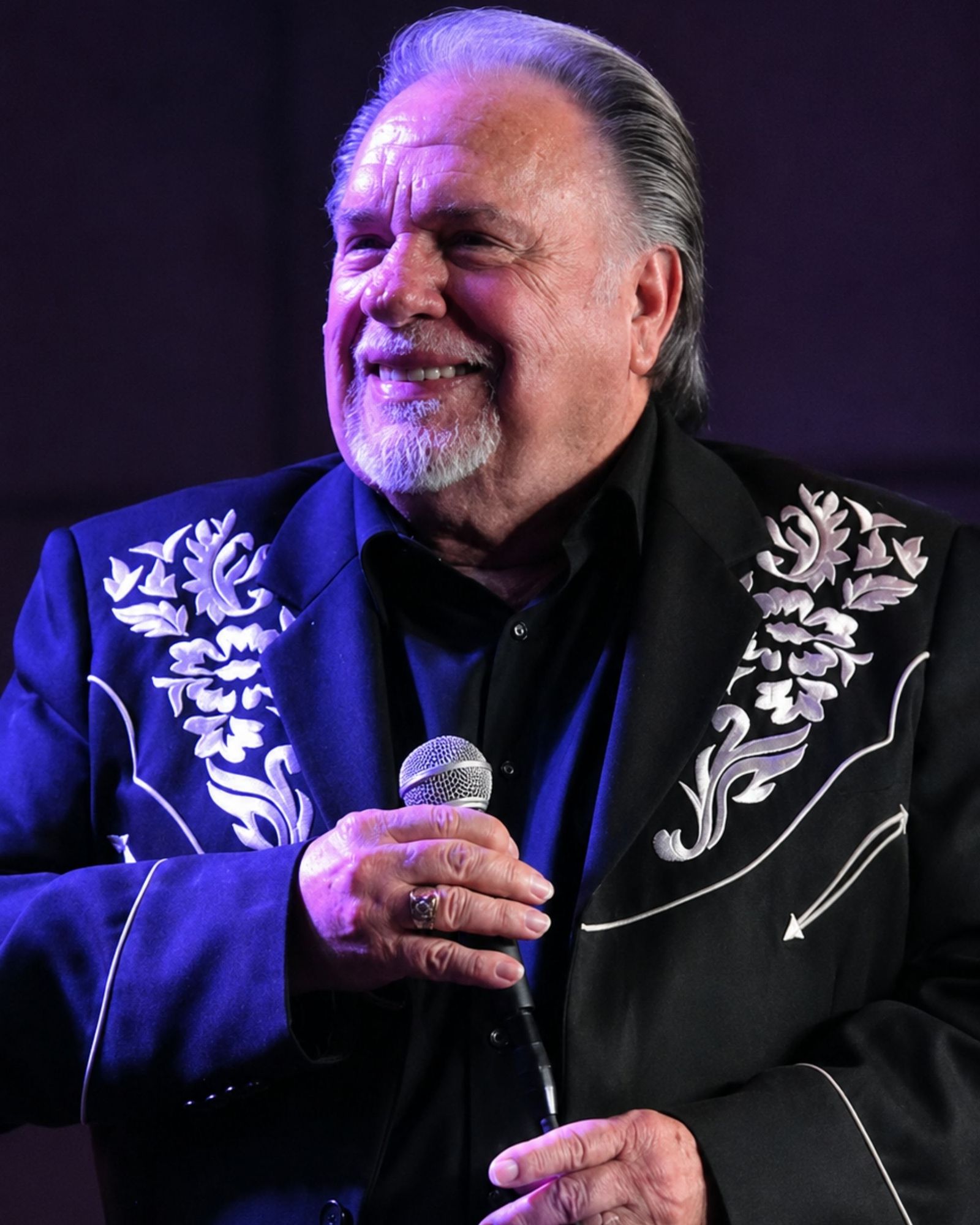
The Song Found Its Voice
The record climbed to No. 5.
It never went to No. 1.
It did not need to.
“Farewell Party” became the song people asked Gene Watson to sing for the rest of his life.
It became the name of his band.
Decades later, when Gene was inducted into the Grand Ole Opry, he closed the night with it.
Not because it had been his biggest chart record.
Because it had become the clearest expression of what his voice could do.
What Those Fifteen Minutes Really Left Behind
The deepest part of this story is not only that Gene Watson turned an old song into a signature record.
It is how little time it took once the right singer finally arrived.
A song written in 1960.
Nineteen years of waiting.
A studio session almost finished.
Cowboy Jack Clement’s room.
Fifteen minutes.
And a Texas singer who knew how to let sorrow stand still.
“Farewell Party” had been waiting in country music for almost two decades.
Then Gene Watson sang it.
And for the rest of his career, he carried that goodbye from one stage to the next.
Read more stories
- He Was Rejected By His Own Mom And Raised To Think ‘Women Are Evil’ But He Became A Legendary Rockstar
- TOBY KEITH RECORDED SOME OF THE BIGGEST PATRIOTIC ANTHEMS IN COUNTRY MUSIC HISTORY—BUT HIS REAL LEGACY WAS BUILT ON MILITARY BASES WHERE NO CAMERAS WERE ROLLING.
- [Video]: The One-Take Hit That Took Over Rock Radio
- The Box Tops’ “The Letter” Captures Lightning in a Bottle and Redefines Blue-Eyed Soul in 1967-2