
Celebrities & Music
THE RECORD BUSINESS WANTED POLITE WOMEN SINGING ABOUT HEARTBREAK — BUT WHEN ROSE MADDOX TOOK THE MICROPHONE, SHE SANG LIKE SOMEONE WHO HAD ALREADY DEFEATED IT.
Rose Maddox defied the expectations of female country singers by using her powerful voice and bold stage presence to express the struggles of her life, proving that true country music is about survival and authenticity.

Long before Nashville had a neat marketing package for “rebellious women,” an eleven-year-old girl was already screaming hillbilly boogie in California honky-tonks just to buy supper.
Rose Maddox didn’t come from a polished studio. She came from the dust. Her family fled Alabama during the Great Depression, migrating west to pick cotton and fruit. Music wasn’t an artistic dream for the Maddox Brothers and Rose; it was a pure, desperate survival tactic.
The industry expected female singers to be quiet, standing softly in the background in gingham dresses. But as the only girl in a loud, rowdy band of brothers, Rose didn’t know how to shrink. She wore bright, flashy clothes. She played fast. Her voice had a fierce crackle and a dangerous bite that made respectable people nervous.
She was making the lane shake before anyone else dared to step into it. Later legends of rockabilly and honky-tonk would build their empires on the foundation of her unpolished roar.
The establishment never handed Rose Maddox the mainstream crown she deserved. She was too wild, too loud, and too shaped by the fields to be easily packaged. But she didn’t need their crown. By the time she left this world, she had already proven that true country music isn’t about being polite. It’s about surviving the dirt, refusing to break, and making enough noise to prove you were here.
THE RECORD BUSINESS WANTED POLITE WOMEN WHO SANG ABOUT HEARTBREAK—BUT ROSE MADDOX WALKED ONSTAGE SOUNDING LIKE SHE HAD ALREADY SURVIVED IT.
Long before Nashville discovered that “rebellious women” could sell records, Rose Maddox had already become one out of necessity.
She wasn’t trying to start a movement.
She was trying to help her family eat.
The Maddox family left Alabama during the Great Depression and headed west with thousands of others chasing work that barely existed. They picked cotton, harvested fruit, and lived the kind of life where tomorrow was never guaranteed. Music wasn’t a dream waiting to be discovered. It was another day’s wages if enough people stopped to listen.
By the time Rose was barely eleven years old, she was already standing beside her brothers in California dance halls, singing with a voice far too fearless for someone so young.
Country music at the time had already written its script for women.
Smile.
Stand still.
Sing sweetly about broken hearts.
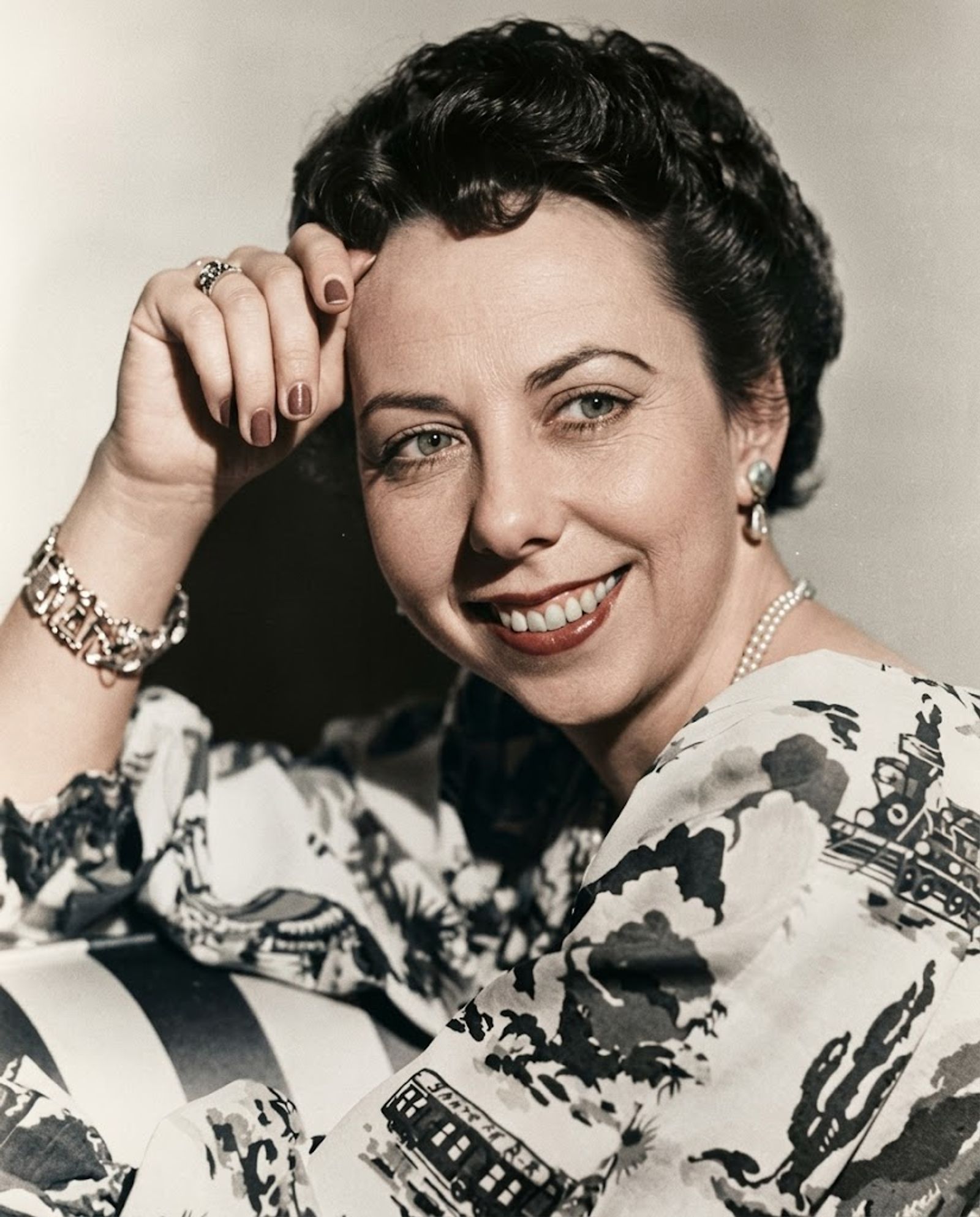
Rose Maddox never seemed interested in reading that script.
As the only woman in the wildly energetic Maddox Brothers and Rose, she wasn’t hidden behind anyone. She dressed in bright, flashy stage clothes that refused to apologize for taking up space. She attacked hillbilly boogie with a rhythm that felt closer to controlled chaos than polished perfection. And her voice carried a rough crackle that sounded less like careful technique and more like someone who had lived every note before she ever sang it.
Respectable audiences didn’t always know what to do with her.
But working people did.
They recognized that sound.
It was the sound of dust clinging to work boots.
The sound of truck tires crossing state lines.
The sound of families betting everything on one more sunrise.
Years before rockabilly became a label and long before country embraced women who pushed against tradition, Rose had already kicked open a door that few people even admitted was locked. She didn’t soften herself to fit the industry. She made the industry uncomfortable simply by refusing to become smaller than she already was.
That may be why she never received the polished mainstream crown many believe she deserved.
She was difficult to package because real survival rarely comes wrapped in neat ribbons.
Her greatest performances never felt like someone pretending to be tough.
They felt like someone who had already discovered that toughness wasn’t a costume—it was simply what life demanded.
That’s the difference listeners still hear.
Not perfection.
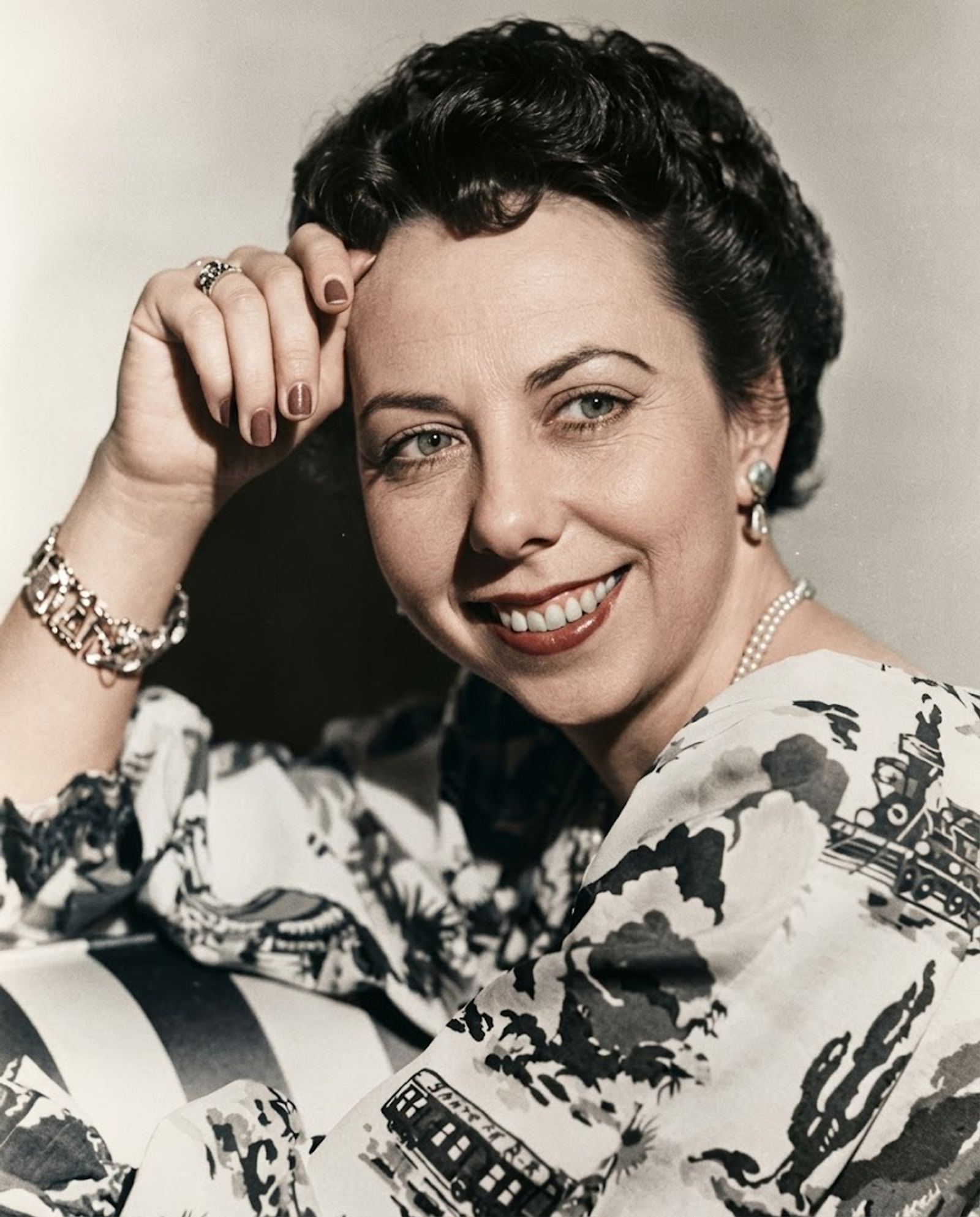
Conviction.
When Rose sang, it was almost as though every mile her family had traveled across America was still echoing somewhere inside her voice. The fields, the highways, the dance halls, the uncertainty—they never completely disappeared. They became part of the rhythm.
Perhaps that’s why her music still feels startlingly alive decades later.
She reminds us that country music was never born inside elegant offices or carefully planned marketing campaigns.
It grew out of kitchens where bills piled up.
Out of migrant camps.
Out of people who laughed loudly because crying wouldn’t change tomorrow.
Rose Maddox never needed permission to become unforgettable.
She had already earned that long before anyone thought about calling her a pioneer.
And maybe that’s the legacy that matters most.
Some artists leave behind polished recordings.
Others leave behind courage.
Every time a woman steps onto a country stage without asking permission to be loud, fearless, colorful, or completely herself, there is a little dust from Rose Maddox’s road still rising beneath her boots.
Because the greatest voices don’t just entertain us.
They remind us that sometimes surviving is the most powerful song anyone will ever sing.
Read more stories
- He Was Rejected By His Own Mom And Raised To Think ‘Women Are Evil’ But He Became A Legendary Rockstar
- TOBY KEITH RECORDED SOME OF THE BIGGEST PATRIOTIC ANTHEMS IN COUNTRY MUSIC HISTORY—BUT HIS REAL LEGACY WAS BUILT ON MILITARY BASES WHERE NO CAMERAS WERE ROLLING.
- [Video]: The One-Take Hit That Took Over Rock Radio
- The Box Tops’ “The Letter” Captures Lightning in a Bottle and Redefines Blue-Eyed Soul in 1967-2