
News
The Phone Call That Helped Keep Charley Pride on Country Radio
When southern stations recoiled at the discovery that Charley Pride was Black, fellow star Faron Young used his own clout to force a choice that changed country music history.

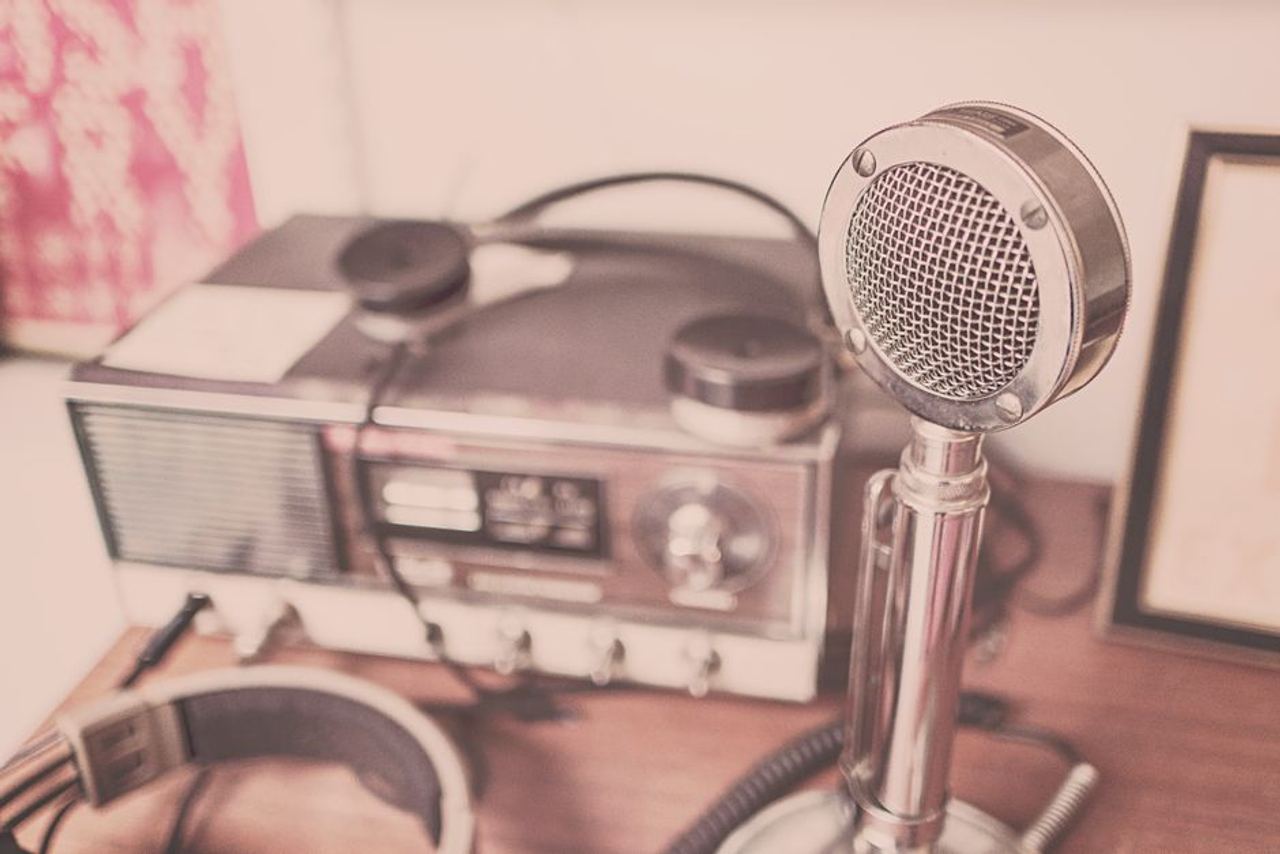
A voice on the radio, an identity kept out of sight
In the mid-1960s, Charley Pride was arriving on country radio with the kind of voice programmers wanted: smooth, resonant, unmistakably country. His early records on RCA Victor were built to fit the format, and at first some stations spun them without realizing who was singing. For a brief moment, the music reached listeners before the industry’s racial gatekeepers caught up.
Then the revelation spread through southern radio circles: the man behind that deep baritone was Black. In parts of the South, where country music’s business infrastructure was still tightly bound to segregationist reflexes, some program directors began quietly pulling his records. There was no grand public announcement, just a hush that threatened to become commercial exile. For a new artist, that kind of silence could be fatal.
A career that could have stalled before it began
Pride had only just signed with RCA Victor, and he was entering a business in which airplay was everything. Country radio did not merely reflect success; it manufactured it. If stations refused to spin a single, there was no streaming service, social platform, or viral back door to rescue it. A debut could disappear in real time, one playlist at a time.
What made the moment especially precarious was the way the resistance operated. The industry could avoid openly defending discrimination by treating the withdrawals as routine programming decisions. But the result was clear enough: an artist with obvious talent was being pushed aside because of race. The boycott was quiet, yet its implications were loud. If it held, Charley Pride’s recording career might never find traction.
Faron Young draws a line
Faron Young was not an outsider throwing stones at Nashville. He was one of country music’s established names, a hitmaker with real leverage and a catalog that stations depended on. Known as “The Singing Sheriff,” Young understood exactly how radio worked because he was one of the artists helping keep it profitable.
When Young learned what was happening, he did not frame the issue as a polite request for open-mindedness. He reportedly called program directors and made the matter immediate and expensive: if they were going to stop playing Charley Pride because he was Black, then they could stop playing Faron Young as well. It was not symbolic. It was a threat aimed at a pressure point radio executives actually respected — revenue and audience demand.
If they refused to play Charley Pride because of his skin, they had to take every Faron Young record off their playlists, too.
Why the ultimatum worked
Country radio in that era was driven by familiar names and reliable records. Losing access to Faron Young’s music was not a small sacrifice for stations that counted on proven stars to hold listeners. Whatever personal prejudices some executives may have had, they were forced to weigh them against the practical cost of purging one of the format’s dependable hitmakers.
That is what made Young’s intervention so consequential. He changed the calculation. Instead of Charley Pride standing alone as a vulnerable newcomer, radio programmers now faced a choice between enforcing racist exclusion and damaging their own playlists. They backed down. Pride’s records stayed in circulation, and the space he needed to build momentum remained open.
An overlooked turning point in Nashville
The broader arc of Charley Pride’s career is well known. He went on to become one of country music’s most successful artists, ultimately scoring twenty-nine number-one country hits and earning a place in the Country Music Hall of Fame. Those achievements can make the early danger easy to miss. Success tends to flatten the memory of just how fragile the beginning was.
Yet this episode matters because it reveals how history can pivot on private acts of resolve. The exact phone exchanges between Young and radio figures have remained more legend than transcript, and that is part of why the story is often treated as anecdote rather than industry history. But the underlying truth is plain: an established white country star used his own commercial power to keep a Black singer from being shut out at the door.
Shared stages, shared risk, lasting legacy
The significance of Young’s stand did not end with the calls. In the years that followed, he and Pride shared touring bills, putting public visibility behind what had begun as private advocacy. That kind of association mattered in country music, where legitimacy was often conferred by who would book you, sing with you, and stand beside you before a crowd.
For Pride, the lane stayed open long enough for talent and audience connection to do the rest. For Young, the episode remains one of the clearest examples of a star spending hard-earned capital on principle. Nashville history is full of hits, feuds, and business lore, but this quieter drama deserves its place among the turning points: a moment when one artist decided the line would hold for both men, or for neither.

Quick Facts
- Charley Pride’s label at the time: RCA Victor
- Faron Young’s nickname: The Singing Sheriff
- What Young threatened: He said stations refusing to play Pride should remove all Faron Young records too
- What was at stake: Pride’s early radio airplay and the launch of his recording career
- Career outcome for Pride: He later achieved twenty-nine number-one country hits and entered the Country Music Hall of Fame
Image credits: Gratisography / Pexels; Kamilė Jurgilaitė / Pexels; Rulo Davila / Pexels.

