
News
The Old Song That Saved Connie Francis’s Career
When Connie Francis cut “Who’s Sorry Now?” in 1957, a decades-old standard became the performance that pushed her from near-obscurity to stardom.

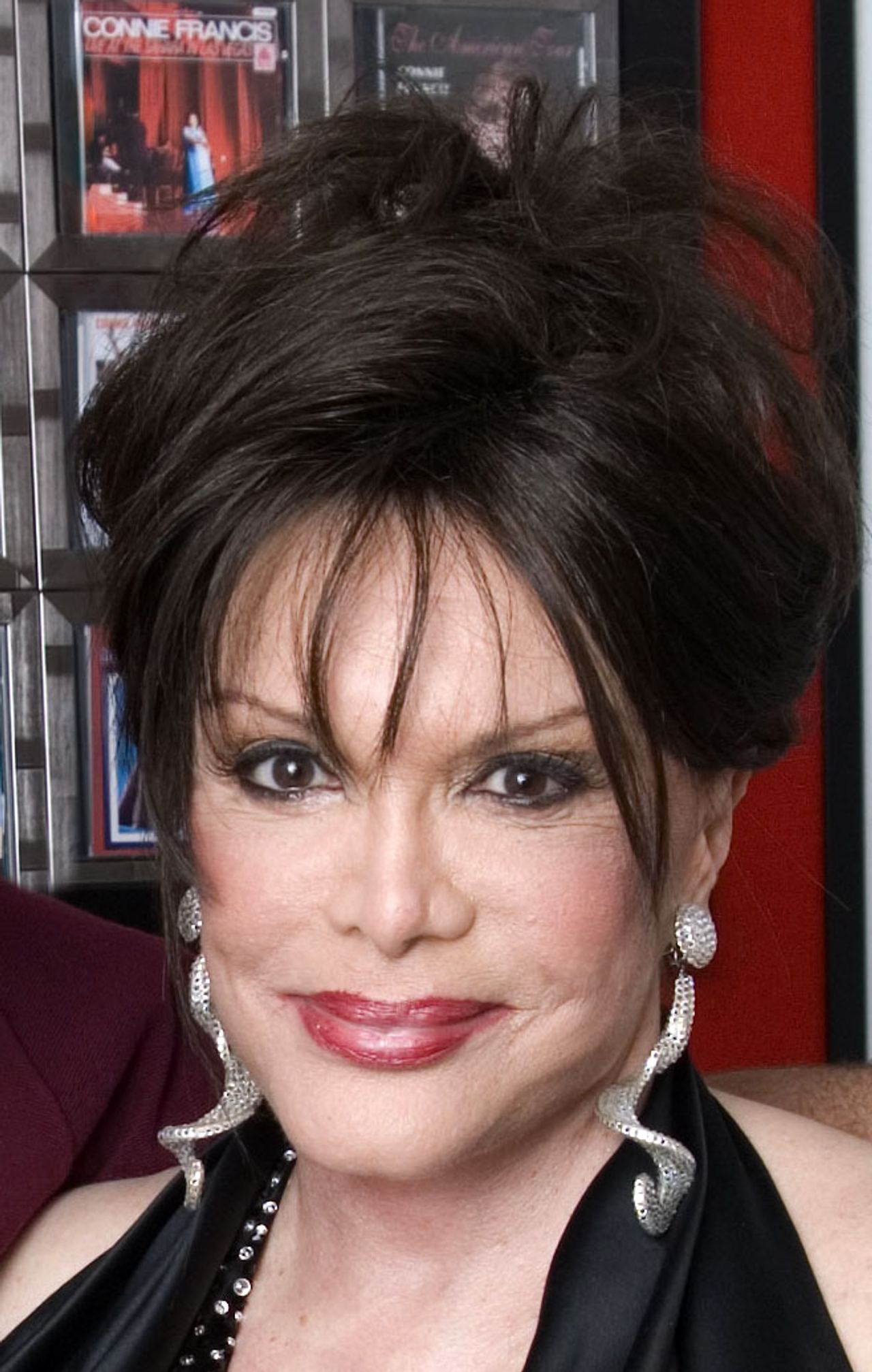
A young singer at the edge of quitting
By the time Connie Francis stepped up to record “Who’s Sorry Now?” in 1957, she was not yet the star the public would soon come to know. She had been trying to break through in the record business and had little to show for it, a frustrating position for any young performer trying to establish an identity in a rapidly changing pop landscape.
That is what gives the story of the song its staying power. This was not a calculated victory lap or a prestige recording by an established name. It was a last-ditch chance attached to an old tune, made by a singer close to giving up, and transformed by sheer conviction in the studio.
She was on the verge of walking away from the business when an old standard gave her the opening she needed.
An old standard from another era
“Who’s Sorry Now?” did not begin as a rock-era hit. The song was written by Ted Snyder, with lyrics by Bert Kalmar and Harry Ruby, and published in 1923. That origin matters: by the late 1950s, it already carried the aura of an earlier America, part of the popular-song tradition that predated the teenage market then reshaping the industry.
In other words, Connie Francis was not being handed a sleek new composition designed for the moment. She was being pointed toward a song with history, one that had already lived many musical lives before she touched it. The challenge was not simply to sing it well, but to make listeners hear it as urgent again.
The father who insisted she record it
The push came from inside the family. Francis’s father, George Franconero Sr., urged his daughter to record the song, believing in its potential even though it was old-fashioned on paper. That detail has become central to the mythology of the record: the parent hearing possibility where the market seemed to hear only something dated.
His instinct proved crucial. In the music business, career turns often hinge on timing, but they also depend on somebody refusing to let go of an idea. In this case, the idea was simple and risky at once: take a familiar standard and let a young singer attack it with enough emotion to make it feel brand-new.
Why Connie Francis’s version connected
What changed everything was not the song alone but the way Francis sang it. Her performance was dramatic, full of ache and resolve, turning a vintage composition into a statement of heartbreak that felt immediate rather than nostalgic. She did not treat it like a museum piece. She treated it like a personal reckoning.
That balance helped define the record’s appeal. There was traditional craftsmanship in the writing, but there was also the voice of a modern pop singer pushing the lyric outward with clarity and force. The result was a crossover of eras: an old melody anchored in Tin Pan Alley craft, delivered with the emotional directness that could grab a new generation of listeners.
The breakthrough that changed her life
Once released, “Who’s Sorry Now?” became the breakthrough Connie Francis had been seeking. The song altered the trajectory of her career, lifting her from the uncertainty of near-failure into a new phase of visibility and success. It is remembered precisely because the stakes were so high before it landed: without it, her story might have looked very different.
Breakthrough records often seem inevitable in hindsight, but this one was anything but. It came from a singer under pressure, a father’s stubborn faith, and a song that many might have dismissed as belonging to another generation. Instead, that combination produced the moment that changed her life.
A lasting lesson in pop history
The endurance of this story says something larger about popular music. New stars are not always made by the newest material. Sometimes a career turns because an artist finds the hidden voltage in an older song and reveals it to an audience all over again. “Who’s Sorry Now?” is one of those cases, a reminder that interpretation can be as decisive as composition.
For Connie Francis, the record became more than a hit. It became the hinge between struggle and arrival, the song that proved she could take inherited material and stamp it with her own identity. That is why the tale still resonates: it is not just about a standard from 1923, but about the moment a singer made it impossible to ignore her.

Quick Facts
- Song: “Who’s Sorry Now?”
- Recorded by Connie Francis: 1957
- Published: 1923
- Music by: Ted Snyder
- Lyrics by: Bert Kalmar and Harry Ruby
- Key figure behind the recording choice: George Franconero Sr., Connie Francis’s father
Image credits: ConnieFrancis1.jpg: Davidateden derivative work: TVJunkie (talk) / Wikimedia Commons / Public domain; ABC Television / Wikimedia Commons / Public domain; MGM Records / Wikimedia Commons / Public domain.

