
News
The Mail-Order Guitar That Helped Charley Pride Hear a Different Future
Long before he became one of country music’s most improbable stars, Charley Pride was a sharecropper’s son in Mississippi teaching himself Nashville songs on a Sears guitar bought with cotton-picking wages.

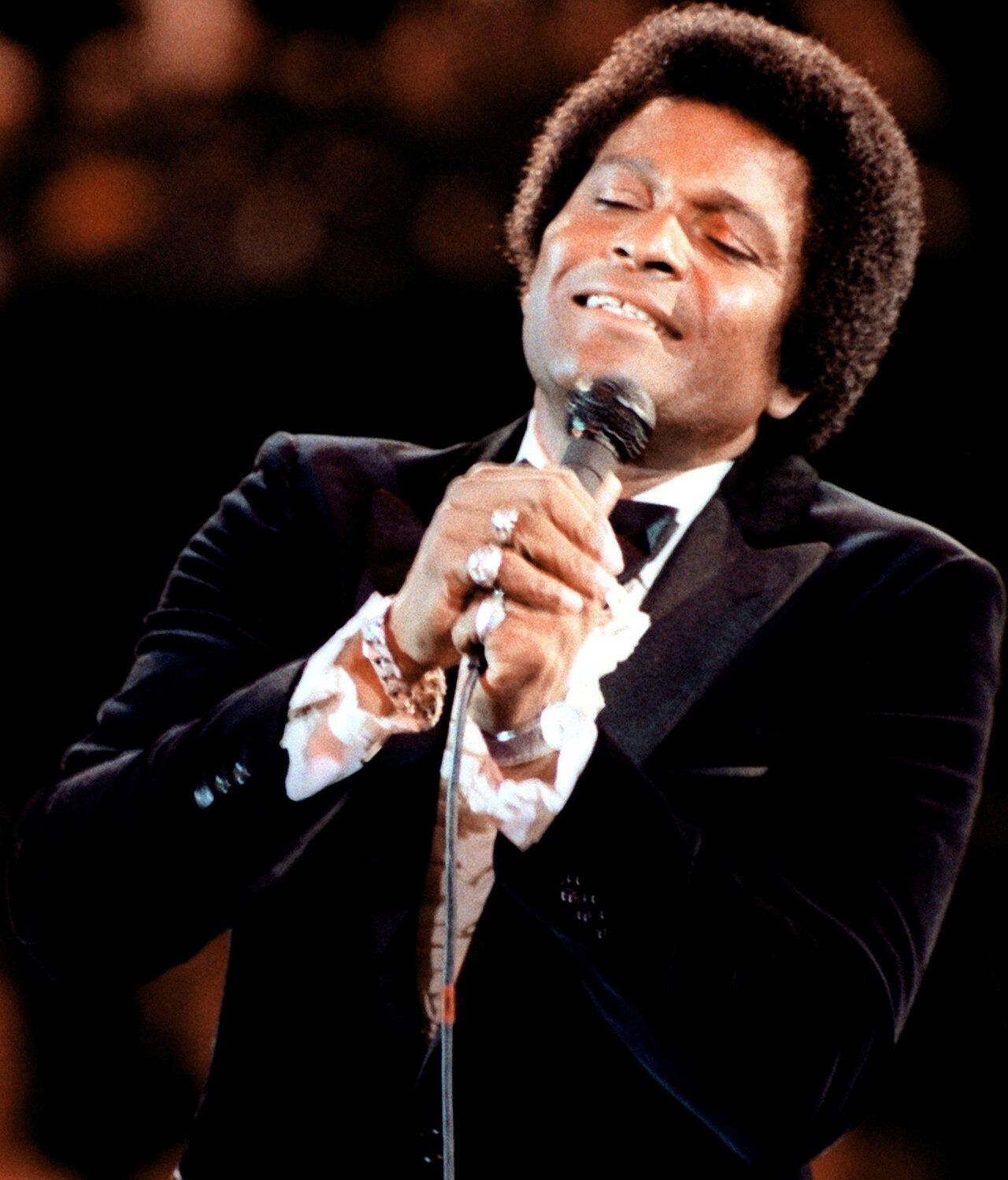
A guitar bought with field money
At fourteen, Charley Pride made a choice that says almost everything about the force of his ambition. In a household where money was meant for food, work, and getting by, he used wages earned picking cotton to buy a Silvertone acoustic guitar from the Sears Roebuck catalog. It was not a practical purchase. That was precisely the point.
Pride was growing up in Sledge, Mississippi, in a sharecropping family, where labor began early and comfort was scarce. Cotton work left its mark on the body: aching shoulders, rough palms, fingers nicked by bolls. Yet the same hands that hauled sacks through Delta fields would later press down on steel strings, feeling for chords that could carry him somewhere larger than the world he had inherited.
Listening past the limits of Jim Crow
In the Mississippi Delta of the 1940s, expectations for a young Black musician were narrow and enforced by culture as much as by law. Gospel and blues were near at hand, rooted in community and tradition. Country music, especially the polished voices coming out of Nashville, was treated as somebody else’s lane.
But Pride’s ear ignored those boundaries. He was drawn to country songs on the radio, to the phrasing, the emotional plainness, the melodies that traveled cleanly across distance. In a segregated South that sorted people by race before talent, even privately loving that sound was a kind of quiet defiance.
His only teacher was the family radio.
WSM as a classroom
Pride had no formal lessons and no local guide to the music he wanted to make. So he built an education from broadcasts. Sitting close to the family radio, he listened to the Grand Ole Opry on WSM and taught himself by repetition—hearing a line, finding it on the fretboard, trying again until the shape of the song settled into his hands.
That method mattered. Because he learned by ear, he absorbed not just lyrics and chords but feel: where a singer leaned into a note, how a phrase waited a beat before resolving, how country storytelling worked when it sounded conversational rather than grand. The radio did more than entertain him; it gave him entry into a style from which the industry itself would have likely excluded him.
Practice on dirt roads and after dark
There is something especially vivid about the image of Pride carrying those songs back into the landscape of his daily life. He practiced at night on a cheap guitar with stiff strings, building calluses over calluses, and he rehearsed melodies while walking the dirt roads near the fields. Music was not separated from labor; it threaded through it.
Neighbors could be puzzled. The sound he was chasing did not match what people expected to hear from a Black teenager in rural Mississippi. But confusion did not stop him. He kept working at the songs until they fit his voice, proving to himself first what he would later have to prove to the wider world: that country music was not closed to him simply because the industry imagined it that way.
A bigger dream than his hometown could hold
That Sears guitar was inexpensive, but its significance was enormous. It gave Pride a tool, but also a private horizon. Every chord he taught himself suggested a life not entirely governed by the fields, by debt, or by local custom. For a sharecropper’s son, the instrument represented motion before any actual journey began.
The leap from self-taught teenager to recording artist was still immense. Country music in the mid-20th century was heavily segregated in image, audience, and gatekeeping. Even for a gifted singer, getting such an industry to hear the voice before seeing the man was no small challenge. Pride’s early life makes clear that the climb started long before studios or executives entered the picture; it began with persistence practiced in obscurity.
From self-taught chords to country history
What followed would become one of country music’s most remarkable trajectories. Pride did not simply learn the music; he eventually forced an industry to confront its assumptions by the sheer authority of his singing. The discipline formed in Mississippi—the listening, the repetition, the refusal to let other people define what he was allowed to love—became the foundation of his career.
That is why the story of the mail-order guitar endures. It compresses class, race, geography, and aspiration into one unforgettable scene: a teenage field hand spending hard-won money on an instrument because he could already hear a future no one around him was prepared to name. Before fame, before records, before country audiences knew his face, Charley Pride had already begun the work of becoming himself.

Quick Facts
- Subject: Charley Pride
- Hometown: Sledge, Mississippi
- Family background: Sharecropping family
- Early instrument: Silvertone acoustic guitar from a Sears Roebuck catalog
- How he learned: By ear from radio broadcasts, including the Grand Ole Opry on WSM
- Musical pull: Country music from Nashville
Image credits: GREG MATHISON / Wikimedia Commons / Public domain; Republic Country Club / Wikimedia Commons / CC BY 2.0; Republic Country Club / Wikimedia Commons / CC BY 2.0.

