
News
The Hospital Room Warning That May Have Saved Johnny Cash
As Waylon Jennings recovered from triple-bypass surgery in a Nashville hospital room in late 1988, he noticed the same alarming symptoms in Johnny Cash that had nearly cost him his own life—and urged his friend to get checked immediately.

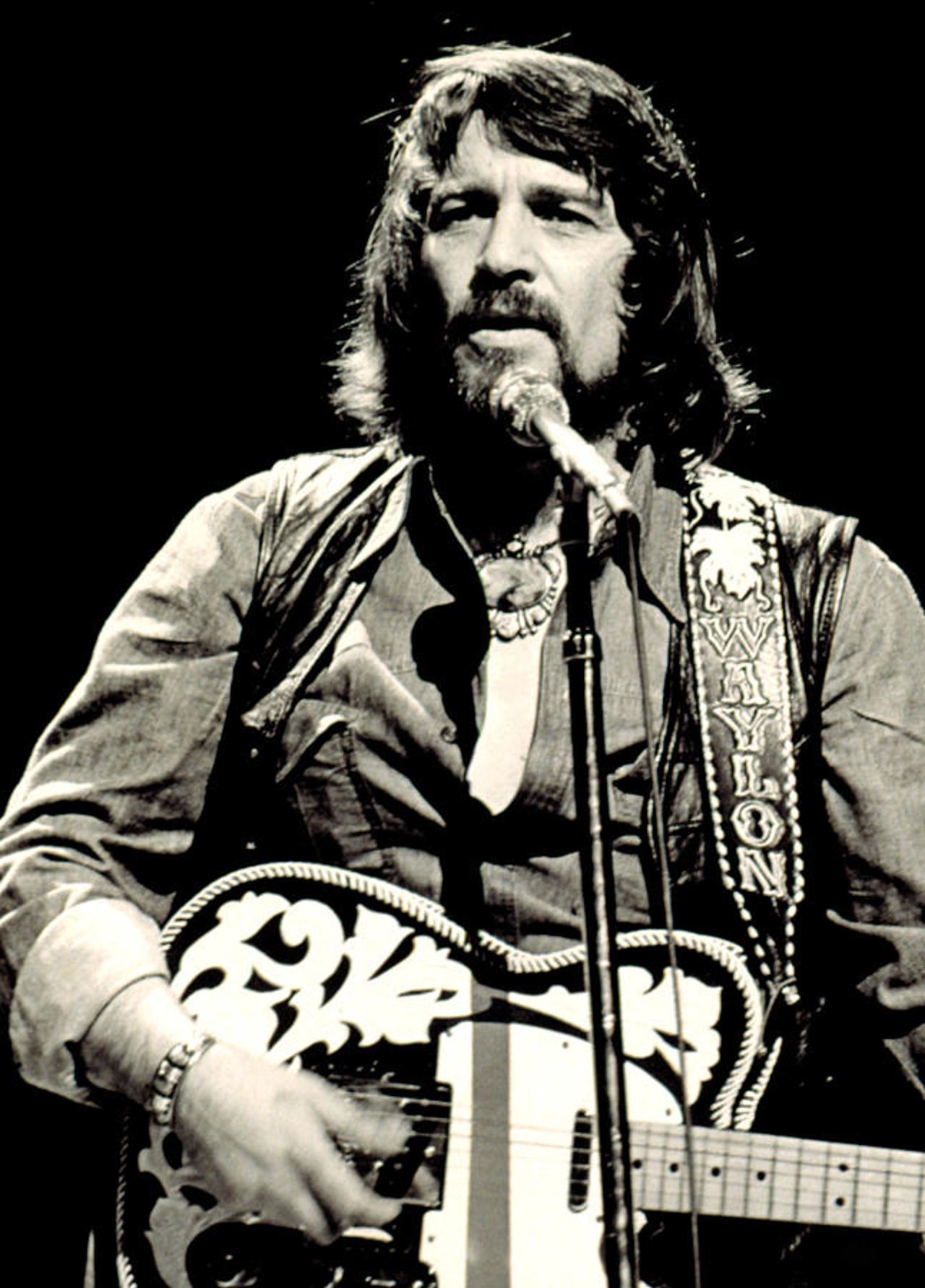
A hard-living legend brought to a halt
In December 1988, Waylon Jennings was in Baptist Hospital in Nashville, trying to recover from triple-bypass heart surgery. For years, Jennings had embodied a particularly rugged version of country stardom: the outlaw voice, the road-tested presence, the sense that he was built to keep moving no matter what. A hospital bed was about as far from that image as possible.
But serious heart trouble has a way of stripping away myth. In that room, Jennings was not the larger-than-life star of stages and tour buses. He was a patient regaining strength after a major operation, confronting the physical limits that even the most relentless performers eventually meet.
A visit from an old friend
While Jennings recuperated, Johnny Cash came by to see him. The visit was the kind of gesture that made sense for two men who shared deep roots in country music and long years in the same orbit. Nashville has always run on relationships as much as recordings, and this was one of its most storied friendships.
Cash was there to offer comfort to a friend who had just come through a dangerous medical crisis. But the encounter quickly shifted. Jennings, weak as he was, noticed something unsettling about the man standing beside his bed.
Waylon saw the signs immediately
Cash looked pale. He was breathing heavily. To someone else, those details might have passed as fatigue, stress or the toll of travel. Jennings saw something more specific. He recognized the same warning signs he had been experiencing before doctors operated on him.
That recognition came with urgency. Jennings reached out, took Cash by the hand, and told him to get examined right away. It was a blunt, intimate moment—the kind of warning only a close friend can deliver with force enough to cut through denial.
He urged his friend to go get examined at the hospital right away, telling him he was seeing the same warning signs that had just sent him under the knife.
A decision that mattered
Men of Jennings and Cash’s generation, especially men shaped by touring life, were famous for pushing through pain. Exhaustion could be explained away. Shortness of breath could be blamed on work, age, nerves or another long stretch on the road. In that world, postponing a doctor’s visit was often easier than admitting vulnerability.
Cash could have done exactly that. He could have promised to look into it later and left the hospital with the concern hanging unresolved. Instead, he listened. He took Jennings seriously and went to be examined then and there.
What the doctors found
The warning was not an overreaction. Doctors found that Cash also had serious heart trouble. The symptoms Jennings had spotted were not incidental; they were evidence of a real and dangerous condition that needed medical attention.
That discovery gave the episode its lasting power. What began as a bedside visit became something far more consequential: one country legend, fresh from heart surgery, recognizing the same distress in another and refusing to stay silent about it.
More than a country-music anecdote
The story endures because it reveals something unguarded about both men. Jennings, despite his own weakness, was alert enough to read his friend’s condition and direct him toward help. Cash, despite the stoicism that often defines public images of men like him, was willing to hear the warning and act on it.
It is also a reminder of how illness often enters the lives of public figures not as dramatic headlines, but as small visual clues noticed by someone who knows them well: a changed complexion, labored breathing, a look that does not seem right. In a Nashville hospital room in 1988, friendship and experience combined in a way that may have altered the course of Johnny Cash’s life.


Quick Facts
- When: December 1988
- Where: Baptist Hospital, Nashville
- Waylon Jennings’ condition: Recovering from triple-bypass heart surgery
- Visitor: Johnny Cash
- What Jennings noticed: Pale face and heavy breathing
- Why the moment mattered: Cash agreed to be examined, and doctors found serious heart trouble
Image credits: RCA Records / Wikimedia Commons / Public domain; Photograph by Mike Peel (www.mikepeel.net). / Wikimedia Commons / CC BY-SA 4.0; Godot13 / Wikimedia Commons / Attribution.

