
Celebrities & Music
THE GOVERNMENT SEIZED HIS BANK ACCOUNTS, HIS PROPERTIES, AND HIS WEALTH—BUT THEY COULD NOT CONFISCATE A BATTERED GUITAR AND THE LOYALTY OF HIS AUDIENCE.
In 1990, Willie Nelson faced a $32 million tax bill from the IRS, leading to the seizure of his assets. However, with the support of his fans and a unique album release, he managed to pay off his debt and rebuild his life.

In 1990, the IRS handed Willie Nelson a $32 million tax bill, seizing almost everything he owned due to his trusted accounting firm’s missteps. Facing financial ruin, the country icon didn’t plead or fold. Instead, he made a deal rarely seen in American history.
He walked into the studio with nothing but his scarred acoustic guitar, Trigger. No massive band, no cinematic stage lighting, just a lone man recording the stark, stripped-down double album The IRS Tapes: Who’ll Buy My Memories?. The government agreed to take the profits directly from late-night television sales to pay down his massive debt.
It was a raw transaction of trading memories for survival, resembling an old cowboy standing his ground in a fading western town. But the true weight of the era wasn’t just the music. When federal agents auctioned off his Texas ranch and cherished possessions, fans banded together. They bought his properties, his instruments, and his memorabilia—only to hand the deeds and items right back to him, treating him not just as an entertainer, but as family.
He paid off the debt by 1993, proving that a man’s true worth is measured by the people who stand by him when the lights go out. The actual legal battles against his former accounting firm—and how he rebuilt his empire from the ground up—reveal an even longer road back to freedom.
THE FEDERAL GOVERNMENT SEIZED HIS RANCH, HIS RECORDING STUDIO, AND HIS BANK ACCOUNTS — BUT THEY COULD NOT CONFISCATE A SCARRED ACOUSTIC GUITAR AND THE LOYALTY OF COUNTRY MUSIC FANS.
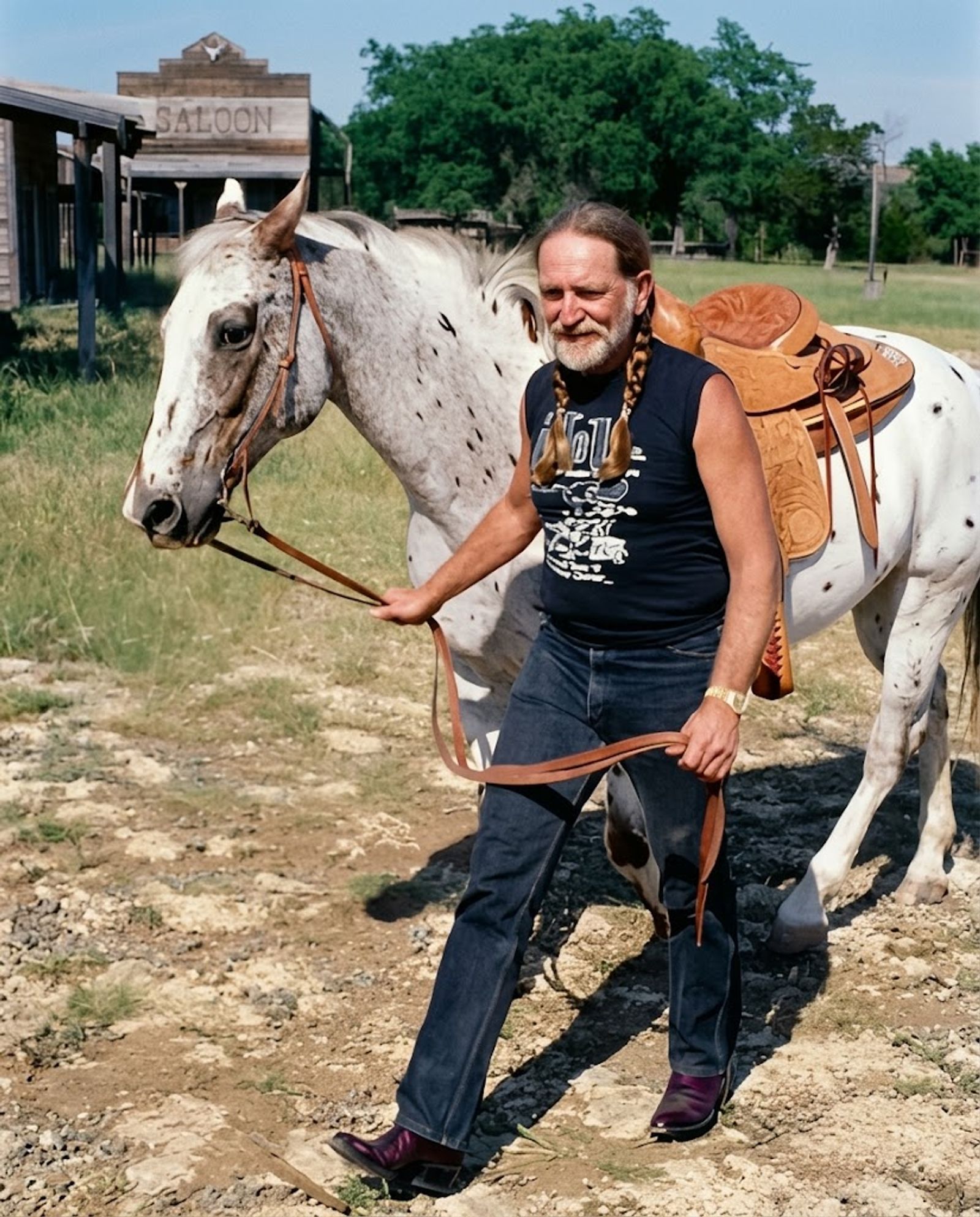
In the fall of 1990, federal agents descended on Willie Nelson’s properties across multiple states, carrying out one of the most highly publicized asset seizures in American history. The Internal Revenue Service had handed the country music icon a tax bill for $32 million, claiming he owed years of unpaid taxes, alongside steep penalties and interest.
The government locked the doors to his Pedernales recording studio in Texas. They seized his sprawling ranch, his homes, his instruments, and his personal memorabilia. Nelson was suddenly stripped of his financial foundation, the result of tax shelters set up by his trusted accounting firm that the government later disallowed.
With his wealth frozen and his properties slated for auction, panic would have been a natural response. Instead, Nelson quietly made a single defensive move. Before the IRS could inventory his most prized possession, he had his daughter take his famous acoustic guitar, Trigger, and ship it off to Hawaii. As long as he had that scarred, nylon-string Martin, he knew he still had a livelihood.
With his guitar secured, Nelson went back to work. He struck an unprecedented deal with the federal government, agreeing to release a stripped-down double album to help pay down the massive debt.
There was no studio band, no intricate production, and no grand promotional tour. Nelson simply sat down with his guitar and recorded The IRS Tapes: Who’ll Buy My Memories?. The project was sold directly to the public through a toll-free number advertised on late-night television commercials. The government took a large portion of the revenue, using the $19.95 sales to directly satisfy his federal obligations.
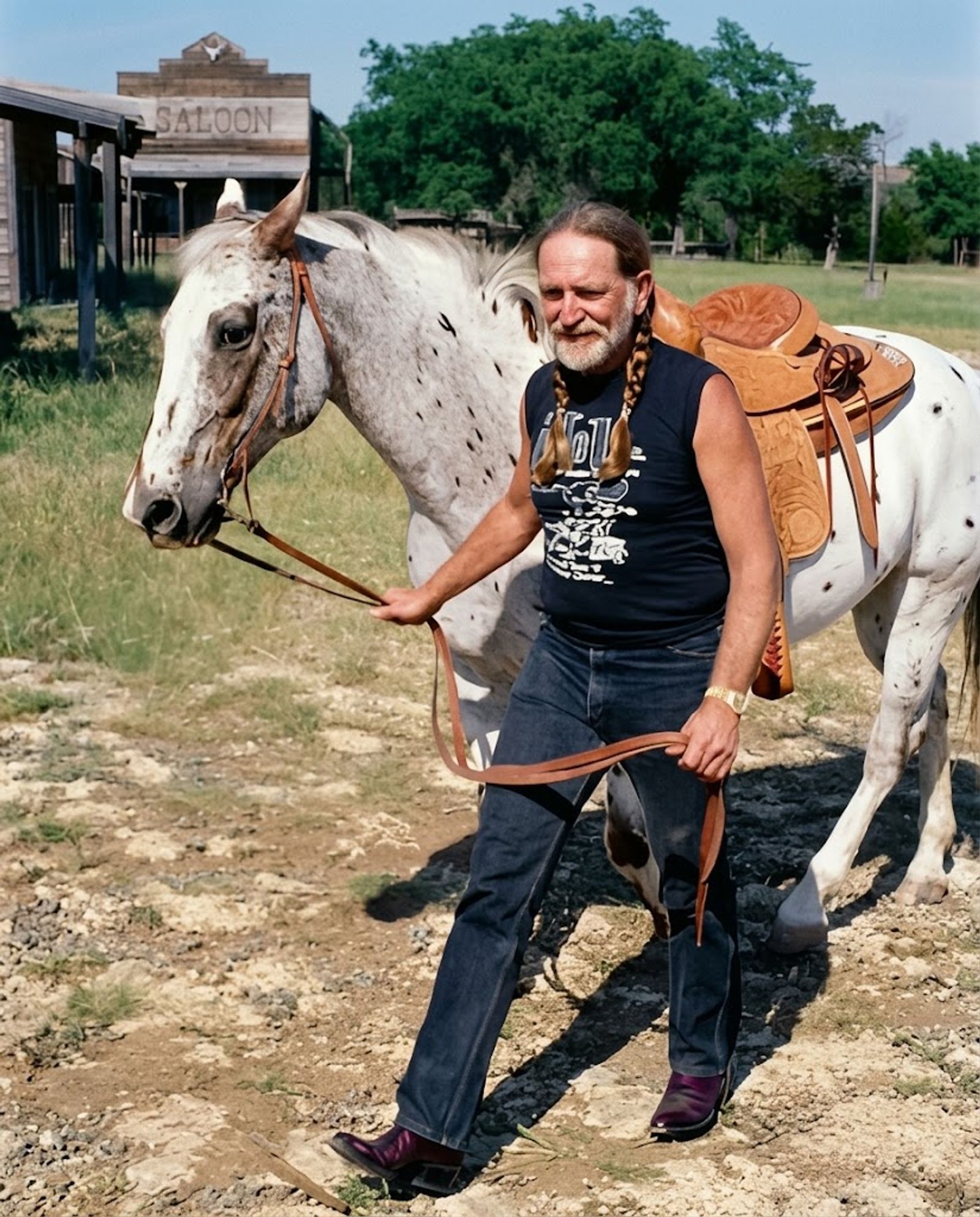
The image of a lone cowboy trading acoustic memories to survive a financial ruin resonated deeply with the American public. But the most remarkable part of Nelson’s recovery did not happen in a recording booth. It happened on the auction block.
When the federal government began auctioning off his Texas ranch and cherished possessions, the public intervened. Nelson had spent the previous decade organizing Farm Aid, raising millions of dollars for struggling agricultural workers across the country. Now, the people he had championed decided to return the favor.
Farmers, longtime fans, and fellow musicians pooled their resources. They showed up at the federal auctions and bought his properties, his instruments, and his keepsakes. As soon as the sales were finalized, they handed the deeds and the items directly back to him. They refused to let an institution dismantle the life of a man who had treated his audience like family.
While the late-night album sales and the loyalty of his fans kept him afloat, the final resolution of his debt required a different kind of fight. Nelson took direct aim at the architects of his financial crisis, filing a massive lawsuit against his former accounting firm, Price Waterhouse.
He alleged that their financial mismanagement and reliance on illegal tax shelters had triggered the crisis in the first place. Rather than face a prolonged public trial, the firm eventually agreed to an out-of-court settlement for an undisclosed sum. That settlement provided the crucial influx of capital needed to satisfy the remaining balance of his federal debt.
By 1993, the $32 million burden was officially cleared. Nelson had rebuilt his empire from the ground up, navigating one of the most severe financial crises ever faced by an American entertainer without changing his demeanor or compromising his music.
He walked out of the ordeal with his ranch intact, his guitar in his hands, and a profound realization of his place in the cultural landscape. The government had calculated his debt in millions, but the people who bought his memories proved his true worth was something a ledger could never hold.
Read more stories
- He Was Rejected By His Own Mom And Raised To Think ‘Women Are Evil’ But He Became A Legendary Rockstar
- TOBY KEITH RECORDED SOME OF THE BIGGEST PATRIOTIC ANTHEMS IN COUNTRY MUSIC HISTORY—BUT HIS REAL LEGACY WAS BUILT ON MILITARY BASES WHERE NO CAMERAS WERE ROLLING.
- [Video]: The One-Take Hit That Took Over Rock Radio
- The Box Tops’ “The Letter” Captures Lightning in a Bottle and Redefines Blue-Eyed Soul in 1967-2