
News
The First Check Dolly Parton Sent Home
Long before wealth and fame became part of her story, Dolly Parton used one of her first meaningful Nashville paydays to erase a family debt that had followed the Parton name through years of mountain hardship.

A paycheck with a different destination
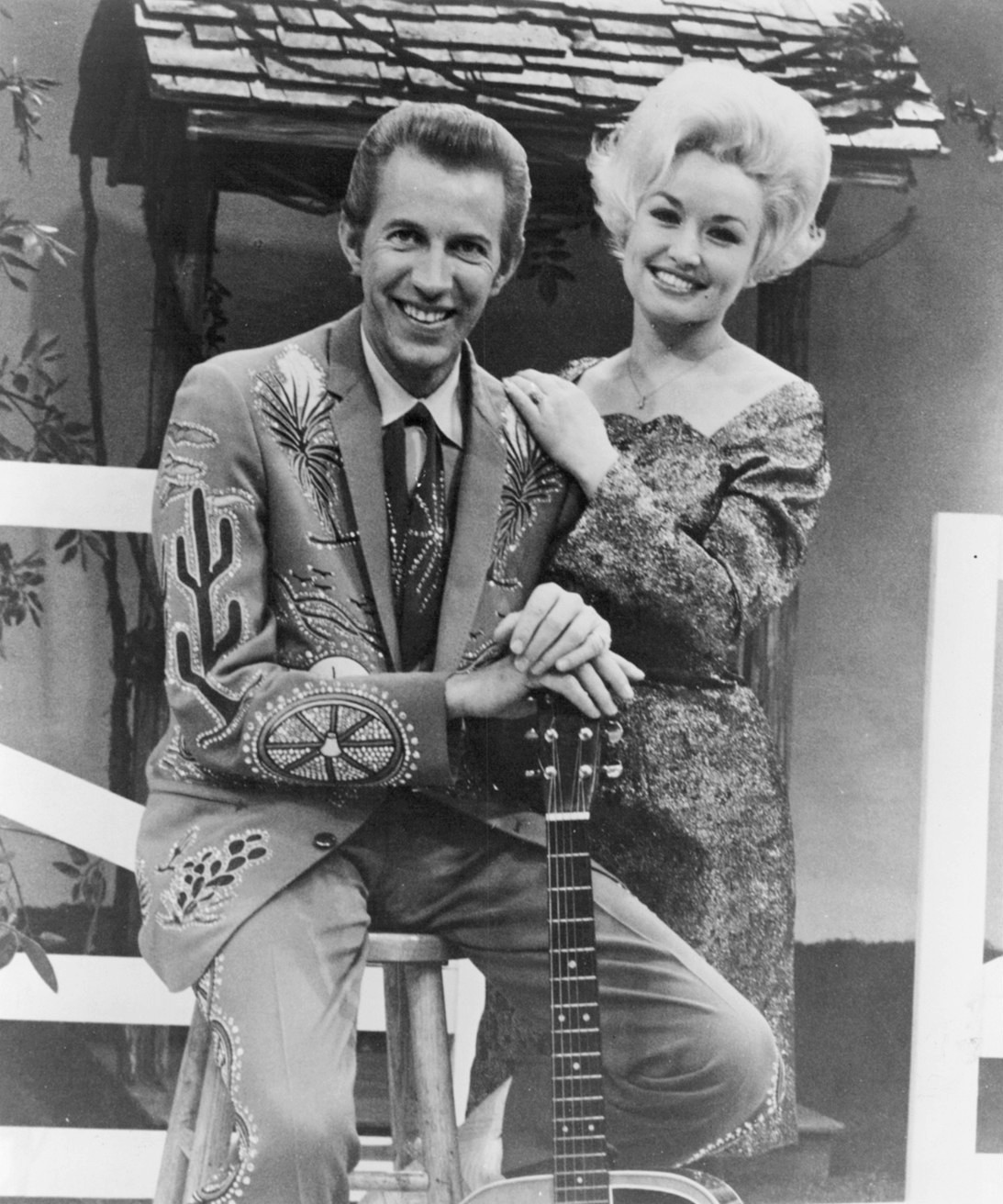
When Dolly Parton began to gain real traction in Nashville in 1967, the moment could have invited a hundred small luxuries. She had signed with Monument Records, joined Porter Wagoner’s television show, and finally had the kind of advance that signaled a career was beginning to move. For a young performer building a public image, there were obvious uses for the money: better stage clothes, a more comfortable apartment, a little breathing room in the city.
paras
But Parton’s first instinct was not toward display. She sent the money back to East Tennessee, to the Great Smoky Mountains where she had been raised, with a clear instruction for her father: take it to the local general store and pay off the family’s tab. It was a decision that revealed, in one gesture, how little success had altered her sense of what mattered and how deeply the memory of want remained with her.
She did not spend that first significant money on appearances; she spent it on dignity.
The ledger that followed the family
To understand the power of that act, it helps to picture the world Parton came from. She grew up in Locust Ridge outside Sevierville, Tennessee, in a one-room cabin, one of 12 children in a family that lived close to the edge. In that setting, credit at the country store was not a casual convenience. It was a lifeline.
In lean seasons, the family depended on a running account for necessities: flour, sugar, cornmeal, kerosene, the plain staples that kept a household going until work improved or the next harvest came in. A store ledger in rural Appalachia could hold more than numbers. It recorded hard winters, poor crops, low cash flow, and the quiet humiliation of having to ask again for time. For a child growing up in that world, the debt was not abstract. It was part of daily life, part of the family’s rhythm of endurance.
Robert Lee Parton’s burden
Parton’s father, Robert Lee Parton, has long been central to the way she tells her family story. He was an illiterate sharecropper and construction worker, a man known for relentless labor and for doing whatever he could to feed his children. The image is a familiar one in Parton’s life narrative: a father working the rocky mountain soil and taking on backbreaking jobs, carrying pride even when money was scarce.
One of the most enduring details from that family history is that the doctor who delivered Dolly was famously paid with a sack of cornmeal. The anecdote has lasted because it captures the economy of the world she was born into, where barter and credit were not colorful folklore but practical necessities. For Robert Lee, the store debt represented more than unpaid bills. It was a visible reminder that effort did not always translate into security, no matter how hard a man worked.
From Locust Ridge to Nashville, without forgetting
By the time that first meaningful money arrived, Parton was already married to Carl Dean and living modestly in Nashville. Her circumstances had changed, but not enough to make spending lightly feel natural. She still knew what it meant to stretch dollars, and she still understood how quickly pride could be worn down by unpaid balances and the need to ask for credit.
That is what makes the choice so telling. Parton did not merely send money home to help out. She targeted a specific wound. She wanted the account cleared, every last cent owed against the Parton name removed from the books. It was an act of financial relief, but also an act of restoration. In a culture where reputation and self-respect carried enormous weight, settling that debt meant her father could walk through the community unshadowed by what the family owed.
A walk to the counter, head held high
The emotional core of the story lies in the image of Robert Lee Parton entering that Sevierville store and paying the balance in full. He could not read his daughter’s name on a record label or on a chart, a fact that gives the moment its particular poignancy. The world was beginning to measure Dolly Parton’s rise in music-business terms, but her father experienced its meaning in a language he knew: a debt erased, a burden lifted, a family standing square again.
That scene carries the force of a small mountain epic. No spotlight, no stage, no applause—just cash on a counter and a ledger brought to zero. Yet for Parton, that may have been one of the purest early expressions of success. Not visibility, but usefulness. Not glamour, but the ability to give back something concrete to the people who had endured the hardest years with her.
Though he could never read his daughter’s name on a record label, he could understand a paid bill.
Why the story still endures
This episode remains memorable because it distills so much of what audiences recognize in Dolly Parton’s public character: loyalty to family, sharp memory for hardship, and an instinct to treat money as a tool rather than a trophy. Her story has often been told through rhinestones, songs, and wit, but underneath is a consistent reverence for the people and places that formed her.
It also resonates because it is not simply about poverty overcome. It is about what early success is for. In Parton’s version of ambition, the first real reward was not self-transformation but repayment—to parents, to home, to the dignity of a hardworking father who had carried debt he never stopped trying to outrun. That is why the anecdote has lasted. It feels less like a charming detail than a key to understanding the woman herself.
Quick Facts
- Person: Dolly Parton
- Key year in this story: 1967
- Place she grew up: Locust Ridge outside Sevierville, Tennessee
- Family background: One of 12 children raised in a one-room cabin
- Father: Robert Lee Parton
- What she did with the money: Sent it home so her father could pay off the family’s general-store debt
Image credits: United States Congress / Wikimedia Commons / Public domain; Curtis Hilbun / Wikimedia Commons / CC BY 3.0; Moeller Talent, Inc. Nashville (management) / Wikimedia Commons / Public domain.

