
News
The Day the World Thought Fats Domino Was Dead: A Hurricane Miracle
In the chaos after Hurricane Katrina, a spray-painted message on Fats Domino’s home led many to fear the New Orleans music legend had died—until a remarkable rescue story emerged.

A grim message in a drowning city
In the final days of August 2005, New Orleans became a tableau of catastrophe. Hurricane Katrina had ripped across the Gulf Coast, and as the levee failures turned neighborhoods into flood zones, the city’s familiar geography seemed to dissolve under brown, rising water. Families were stranded on rooftops, rescue boats threaded through streets that had become canals, and the world watched in disbelief as one of America’s great cultural capitals fought for survival.
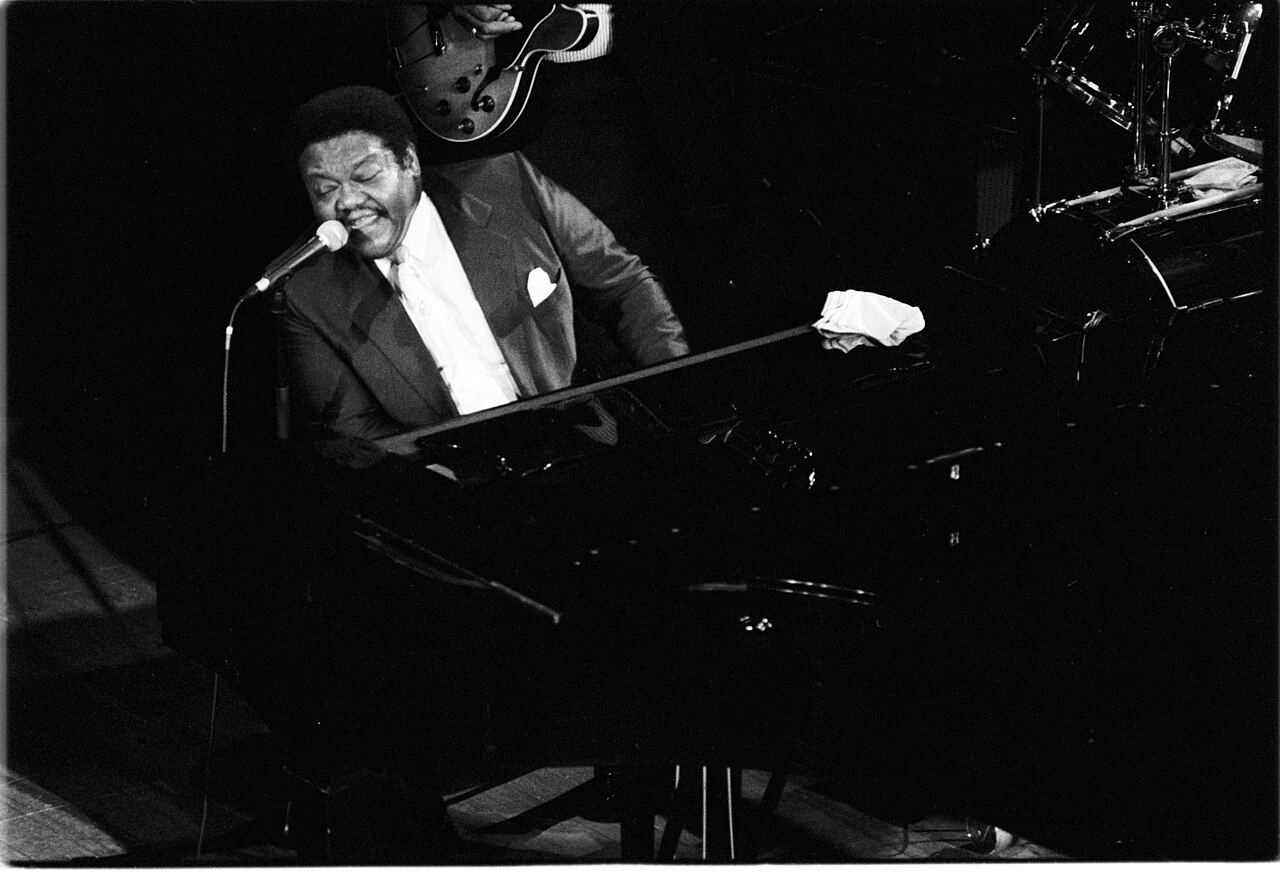
Then came the image that deepened the sense of loss. On the front of a house in the Lower Ninth Ward, a rescue marking included the haunting letters “R.I.P.” The home belonged to Fats Domino, the beloved pianist and singer whose rolling rhythms and warm voice helped define early rock and roll. In a disaster already freighted with anguish, the suggestion that Domino had died inside his own house felt like a symbolic blow to New Orleans itself.
For a moment, the possible death of Fats Domino seemed to stand for everything Katrina threatened to erase: people, memory, music, and the city’s joy.
Why the rumor spread so fast
The confusion was understandable. Communications were shattered, phone lines were down, and accurate information was hard to come by. Domino, known to be deeply attached to his longtime home and reluctant to leave New Orleans, had not been publicly accounted for in the immediate aftermath of the storm. In that vacuum, the spray-painted message did what disaster imagery often does: it hardened uncertainty into something that looked like fact.
News organizations and fans around the world reacted with alarm. Domino was not just another famous resident caught in the storm. He was one of the foundational figures of American popular music, a pianist whose pounding left hand, rolling triplets, and easy, smiling delivery influenced generations of performers. To imagine him lost in the floodwaters was to imagine a living bridge to rock and roll’s beginnings suddenly severed.
The man behind the legend
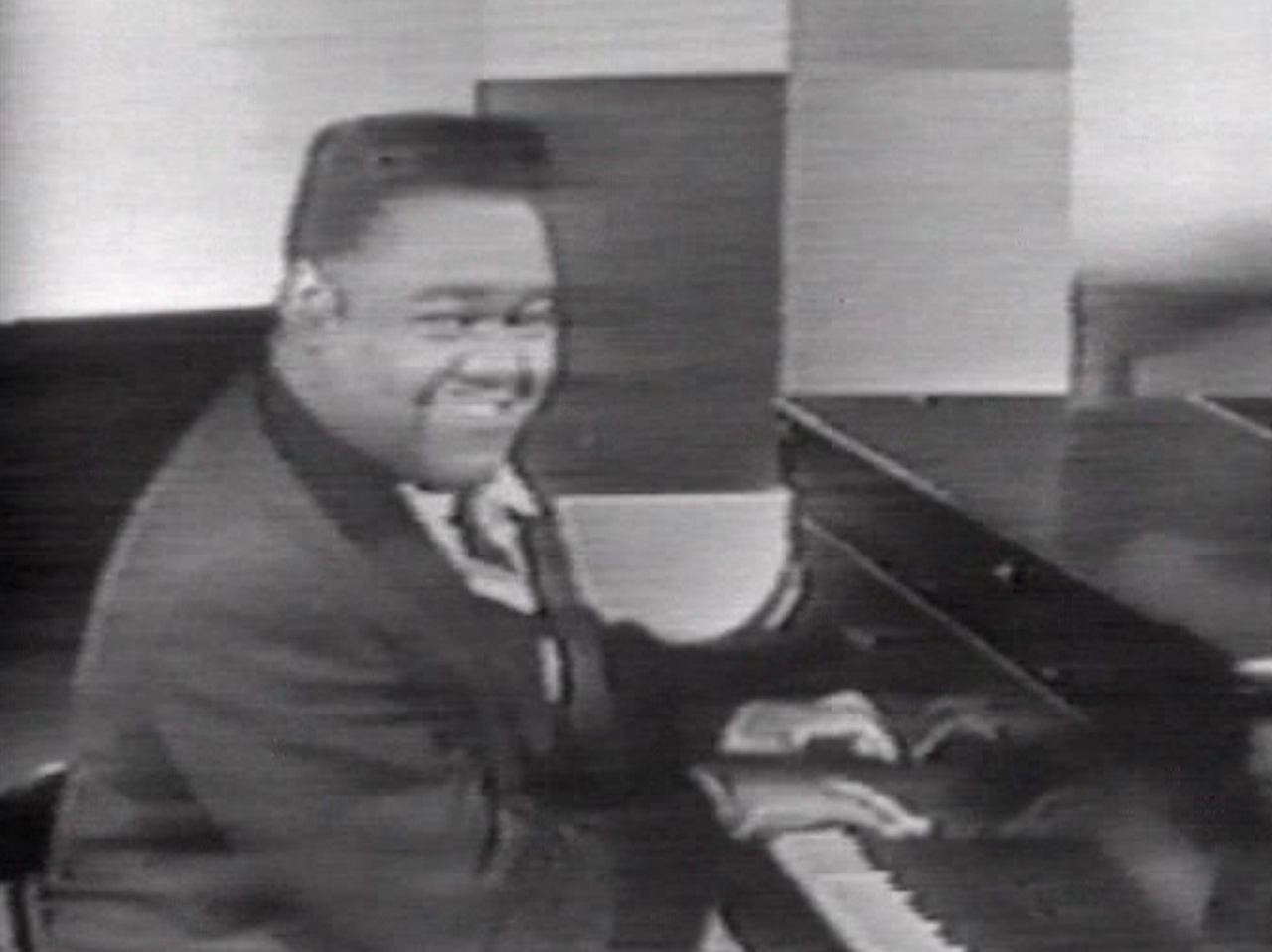
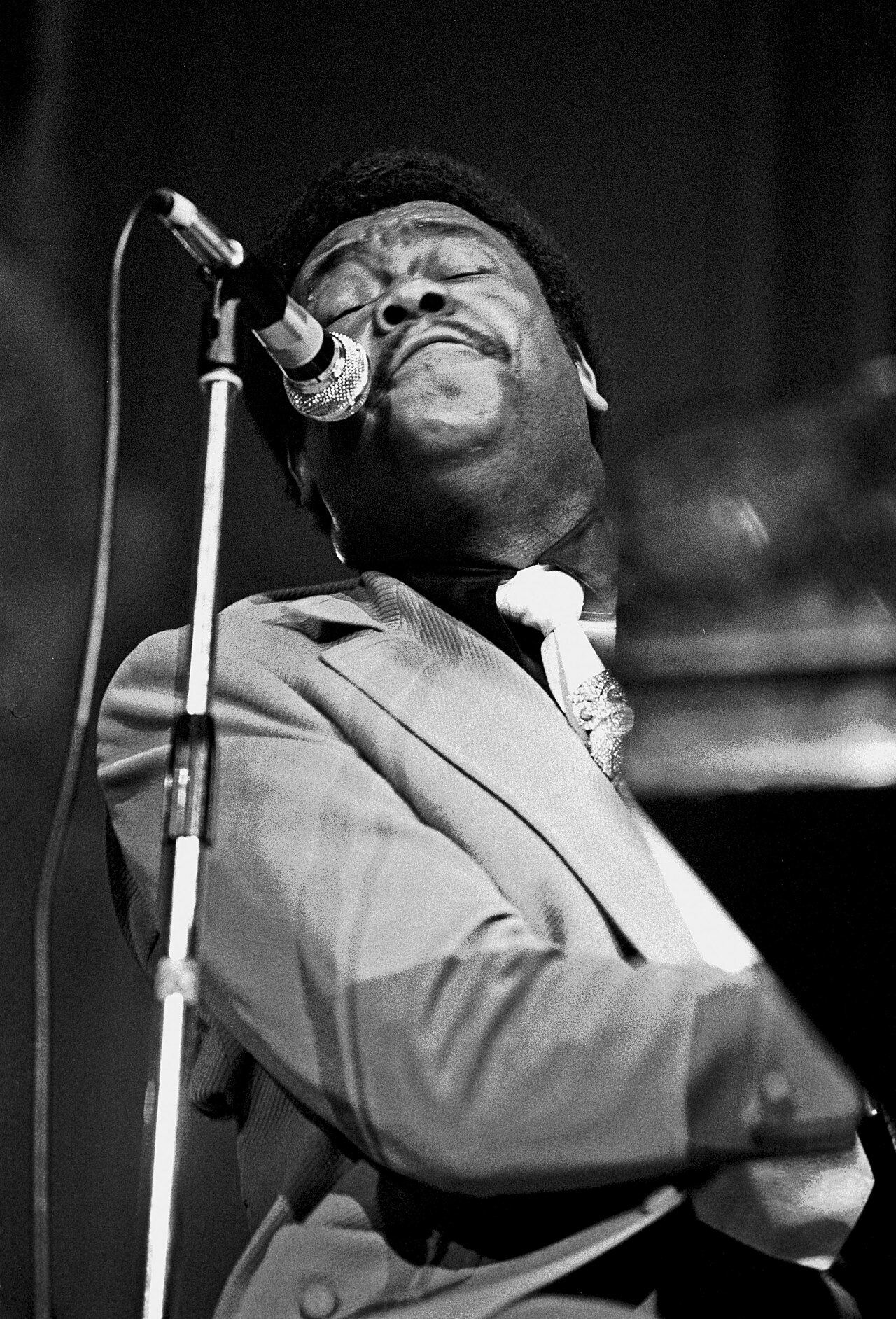
By 2005, Fats Domino was already a towering cultural figure, even if he carried his fame with characteristic modesty. Born and raised in New Orleans, he transformed the city’s musical language into records that traveled far beyond Louisiana. Songs such as “Blueberry Hill” and “Ain’t That a Shame” made him a household name, but his deeper achievement was stylistic: he took the bounce of New Orleans rhythm and blues and gave it a form that helped shape rock and roll.
Domino’s persona mattered as much as his sound. He projected warmth rather than danger, pleasure rather than provocation. At the piano, he seemed to embody ease even while driving the beat with unstoppable force. That combination made him beloved across generations and made the Katrina rumor especially painful. This was not only a star in peril, but a hometown hero whose identity was inseparable from the city under water.
What really happened
In reality, Fats Domino had survived. He had remained in New Orleans during the storm, reportedly unwilling to leave because of his wife’s poor health, and was later rescued after the flooding. In the first chaotic stretch after Katrina, however, that truth had not yet reached the wider public. The mistaken fear of his death was a product of broken systems, fragmentary information, and the overwhelming scale of the disaster.
When confirmation finally came that Domino was alive, the relief was immense. It was not a neat or triumphant ending—Katrina had still devastated lives, homes, and neighborhoods across the city—but it was one desperately needed piece of good news. In a landscape dominated by loss, the survival of one of New Orleans’ great musical voices felt almost miraculous.
A symbol of a wounded but enduring New Orleans
The story resonated because it condensed the emotional truth of Katrina into a single narrative. Fats Domino’s threatened disappearance represented the vulnerability of New Orleans’ culture itself. The Lower Ninth Ward had suffered catastrophic flooding, and the images from the neighborhood became some of the most enduring of the entire disaster. That Domino’s house stood among them made the damage feel intimate, historical, and brutally unfair.
Yet his survival also came to symbolize endurance. New Orleans has long been a city where music is not ornamental but communal, woven into daily life, ritual, celebration, and grief. Domino’s reemergence offered a reminder that even when buildings were ruined and communities displaced, the culture born there had not been washed away. It had been battered, but it remained.
The lasting power of the Katrina miracle
Years later, the episode still endures as one of Katrina’s most haunting and revealing moments. It showed how quickly disaster can create myths, how images can outpace facts, and how the fate of a single artist can become bound up with the fate of an entire city. The “R.I.P.” marking on Domino’s house was not merely a misunderstanding. It became part of the emotional record of those days, when every unanswered question seemed to tilt toward tragedy.
But the story lasts for another reason too: it ends with life. Fats Domino was found alive, and that fact cut through the despair like a brass band heard at a distance after a storm. In the annals of Katrina, where so many stories remain unbearable, his survival stands as a small but unforgettable miracle—one that reminded the world that New Orleans, and the music that rose from it, could still answer catastrophe with resilience.
Quick Facts
- Subject: Fats Domino
- Key event: False fears that Fats Domino had died after Hurricane Katrina
- Location: Lower Ninth Ward, New Orleans
- Why confusion spread: Flooding, communication breakdowns, and a spray-painted rescue marking on his home
- Outcome: Fats Domino was later confirmed alive after being rescued
Image credits: Roland Godefroy / Wikimedia Commons / CC BY-SA 3.0; Creators of The Alan Freed Show / Wikimedia Commons / Public domain; Heinrich Klaffs / Wikimedia Commons / CC BY-SA 2.0.

