
News
The Day George Jones Rode a Lawnmower to the Liquor Store
One of country music’s most enduring legends endures not because it is merely funny, but because it captures the desperation, damage and dark absurdity of addiction at the height of George Jones’s fame.

A country-music myth with a painfully real core
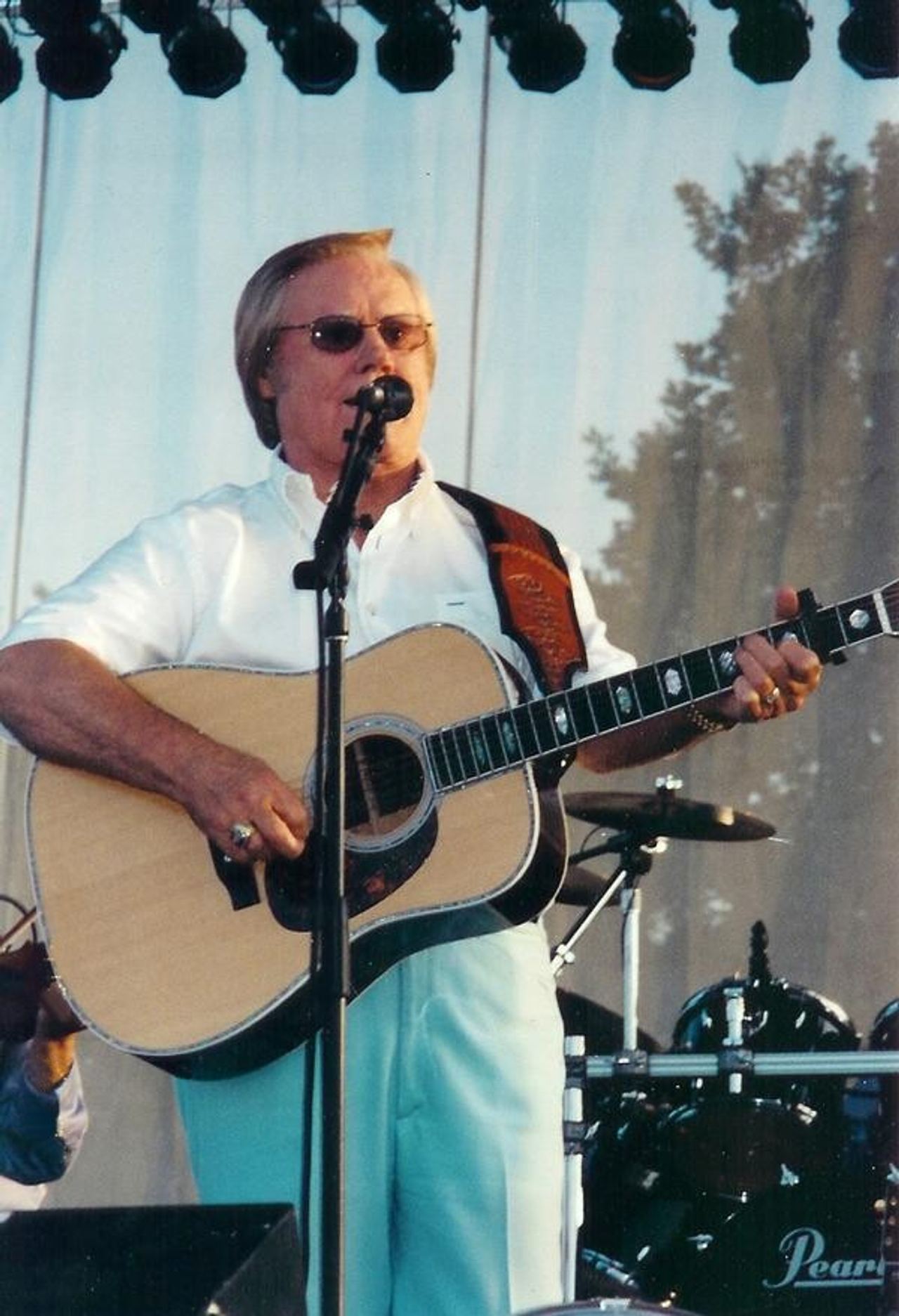
Few stories in country music have traveled as widely as the image of George Jones puttering down a Texas roadside on a riding lawnmower, headed for a liquor store after his wife hid the car keys. It has the perfect shape of folklore: a superstar, a domestic standoff, a ridiculous machine pressed into service, and a journey so stubborn it becomes unforgettable.
But the reason the story survives is not just its comic surface. Beneath the absurdity was a home under strain and a man already losing ground to alcohol. By the late 1960s, Jones was no struggling novice. He was already celebrated as one of the greatest singers in country music, with a voice capable of turning heartbreak into something almost unbearably intimate. Yet celebrity did nothing to protect him from the chaos gathering in private.
It endures as a punchline, but it began as a household crisis.
Shirley Ann Corley’s last practical solution
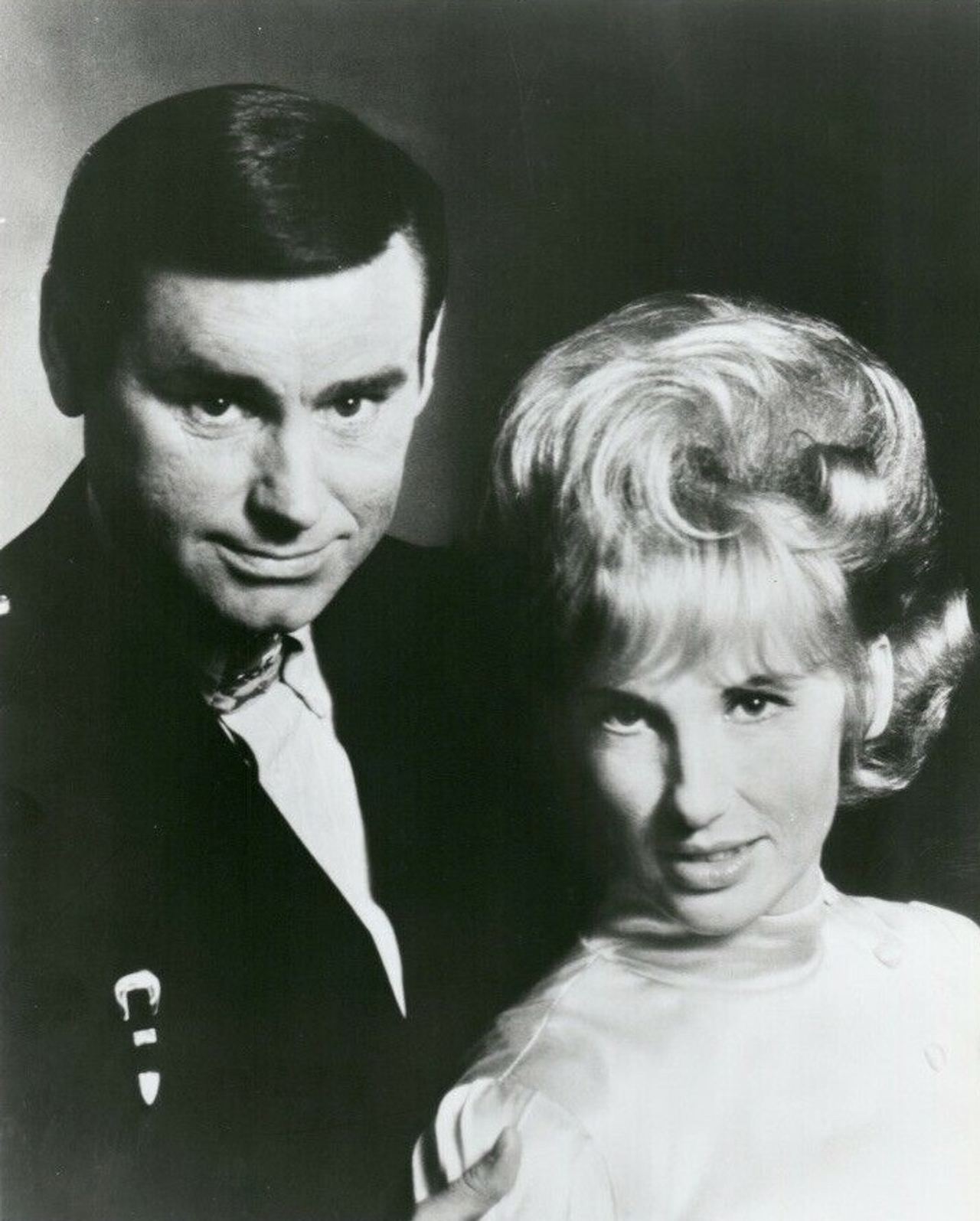
On that afternoon outside Beaumont, Shirley Ann Corley tried something simple and total: remove motion itself. She moved through the house collecting every set of car keys she could find, then drove away believing that distance and immobility might force her husband to stay put. In a home shaped by drinking, it was less a dramatic gesture than an act of exhausted management.
The logic was brutally clear. The house sat miles from the nearest liquor store. On foot, the trip was daunting enough; in the grip of dependence, it could feel impossible. The vehicles in the driveway were suddenly useless, locked and inert. For a moment, the ordinary tools of escape appeared to be gone.
The machine in the yard
Then Jones spotted the one thing nobody had counted as transportation: a riding lawnmower. It was slow, exposed and patently unsuited for any real road. Its small engine was built for cutting grass, not traversing highway shoulders under the Texas sun. In most lives, it would have remained exactly what it was, a piece of yard equipment.
But addiction has a way of reorganizing reality around a single objective. What mattered was not comfort, dignity or common sense. What mattered was movement. Jones climbed aboard, started the mower and pointed it toward the road, turning a suburban utility machine into an emergency getaway vehicle.
Eight miles of disbelief
The route to the liquor store was long enough to become a spectacle. At roughly lawnmower speed, the journey stretched on while cars and trucks roared past. Drivers looked over to see a figure they recognized—or thought they recognized—creeping along the roadside on a machine with no business being there. The image was so improbable that it barely needed embellishment.
That contrast is what makes the scene so indelible even now: one of Nashville’s most revered voices, a man associated with towering performances and recording-studio grandeur, reduced to rattling down the shoulder in open air at a crawl. It was comic in silhouette and tragic in meaning, a roadside cartoon powered by compulsion.
Why the story stuck
Country music has always had room for outsize characters and hard-living legend, and Jones inspired plenty of both. The lawnmower episode fit neatly into a tradition of tales that blur the line between confession, cautionary anecdote and barroom myth. It was vivid, easy to retell and impossible to forget. Over time, it became shorthand for Jones himself: brilliantly gifted, wildly self-destructive, and capable of making even collapse seem operatic.
Yet the story also lasted because it was so specific. Not a vague report of drinking too much or missing an obligation, but a physical tableau anyone could picture in an instant: the highway shoulder, the tiny engine, the long Texas distance. Some celebrity legends survive because they flatter the star. This one survived because it exposed him.
Beyond the punchline, the tragedy of George Jones
To treat the lawnmower ride as only a funny anecdote is to miss what it revealed. Jones’s genius as a singer was inseparable, in the public imagination, from a life often marked by instability and self-sabotage. The same emotional extremity that gave his recordings such devastating force also existed in a world of missed commitments, damaged relationships and addiction-fueled behavior that was far less romantic from inside the house.
That is why the story remains powerful decades later. It captures, in one unforgettable scene, the difference between how addiction can look from the outside and what it feels like from within. To passing motorists, it was absurd. To the family living through it, and to the man driving the mower, it was a measure of how completely alcohol had narrowed the world to one destination.
Quick Facts
- Person: George Jones
- Location: Outside Beaumont, Texas
- Era: Late 1960s
- Other key figure: Shirley Ann Corley
- What she did: Collected the car keys and drove away
- Vehicle used: A riding lawnmower
- Destination: The nearest liquor store
- Why the story matters: It became one of country music’s best-known legends about addiction
Image credits: A. J. Kane (compiler) / Wikimedia Commons / Public domain; Secisek at English Wikipedia / Wikimedia Commons / Public domain; Hubert Long Agency / Wikimedia Commons / Public domain.

