Celebrities & Music
The Dangerous Truth Behind Nina Simone’s Most Controversial 1964 Anthem
The article opens with Nina Simone’s incendiary 1964 performance of “Mississippi Goddam,” describing its political impact and the backlash it triggered. It then shifts to Manfred Mann’s “Doo Wah Diddy Diddy,” tracing the song’s British Invasion success and lasting cultural appeal.
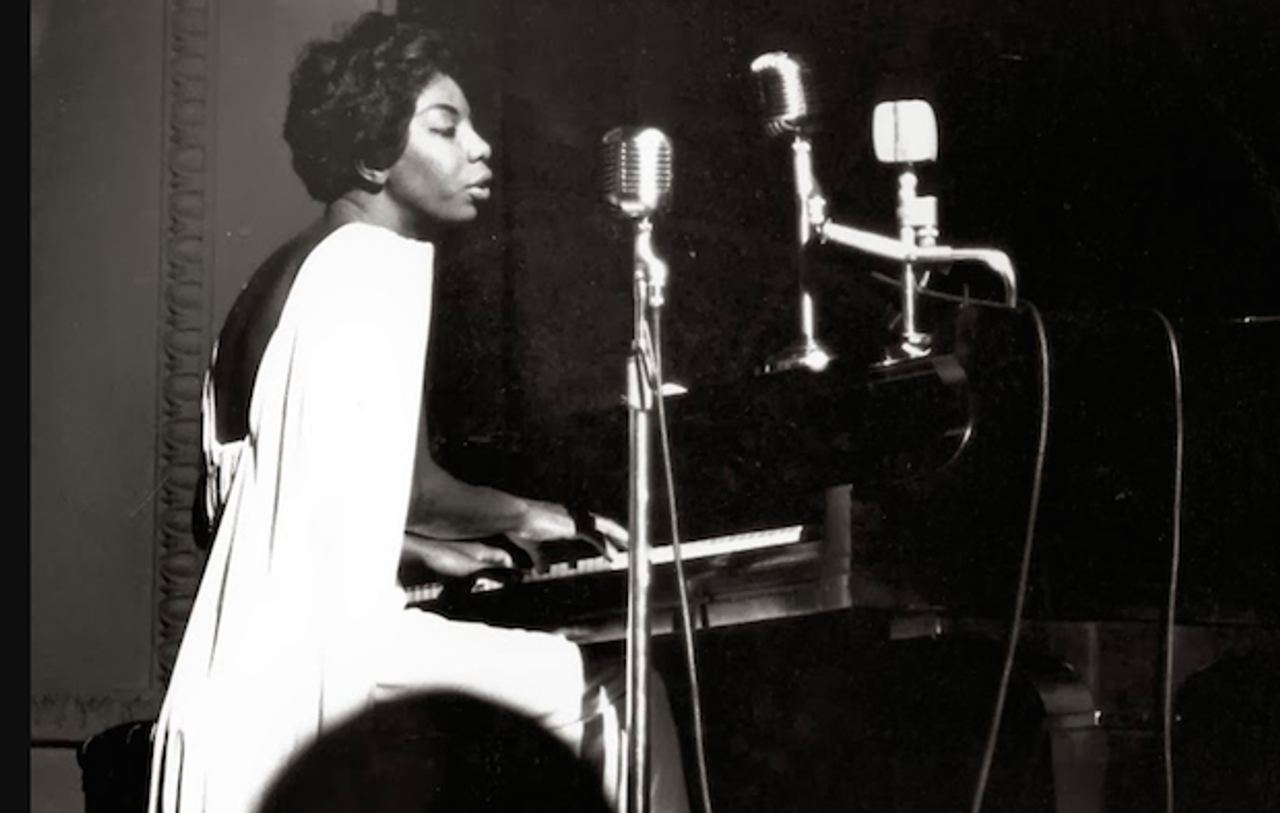
In the spring of 1964, the air inside Carnegie Hall was thick with expectation. The audience, a refined collection of New York’s elite, waited for the soothing, velvet tones they associated with the legendary Nina Simone. But what they received instead was a seismic shift in American music history. Nina Simone stood center stage and unleashed Mississippi Goddam, a composition so fierce and incendiary that it tore through the polite veneer of the era. To the unsuspecting ear, the piano melody felt upbeat, almost like a show tune, but the lyrics were a jagged glass shard aimed directly at the heart of systemic injustice. It was a masterclass in musical misdirection, masking a dangerous, revolutionary truth behind an infectious rhythm.
Nina Simone did not just perform that night; she ignited a powder keg. While the audience at Carnegie Hall was stunned into a breathless silence, the true fallout occurred far beyond the auditorium walls. As the song hit the airwaves, it was met with immediate, visceral hostility. Radio stations across the South, fearful of the song’s raw power and its unapologetic condemnation of racial violence, initiated massive bans. Some industry insiders even sent promotional copies back to the record label, broken and destroyed in protest. The establishment could tolerate a soulful ballad, but they could not stomach the Nina Simone who demanded radical change.
This was not merely a song; it was a defiant declaration of war against a society that demanded Black artists remain silent about their suffering. Nina Simone navigated the complexities of her fame with a volatile intensity that often left her record executives terrified. She was a classically trained pianist who chose to weaponize her talent for the sake of the Civil Rights movement, despite knowing that such a path would alienate her from mainstream success. The pressure of balancing her artistic brilliance with the burden of becoming a political symbol began to take a toll, fueling the personal demons and erratic behavior that would haunt the later stages of her career.
The genius of Nina Simone lay in her ability to make the listener uncomfortable while demanding their full attention. Even decades later, the sonic dissonance between the peppy tempo and the gut-wrenching lyrics of her anthem remains a haunting experience. It serves as a stark reminder that music of the 1960s was not just about the melodies we hummed on the radio; it was a battlefield for the soul of a nation. Her willingness to risk everything for the truth is what cemented her legacy, far outlasting the short-sighted radio bans of the mid-century.
Today, we look back at the 1964 performance as a turning point, not just for Nina Simone, but for the entire trajectory of protest music. Her story is a testament to the fact that true art often requires a dangerous level of honesty. As we revisit these classic tracks, we are reminded that Nina Simone was never just a performer; she was a witness to history who refused to look away. What forgotten truths do you think remain hidden in the classic records you still listen to today?
Manfred Mann’s “Doo Wah Diddy Diddy” Brings British Invasion Joy to America in 1964
When Manfred Mann released “Doo Wah Diddy Diddy” in 1964, it wasn’t just another pop hit—it became one of the defining anthems of the British Invasion.
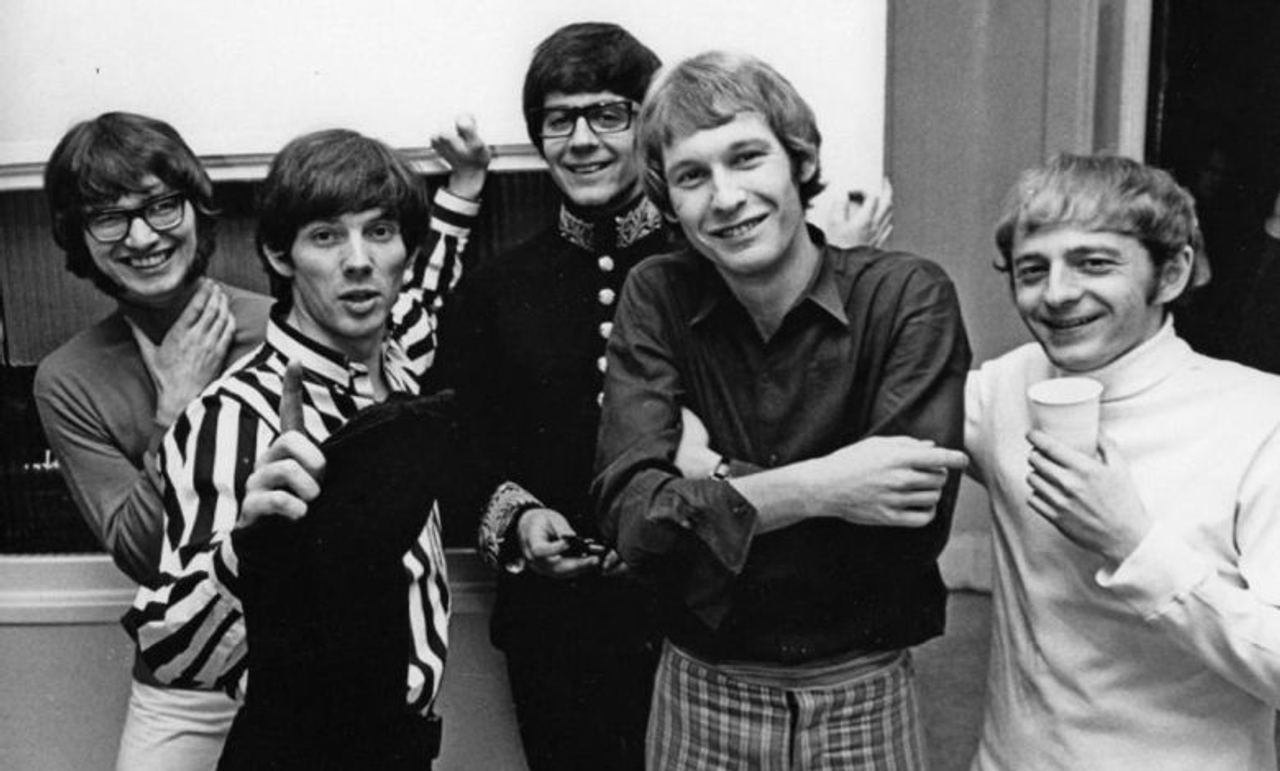
Originally penned by the American songwriting team of Jeff Barry and Ellie Greenwich, the song achieved new life when this London-based group gave it an exuberant, swinging rendition that captured the imagination of fans on both sides of the Atlantic.
Upon its release, “Doo Wah Diddy Diddy” soared to number one on both the UK Singles Chart and the Billboard Hot 100, cementing Manfred Mann’s place among the premier acts of the era.
Manfred Mann, the band named after its keyboardist and leader, formed in London in the early 1960s.
Originally steeped in jazz and rhythm and blues, the group quickly adapted to the evolving pop scene, creating a sound that blended sophistication with infectious energy.
Vocalist Paul Jones brought a charismatic voice to the band’s recordings, while their dynamic mix of blues roots and radio-friendly hooks set them apart from many of their contemporaries during the flood of British acts into the American music scene.
The origin of “Doo Wah Diddy Diddy” is as colorful as the song itself.
It was first recorded by the American vocal group The Exciters earlier in 1964, but it was Manfred Mann’s version that transformed the track into a global phenomenon.
Jeff Barry and Ellie Greenwich had crafted a piece brimming with cheerful nonsense syllables and feel-good lyrics, a perfect match for a group looking to inject vibrancy and fun into the pop charts during a turbulent decade.
When Manfred Mann entered the studio to record the song, the focus was on maintaining its infectious charm while adding a polished, rhythmic drive.
The production, led by John Burgess, emphasized a crisp, forward-pushing beat, with Manfred Mann’s organ riffing giving the track its instantly recognizable texture.
Paul Jones delivered a lively, upbeat vocal that radiated pure joy, and the backing vocals created a call-and-response energy that made the song irresistible to listeners of all ages.
Upon its release, “Doo Wah Diddy Diddy” was an immediate success.
It climbed to number one in the United Kingdom before crossing the Atlantic and repeating the feat in the United States.
It stayed on the Billboard Hot 100 for several weeks, becoming one of the year’s most memorable singles.
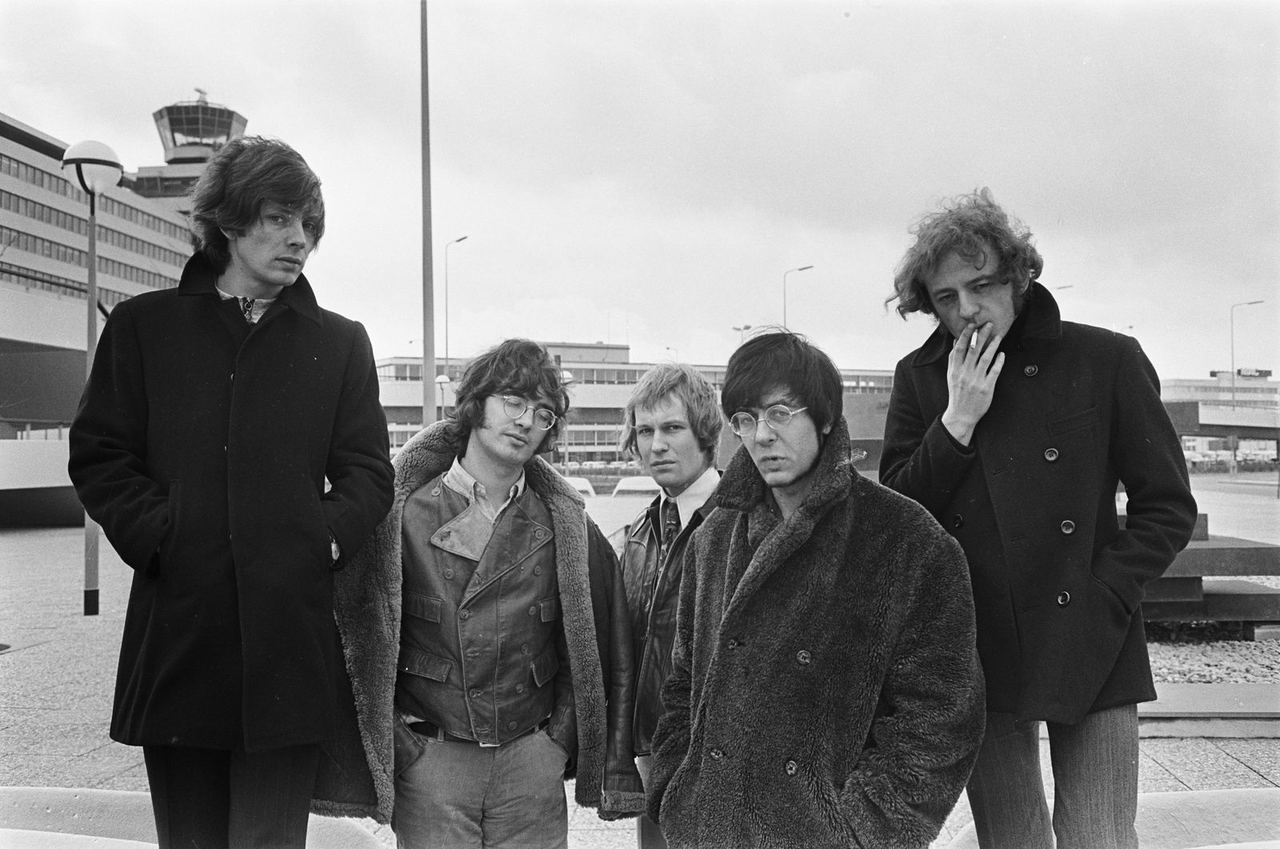
The song’s runaway popularity helped to further validate the strength and appeal of the British Invasion and marked Manfred Mann’s arrival as a serious contender in the crowded pop marketplace.
Beyond the charts, “Doo Wah Diddy Diddy” had a broader cultural impact.
Its sheer exuberance made it a symbol of youthful optimism during a time when the world was increasingly dominated by political upheaval and social unrest.
The song’s carefree, joyous nature provided a much-needed counterpoint, offering listeners an escape into a world of simple, universal happiness.
It became a soundtrack for dances, parties, and radio playlists, bridging gaps between teenagers and adults alike.
For Manfred Mann, the success of “Doo Wah Diddy Diddy” opened up a wealth of opportunities.
They were able to tour internationally, including significant stints in the United States where they appeared on major television shows such as The Ed Sullivan Show.
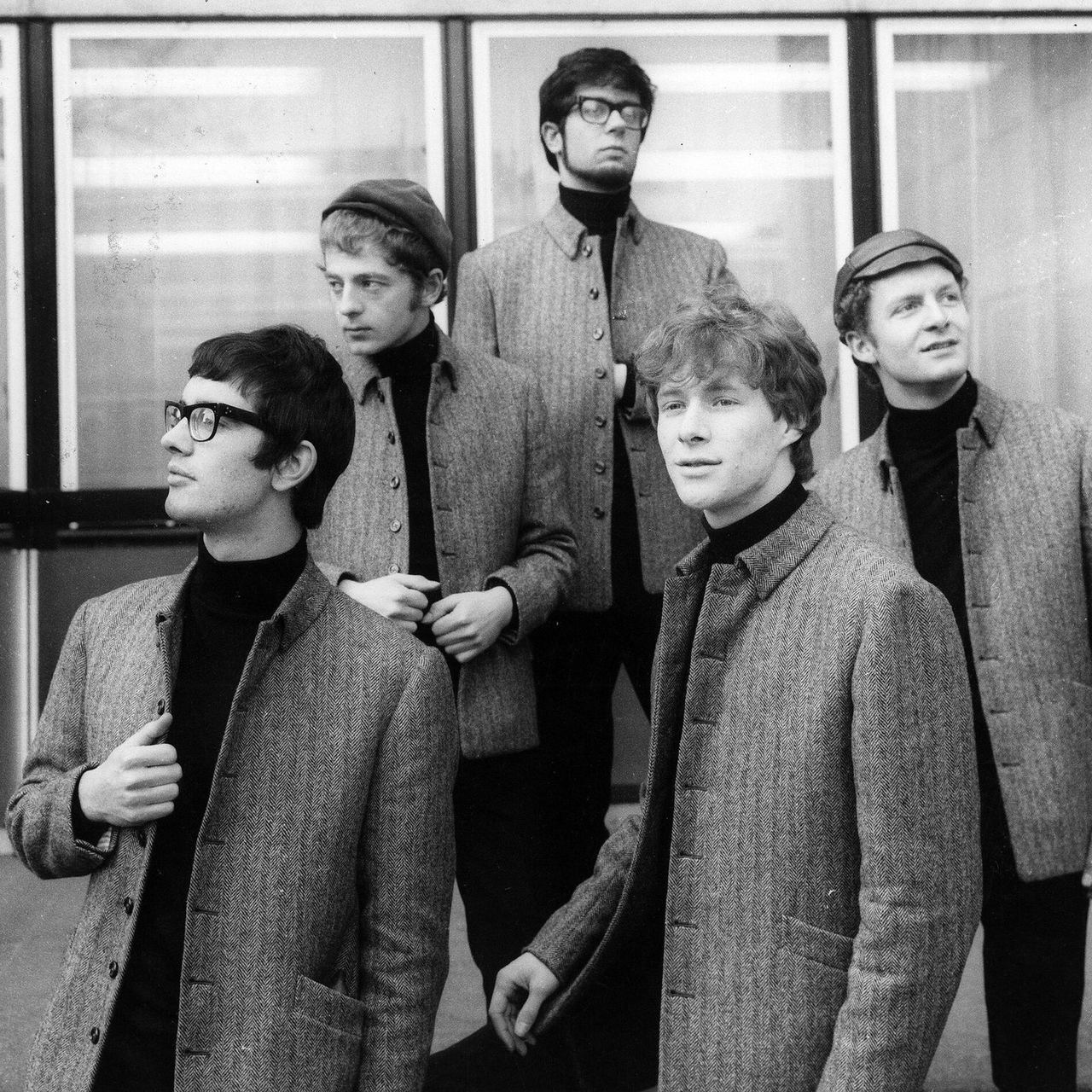
The exposure expanded their fanbase dramatically and set the stage for further hits, including tracks like “Pretty Flamingo” and “Sha La La.”
The momentum they gained from this single allowed them to experiment with more sophisticated material later in their career.
The influence of “Doo Wah Diddy Diddy” extended beyond Manfred Mann’s immediate success.
The track demonstrated how a British band could take an American song, infuse it with their unique style, and achieve transatlantic dominance.
It inspired other British groups to explore American soul and pop catalogs, giving rise to countless cover versions and adaptations that enriched the era’s musical tapestry.
Over the years, “Doo Wah Diddy Diddy” has been covered and referenced by numerous artists.
Notable renditions include versions by Bruce Willis in the 1980s, and even comedic reinterpretations that kept the song alive in pop culture.

Each interpretation, whether faithful or playful, paid homage to the song’s boundless spirit and infectious melody, reaffirming its staying power across generations.
At the time of its release, Manfred Mann’s success with “Doo Wah Diddy Diddy” coincided with an important cultural moment.
The world was on the cusp of major societal shifts, and music was becoming an essential voice for change.
While many artists leaned into heavier, politically charged material, Manfred Mann’s cheerful, feel-good anthem offered listeners a reason to smile and a reminder of the simple joys that music could bring.
The legacy of “Doo Wah Diddy Diddy” remains remarkably strong today.
The song continues to be featured in films, commercials, and nostalgic compilations celebrating the music of the 1960s.
Its enduring popularity on radio and streaming platforms speaks to its timeless quality—a universal burst of happiness that refuses to fade with time.
The song also helped shape the evolution of pop music by demonstrating the commercial potential of upbeat, uncomplicated tunes during an era increasingly drawn to complexity.
It proved that clever production, strong performances, and sheer enthusiasm could carry a song to iconic status without needing heavy thematic weight.
The track’s success encouraged a generation of artists to keep crafting joyous, uplifting music even amidst a changing cultural landscape.
Though Manfred Mann would later explore more progressive and jazz-influenced sounds, particularly with his subsequent band Manfred Mann’s Earth Band, the joyful explosion of “Doo Wah Diddy Diddy” remains a cornerstone of his musical legacy.
It is a song that captured a moment in time when hope and happiness were desperately needed and offered them up in a perfectly crafted three-minute package.
Read more stories