
News
The 1955 Crossover Hit That Helped Bring New Orleans R&B into Rock and Roll
With “Ain’t That a Shame,” Fats Domino and Dave Bartholomew transformed a simple tale of heartbreak into a warm, rolling New Orleans rhythm and blues record that crossed over to the pop audience and helped define early rock and roll.

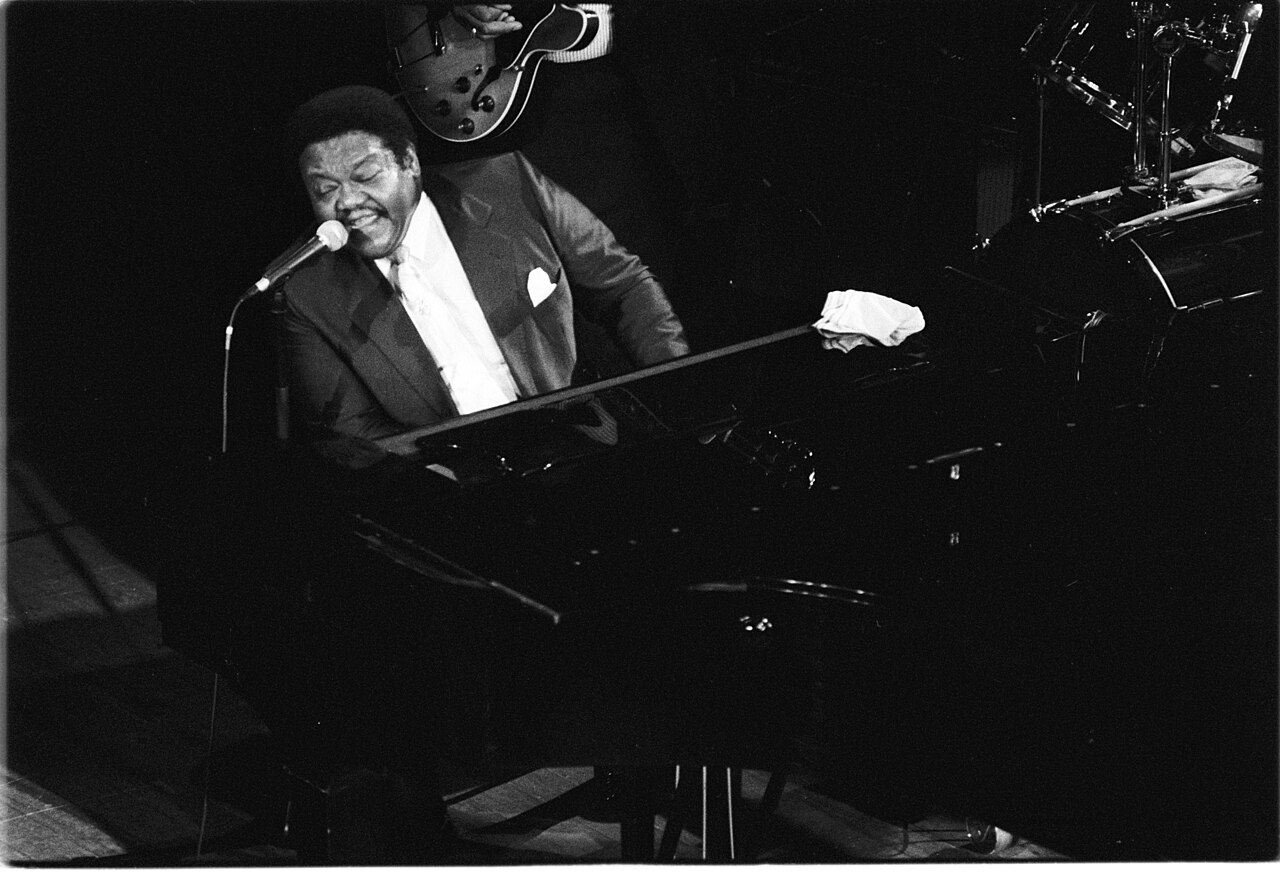
A heartbreak song with a smile in its rhythm
By the time “Ain’t That a Shame” reached listeners in 1955, Fats Domino already had a recognizable sound: relaxed but propulsive, blues-rooted yet playful, carried by a rolling piano touch that seemed to turn sorrow into motion. The song took a familiar subject—romantic disappointment—and delivered it not as a lament but as something more inviting, almost communal. You could hear the sadness in the lyric, but you could also dance to it.
That tension is part of what made the record so important. “Ain’t That a Shame” sounded unmistakably like New Orleans rhythm and blues, with its buoyant groove, strong backbeat and unforced vocal charm. Yet it also had the directness and melodic clarity to travel far beyond its original market. In a period when American popular music was being remade in real time, the song became one of the records that showed how regional R&B could become national rock and roll.
Fats Domino and Dave Bartholomew’s winning formula
The record’s power rested on a partnership. Fats Domino brought the easygoing vocal presence and the instantly identifiable piano style; Dave Bartholomew helped shape the arrangement, structure and overall sound. Together, they were central architects of the New Orleans style that flowed into 1950s rock and roll. Their records did not need excess. They relied on groove, economy and personality.
On “Ain’t That a Shame,” that formula is especially clear. The performance feels compact but never cramped. The rhythm section keeps everything moving with a light but insistent pulse, while Domino’s piano supplies both momentum and color. His vocal does not overplay the hurt. Instead, he sounds conversational, almost amused by the cruel fact at the song’s center. That restraint made the emotion feel human rather than theatrical.
“Ain’t That a Shame” worked because it made heartbreak feel catchy without draining it of feeling.
The New Orleans sound steps onto the national stage
What listeners were hearing was more than a hit single; it was a local musical language reaching a mass audience. New Orleans R&B had a distinct looseness and swing, built from blues, boogie-woogie, brass-band energy and street-level rhythm. In Domino’s hands, those elements became unusually accessible. The beat was strong, the melody memorable, and the atmosphere welcoming rather than intimidating.
That accessibility mattered. In the mid-1950s, crossover hits played a major role in breaking down the boundaries between R&B and pop. “Ain’t That a Shame” helped prove that a record grounded in Black Southern rhythm and blues could command broad attention without abandoning its identity. It topped the R&B chart, entered the pop Top 10 and became a key step in Domino’s rise as one of early rock and roll’s biggest stars.
Why the record connected so widely
Part of the song’s appeal lies in its balance of simplicity and craft. The lyric is plainspoken and instantly graspable: love has gone wrong, and the singer is left to absorb the blow. But the musical setting gives that emotional setback lift. The beat nudges forward, the piano sparkles, and the whole record feels like it is smiling through the pain. That combination helped the song travel across audiences.
Domino also brought a quality that many early rock and roll stars shared but few matched so gently: he sounded natural. There is no sense of strain in the performance, no need to sell the song with dramatic flourishes. He lets the groove do the work. For listeners encountering this style for the first time, that ease may have been part of the invitation. The record didn’t demand entry into a new world; it opened the door and made the world sound fun.
A crossover moment in the early rock and roll story
In retrospect, “Ain’t That a Shame” stands at one of the crucial intersections in postwar American music. Rock and roll did not emerge from nowhere, and it was not the product of a single city or artist. It came from overlap, migration, adaptation and the movement of sounds across radio waves and record bins. New Orleans was one of its essential sources, and Domino was among its clearest ambassadors.
The song’s crossover success helped widen the mainstream audience for the kind of rhythm and blues Domino and Bartholomew were making. It also helped define what early rock and roll could be: not only loud or rebellious, but rhythmic, melodic, funny, wounded and warm all at once. In that sense, the record was more than a commercial breakthrough. It was a translation of local musical feeling into a national pop language.
The enduring glow of “Ain’t That a Shame”
Decades later, the record still feels fresh because its pleasures are fundamental. The groove is immediate, the hook lands quickly, and Domino’s presence remains irresistible. Many pioneering rock and roll records now carry the weight of history first and the thrill of performance second. “Ain’t That a Shame” still reverses that order. It works as living music before it asks to be admired as a milestone.
That is why its legacy endures. The song helped bring New Orleans R&B into rock and roll’s expanding center, but it also preserved the qualities that made that regional sound special in the first place: swing, understatement, emotional directness and joy that survives disappointment. In a few brisk minutes, Fats Domino and Dave Bartholomew captured a turning point in American popular music—and made it sound effortless.
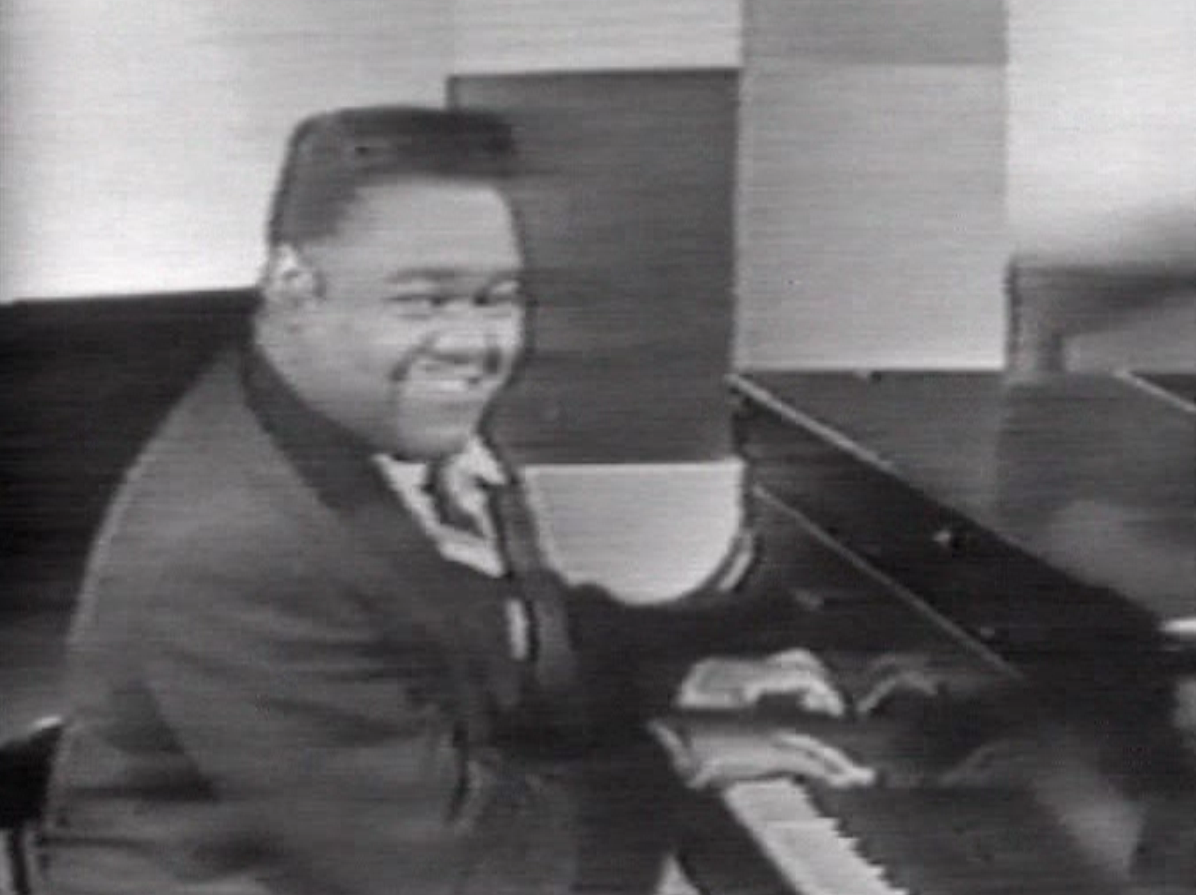
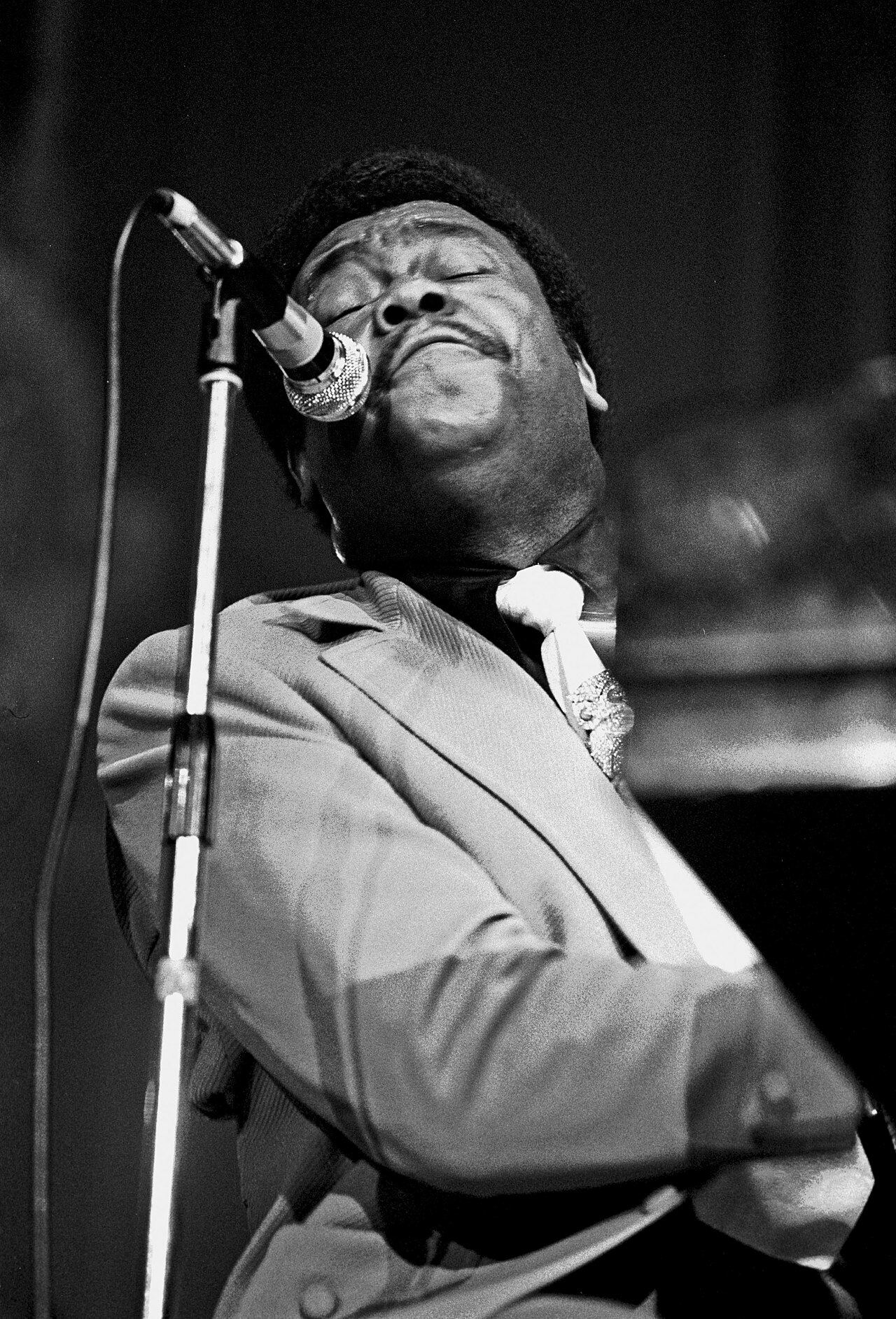
Quick Facts
- Song: “Ain’t That a Shame”
- Artist: Fats Domino
- Key collaborator: Dave Bartholomew
- Released: 1955
- Style: New Orleans rhythm and blues / early rock and roll
- Significance: A crossover hit that topped the R&B chart and reached the pop Top 10
Image credits: Roland Godefroy / Wikimedia Commons / CC BY-SA 3.0; Creators of The Alan Freed Show / Wikimedia Commons / Public domain; Heinrich Klaffs / Wikimedia Commons / CC BY-SA 2.0.

