Celebrities & Music
Tammy Wynette’s “D-I-V-O-R-C-E” Breaks Hearts and Boundaries in 1968, Cementing Her Status as Country Music’s Queen of Emotion
The article discusses Tammy Wynette’s impactful song “D-I-V-O-R-C-E,” highlighting its emotional depth and significance in country music history, as well as its influence on future artists.
Chapter 1: The Heartbreaking Country Classic That Changed Nashville Forever
Released in May 1968, Tammy Wynette’s “D-I-V-O-R-C-E” became one of country music’s most powerful storytelling songs. Written by Bobby Braddock and Curly Putman, the heartbreaking ballad climbed to No. 1 on the Billboard Hot Country Singles chart and even crossed over to the Billboard Hot 100, giving a voice to countless families experiencing the pain of separation.
The song’s brilliance lies in its unique perspective. Rather than focusing on the breakup itself, it tells the story through a mother’s attempt to shield her young son from painful words by spelling out terms like “D-I-V-O-R-C-E” and “C-U-S-T-O-D-Y.” Produced by Billy Sherrill, the gentle countrypolitan arrangement, paired with Wynette’s fragile yet emotionally powerful vocal, transformed a deeply personal experience into one of the most unforgettable recordings in country music history.
This Song Redefines Heartbreak and Brings Country Music to the Mainstream in 1961
When Patsy Cline released “I Fall to Pieces” in 1961, it didn’t just climb the charts—it reshaped how heartbreak could sound in popular music.
Built on aching simplicity and emotional restraint, the song became her first No. 1 country hit while crossing into the Billboard Hot 100—an uncommon feat at the time.
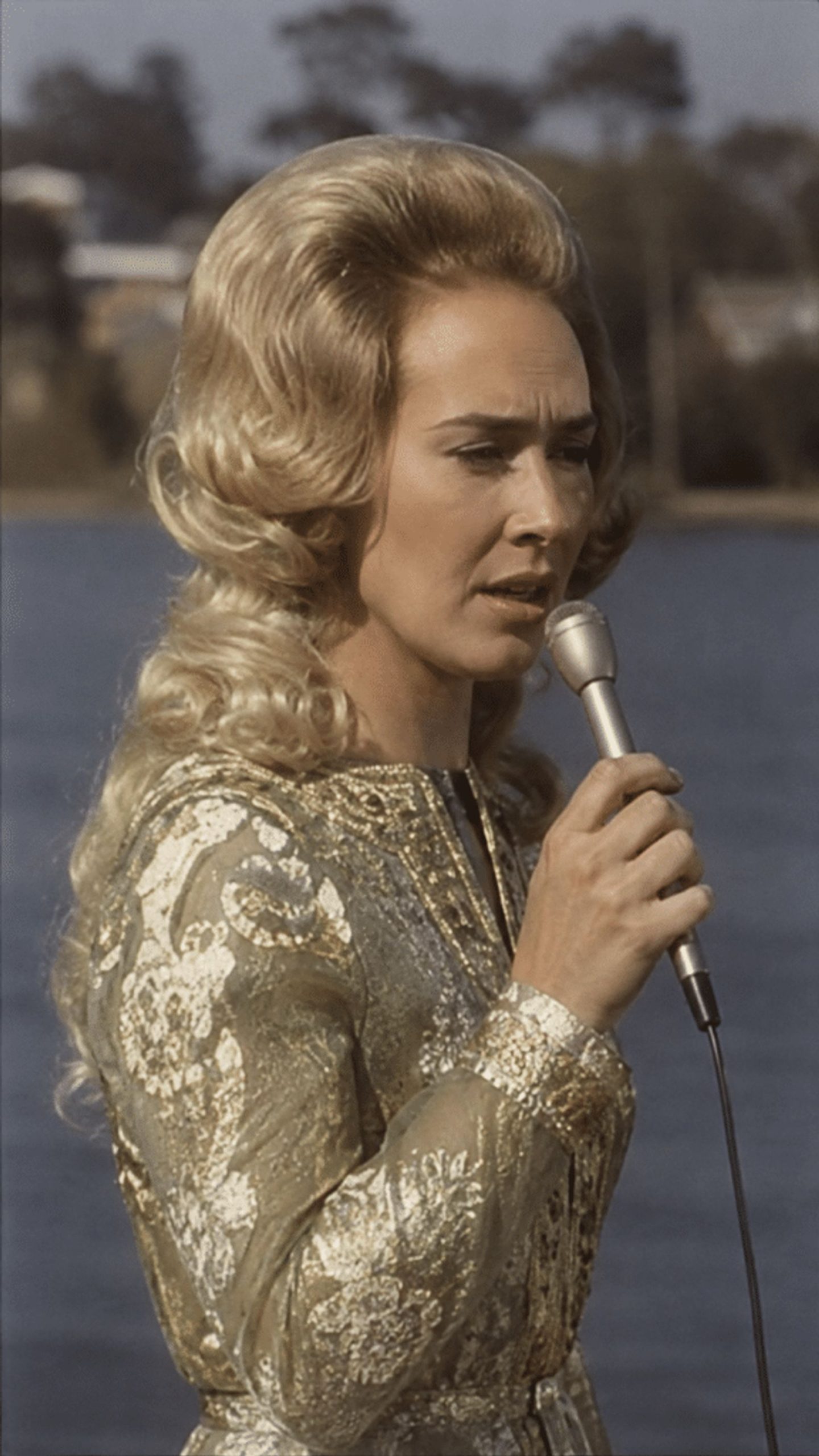
“Sometimes the softest voice carries the deepest pain.”
Written by Hank Cochran and Harlan Howard, the track told a universal story: the quiet devastation of seeing a former love and falling apart all over again.
At first, Cline hesitated. The song leaned heavily toward pop—a risky move in a genre rooted in tradition. But producer Owen Bradley saw its potential, pairing her voice with a polished arrangement that would define the emerging “Nashville Sound.”
Recorded at Bradley Studios, the track featured subtle piano, steel guitar, and background vocals from The Jordanaires—adding elegance without overwhelming emotion.
What truly elevated the song was Cline’s delivery.
“She didn’t just sing heartbreak—she controlled it.”

Still recovering from a serious car accident, her voice carried a fragile strength that felt almost too real. She avoided melodrama, instead letting each note linger with quiet intensity.
The result was haunting.
The song spent 39 weeks on the charts, opening doors not just for Cline, but for female artists across country and pop. It proved that vulnerability could be powerful—and commercially successful.
It also helped cement the Nashville Sound, influencing artists for decades to come.
After her tragic death in 1963, “I Fall to Pieces” took on even deeper meaning. Today, it stands as more than a classic—it’s a blueprint.
A blueprint for emotional honesty.
A blueprint for crossover success.
And a reminder that sometimes, the most unforgettable performances are the ones that hold back just enough to let the listener feel everything.
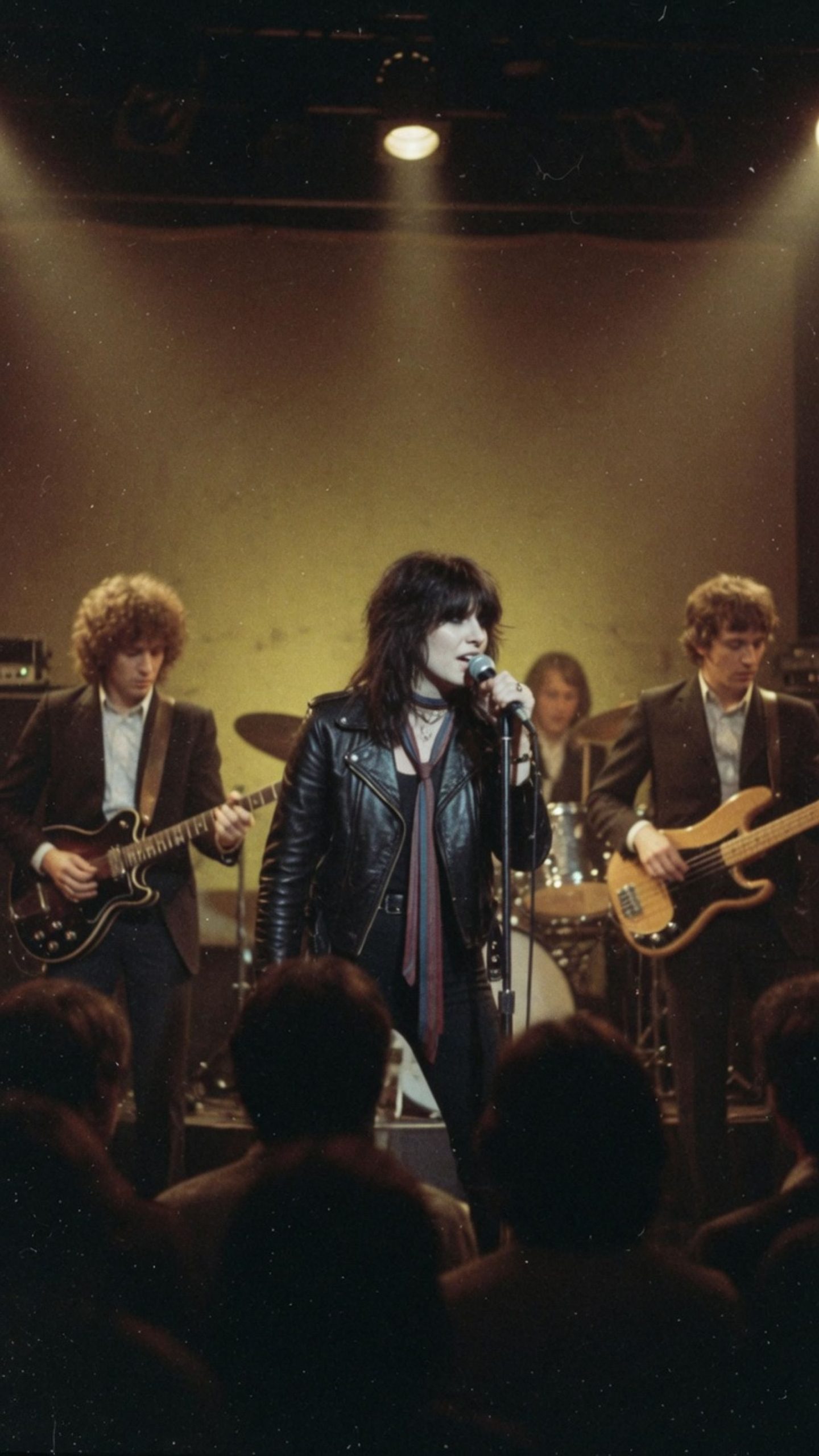
Ronnie Milsap’s “It Was Almost Like a Song” United Country and Pop Worlds in 1977-loidfs
When Ronnie Milsap unveiled “It Was Almost Like a Song” in 1977, it didn’t just mark another hit — it redefined the relationship between country and pop.
The track became a landmark in his career, ascending to No. 1 on the Billboard Hot Country Songs chart while simultaneously breaking into the mainstream.
It reached No. 16 on the Billboard Hot 100 and climbed to No. 7 on the Adult Contemporary chart, proving its ability to captivate audiences far beyond traditional country borders.
Born in Robbinsville, North Carolina, in 1943, Ronnie Milsap overcame congenital blindness to become one of country music’s most accomplished crossover artists.
Raised by his grandparents, he attended the State School for the Blind in Raleigh, where he first discovered his deep connection to music.

There, he mastered instruments like the piano and violin, drawing influence from gospel, classical, and R&B — a blend that would later shape his genre-defying sound.
The origins of the song trace back to the partnership between composer Archie Jordan and lyricist Hal David.
Jordan, a young talent at the time, had written the melody but sought lyrical direction.
When paired with David — already a legend for his work with Burt Bacharach — something extraordinary took form.
Together with producer Tom Collins, they built a story around fleeting love, memory, and emotional release.
Recorded in April 1977, the track featured Milsap and Tom Collins co-producing a sound that balanced Nashville warmth with pop sophistication.

Strings swelled gently behind the steady rhythm section, while Milsap’s heartfelt piano carried the melody.
The production merged lush pop arrangements with country sincerity, giving the song a rare cinematic quality.
When the song was released that May, it caught fire almost instantly.
Critics praised its emotional honesty and sleek production, and listeners embraced its universal themes.
It became Milsap’s eighth No. 1 country hit and his first major crossover success.
The accompanying album reached No. 3 on the Country Albums chart and entered the Billboard 200.

It eventually earned Gold certification and won “Album of the Year” at the 1978 CMA Awards.
Beyond its chart performance, the track reshaped the boundaries of country music.
It proved that heartfelt storytelling and polished production could coexist without losing authenticity.
The song helped pave the way for future crossover artists and a new era of country-pop.
For Ronnie Milsap, the song marked a turning point.
He was no longer confined to country radio, as pop and adult contemporary audiences welcomed his voice.

His career expanded in scale, reach, and artistic freedom.
The song’s influence extended far beyond Milsap’s own catalog.
It inspired other artists to blend genres with confidence and emotional depth.
Country-pop evolved from an experiment into a lasting movement.
Over the years, the song has been revisited by many artists, each revealing new emotional layers.
Its melody continues to carry a bittersweet ache that feels timeless.
By 1977, Milsap was already respected, but this song elevated him into rare territory.
Awards followed, and his role as a musical bridge-builder became undeniable.
Decades later, the song still resonates on classic playlists.
Its blend of vulnerability and polish feels as relevant today as it did upon release.
Looking back, “It Was Almost Like a Song” stands as both a milestone and a mirror.
It wasn’t just a hit — it was a cultural shift that changed how country music could sound.