Celebrities & Music
Some songs don’t shout their emotions—they simply sit beside you on the quietest nights and understand everything you’re feeling. This timeless classic proves that the deepest love stories are often the ones that can never be fully explained.
The article explores the emotional depth of the Eagles’ song “I Can’t Tell You Why,” highlighting its timeless qualities and the way it resonates with listeners across generations.
Some songs don't shout their emotions—they simply sit beside you on the quietest nights and understand everything you're feeling. This timeless classic proves that the deepest love stories are often the ones that can never be fully explained.
There are songs that fill a room for a few minutes, and then there are songs like “I Can’t Tell You Why” that seem to linger in the heart long after the music fades away.
Released in 1979 as part of Eagles’ legendary album The Long Run, the song arrived at a moment when the band stood at the peak of success while quietly carrying the weight of change.
Unlike the sweeping drama of “Hotel California” or the open-road freedom of “Take It Easy,” this song turned inward and explored the quiet mysteries of love.
It spoke not about passion at its beginning, but about love after years of misunderstandings, arguments, and promises that somehow remain unbroken.

For many listeners, that honesty was what made the song unforgettable from the very first note.
Soft electric piano, gentle guitar lines, and a slow rhythm created a late-night atmosphere that felt intimate and deeply personal.
It was the kind of song that sounded best after midnight, when memories become louder and emotions feel closer than they do during the day.
The track also marked an important moment for Eagles because it featured bassist Timothy B. Schmit singing lead vocals on an Eagles hit for the first time.
His voice carried a tenderness that perfectly matched the mood of the song, sounding neither dramatic nor distant, but quietly sincere.
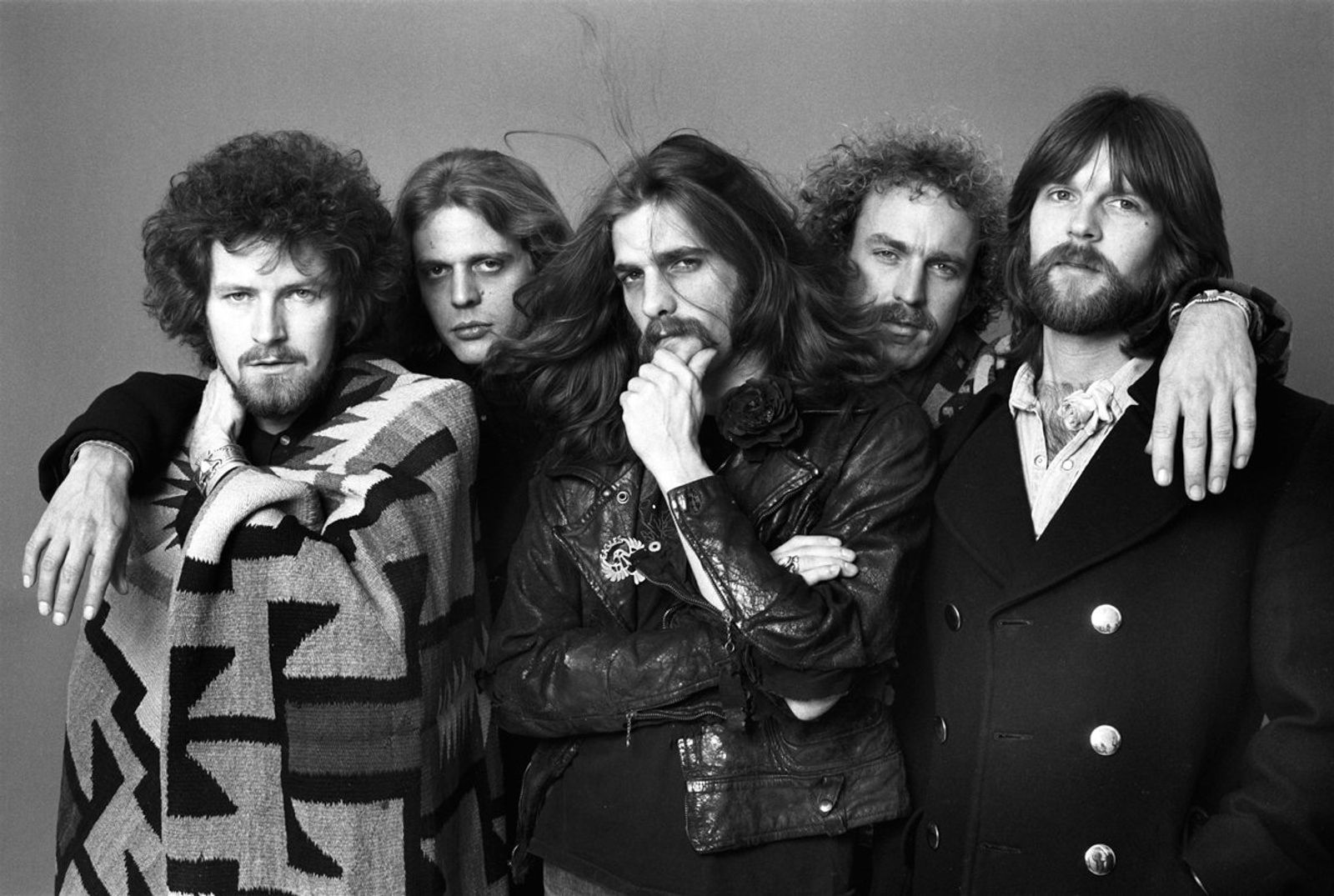
There was something remarkably human in the way he sang, as though he were sharing a private thought rather than performing for millions of people.
The lyrics themselves remain beautifully simple, describing a relationship caught between hurt and hope.
The narrator cannot explain why he stays, why he forgives, or why love continues despite disappointment.
That uncertainty is what gives the song its lasting power, because real love rarely follows clear logic.
People often leave relationships they should have kept, and stay in relationships they cannot fully understand.

“I Can’t Tell You Why” captured that emotional contradiction with extraordinary grace.
It reminded listeners that love is not always a perfect story, but often a collection of second chances and silent understandings.
At the end of the 1970s, music was changing rapidly, with disco, rock, and new sounds competing for attention.
Yet Eagles chose to slow everything down and create a song built not on excitement, but on feeling.
That decision helped the track stand apart from countless hits of its era.

Even decades later, its sound feels timeless because genuine emotion never grows old.
Part of the song’s magic comes from its unforgettable guitar work, especially the elegant solo performed by Don Felder.
The notes seem to speak where words fail, expressing longing, regret, and affection all at once.
Few guitar solos in popular music feel so effortless and emotional.
It never rushes, never overwhelms, and never asks for attention, yet listeners remember it long after the song ends.

The production is equally remarkable, creating a warm and spacious sound that invites listeners into its quiet world.
Every instrument seems carefully placed, allowing the music to breathe naturally.
That sense of space mirrors the song’s message, leaving room for reflection rather than forcing conclusions.
Perhaps that is why so many people return to this song during different stages of life.
Young listeners hear romance, while older listeners hear memories and understandings that come only with time.

A song that once sounded like a love ballad gradually becomes a reflection on loyalty, forgiveness, and human imperfection.
For couples who have spent years together, “I Can’t Tell You Why” often feels less like a song and more like a shared experience.
It understands that lasting love is rarely simple, and that some emotions cannot be explained by reason alone.
As Eagles approached the end of their first era, this track quietly became one of their most emotionally resonant recordings.
There is a gentle sadness within it, perhaps because listeners know that even great bands and great moments cannot last forever.

When Eagles eventually separated in 1980, songs like this remained behind as reminders of what they had created together.
Time has only deepened the song’s meaning, allowing each generation to discover its quiet wisdom.
Unlike louder songs that depend on trends, “I Can’t Tell You Why” survives because it speaks softly and honestly.
It tells the truth that many people feel but rarely say aloud: that love often continues even when explanations disappear.
That message has made the song a companion for lonely evenings, long drives, and moments of reflection for more than four decades.
Whenever those familiar opening notes begin, listeners are carried back to memories both joyful and bittersweet.
Some remember first loves, while others remember relationships that endured through difficult years.
Music has the power to preserve emotions that words alone cannot hold, and few songs do this more beautifully than “I Can’t Tell You Why.”
In the end, Eagles created more than a ballad in 1979; they created a quiet conversation about love, memory, and the mysteries of the human heart.
And perhaps that is why, after all these years, millions of listeners still return to this gentle masterpiece, finding pieces of their own lives hidden within its timeless melody.