
News
Skeeter Davis’ “The End of the World”: The Heartbreak Classic That Defined an Era
With its hushed delivery, genre-crossing appeal, and uncanny sense of private grief made public, Skeeter Davis’ 1962 hit turned heartbreak into one of pop’s most enduring sounds.

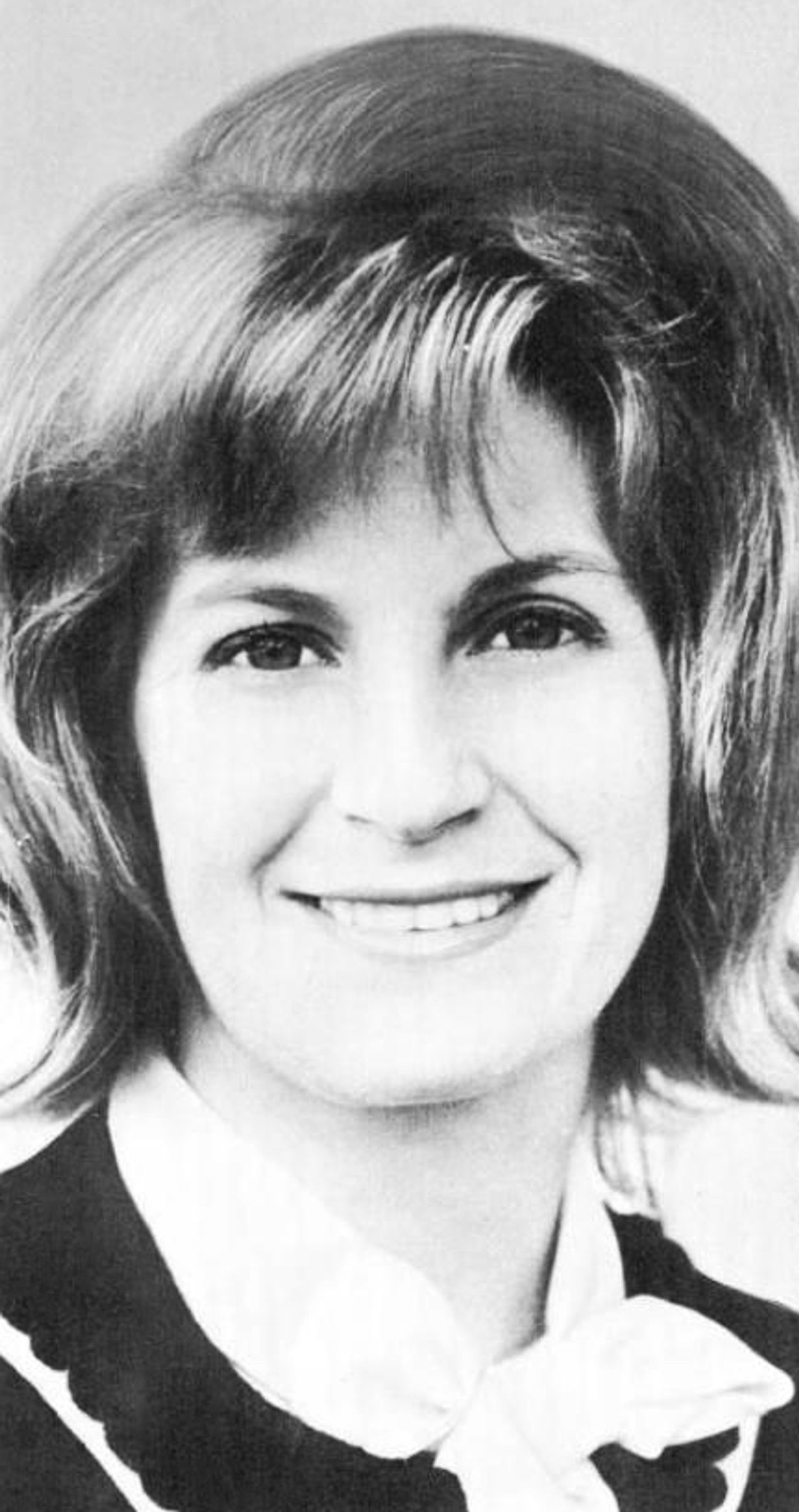
The ballad that made private grief feel universal
When Skeeter Davis recorded “The End of the World” in late 1962, the song arrived with the emotional force of a confession. It did not plead, rage, or explode. Instead, it asked a deceptively simple question: why does the sun go on shining if love has ended? That contrast between the ordinary world and an inner life in ruins is what made the record feel so devastating then and so recognizable now.
In an era when country and pop were still often treated as separate lanes, “The End of the World” slipped across those borders with unusual ease. Its success on Country, Pop, Adult Contemporary, and R&B charts showed how completely listeners from different audiences recognized the same emotion in Davis’ voice. The record was polished enough for pop radio, but its ache came from somewhere older, plainer, and harder to fake.
It sounded less like a performance and more like someone quietly falling apart.
A voice shaped by loss before the hit ever came
Skeeter Davis was born Mary Frances Penick in Kentucky, and long before she became associated with one of the great heartbreak records, loss had already marked her life and career. She first came to prominence in country music as part of the Davis Sisters, a duo with Betty Jack Davis. Their close harmonies and rising profile suggested a promising future.
That future was shattered when Betty Jack Davis was killed in a car accident, a tragedy that left a lasting imprint on Skeeter Davis. She continued on, eventually adopting the Davis name professionally and building a solo career, but the sense of resilience in her story is inseparable from the sorrow that preceded “The End of the World.” When she sang about life continuing after emotional devastation, listeners heard not just technique, but experience.
Why “The End of the World” sounded different
Part of the song’s power lies in how restrained it is. Davis does not oversell the lyric. She leans into its sadness with a soft, controlled vocal that makes the pain feel intimate rather than theatrical. The effect is almost conversational, as if the listener has stumbled into someone’s loneliest thought.
That understatement helped the song stand apart from both more overtly dramatic pop ballads and tougher-edged country heartbreak songs of the period. It carried country feeling into a wider pop setting without diluting either side. The arrangement supports that balance: elegant, accessible, and emotionally direct, but always leaving space for the voice at the center.
A crossover hit in an age of musical boundaries
The chart performance of “The End of the World” remains one of the clearest signs of its unusual reach. Climbing into the Top 5 on four separate Billboard charts, the single proved that heartbreak could be a common language even when radio formats were more rigid than they would later become. That kind of crossover was not just a commercial feat; it was a cultural one.
Its success also showed that country artists could move into the mainstream without abandoning emotional authenticity. Davis was not simply being repackaged for a broader audience. Instead, the song invited pop listeners toward country’s emotional clarity while giving country audiences a record sophisticated enough to sit beside the era’s best mainstream ballads. In that exchange, “The End of the World” helped define a new possibility for crossover music.
The lyric that made heartbreak cosmic
Great breakup songs often describe what has been lost. “The End of the World” goes further by describing the disorientation that follows loss. Its central idea is not merely sadness, but disbelief: how can the world continue unchanged when one person’s emotional reality has collapsed? That question gives the song its title and its enduring sting.
The lyric’s genius is that it enlarges a private wound without ever becoming grandiose. The everyday details of nature and routine remain in place, but they no longer make sense. Davis’ performance understands that emotional logic perfectly. She sings as though she is trying to understand a reality that has suddenly become alien, and that confusion is what makes the song feel timeless.
An enduring standard of sorrow
Decades later, “The End of the World” still feels startlingly fresh because it avoids the traps that date many sentimental hits. It is emotionally direct without becoming overwrought, and simple without sounding slight. New generations continue to discover it not just as an old classic, but as a nearly perfect expression of a feeling that popular music returns to again and again: the shock of being left behind while life goes on.
Skeeter Davis’ legacy rests on more than one recording, but this is the performance that most powerfully distilled her artistry. In just a few minutes, she transformed personal sorrow into a pop standard and proved that vulnerability could travel farther than genre. “The End of the World” did not merely define an era. It gave that era one of its most unforgettable sounds of heartbreak.

Quick Facts
- Artist: Skeeter Davis
- Birth name: Mary Frances Penick
- Signature song: “The End of the World”
- Release period: Late 1962
- Chart achievement: Top 5 on Billboard Country, Pop, Adult Contemporary, and R&B charts
- Early career: Member of the Davis Sisters with Betty Jack Davis
Image credits: RCA Victor / Wikimedia Commons / Public domain; Don O’Brien from Piketon, Ohio, United States / Wikimedia Commons / CC BY 2.0; Unknown authorUnknown author / Wikimedia Commons / Public domain.

