
Celebrities & Music
SHE ARRIVED IN NASHVILLE WITH NOTHING BUT A SUITCASE AND A DREAM — BUT THE MAN WHO SECURED HER FUTURE WAS JUST PAVING ASPHALT.
A profile of Dolly Parton’s early meeting and lifelong marriage to Carl Thomas Dean, highlighting how his quiet support and deliberate distance from fame helped her build her career. The article emphasizes their private devotion and the sacrifices that kept their relationship grounded away from the spotlight.

In 1964, the day after her high school graduation, a young Dolly Parton stepped into Music City. She was looking for her big break, but her most defining encounter happened on her very first afternoon at the Wishy Washy laundromat.
She was folding clothes in a revealing top when a local asphalt-paving worker named Carl Thomas Dean walked up. He did not offer a flashy industry pitch or a smooth pickup line. Instead, he simply warned her she was going to get a sunburn.
In a town full of men looking at a naive country girl and seeing a commodity, Carl looked directly into her eyes. He had no interest in fame or the music business. He just saw the woman standing in front of him. According to Carl, the moment he saw her, his very first thought was that he was going to marry her.
Their first date was the opposite of a Hollywood romance. He took her through a McDonald’s drive-thru, then drove her straight to his parents’ house to introduce her. He was not looking for a superstar; he was looking for a wife.
For over half a century, he remained her quiet sanctuary, the solid ground she could always return to when the stadium lights went dark. How they navigated the brutal realities of her rising fame—and the specific sacrifices he made to let her voice belong to the world—remains the deeper layer of a marriage built far away from the spotlight.
In 1964, the day after her high school graduation, a young Dolly Parton stepped into Music City with nothing but a suitcase and a dream. She was looking for a breakthrough, but her most defining encounter happened on her very first afternoon at the Wishy Washy laundromat.
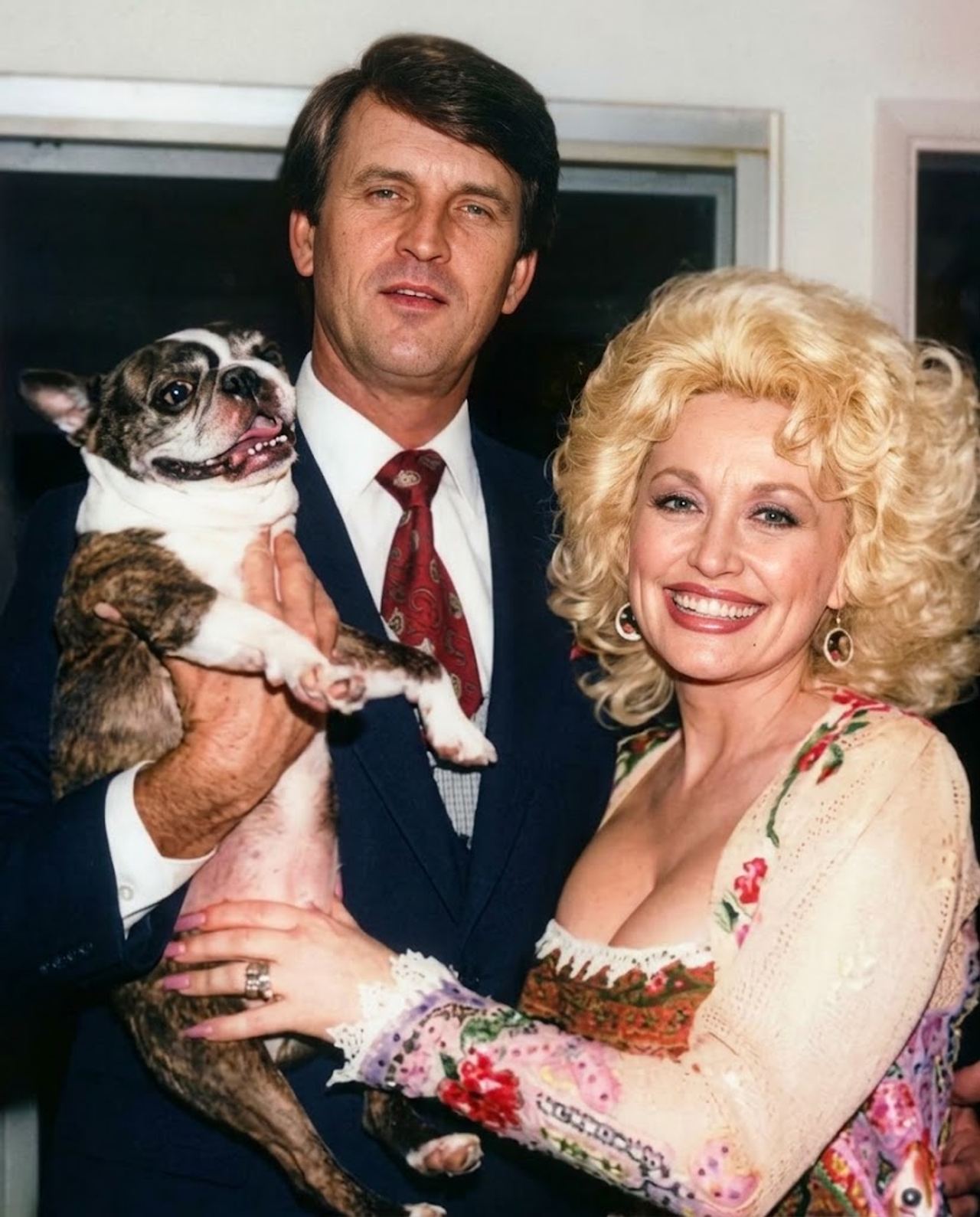
She was folding clothes in a revealing top when a local asphalt-paving worker named Carl Thomas Dean walked up. He did not offer a flashy industry pitch or a smooth pickup line. Instead, he simply warned her she was going to get a sunburn.
In a town full of men looking at a naive country girl and seeing a commodity, Carl looked directly into her eyes. He had no interest in fame or the music business. He just saw the woman standing in front of him, and he later admitted his first thought was that he was going to marry her.
Their first date was the exact opposite of a Hollywood romance. He took her through a McDonald’s drive-thru, then drove her straight to his parents’ house to introduce her. He was not looking for a superstar; he was looking for a wife.
Two years later, the music industry was already trying to control her path. Executives at Monument Records urged Dolly not to get married, fearing it would ruin her appeal to male fans and halt her momentum.
But Dolly and Carl quietly defied the label. On Memorial Day in 1966, they drove across the state line to a small Baptist church in Ringgold, Georgia, with only her mother, the preacher, and his wife as witnesses. They chose their relationship over the immediate demands of her career.
As Dolly’s star began to rise, the couple had to navigate the brutal realities of her expanding world. The defining sacrifice Carl made was not about changing his own life, but rather removing himself entirely from hers in the public eye.
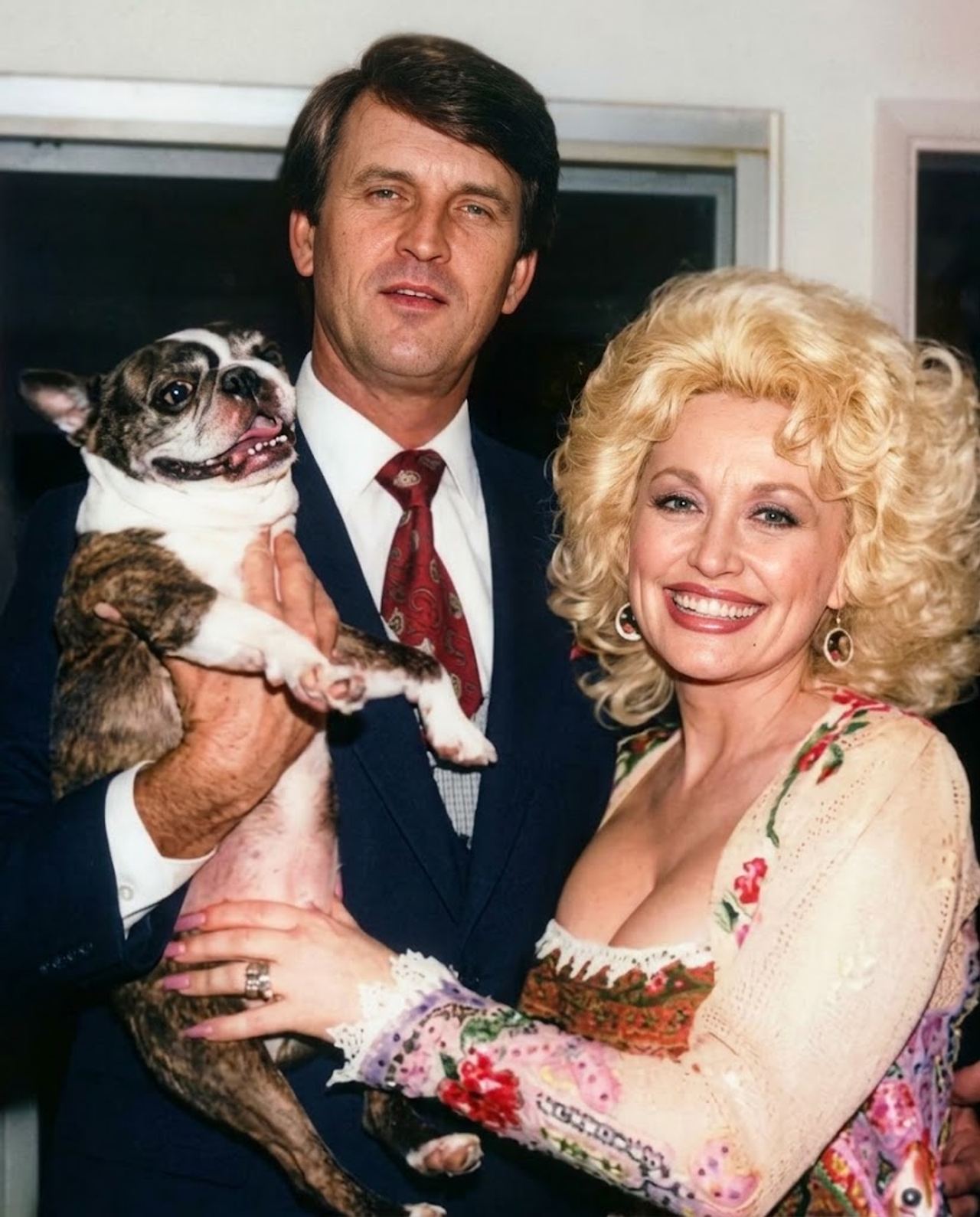
The boundary was drawn early. After attending a BMI awards dinner in 1966 where Dolly won an award for “Put It Off Until Tomorrow,” Carl realized the red-carpet life was not for him. On the drive home, he told her that while he loved her and would always support her, he never wanted to attend another industry event.
By stepping out of the frame, he absorbed the quiet reality of a touring spouse. He allowed her to travel the globe and build an empire, while ensuring their private life remained untouched by the tabloids.
For over half a century, he remained her sanctuary. While Dolly was playing sold-out stadiums, starring in movies, and opening a theme park, Carl stayed in Tennessee, running his asphalt paving company and living on his own terms.
He refused to become a celebrity husband. He rarely traveled with her on tour, and he famously avoided her live shows, preferring to watch her on television from the comfort of their living room or take their RV out for quiet trips together. He did not need to stand in her light to prove his dedication.
He gave her the freedom to belong to the world, precisely because he knew who she belonged to at home. The music industry gave her a career, but the man from the laundromat gave her a place to rest.
Video can’t be loaded because JavaScript is disabled: Dolly Parton – If You Hadn’t Been There (Official Audio)